REVIEW · GIFU
Experience the Soul of the Sword-smith : Samurai Spirit in Seki
Book on Viator →Operated by MOST JAPAN · Bookable on Viator
Seki’s sword story is way more physical than you expect. This private tour links swordsmithing in Seki with Iaido-style discipline, so you don’t just watch history—you see how it connects to craft and mindset. I also like that the day includes more than one angle on metalwork, with a cutlery production stop and a visit to a working sword shop.
One thing to consider: the schedule is tight. You’ll hit several locations in about 5 hours 15 minutes, and the main museum time is brief, so it’s not the best fit if you want hours and hours of slow, uninterrupted museum wandering.
In This Review
- Quick hits before you go
- Seki’s Sword Spirit, Not Just Sword Talk
- Price, Time, and What You’re Really Paying For
- Timing note
- From JR Gifu Station to Seki: Convenient Pickup Matters
- Seki Blacksmithing Tradition Museum: Where the Process Becomes Clear
- Cutlery Hall Stop: The Metalworking Link You Might Not Expect
- Noshusekisho Resthouse Lunch: A Pause in a Tea-House Setting
- 濃州堂 (Nosyudo) Workshop: See a Craftsman’s Day at Work
- Iaido Training and the Samurai Discipline Piece
- Return to Gifu: Ending Before You’re Tired
- Who This Tour Fits Best (and Who Should Skip It)
- Should You Book Soul of the Sword-smith: Samurai Spirit in Seki?
- FAQ
- How much is the tour and how long does it last?
- Where is the meeting point and what time does the tour start?
- Is pickup included?
- Is this tour private?
- What’s included in the schedule?
- Is the experience suitable for beginners?
Quick hits before you go
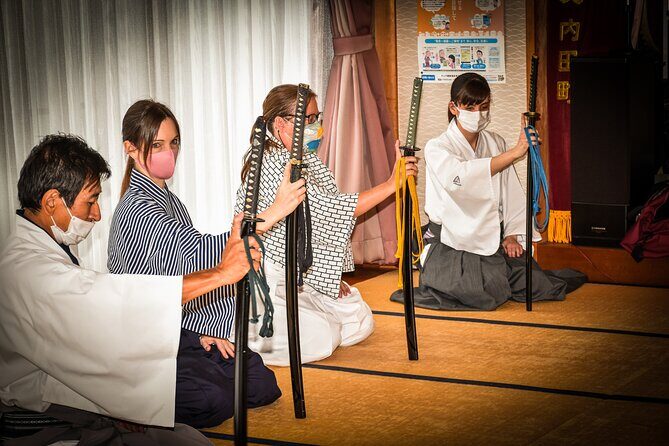
- Qualified instruction: You get training that focuses on discipline, focus, and ethical principles tied to the Samurai way.
- Iaido connection: The day includes Iaido elements, including a short class-style intro with practical instruction.
- Seki craft stops: Beyond swords, you’ll also visit Gifu Cutlery Hall, tied to Seki’s metalworking reputation.
- Working shop visit: You’ll go to 濃州堂 (Nosyudo), where a craftsman is working as part of your experience.
- Included lunch at a tea-house style rest stop: Local foods built around vegetables and meats, served in an older Japanese house setting.
- Pickup from JR Gifu Station: It’s private and includes pickup, which makes reaching Seki much easier than figuring it out on your own.
Seki’s Sword Spirit, Not Just Sword Talk
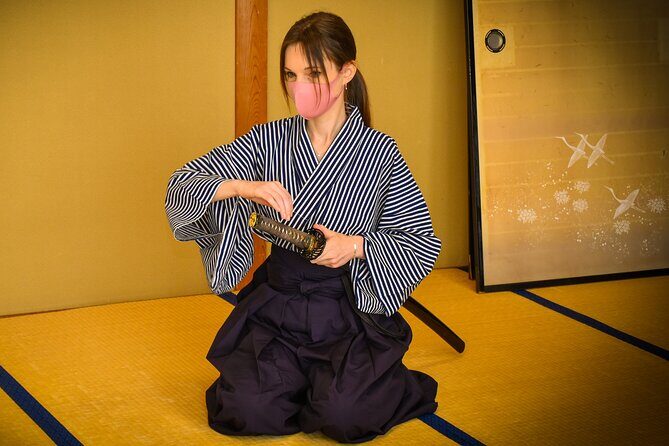
Seki is famous for metalwork, but this tour frames it like a living tradition. You’re not just learning that swords existed—you’re seeing how the process and the rules around it shaped people’s daily discipline.
What I like most is the way sword history connects to behavior. The Iaido training isn’t presented as a stunt. It’s about focus and self-control, which changes how you look at the sword as a cultural symbol rather than only a weapon.
You’ll also get a day that feels grounded in real production. The visit to a working shop means you’re near the craft while it’s happening, not staring at something sealed behind glass.
You can also read our reviews of more tours and experiences in Gifu.
Price, Time, and What You’re Really Paying For
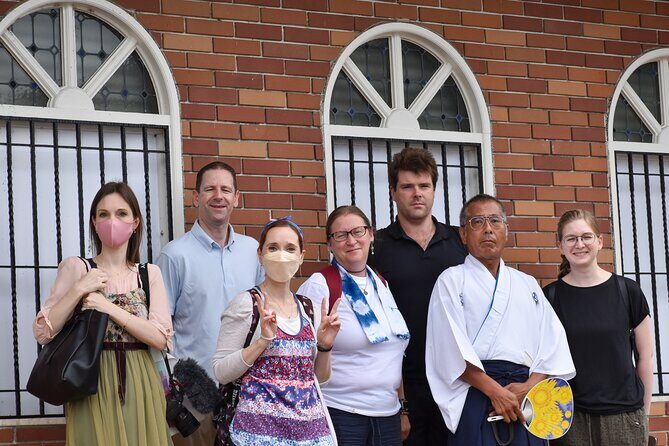
The price is $260.14 per person for a private tour lasting about 5 hours 15 minutes. That sounds like a chunk of cash until you look at what’s bundled into that block of time.
You’re getting a private group experience plus pickup from JR Gifu Station, car transfer to Seki, and multiple stops with admissions included on key parts. Admission is included for the Seki Blacksmithing Tradition Museum, the tea-house style rest stop (Noshusekisho), and the 濃州堂 (Nosyudo) workshop visit, while Gifu Cutlery Hall is free.
In plain terms: you’re paying for guided context and transport convenience. This matters because Seki is a specific craft area, and getting between sites efficiently is hard if you’re trying to do it all independently.
Timing note
The tour starts at 10:00 am at JR Gifu Station (Hashimotocho, Gifu). Most of your day is scheduled travel plus five concentrated stops, so you’ll want to keep your next plan flexible when you’re done.
From JR Gifu Station to Seki: Convenient Pickup Matters
Your day begins at JR Gifu Station. The tour pickup is offered, and then you ride by car to Seki city—about 45 minutes.
This part is more valuable than it sounds. Craft workshops and museums in regional Japan can be simple to reach if you have local know-how, but they’re often less convenient from major stations if you’re relying on transfers. Here, the car transfer removes most of the friction, which lets you focus on the craft experience itself.
Also, the meeting point is clear and near public transportation. Even if you’re coming from outside the area, you can plan around JR Gifu without guessing.
Seki Blacksmithing Tradition Museum: Where the Process Becomes Clear
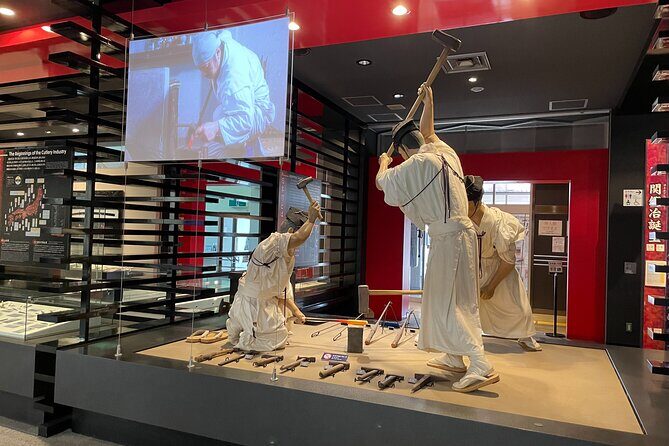
The first hands-on stop is the Seki Blacksmithing Tradition Museum. You’ll spend about 30 minutes there, with admission included.
This museum is centered on preserving and showcasing Japanese sword making, and it helps you understand the craft as a sequence, not a magic trick. The experience includes a video showing parts of the swordmaking process, which is great if you’re trying to follow what you’re seeing later in a workshop environment.
Here’s what to watch for during your short visit:
- How the museum explains the stages from raw material to finished blade
- How traditional methods are described as practical steps, not just folklore
- Any emphasis on discipline and ethics, since the tour’s Iaido component connects to mindset
One drawback: the time is short, and the museum is on the compact side. If you love museum wandering, you may feel you’re moving through highlights rather than spending a leisurely half-day.
Still, the payoff is that you leave with enough context to notice what matters when you visit the working shop later.
Cutlery Hall Stop: The Metalworking Link You Might Not Expect
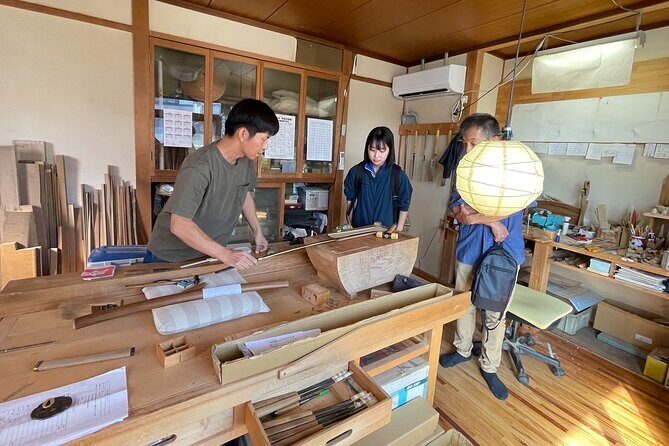
Next comes Gifu Cutlery Hall, also in Seki. You’ll have about 30 minutes and admission is free.
This stop works as a “metalworking reality check.” Seki is known worldwide for blades and cutting tools, and cutlery production is a huge part of that reputation. The information you’ll hear connects swordmaking skills and techniques with the broader culture of metal craft in the region.
Why this stop helps: it widens your lens. Even if swords are the headline, understanding the surrounding ecosystem of production makes the region’s expertise feel less like a one-off tradition and more like an industrial craft lineage.
If you’re the kind of person who likes seeing how skills transfer, you’ll appreciate this detour. It’s not a random add-on—it’s a practical way to understand why sword craftsmanship has stayed strong in Seki.
Noshusekisho Resthouse Lunch: A Pause in a Tea-House Setting
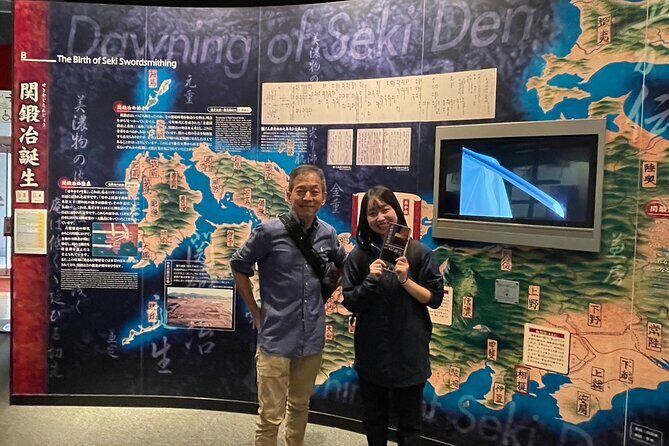
You’ll then head to Noshusekisho Resthouse, where you’ll spend about 1 hour. Admission is included.
This is set in an older Japanese tea-house style environment, and the food is described as local cuisine, mostly built around local vegetables and meats. For many people, this is the mental reset point of the tour: you get out of “production mode” and back into normal life—eating, resting, and letting the information land.
Practical advice: go in hungry. The lunch is part of the structured time block, and once you’re back in motion toward the workshop, the day picks up again.
濃州堂 (Nosyudo) Workshop: See a Craftsman’s Day at Work
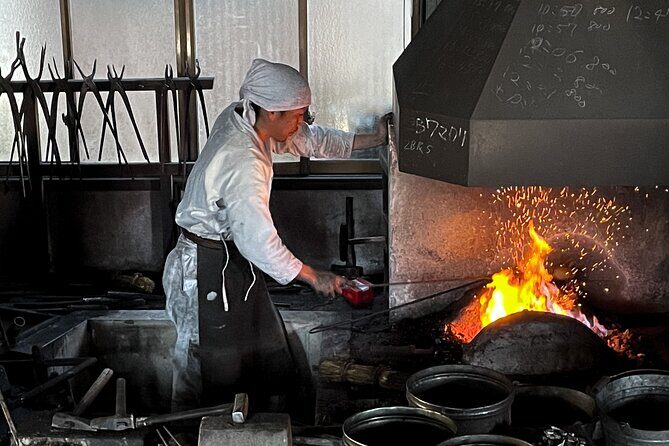
The most atmospheric stop is the visit to 濃州堂 (Nosyudo), a working sword-smith craft shop. You’ll spend about 1 hour 30 minutes, and admission is included.
This is where the tour shifts from learning to observing craft in action. You’ll see the workshop context where sword-making expertise is practiced and explained, and you can feel the “samurai spirit” angle the tour promises—less as theatrical storytelling, more as a sense of responsibility and precision.
What makes this stop especially worthwhile is the combination of:
- the earlier museum context (so you know what you’re looking at), and
- the workshop setting (so you experience craft as something ongoing)
This is also where your questions matter. The tour is guided, and in the past, instructors have been professional and friendly, with English support that helps you ask specific “how do they do that?” questions and actually get answers.
Even if you’re not a sword nerd, you’ll probably notice small details—how work is organized, how tools and materials are handled, and how the craft mindset shows up in pace and care.
Iaido Training and the Samurai Discipline Piece
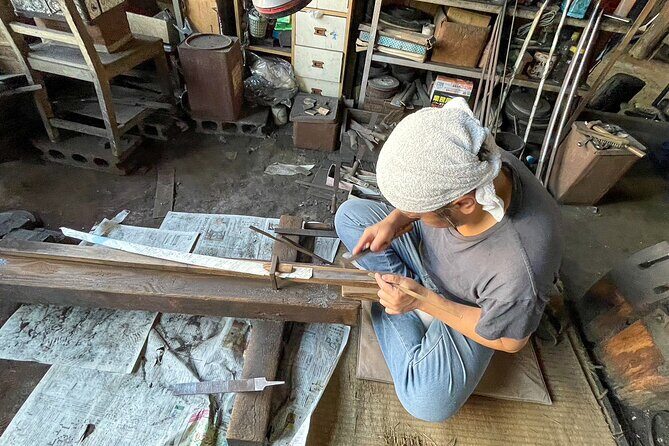
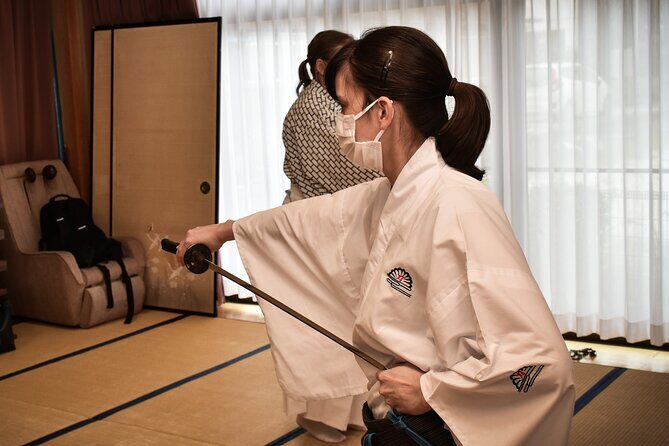
The tour’s big promise is that sword culture connects to Iaido. Even though your day is also full of museum and workshop time, the training emphasis is clearly part of the experience.
You’ll receive instruction from a qualified Samurai master, with a focus on not just physical skills but also discipline, focus, and ethical principles. That’s the big value for most people. You don’t just walk away knowing sword facts—you walk away with a better sense of what the practice was meant to shape in a person.
From what’s been described, the day can include an introduction to Iaido and a short class-style sword lesson. Think of it as a structured taste rather than a long multi-session training program.
If you’ve never done anything like this before, that’s fine. The tour is designed for most travelers to participate, and the instruction format is part of what you’re paying for.
Return to Gifu: Ending Before You’re Tired
Finally, you return to Gifu, dropping off at JR Gifu Station. This last segment is about 1 hour in the schedule.
This timing is actually helpful. You’re not stuck out late in the countryside with no plan. You’ll get back to the station while you still have energy for a dinner or a quick walk in Gifu.
It’s also a clean way to make the tour a day trip. The experience is practical if you’re based in Kyoto, since the tour can be done as a longer day with travel time on top (the tour notes it’s roughly 1.5 to 2 hours by train and car from Kyoto).
Who This Tour Fits Best (and Who Should Skip It)
This tour is a strong match if you want:
- a private guided day with clear stops and included admissions,
- direct instruction related to Iaido and sword discipline,
- a realistic look at Seki’s craft ecosystem beyond swords alone.
It’s also a good choice for people who like asking questions and receiving explanations in English. The guide experience has been described as friendly and professional, and that matters a lot in a hands-on subject like this.
Who might not love it:
- If you want a long, slow museum day, the total time is fixed and the museum stop is brief.
- If you hate structured schedules and like wandering at your own pace, this isn’t that kind of tour.
Should You Book Soul of the Sword-smith: Samurai Spirit in Seki?
If you’re interested in Japanese sword culture but want something more grounded than a static history lecture, book this. The strongest reason is the combination: museum context + working shop observation + Iaido discipline instruction in one organized half-day.
Also, the pickup from JR Gifu Station is a smart benefit. It turns a regional craft day into something you can do without wrestling with logistics.
If you’re on the fence because of time, here’s the deciding question: do you want a focused introduction you can connect to later, or do you want hours of independent browsing? This tour is built for the first kind of day.
FAQ
How much is the tour and how long does it last?
The tour costs $260.14 per person and lasts about 5 hours 15 minutes.
Where is the meeting point and what time does the tour start?
You’ll meet at JR Gifu Station, 1 Chome Hashimotocho, Gifu, Japan, at 10:00 am.
Is pickup included?
Yes. Pickup is offered, and you’ll be picked up at JR Gifu Station.
Is this tour private?
Yes. It’s a private tour/activity, and only your group participates.
What’s included in the schedule?
The day includes stops at the Seki Blacksmithing Tradition Museum, Gifu Cutlery Hall, Noshusekisho Resthouse (lunch), and the 濃州堂 (Nosyudo) sword-craftsman working shop. Some admissions are included (museum, resthouse, and Nosyudo), while other stops list free admission.
Is the experience suitable for beginners?
The tour notes that most travelers can participate, so it’s set up for general participation rather than requiring prior experience.