REVIEW · FUKUYAMA
Explore the Nature that Inspired Ghibli Movies by Kayak (Half Day)
Book on Viator →Operated by Attractive JAPAN · Bookable on Viator
Sea kayaking in Tomonoura feels like stepping into Ponyo. This half-day small-group paddle turns the Seto Inland Sea into your playground, with stops tied to the Ghibli-inspired town of Tomonoura. You’ll also see the area’s famous sea-and-temple mix, with options that depend on the day.
What I like most is the way it’s paced for real humans, not fitness robots. You get time on the water, clear guiding, and plenty of moments where the guide helps you look at the town differently—plus you’ll be taking photos without making it feel like a photo shoot.
One key consideration: sea conditions, tides, and weather can change the course (and sometimes the tour). So if you hate plan changes, build in a flexible half-day on your itinerary.
In This Review
- Key Highlights I’d Circle
- Why Tomonoura Looks Like It Belongs in a Ghibli Movie
- Kayak Route Basics: Half-Day Timing and What 3 Hours Means
- Stop-by-Stop: Historic Steps, Tomonoura from the Water, and Abuto Kannon
- Stop 1: Tomo (Start Time: around 9:00 or 13:30)
- Stop 2: Tomo no Ura (You launch near ganki steps)
- Stop 3: Sensui Island choice—Abuto Kannon or Sensuijima Island (tide-dependent)
- Stop 4: Return to Tomonoura and Kayaker’s CAFE
- The Views You’ll Remember (Seto Inland Sea, not postcard mode)
- What to Pack and Wear (So Your Day Stays Fun)
- Guide and Group Size: Why Instruction Changes Everything
- Price and Value: Is $53.10 Worth It?
- Who This Tour Suits Best (and Who Might Want to Pass)
- Should You Book Explore the Nature That Inspired Ghibli Movies by Kayak?
- FAQ
- How long is the kayak tour?
- Where do you meet for the tour?
- Are there different start times?
- Can I visit Abuto Kannon during the tour?
- What fitness level do I need?
- Is the guide’s English good?
- What should I bring?
- Do I need kayak shoes?
- What happens if the weather is bad?
- Is there a minimum age requirement?
Key Highlights I’d Circle
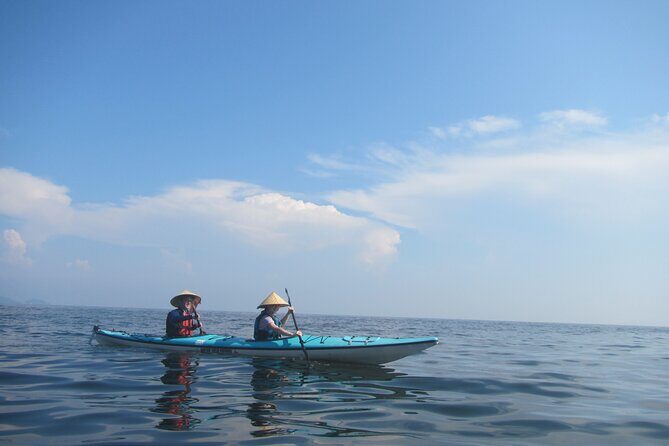
- Ponyo-area Tomonoura from the water: You view the port town the way boats do, not the way roads force you to.
- Small-group feel (max around 15–20): More attention, less waiting in a crowd.
- Abuto Kannon temple option (tide-dependent): The structure looks dramatically different when viewed from a kayak.
- Seto Inland Sea viewpoints: Open water views from a low, moving vantage point.
- Beginner-friendly instruction with patient coaching: You get guidance even if it’s your first time on a sea kayak.
Why Tomonoura Looks Like It Belongs in a Ghibli Movie
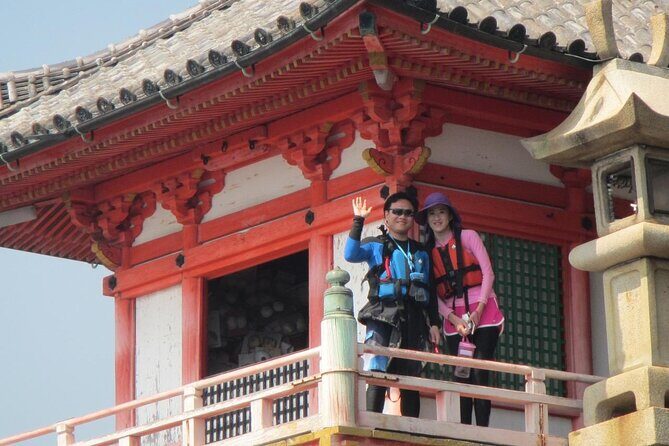
Tomonoura is the kind of place that makes you wonder why it ever needed imagination. From the water, the town’s edges, harborside shapes, and that constant play of light on the sea turn into a living backdrop. And yes, it connects directly to Studio Ghibli’s world—this area is commonly associated with Ponyo’s town look, and it’s also listed as a filming location for Wolverine.
What makes this tour worth your time is the angle. You’re not just standing on a lookout and looking down. You’re gliding past the same kind of shoreline curves and water-level views that would inspire artists and filmmakers. Even if you’re not a total Ghibli superfan, the practical payoff is big: you’ll get a unique perspective fast.
And the small-group setup matters more than it sounds. With a cap listed at 15 (and the activity listing noting a maximum up to 20), you’re more likely to get real coaching rather than vague instructions over wind noise.
A few more Fukuyama tours and experiences worth a look
Kayak Route Basics: Half-Day Timing and What 3 Hours Means
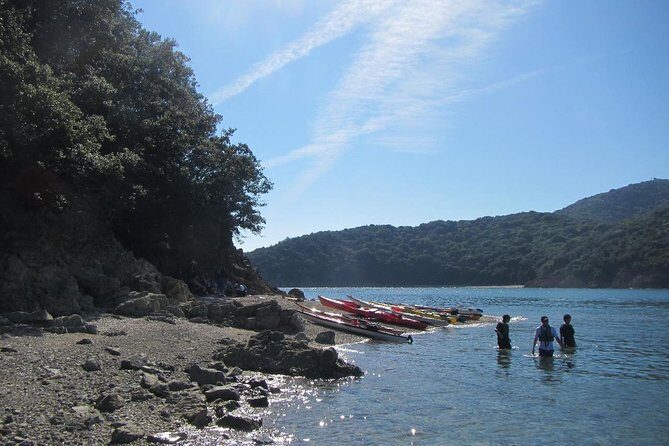
This is a 3 hours 10 minutes style tour, offered with two start times: 9:00 or 13:30. That matters because you’re not spending your whole day hauling bags and fighting jet lag. You’re doing an active morning or a mid-day reset, then you can eat and wander afterward.
The tour structure has a clean rhythm:
- A start in Tomo
- A first water segment from historic stone steps down to the sea
- A second landfall option (depending on tides)
- A return to the meeting point
It’s also built for the real conditions of sea kayaking. The route can adjust based on sea conditions, tides, and your group’s level and health. That’s not a “fine print” issue; it’s what keeps the day safe and comfortable.
English support is another practical note. The tour information says the guide’s English is not fluent. At the same time, reviews highlight strong guidance and communication with a guide named Yasuhiro Murakami (often called Yasu). So you should expect instruction and friendliness, but don’t assume every sentence will be perfect in a foreign language.
Stop-by-Stop: Historic Steps, Tomonoura from the Water, and Abuto Kannon
Here’s what you can expect as the tour moves, and why each stop is more than a box to check.
Stop 1: Tomo (Start Time: around 9:00 or 13:30)
You begin in Tomo and you’ll get the initial setup time—enough to get your bearings before you’re out on the water. If you’re new to kayaking, this is when you’ll learn how to handle your kayak smoothly and safely.
Why it’s valuable: sea kayaking isn’t hard, but it is physical. Starting with instruction helps you spend your energy on enjoying the view rather than struggling with your stroke.
Potential drawback: if you’re the type who hates instruction, you might feel a little “training mode” at the beginning. But that first hour is also where you gain confidence.
Stop 2: Tomo no Ura (You launch near ganki steps)
Next comes the best kind of detail: the launch uses ganki, historic Edo-period-style stairs leading down to the sea. Floating out from there gives you that immediate “I’m actually on the water” feeling—right away.
This is also when you’ll get your first look at Tomonoura’s port town layout from sea level. From land, you tend to focus on buildings. From the water, your brain shifts to boats, shoreline, and how the harbor breathes with the tide.
Why it’s worth it: this is the part that makes the whole Ghibli connection feel real. The town doesn’t look like a set. It looks like a living coast.
Stop 3: Sensui Island choice—Abuto Kannon or Sensuijima Island (tide-dependent)
This is the “decision point” stop, and it depends on what the sea allows that day. You’ll either head toward Abuto Kannon or Sensuijima Island.
If it’s Abuto Kannon
The temple structure is built to extend into the sea, and the tour description emphasizes how impressive it looks when you look up at it from a kayak. After landing, you get panoramic views—exactly the kind of moment where you pause your paddle and just take it in.
Why it’s special: viewing a sea temple from the water changes the scale. What would look small from the shore can feel monumental up close.
If it’s Sensuijima Island
You still get that low-level, shoreline-hugging scenery, with island views and the kind of natural contrast (water, rock, sky) that makes your camera roll fill up fast.
Tradeoff: you might not get the exact temple you hoped for if tides don’t line up. But you still get the sea-and-island payoff.
Stop 4: Return to Tomonoura and Kayaker’s CAFE
You paddle back to Tomo, and the tour concludes at the meeting point. A short Kayaker’s CAFE break is included during the return portion.
Based on review details, the “cafe break” experience can include drinks and snacks, with at least one reported moment where tea was heated on-site (propane burner style). The idea is simple: you’ve earned warmth and a break, without turning this into a long restaurant detour.
The practical win here: you leave with momentum. You’re not stuck waiting for a slow service line—you’re still in outdoors mode.
The Views You’ll Remember (Seto Inland Sea, not postcard mode)
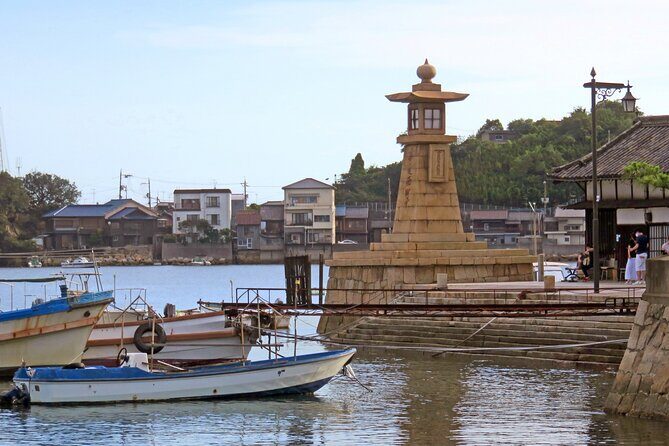
Sea kayaking gives you three things postcards can’t:
1) motion (the shoreline glides by differently than it does from land),
2) height (you’re lower than most viewpoints),
3) silence breaks (wind, paddles, and water sounds make the place feel personal).
Here, you’re surrounded by the Seto Inland Sea, and the tour is built around viewing the natural beauty of the area. On good days, it’s the kind of scenery that makes you stop trying to explain it and just keep looking.
This is also where a strong guide earns their pay. Reviews credit Yasuhiro Murakami with teaching and pointing out what matters, and even taking photos for the group. If you’ve ever done an activity where you end up with blurry selfies, this kind of “someone else is keeping the memories” setup is a real relief.
What to Pack and Wear (So Your Day Stays Fun)
This tour is weather-sensitive and you’ll likely get wet. Dressing wrong is the easiest way to ruin a half-day.
Bring:
- Drinks
- Spare clothes (a change set is not optional, honestly)
- Towel
- Sunscreen
- Waterproofing for your smartphone
Kayak shoes are available for rental, and you’ll need to provide your shoe size when reserving. That’s helpful because it saves you from dragging your own gear through town.
Seasonal dress guidance matters here:
- Swimming season (June–October): clothing that can get wet (swimwear underneath), hat, sunglasses
- Spring/Fall (around April–May, November): quick-drying layers, a nylon outer layer, comfortable pants, hat, sunglasses; paddle jackets are available for rental
- Winter (December–March): quick-drying base layers, fleece/mid-layer, warm outer layer after landing; knit cap and nylon gloves are suggested
If you’re the type who wants one rule: dress like you’ll be fine getting wet, because you probably will be.
Guide and Group Size: Why Instruction Changes Everything
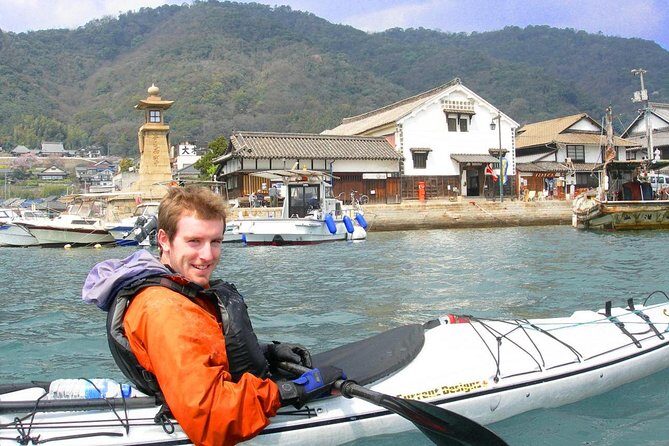
Kayaking tours can go one of two ways: you either feel cared for, or you feel like an extra in someone else’s day. This one trends toward the cared-for side.
The tour info flags that English may not be fluent, but the reviews show Yasuhiro Murakami as an especially helpful guide—patient with beginners, willing to explain, and comfortable managing equipment and safety teaching. One review even calls out that the guide explained things for beginners and kept the day moving at a pace that felt right for first-timers.
There’s also a pattern around photography. Multiple reviews mention the guide taking pictures during the tour, which helps you avoid awkward moments trying to hold a camera while paddling.
Small group size also increases your odds of getting personal coaching. Even if you pick up the mechanics quickly, you’ll still appreciate reminders about how to handle turns and keep your kayak balanced.
Price and Value: Is $53.10 Worth It?
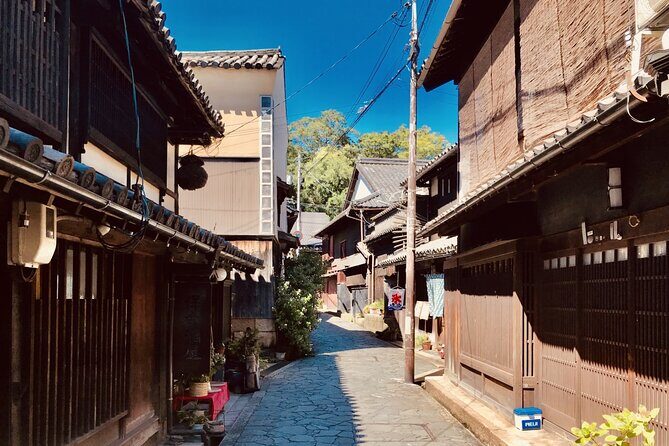
At $53.10 per person for roughly 3 hours 10 minutes, you’re paying for several things at once:
- a guided sea kayaking experience in a specific coastal area,
- equipment (kayak shoes rental available; you’ll be using the provided setup),
- local access to viewpoints that you simply can’t reach the same way on foot,
- and a half-day format that’s easier to fit than a full-day adventure.
This isn’t a luxury spa rate, and it’s not a long bus tour. It’s active, outdoorsy, and honestly good value if you want something memorable without eating an entire day.
One thing I’d do for value: choose the start time that matches your energy. If you’re tired after travel, picking 13:30 can feel easier than starting early. If you love clear morning light, go 9:00. Either way, you’ll be back in time to keep your day flexible.
Who This Tour Suits Best (and Who Might Want to Pass)
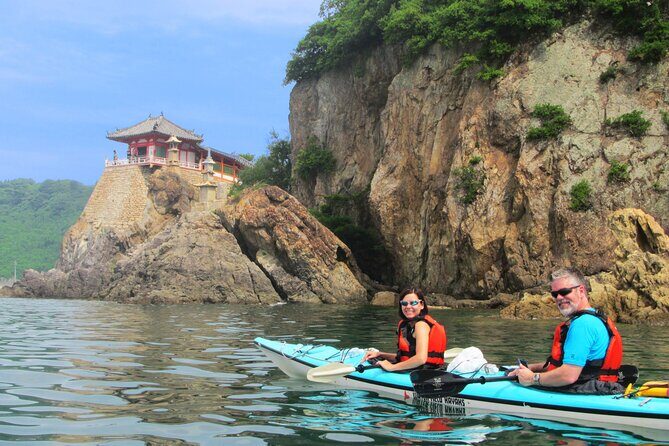
This works best for:
- people who want an active half-day in Fukuyama and want sea scenery, not just street scenery
- first-time sea kayaking participants (instruction is emphasized, and beginners are welcomed)
- Studio Ghibli fans who want to see why the landscapes feel right for Ponyo-related stories
- couples and small groups who like a more personal feel (the size cap helps)
Be cautious if:
- you hate changing plans. The course can shift with tides and sea conditions, and the tour can be canceled in poor weather.
- you don’t have at least moderate physical fitness. The tour asks for it, and sea kayaking is work even when it looks easy from shore.
- you’re very strict about language. Guide English may not be fluent, though the tone and support you need are usually there.
Should You Book Explore the Nature That Inspired Ghibli Movies by Kayak?
If your goal is a short, high-reward experience in Tomonoura, I think this is a strong booking. You’re getting a rare combination: Ponyo-adjacent place, sea kayaking, and the chance for a major viewpoint stop like Abuto Kannon (depending on tide). Plus, the small-group format and beginner-minded instruction keep it from feeling intimidating.
Book it if:
- you want to see Tomonoura from water level,
- you’re okay with a route that adapts to nature,
- and you’d enjoy a day where your guide helps you notice things rather than just moving you along.
Skip it if:
- your schedule has no flexibility for weather or changing tides,
- or you’re looking for a purely cultural walking tour with no chance of getting wet.
If you’ve got even one half-day free in Fukuyama, this is the kind of outing that turns a regular coastal stop into a story you’ll remember.
FAQ
How long is the kayak tour?
The tour is about 3 hours 10 minutes.
Where do you meet for the tour?
You meet at Kayaker’s CAFE, Tomo-849 Tomochō, Fukuyama, Hiroshima 720-0201, Japan. The tour ends back at the meeting point.
Are there different start times?
Yes. You can choose 9:00 or 13:30.
Can I visit Abuto Kannon during the tour?
You may be able to visit Abuto Kannon, but it depends on tides on the day. The alternative option mentioned is Sensuijima Island.
What fitness level do I need?
The tour asks for travelers with moderate physical fitness.
Is the guide’s English good?
The tour info says the guide’s English is not fluent. The experience is still designed to be explained during the tour, but you should expect some communication limits.
What should I bring?
Bring drinks, spare clothes, a towel, sunscreen, and a way to waterproof your smartphone.
Do I need kayak shoes?
Kayak shoes are available for rental. You should provide your shoe size when making a reservation.
What happens if the weather is bad?
The tour can be canceled depending on weather and sea conditions. If canceled due to poor weather, you’ll be offered a different date or a full refund (and the guide contacts you by 6:00 PM the previous day when cancellation is determined in advance). Also note the general rule that weather affects whether the day can safely proceed.
Is there a minimum age requirement?
Yes. Participation is listed as over 3 years old.