REVIEW · AICHI PREFECTURE
Famous Inari Sushi Making Experience in Toyokawa
Book on Viator →Operated by 創作豊川いなり寿司 和食処 松屋 · Bookable on Viator
Fresh tofu + inari sushi in one hour.
This hands-on Toyokawa Inari Sushi class at MatsuyaJapan is special because you’re not just eating—you’re assembling a Creative Inari setup with 11+ ingredients and getting it explained step-by-step. I also like that the staff-led guidance turns a food you’ve likely only ordered into something you can actually make, plus you’ll leave with a full meal including miso/vegetable soup, tofu, coffee, and dessert. One possible drawback: inari sushi takes more work and attention than simpler styles like nigiri, so go in ready to focus for the full 60 minutes.
The whole experience runs as a small-group session (up to 10 people) and happens in a working restaurant setting with a longtime local name behind it. If you’re curious about Japanese home-style technique—especially how tofu and seasoning come together—this format does a great job of translating it into something you can do with your own hands.
In This Review
- Key things to know before you book
- Toyokawa Inari at Matsuya: a hands-on meal that feels like local food craft
- The ingredient choices that make it feel personal
- A 60-minute flow: from tofu steps to your inari assembly
- What’s included beyond your inari sushi plate
- Price and value: is $30.75 for an hour worth it?
- Who this suits (and who might want a simpler class)
- Practical tips so you enjoy the session more
- Should you book the Inari sushi making experience in Toyokawa?
- FAQ
- How long is the inari sushi making experience in Toyokawa?
- Where does the experience meet and end?
- How much does it cost?
- What is included in the experience?
- Are vegetarian options available?
- Is there a mobile ticket?
- What is the group size limit?
Key things to know before you book
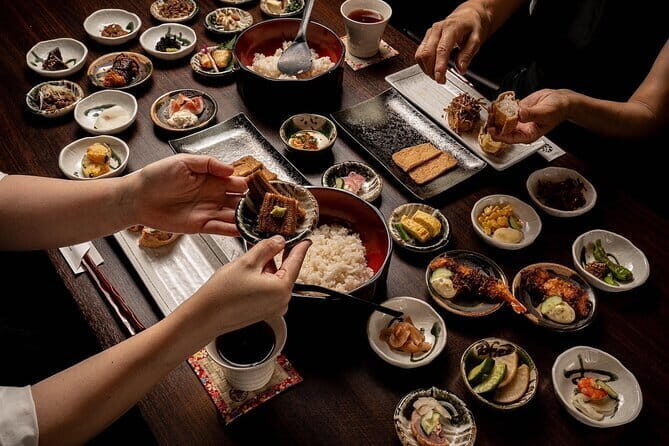
- Creative Inari Sushi: more challenging than nigiri, and you choose from multiple ingredient options to shape your own version.
- Small group size: capped at 10 travelers, so you’re not lost in a crowd.
- Tofu-focused start: the session begins with a tofu-making process, then moves into assembling inari.
- More than sushi: red miso soup or vegetable soup, plus tofu, coffee, and dessert are included.
- Vegetarian options available: if you don’t eat meat, you can still join without missing the core experience.
Toyokawa Inari at Matsuya: a hands-on meal that feels like local food craft
Toyokawa in Aichi isn’t just about sightseeing landmarks. This experience puts you in the workshop side of the food world—where technique matters more than presentation. You’ll be supervised by the chefs from Matsuya, a Japanese restaurant with 188 years of history, which matters because it changes the vibe from a cooking demo into real instruction.
What I like about this setup for you is how straightforward it is: you spend your time making, not watching. And because the class is small, staff can slow down if you have questions and can help you correct tiny issues before they become big ones—like how you assemble or portion what you’re working with.
The place is MatsuyaJapan in Toyokawa, and the experience starts and ends there. The session uses a mobile ticket, and the meeting area is described as near public transportation, which is a nice convenience if you’re doing this day alongside other Aichi stops.
You can also read our reviews of more tours and experiences in Aichi Prefecture.


The ingredient choices that make it feel personal
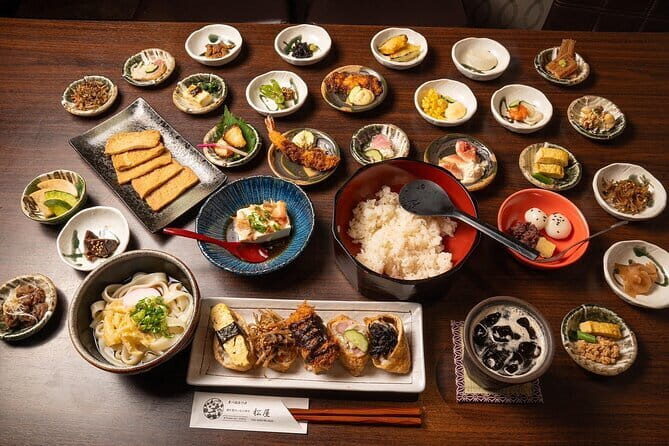
The class centers on Toyokawa’s famous inari sushi, and the format is called Creative Inari Sushi. That’s not just marketing language. You’ll select from a variety of ingredient options—there are more than 11 ingredients—so your final plate reflects what you chose, not just what the chef wants you to copy.
Inari sushi is a dish where small changes can shift the balance. In this class, your ingredient choices are effectively your flavor controls: what you add, how you pair, and how you finish the assembly. You’ll get a deeper appreciation of why Japanese cooking has so many ingredient-specific steps, because you’ll feel how the process responds to what you select.
And the fact that you’re working with multiple ingredients in one session also makes it a good “starter class” even if you’ve cooked before. You’re not required to be a chef. You’re required to be attentive, follow the flow, and make decisions—then enjoy the results.
A 60-minute flow: from tofu steps to your inari assembly
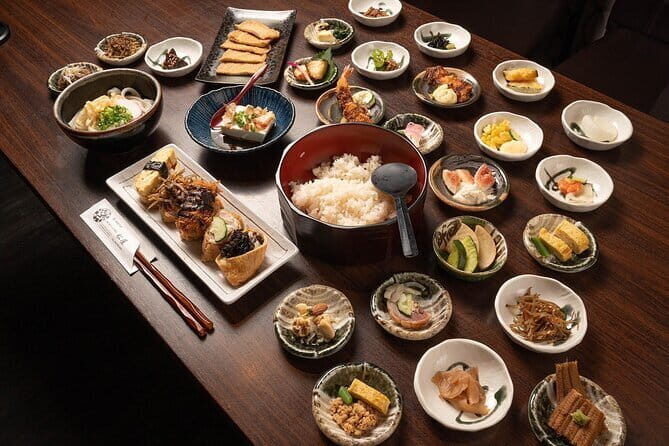
The experience is about 1 hour, and it’s built to keep you moving. A hands-on food class like this succeeds or fails on pacing, and here the structure is simple: you begin with a tofu-related step, then you shift into inari assembly and finishing.
You should expect instruction at each stage. You’re supervised by the restaurant’s chefs, and the staff explanations are described as clear, with background context about the process—not just directions like Do this, now that. In practice, that means you’ll understand what you’re doing and why it matters, which is what helps the food stick in your memory after the meal is gone.
Here’s a realistic way to think about the timeline:
- You start with a tofu-making process. This gives you a foundation for the main inari component.
- After that, the staff explains how inari sushi is assembled, including what you’re building and how the pieces fit together.
- You then work through the assembly yourself, making your own creative choices from the ingredient options.
- You finish by eating what you made as part of the included meal.
One more thing: this is described as more challenging than making nigiri sushi. That doesn’t mean it’s impossible. It means you should arrive ready to concentrate for a full hour and accept that hands-on cooking can get tricky when it’s new. If you’ve ever struggled assembling dumplings or sushi rolls, you’ll probably recognize the feeling here—then enjoy how much better your second attempt gets once you see the technique.
What’s included beyond your inari sushi plate
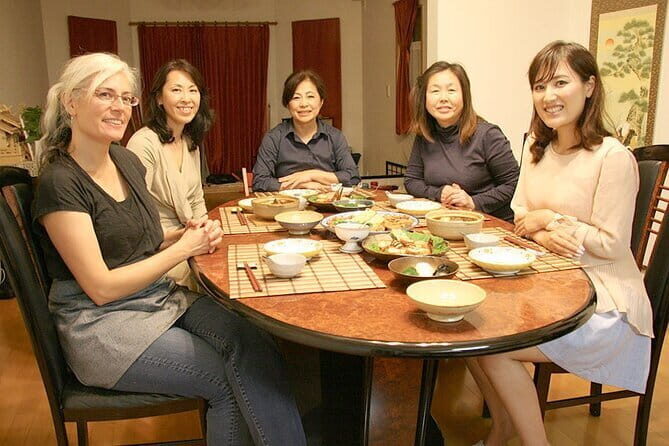
Your meal isn’t just your finished inari sushi. You’ll also get red miso soup or vegetable soup, plus tofu, coffee, and dessert. That’s a big part of the value because it turns the experience into a full, satisfying stop—not a snack-sized lesson.
The soup choice matters. If you’re sensitive to tastes or want something lighter, having vegetable soup as an option is helpful. And since tofu is included both in the process and in the meal, you’ll get to experience the food in multiple forms: the technique side and the eating side.
Coffee and dessert add a comforting ending. A cooking session can feel intense, but finishing with something sweet and a warm drink is a good reset. It also keeps the pace from feeling like school—more like a structured meal you learn by doing.
One practical angle for you: because everything is included, you don’t need to make micro-decisions on food at the restaurant. You’re already covered for the core meal components and the sweet finish.
Price and value: is $30.75 for an hour worth it?
At $30.75 per person, this class sits in a mid-range zone for Japanese food experiences. The key question isn’t whether you can find something cheaper. It’s whether you’re paying for real instruction and a meal that would cost money anyway.
Here’s what you get for that price, based on the provided inclusions:
- the experience fee and meal cost
- tea (1 cup)
- soup: red miso soup or vegetable soup
- tofu
- coffee and dessert
On top of that, the class size is limited to up to 10 travelers, which can make a visible difference in how much help you receive. A larger class sometimes means you watch more and do less. Here, the whole point is that you assemble your own inari sushi while staff guide you.
The other value factor is the type of cooking. Inari is not the simplest Japanese sushi format. Because it’s more challenging than nigiri, you’re learning technique, not just following a quick assembly. That’s the kind of skill you can actually use again at home (even if you tweak ingredients).
My bottom-line take: if you want a hands-on Japanese meal experience in Aichi rather than a sit-down show, this price looks fair—especially with the included soup, coffee, dessert, and tea.


Who this suits (and who might want a simpler class)
This experience is a great fit if you:
- want hands-on instruction and clear explanations
- like Japanese food enough to care about process, not just flavor
- enjoy the idea of choosing from 11+ ingredients to make something your way
- prefer small-group settings (max 10)
It’s also described as vegetarian-friendly, which is a practical win if your dietary needs narrow your options. You’ll want to confirm how the vegetarian option is handled when you book, but the key point is that vegetarian participation is supported.
You might consider a different style of cooking class if you:
- get stressed by tasks that are described as more challenging than nigiri
- only want a quick tasting rather than a full 60-minute workshop
- prefer an experience with lots of free time for exploring the restaurant area (this one is focused on the session)
Practical tips so you enjoy the session more
A short cooking class can feel smooth if you’re prepared. A few practical ideas will help you get the most from it:
Wear comfortable clothes. You’ll be working with ingredients and assembling inari sushi, so prioritize ease over fashion.
Bring a curious mindset. The staff explanations include background context about the process, and asking questions is encouraged by the way the session is run.
Take your time with your assembly. The experience is hands-on, but you’ll get better results if you don’t rush the steps you’ve just learned.
Also, plan your day around where you’ll start and finish. The activity begins at MatsuyaJapan (442-0037 愛知県豊川市門前町5) and ends back at the same meeting point. That makes it easy to chain with other nearby plans in Toyokawa.
If you’re booking ahead: the average booking window is about 9 days in advance, so don’t wait until the last minute, especially around busy travel periods. You’ll receive confirmation within 48 hours of booking, subject to availability.
Should you book the Inari sushi making experience in Toyokawa?
If your travel style is food-first and you want to leave with a skill—not just a photo—then yes, you should book it. This class is built around you making Creative Inari Sushi yourself, with a restaurant team that takes time to explain what’s happening. The small group size supports real guidance, and the included meal (soup, tofu, coffee, dessert) makes it feel like a complete Japanese dining experience.
Skip it only if you’re looking for an effortless, low-attention activity. Because inari assembly is described as more challenging than nigiri, you’ll enjoy it most if you’re willing to focus for the full hour.
In short: it’s a solid use of your time in Aichi if you care about Japanese cooking technique and want a warm, sit-and-share meal right after you make it.
FAQ
How long is the inari sushi making experience in Toyokawa?
It lasts about 1 hour.
Where does the experience meet and end?
The meeting point is MatsuyaJapan, 442-0037 愛知県豊川市門前町5, and the activity ends back at the same location.
How much does it cost?
The price is $30.75 per person.
What is included in the experience?
Inclusions include the experience fee, meal cost, and tea (1 cup). The meal includes red miso soup or vegetable soup, tofu, coffee, and dessert.
Are vegetarian options available?
Yes, vegetarian-friendly options are available.
Is there a mobile ticket?
Yes, you’ll receive a mobile ticket.
What is the group size limit?
The maximum number of travelers is 10.