REVIEW · JAPAN
Gifu: Sekigahara Samurai Battlefields & Museum Guided Tour
Book on GetYourGuide →Operated by DeepExperience, Inc. · Bookable on GetYourGuide
Steel and strategy still live here. The Battle of Sekigahara is the kind of conflict that shaped Japan fast, and this tour helps you see it with your feet on the ground and a guide explaining what mattered. You start in the renovated memorial museum for an accessible overview, then move out to the battlefield remains, including the chance to stand right in the action area.
I especially like the way the English-speaking guides bring clarity to a battle that can feel like a blur from only textbooks. Hearing how guides like Hero and Roy explain the historical context makes the people behind the war feel real, not just names in a timeline. I also like the museum setup for foreign visitors—made easier to follow, which helps you actually connect the exhibits to what you’ll see outside.
One thing to plan for: this is mostly an outdoor walk on uneven ground, so you’ll want comfortable shoes, and it isn’t suitable for wheelchair users or people with mobility impairments. If the weather is rough, dress for it and keep expectations realistic for a battlefield site.
In This Review
- Key things I’d bet you’ll care about
- Sekigahara in plain terms: why this battlefield still matters
- Museum first: a renovated start that helps you connect the dots
- Walking the samurai camps: defensive works you can actually picture
- What the guide adds: context, personalities, and clear English
- Time on the ground: 270 minutes and the pacing that keeps it enjoyable
- Price and value: is $135 worth it?
- What to bring (and what can ruin your day)
- Who should book this tour, and who should skip it
- The bottom line: should you book the Gifu Sekigahara guided tour?
- FAQ
- What’s the duration of the tour?
- Where does the tour start?
- What’s included in the price?
- Is food or drink included?
- How long do you spend at the museum?
- How long is the battlefield walk?
- What language is the tour guide?
- Is the tour suitable for wheelchair users or people with mobility impairments?
- Are there any important items I should bring?
Key things I’d bet you’ll care about
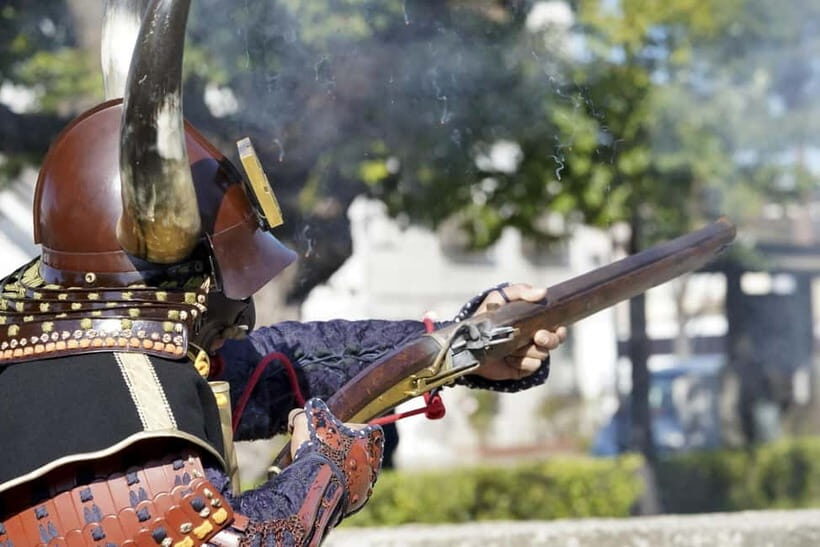
- Renovated museum that’s easier for foreign visitors to understand before you walk the site
- English (and Japanese) guide who explains not just events, but the why
- Samurai camp remains with reconstructed defensive features you can relate to the battle
- Stand in the middle of the battlefield area for a stronger sense of scale and position
- Well-paced private group that leaves room for questions
- No food included, so plan a snack/drink stop on your own
Sekigahara in plain terms: why this battlefield still matters
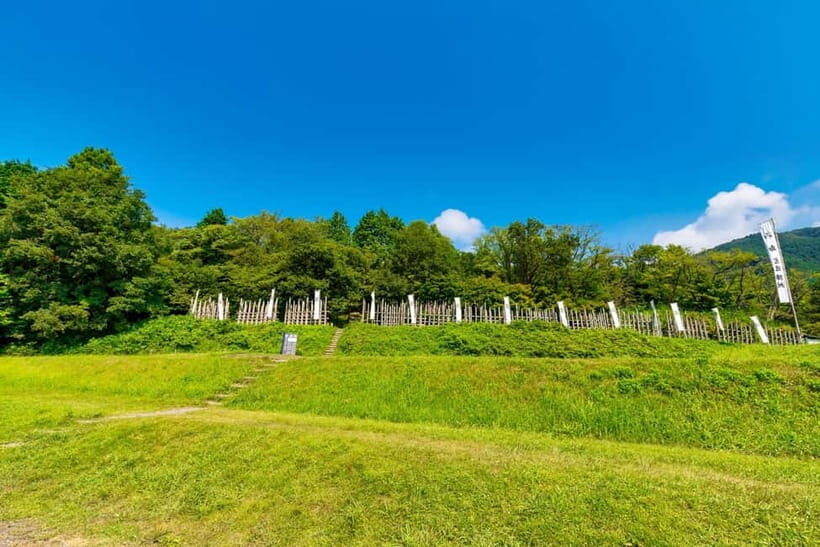
The Battle of Sekigahara is often described as the largest battle in Japan’s medieval period, and that label isn’t just marketing. When you understand the stakes—power, alliances, and timing—you start to see why people obsessed over strategy and positioning, not just bravery.
What makes this tour useful is that it treats the battle like a chain of decisions. You don’t just hear what happened. You get help tracking how the situation built, what each side was trying to accomplish, and how the outcome shaped what came next.
If you’re a history fan, you’ll likely appreciate the directness. If you’re new to samurai stories, you’ll like that the guide builds the background first, then ties it back to what you can physically locate on the battlefield.
You can also read our reviews of more tours and experiences in Japan.


Museum first: a renovated start that helps you connect the dots
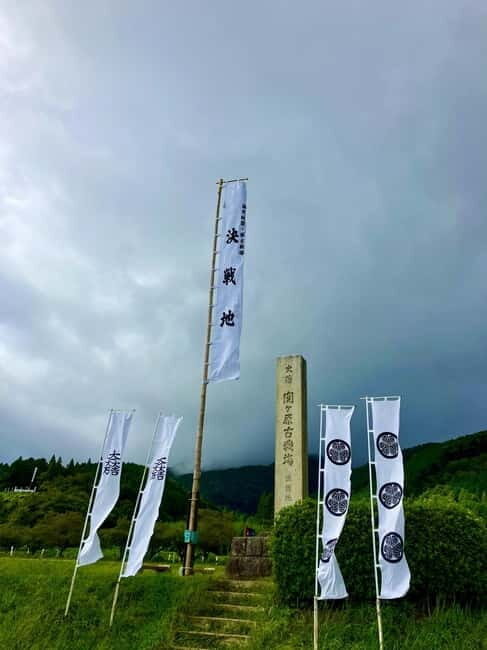
The visit to the Sekigahara Battlefield Memorial Museum is a smart opener because it gives your brain the map before you walk the terrain. The museum has been renovated to make it easier for foreign visitors to understand, which matters if you’re trying to follow complex events without getting lost in translation.
In the museum, expect an overview of the conflict and key personalities, plus explanations that help you visualize the flow of the war. This is where the guide’s role becomes extra important. A good guide turns walls of information into a clear story, and that’s what you want before you step outside.
One more practical benefit: museum time lets you regroup. Even if you’re excited, you’ll be grateful for a warm indoor start when you’re about to do a longer walking segment outdoors.
Walking the samurai camps: defensive works you can actually picture
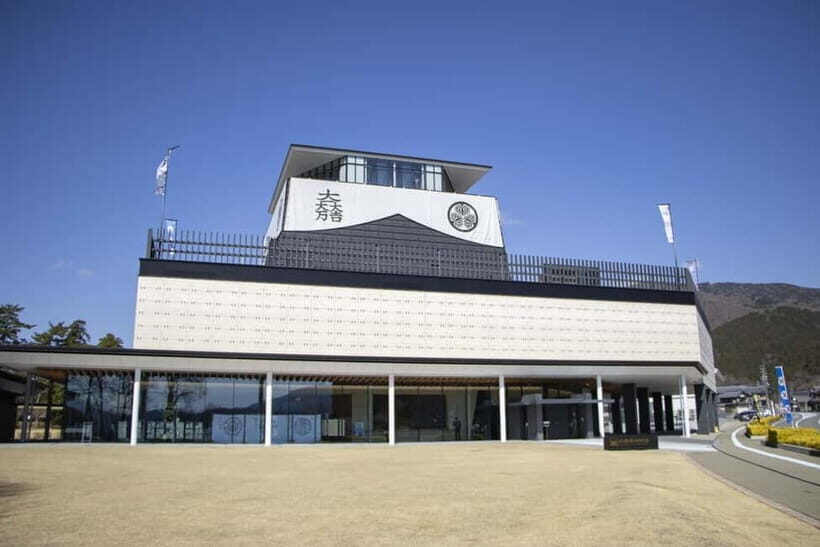
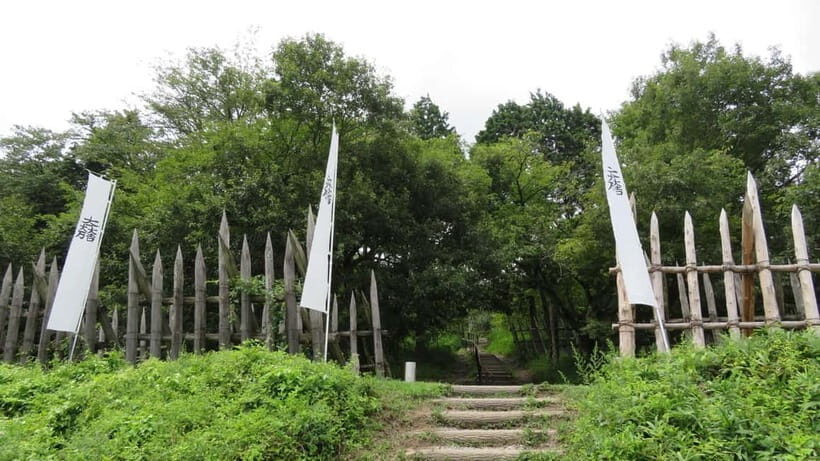
After the museum, the tour moves into the battlefield area, where you explore the remains tied to samurai camps. This is not a theme park, but you also won’t be left staring at grass and wondering what you’re supposed to notice.
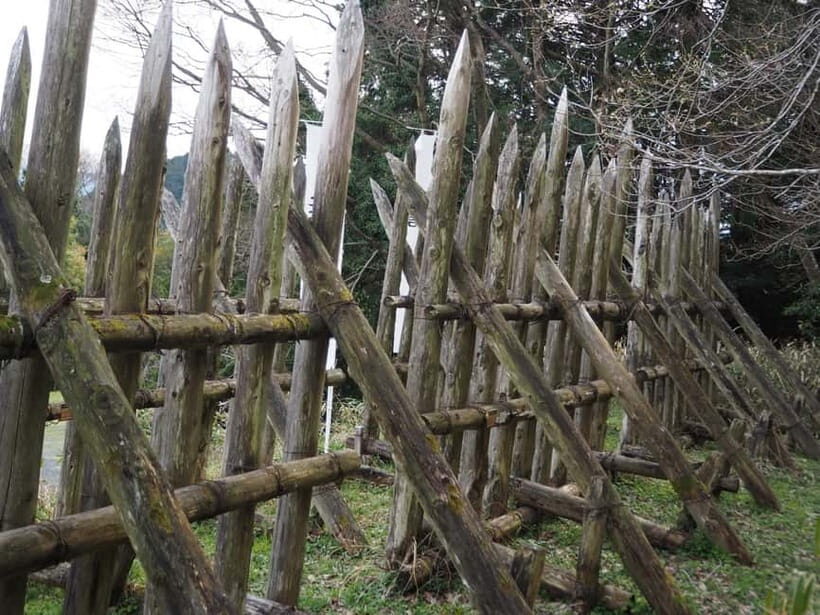
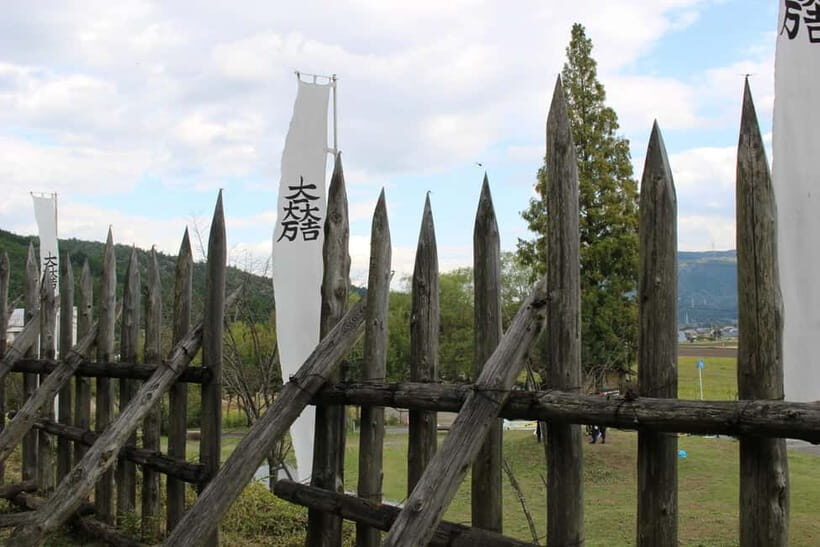
At each camp site, you’ll see reconstructed defensive facilities designed to show how warriors fortified positions. That reconstruction matters because it teaches you to read the landscape. When you understand defensive lines, sightlines, and how positions were chosen, the battlefield stops looking like an open field and starts looking like a tactical board.
Your guide also connects these features to the strategies used during the battle. That’s the difference between a casual walk and a meaningful one. You’ll walk away thinking in terms of cause and effect: where forces could hold, where pressure could be applied, and why certain choices mattered.
And yes, you get the strong moment of standing right in the middle of the battlefield area. It’s a simple thing, but it changes your sense of scale quickly. Suddenly the battle feels less like a story you read and more like a place people fought over.
What the guide adds: context, personalities, and clear English
The standout factor here is how much the guide shapes your understanding. In the examples from recent tours, guides like Hero and Roy are praised for excellent English, strong organization, and the ability to answer questions patiently.
Roy’s approach, for instance, is described as highly organized and supported by visuals (including a flip folder with graphics). That kind of structure helps you hold onto details like names, roles, and turning points without getting overwhelmed.
Hero is singled out for making a battle that many people know little about feel alive through solid historical context. That’s exactly what you want on a guided battlefield tour: someone who can explain the bigger picture without drowning you in information.
If you’re interested in Tokugawa Ieyasu or you like digging into the personalities behind major decisions, this tour is set up to support that. A skilled guide fills in gaps—especially when you already know the broad outlines and want the details that connect the events to the people.
Time on the ground: 270 minutes and the pacing that keeps it enjoyable
The tour clocks in at about 270 minutes. In practice, that breaks down into a museum segment of about 1.5 hours, then a battlefield walk of about 2 hours with guiding throughout.
That pacing is useful because it avoids the common problem of doing everything too fast. You get enough time in the museum to get oriented, then enough time outside to actually notice features and understand why they’re significant.
Because it’s a private group, the pace can feel more human than a crowded group tour. You’re not just following a line of people. You can ask questions and get answers without feeling rushed.
Still, keep expectations aligned with the setting. This is a battlefield site, so you’re walking outdoors for a solid stretch. Plan for comfort more than speed.
Price and value: is $135 worth it?
At $135 per person, this tour is priced like a guided experience, not a cheap self-guided museum visit. Whether it feels like a good deal comes down to how much you value context and on-site interpretation.
Here’s the value equation that matters:
- You’re paying for a local guide (the real difference-maker)
- You get museum entrance
- You get a guided battlefield tour with explanations tied to what you’re seeing
What’s not included is food and drinks. That means you should budget for a snack or hydration stop on your own before or after.
If your goal is just to see the museum and take pictures, you might find a cheaper way to do it. But if you want to understand the battle’s flow—causes, decisions, and outcomes—and connect it to the ground you’re standing on, then the guide time plus admission makes the price more sensible.
In other words: this isn’t about paying for views. It’s about paying for understanding.
What to bring (and what can ruin your day)
This is one of those tours where simple prep helps a lot. Bring comfortable shoes—you’ll be walking through a historical outdoor space, and that’s not the time for stylish but unforgiving footwear.
Add a camera if you like photos, but think of it as a tool for memory, not the main event. The guide’s explanations are the point, and you’ll get more from the experience if you pause to look first and shoot second.
Weather matters. Dress in weather-appropriate clothing and plan for changing conditions. A battlefield tour doesn’t offer the same shelter options you’d get in a city museum all day.
And keep one rule in mind: no smoking. It’s a standard site guideline, but it’s worth remembering so you’re not surprised.
Who should book this tour, and who should skip it
This tour suits you best if:
- You like Japanese history and want the Battle of Sekigahara explained clearly
- You’re the type who enjoys walking tours that teach you how to read a place
- You want an English-guided experience that makes the museum content easier to follow
It may not suit you if:
- You have mobility limitations. The tour is not suitable for people with mobility impairments or wheelchair users.
- Long outdoor walking is a challenge for you.
- You’re not interested in guided history. If you prefer self-guided sightseeing, you may find it less satisfying.
Also, because food and drinks aren’t included, it’s worth planning your timing so you don’t end up hungry halfway through. A quick snack strategy before the tour can make it feel far more relaxed.
The bottom line: should you book the Gifu Sekigahara guided tour?
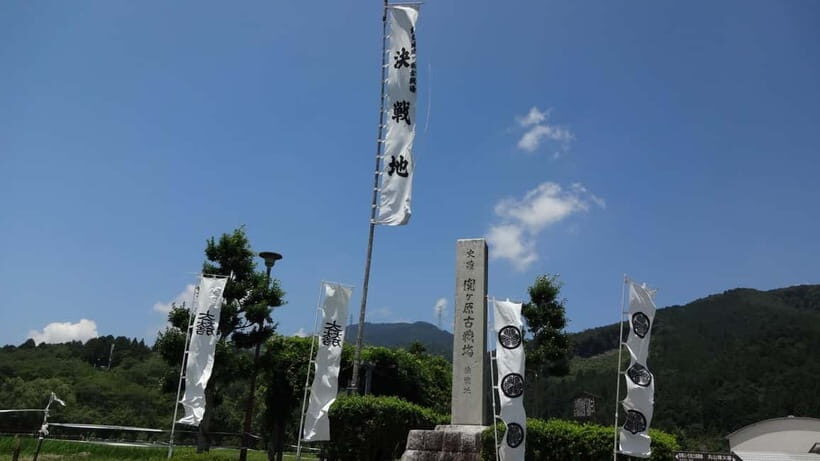
I think you should book this tour if your priority is understanding the Battle of Sekigahara with a guide who can explain the timeline and the motivations behind the conflict. The museum-first approach helps you follow what you’re seeing outside, and the battlefield walking adds that rare “I get it now” feeling when the geography connects to the strategy.
Skip it (or reconsider) if outdoor walking will be tough for you or if you only want casual sightseeing. This works best when you’re ready to pay attention.
If you’re torn, here’s my quick decision checklist:
- You want guidance more than just photos
- You’ll be comfortable walking outdoors
- You value clear explanations in English (or Japanese)
If those are true, this tour is likely a strong use of your time in Gifu.
FAQ
What’s the duration of the tour?
The tour lasts about 270 minutes (about 4.5 hours total).
Where does the tour start?
The meeting point can vary depending on the option you book, with starting locations including 関ヶ原駅.
What’s included in the price?
The price includes a local guide, museum entrance, and the battlefield tour.
Is food or drink included?
No. Food and drinks are not included.
How long do you spend at the museum?
You’ll spend about 1.5 hours at the Gifu Sekigahara Battlefield Memorial Museum on the guided portion.
How long is the battlefield walk?
The battlefield guided tour portion is about 2 hours.
What language is the tour guide?
The live tour guide offers English and Japanese.
Is the tour suitable for wheelchair users or people with mobility impairments?
No. It is not suitable for wheelchair users or people with mobility impairments.
Are there any important items I should bring?
Bring comfortable shoes, a camera if you want photos, and weather-appropriate clothing.