REVIEW · FUJI
Walk the Ancient Pilgrim Paths of Mt. Fuji – Private Tour
Book on Viator →Operated by Yuki(ゆうき) · Bookable on Viator
Quiet steps on sacred Fuji. This private walk near Kawaguchiko trades summit crowds for the calm rhythm of pilgrimage. You’ll visit Mt. Fuji’s 5th Station, then hike a 2.5 km section of the historic Ochudo Trail with an English-speaking local guide named Yuki who explains the mountain’s culture and sacred past.
I especially like two things about this experience. First, Yuki’s storytelling style makes the places feel real, not like a checklist, and the pace stays comfortable for the group. Second, the walking itself is very doable: the trail section is mostly flat with gentle slopes, so you get Fuji views and fresh mountain air without needing summit-climb stamina.
One drawback to plan for: lunch at the mountain hut is Japanese food only and it isn’t vegetarian-friendly. It’s also an extra cost (about 1,000–3,000 yen per person) and you’ll want some cash on hand.
In This Review
- Key points if you’re deciding
- A quieter Mt. Fuji day: 5th Station views plus a real pilgrim path
- The Kawaguchiko start: easy “Fuji + lake” time
- Mt. Fuji 5th Station: what you’re really seeing here
- Fuji Subaru Line: your rest-and-ride segment with route context
- Okuniwa Nature Park / Okuniwaso: the hut lunch break that keeps things human
- The Ochudo Trail section: 2.5 km of pilgrimage, not a summit mission
- Gear and pacing: how the tour keeps the walk comfortable
- Weather matters more on Fuji than you expect
- Price and value: what you’re paying for at $143.34 per person
- Who this tour suits best
- Should you book this private walk on the Ochudo Trail?
- FAQ
- Is pickup offered for this private Mt. Fuji tour?
- What hike distance do I need to handle?
- What walking level is expected?
- What rental gear is included?
- Is lunch included in the price?
- What if I’m vegetarian?
- When does the tour run?
- What happens if the weather is bad?
- Is insurance included?
Key points if you’re deciding
- An English-speaking guide named Yuki who adjusts the day when weather changes, and explains the meaning behind what you’re seeing
- 2.5 km on the Ochudo Trail: a pilgrimage route experience without committing to a full summit climb
- Comfort-focused gear included: hiking shoes, rain wear, and trekking sticks (mostly adult sizes)
- Mt. Fuji 5th Station + Komitake Shrine area: spiritual history in a developed part of the mountain
- Lunch stop at Okuniwaso mountain hut: traditional tempura/udon/soba type options for an easy midday break
- Private transportation from the Kawaguchiko area (pickup offered), with vehicle entrance fee included
A quieter Mt. Fuji day: 5th Station views plus a real pilgrim path
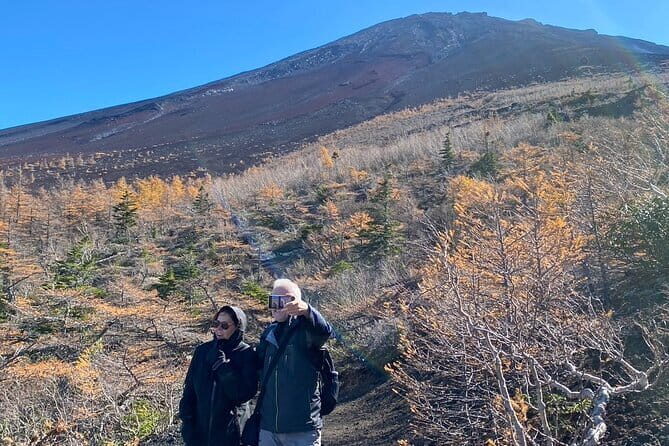
Most Mt. Fuji days are built around one goal: get as high as you can. This one does the opposite. You start by settling into the 5th Station area—where the mountain feels big and important, but you’re not stuck in the full “summit rush” mindset. Then you walk a meaningful stretch of the Ochudo Trail, once used by pilgrims for spiritual journeys.
The result is a calmer kind of travel. You’re not just taking photos at scenic stops. You’re learning how people historically moved through this sacred landscape, and you’re walking long enough to notice the small stuff: air that feels cleaner, the steadiness of the path, and the way the mountain atmosphere changes as you go.
You can also read our reviews of more tours and experiences in Fuji.
The Kawaguchiko start: easy “Fuji + lake” time
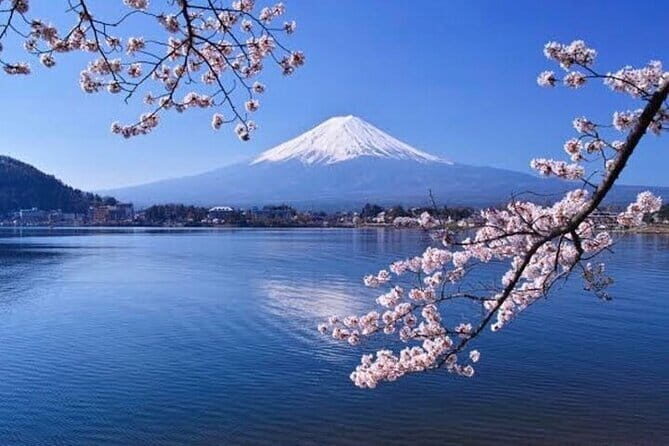
Your day begins around Lake Kawaguchiko. This is where many visitors go for the classic combination: water, town, and Mt. Fuji in the same frame. The tour is built around that idea, and on sunny days you can usually enjoy better visibility.
This first stop is short—about 30 minutes—so treat it like a focused window, not a full photo safari. If you care about getting a clean shot, I’d show up ready to walk a little around the area. Even with a quick stop, this is a good chance to calibrate your expectations for the rest of the day: will Fuji be crisp and clear, or more shrouded?
Mt. Fuji 5th Station: what you’re really seeing here
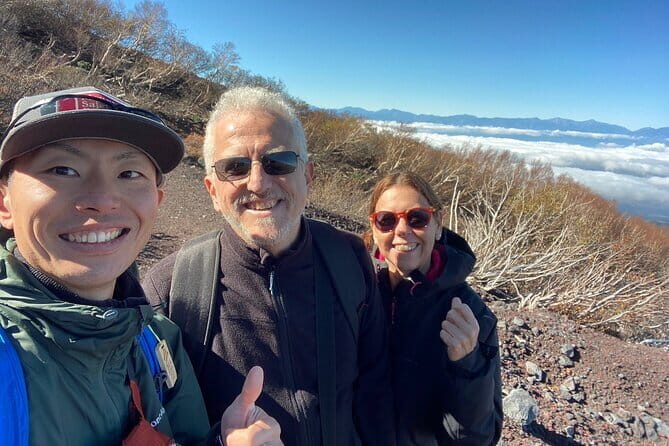
Next up is the Mt. Fuji 5th Station, the most developed of the four 5th stations. Even if you’re not climbing all the way, this area matters. It’s where the mountain becomes a destination with infrastructure—shrines, pathways, and the gateway feeling that pilgrims would recognize.
A key highlight is the presence of Komitake Shrine, an ancient shrine in the station area. You’ll also learn how this space fits into the pilgrimage tradition, not just the hiking tradition. That difference is worth something. It’s easy to think of the mountain as a viewpoint. Here, you see it as a place with rituals and meaning.
After about 30 minutes, you transition toward the trail portion. If you’re hoping for lots of time to browse shops, this isn’t that kind of tour. It’s about setting you up for the walking experience that follows.
Fuji Subaru Line: your rest-and-ride segment with route context
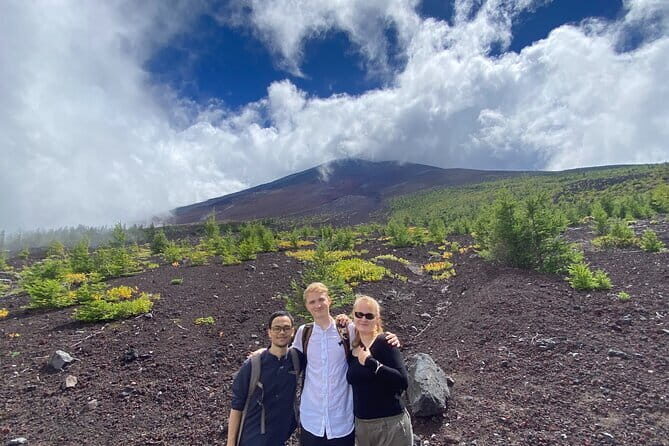
You’ll spend time on the Fuji Subaru Line, essentially the main approach road for getting to the 5th Station area. The tour uses this in two segments—one on the way to the hiking area and one again after lunch—so you can think of it as two “transport breaths” during the day.
What I like about this structure is practical: you get driving time without it eating your whole trip. At the same time, the road segment gives context. You’re not arriving at the mountain feeling like it popped out of nowhere—you understand how people reach this high starting point before the pilgrimage steps begin.
Okuniwa Nature Park / Okuniwaso: the hut lunch break that keeps things human
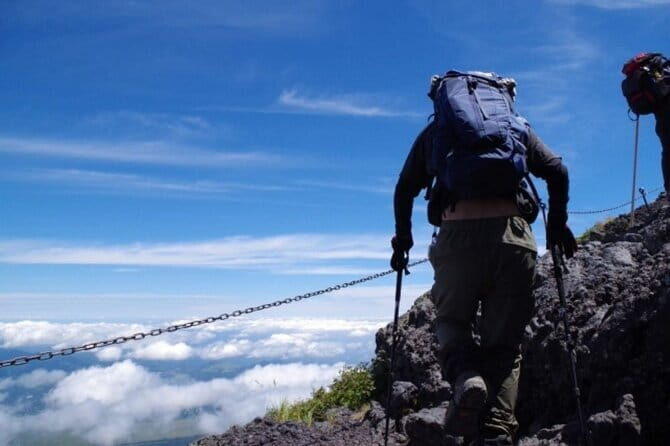
Lunch happens at Okuniwaso (described as part of Okuniwa Nature Park), a mountain hut with a traditional atmosphere. This is one of those simple decisions that makes the tour feel more like a day on the mountain and less like a bus-and-sightseeing circuit.
The meal itself is Japanese food—think tempura, udon, and soba types of dishes. It’s also important to plan for food restrictions: lunch menus are only Japanese food and not vegetarian-friendly. Also, lunch costs extra (about 1,000–3,000 yen per person), and you’ll want to bring cash.
If you’re eating vegetarian or have dietary restrictions, I’d handle it by either eating beforehand or having a clear plan with the meal choices available there. The tour doesn’t present lunch as flexible.
The Ochudo Trail section: 2.5 km of pilgrimage, not a summit mission
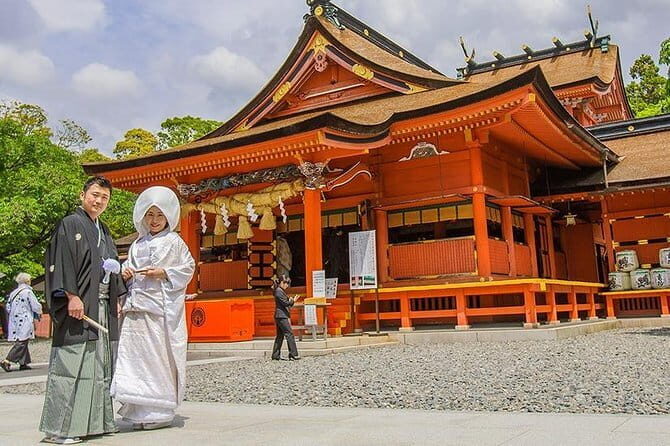
Now for the heart of the day: the Ochudo Trail walk. You’re hiking about 2.5 km (1.6 miles), and the terrain is mostly flat with gentle slopes. That’s a big deal for value. You still get the emotional payoff of being on a historic route, without the full-day commitment and altitude grind of summiting Mt. Fuji.
There’s also a fascinating historical note. In the past, only people who had climbed Mt. Fuji more than three times were allowed to walk this pilgrimage section. Today, only this shorter segment is open, partly because of safety—so you still get the pilgrimage experience, just adjusted for modern conditions.
Because the hike is relatively easy, the guide’s role matters more than usual. Yuki doesn’t just point at scenery. He shares the sacred background of the route and explains what pilgrims were seeking when they walked. That’s where the walk becomes more than exercise.
If you like guided walking tours where you learn as you go, this is the kind of experience you’ll remember. If you’re mainly chasing cardio intensity or summit bragging rights, you might find it too gentle. It’s designed for meaning and manageable movement.
Gear and pacing: how the tour keeps the walk comfortable
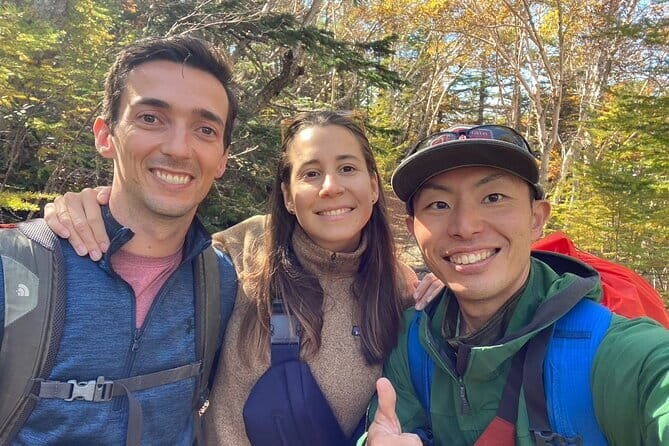
This tour includes free rental equipment, which is a big practical win if you’re traveling light. You can get hiking shoes, rain wear, and trekking sticks. The guide will fit you for what you need so you’re not guessing at shoe comfort at high altitude or walking on the wrong soles.
A small detail to keep in mind: the rain wear is mainly for adults. If you need kids’ sizes or specialized gear, you might want to confirm availability ahead of time.
Pacing is another quiet strength here. The walk time is set for a 5–6 hour overall experience, so you’re not sprinting between stops. In the mountain environment, even a moderate pace feels better than rushing. Yuki’s approach focuses on keeping you moving steadily and adjusting when weather requires a change.
Weather matters more on Fuji than you expect
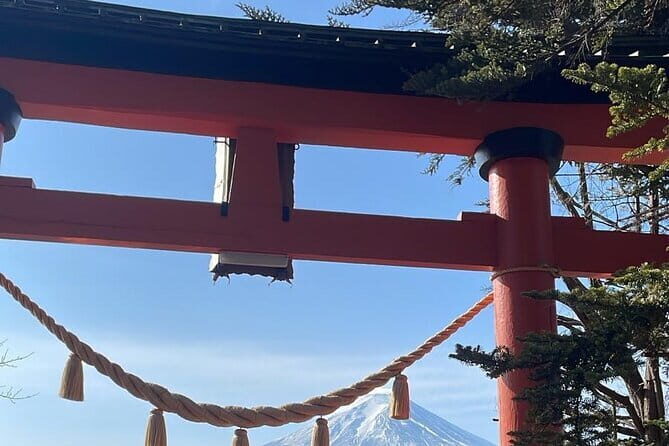
Mt. Fuji days are weather-dependent, and this tour treats that seriously. It’s scheduled for the May to December season, and conditions can change quickly around 5th Station and the trail.
The smart part: your guide can provide alternative solutions if the conditions shift. That kind of flexibility matters because it protects your time on the mountain. You’re not just hoping for clear skies—you’re being guided with a plan for when visibility, wind, or comfort changes.
So, pack for the reality of mountain weather. Even in warmer months, you can feel the difference in temperature at elevation. Rain wear included is helpful, but bring your own layers mindset too: plan to add or remove clothing as the air shifts.
Price and value: what you’re paying for at $143.34 per person
At $143.34 per person, this is not a budget “grab a ticket and go” day. It’s a private tour with private transportation, a certified local mountain guide (English-speaking), and the included entrance fee of 2100 yen per vehicle.
Here’s where the value comes from. You’re paying for three things that usually cost extra in Japan:
- Guide time focused on the walk and the story behind it (not just narration at stops)
- Private transport that simplifies the day from Kawaguchiko
- Rental gear so you don’t have to buy hiking shoes just for one trip
Lunch is the main extra cost, and it’s not vegetarian-friendly, so factor that in. If you can eat what’s available at Okuniwaso, your total cost becomes easier to budget. If you can’t, you’ll want a plan (like eating before you arrive or bringing backup snacks where appropriate).
Also, the tour requires a minimum of 2 people, and it’s private for your group only. If you’re traveling solo, you may need to pair up with someone or wait for a shared private booking arrangement.
Who this tour suits best
This is a great fit if you:
- want Mt. Fuji culture and sacred history without the summit challenge
- prefer a private guide who can shape the day around conditions
- want manageable walking: 2.5 km with gentle slopes
- don’t want to hassle with buying or borrowing basic hiking gear
You might look elsewhere if you:
- want to reach the summit of Mt. Fuji
- need vegetarian meals, because lunch at Okuniwaso is Japanese food only and not vegetarian-friendly
- can’t handle a cash payment for the lunch stop
Should you book this private walk on the Ochudo Trail?
If your goal is to experience Mt. Fuji in a more peaceful, meaningful way, I’d book it—especially if you’re staying around Kawaguchiko. The combination of the 5th Station area, the historic Ochudo Trail segment, and the hut lunch break makes the day feel like a true guided outing, not a hurried circuit.
The deciding question for me is lunch. If you’re fine eating Japanese food like tempura/udon/soba (or you can plan around dietary needs), this tour offers solid value for a private guided walking day with gear included. If your diet is strict vegetarian, I’d pause and consider how you’d handle the Okuniwaso meal before you commit.
FAQ
Is pickup offered for this private Mt. Fuji tour?
Yes. The tour includes pickup, and it’s designed for people who are already in the Kawaguchiko area or coming there themselves.
What hike distance do I need to handle?
You walk about 2.5 km (1.6 miles) on the historic Ochudo Trail section.
What walking level is expected?
The trail section is described as mostly flat with gentle slopes, suitable for a range of ages and fitness levels.
What rental gear is included?
You get free rental hiking equipment, including hiking shoes, rain wear, and trekking sticks.
Is lunch included in the price?
No. Lunch is not included. You’ll have a lunch break at Okuniwaso, and lunch costs about 1,000–3,000 yen per person, paid on-site (cash requested).
What if I’m vegetarian?
Lunch at Okuniwaso is Japanese food only and is not vegetarian-friendly, so you may need a workaround.
When does the tour run?
The tour is available from May to December.
What happens if the weather is bad?
This experience requires good weather. If it’s canceled due to poor weather, you’ll be offered a different date or a full refund.
Is insurance included?
Insurance is not included.