REVIEW · TOYAKO
Hokkaido│Noboribetsu & Lake Toya Tour with Ropeway Ticket
Book on GetYourGuide →Operated by H.I.S. Co Ltd(TIC) · Bookable on GetYourGuide
One day, three Hokkaido must-sees. This is a Sapporo-based trip that strings together volcanic scenery at Jigokudani and active Showa-shinzan, plus a relaxing break on Lake Toya’s onsen town.
What I like most is how efficient it feels for a one-day schedule and how the day still leaves room to breathe—especially with the foot-bath pause in Toya Onsen Town. You’ll also get a guide who keeps things moving, with transport that scores highly.
One thing to keep in mind: stop times are tight, and if weather turns ugly (it happens in Hokkaido), your last viewpoints can get affected.
In This Review
- Key things you should notice before you go
- A fast, focused route from Sapporo to Lake Toya’s volcanic heart
- First bus ride: how to prep for a long day without a toilet
- Lake Shikotsu: 40 minutes to catch your breath by the water
- Jigokudani (Hell Valley): steam, hot springs, and quick shopping time
- Toya Onsen Town: the foot bath break that makes the whole day work
- Showa-shinzan: crater views and the winter reality
- Usuzan Ropeway and the Bear Ranch option: spectacular views, moral questions
- Usuzan Ropeway
- Bear Ranch
- Silo Observatory and the final Lake Toya viewpoint
- Price and value: where your roughly $61 goes
- Who this tour suits (and who should skip it)
- Should you book the Noboribetsu & Lake Toya day trip?
- FAQ
- What hotel is the meeting point?
- Which days does the Jigokudani and Showa-shinzan plan run?
- What languages are available with the guide?
- What’s included in the standard plan versus the ticketed plan?
- Are ropeway and Bear Ranch tickets included automatically?
- What stops include paid admissions?
- Is lunch included?
- Is there a toilet on the bus?
- What if the weather is bad?
- What are the cancellation rules?
Key things you should notice before you go

- Jigokudani + Showa-shinzan in one day: classic volcanic Hokkaido without complicated transfers
- Lake Toya foot bath in the onsen town: a practical reset after the steamy valley
- Usuzan Ropeway add-on (optional ticket plan): panoramic views and quick access to the top
- Silo Observatory stop: a short photo break aimed at Lake Toya views in winter
- Small-group pacing: guided and timed, with free time windows that still feel real
- Animal-welfare caution if you choose the Bear Ranch add-on (details below)
A fast, focused route from Sapporo to Lake Toya’s volcanic heart

This tour is built for people who want Hokkaido nature and culture in one day, without spending your whole trip planning logistics. You start at the ANA Crowne Plaza Hotel Sapporo and then spend your day bouncing between three core zones: volcanic geothermal sights, Lake Toya’s onsen area, and crater scenery tied to Showa-shinzan.
I like the structure because it’s not just “bus-to-view-to-bus.” You get short guided stops where it matters—then free time where you can decide what you actually want to do. The day is also designed so you don’t have to rent a car to hit major highlights around Sapporo.
The main tradeoff is that the itinerary is packed enough that you can’t linger forever. If you like to wander slowly and take lots of detours, plan to treat this as a highlights day rather than a deep exploration.
You can also read our reviews of more tours and experiences in Toyako.

First bus ride: how to prep for a long day without a toilet

Your meeting point is straightforward: wait in the hotel lobby, and the guide will check your name before you board. Then you’ll be on a coach for stretches of time between stops. Expect travel time that adds up—so bring what you need to stay comfortable.
A big practical note: there’s no toilet on the bus. That’s why the schedule includes short breaks and a roadside rest stop. If you’re the type who gets antsy waiting, it can help to use every planned stop, even if you don’t feel you need it yet.
Also, keep your expectations realistic for group dynamics. There are other passengers, so loud talking isn’t the vibe. And alcohol on the bus is discouraged. I’d pack a small tote with water, tissues, and something warm—especially if you’re going in winter and the day ends in colder air.
Finally, the bus type can vary (from small bus to van depending on conditions), so don’t assume extra legroom or a specific layout.
Lake Shikotsu: 40 minutes to catch your breath by the water

Lake Shikotsu is your first major refresh point. You’ll get about 40 minutes of free time, which is short—but it’s long enough to do the essentials: find a photo angle, walk a bit, and soak in the calm contrast after the bus ride.
This stop works best if you treat it like a reset button. Think: quick walk, quick photos, and then you’re ready for the more intense geothermal area that comes next. If it’s sunny, the water view can be beautiful. If it’s gray, you’ll still get the sense of scale and the quiet mood the lake area is known for.
Since you only have a limited window here, I wouldn’t plan anything elaborate. Come in ready to move, and you’ll feel like the schedule is helping you instead of rushing you.
Jigokudani (Hell Valley): steam, hot springs, and quick shopping time

Jigokudani is where the day shifts from scenic to dramatic. You’ll spend around 20 minutes in the geothermal area, focused on the ravine and the steaming activity.
This is one of those places where a short visit is still worth it. The smells, heat, and textures make it instantly memorable, and you don’t need long hours to understand why it’s famous. You’ll also have a bit of time that can include shopping and sightseeing, so if you want a snack, a small souvenir, or a quick look at the nearby stalls, this is typically your window.
The key is to go with curiosity and a steady pace. In a place like this, the ground-level experience is the point, and the shorter stop helps keep the day from dragging.
Toya Onsen Town: the foot bath break that makes the whole day work

After the volcanic sights, the itinerary sends you to Lake Toya Onsen Town for around 90 minutes. This is not just a buffer—it’s a functional one.
You can enjoy a foot bath using hot spring water. This matters because it turns a long travel day into something more comfortable. Your legs take a beating from standing and walking at geothermal and crater areas, and the warm water break helps you feel human again before the next stop.
One detail: lunch isn’t included. So you’ll want to think of meal timing as part of your planning. If you’re hungry at this point, use the 90 minutes to eat and recharge, not just to browse. It’s a good place for simple comfort food.
Also, there’s mention of a chance to taste local pudding and use a shopping discount coupon at the planned stops. That’s the kind of small perk that makes the day feel more like a guided experience and less like a checklist.
Showa-shinzan: crater views and the winter reality

Showa-shinzan is active volcano territory, and you’ll get time to explore the crater area. Depending on season, the schedule notes about 60 minutes in winter, and the overall plan still allows you a meaningful block to see the views and walk at your own pace.
I like Showa-shinzan because it adds variety. Jigokudani gives you geothermal steam and ravine energy. Showa-shinzan is more about volcanic presence and the way active landscapes change how the horizon feels.
In winter, visibility can be a mixed bag because weather can shift fast. Plan clothing accordingly, and don’t expect every viewpoint to be postcard-clear. If conditions are harsh, go for what you can safely see and enjoy rather than forcing the perfect photo.
If you want maximum flexibility, the standard plan lets you explore freely at Showa-shinzan during your allotted time.
Usuzan Ropeway and the Bear Ranch option: spectacular views, moral questions

Here’s the fork in the road. With the ticketed plan, you’ll get added admissions for the Usuzan Ropeway and the Bear Ranch. If you take the standard plan, you skip those included extras and spend that time freely around Showa-shinzan.
Usuzan Ropeway
Expect a photo stop and scenic views on the way, with about 40 minutes allocated. This is the portion most people associate with “big view energy.” Even with limited time, the ropeway is a fast route to high-impact scenery.
Bear Ranch
This is where you should pay attention to your own boundaries. The bear experience can feel disappointing for some people because it involves bears in enclosures designed for visitor feeding. Several participants described it as sad or disheartening, with bears trained to accept cookies and living in what some felt were poor conditions.
What you might see in practice: a bag of wafer cookies (priced at ¥200) and the basic idea of tossing cookies into an enclosure for bears to catch. If animal welfare is a major factor for you, I’d think hard before choosing the add-on. If you do go, go quietly and with respect, and remember that this is about a managed exhibit, not a wild encounter.
Silo Observatory and the final Lake Toya viewpoint

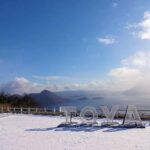
The day ends with a short scenic break at the Silo Observatory overlooking Lake Toya (about 20 minutes). In winter, the description flags that the observatory visit is subject to weather, so it can be a true highlight—or a brief stop you make the best of.
I like this stop because it’s a clean capstone. After craters and steam, you get a wider view—Lake Toya as a setting, not just a backdrop. It’s also a good time for one last set of photos, and it includes shopping time and quick breaks tied to the schedule.
Before heading back to Sapporo, there’s also a brief stop at a roadside rest area (listed as about 10 minutes). This usually helps with stretch breaks—especially since the bus itself has no toilet.
Price and value: where your roughly $61 goes

At about $61 per person, this tour can feel like good value if you like guided efficiency. You’re paying for:
- Day transportation from Sapporo
- An English (and Japanese) live guide
- Admission to Jigokudani and Silo Observatory
- And if you choose the ticketed plan, the Usuzan Ropeway fee and Bear Ranch admission
What’s not included: lunch and personal expenses.
The big question is whether the included sights match your style. If you want a compact “volcano + lake + onsen town” day, this price becomes easier to justify. If you dislike the ropeway/bear add-on, consider the standard plan so you’re not paying for something you’d skip anyway.
Also, transport quality seems solid—high marks are common, with 94% of reviewers giving the top score for transport. That’s not a guarantee of perfection, but it’s a reassuring signal when you’re committing a whole day to a bus schedule.
Who this tour suits (and who should skip it)
This is a great match for you if:
- You want major Hokkaido sights without renting a car
- You like a guide to manage timing so you can focus on viewing and photos
- You’re okay with short stop windows in exchange for covering more in one day
- You want a practical comfort break with the Toya foot bath
You might want to skip or adjust your plan if:
- You really hate rushed pacing and prefer long wandering time
- Weather variability would stress you out (winter can change plans)
- The Bear Ranch add-on conflicts with your animal-welfare standards
If you fall somewhere in the middle—curious but cautious—pick your plan carefully around the ropeway/bear decision. That choice shapes the whole feeling of the day.
Should you book the Noboribetsu & Lake Toya day trip?
If your goal is a one-day introduction to volcanic Hokkaido plus Lake Toya in a way that’s organized and not overly complicated, I’d lean yes. The route is built to give you the essentials: Jigokudani, an onsen-town reset with a foot bath, and a strong end viewpoint at the Silo Observatory.
But go in with two smart expectations: time is tight, and the winter weather card can affect your last stop. If you choose the ticketed plan, also decide up front whether the Bear Ranch experience is something you can accept.
FAQ
What hotel is the meeting point?
You meet at the lobby inside ANA Crowne Plaza Hotel Sapporo, and the guide checks participant names before boarding.
Which days does the Jigokudani and Showa-shinzan plan run?
The plan runs on Tuesdays, Thursdays, and Saturdays.
What languages are available with the guide?
The live guide provides English and Japanese.
What’s included in the standard plan versus the ticketed plan?
The standard plan lets you explore Showa-shinzan freely. The ticketed plan includes admission for the Usuzan Ropeway and the Showa Shinzan Bear Ranch.
Are ropeway and Bear Ranch tickets included automatically?
No. They are included only if you select the with tickets option.
What stops include paid admissions?
Admission is included for Jigokudani and the Silo Observatory. Other paid entries are included only in the ticketed option.
Is lunch included?
No. Lunch is not included (Toya Onsen Town time is provided, but meals aren’t covered).
Is there a toilet on the bus?
No. The bus does not have a toilet, so you’ll need to use scheduled breaks.
What if the weather is bad?
The itinerary may change due to weather and road conditions, and the Silo Observatory visit in winter is subject to weather.
What are the cancellation rules?
You can cancel up to 24 hours in advance for a full refund. Also, if the minimum number of participants (15) isn’t reached 3 days before the date, the tour may be cancelled and you’ll be offered an alternative date or a refund.