REVIEW · KYOTO
Private Guided Historical Sightseeing Tour in Kyoto
Book on Viator →Operated by Konnichiwa-japan · Bookable on Viator
Kyoto in four hours is a sprint, but it works. This private historical tour strings together iconic shrines and temples plus the street-life vibe of Nishiki Market, Pontocho, and Gion, with a guide keeping you moving and oriented.
I love the way the route starts at Fushimi Inari-taisha, letting you take in Mount Inari’s famous shrine setting early in the day. I also like that the tour lists admission tickets included for the shrine/temple stops, so you spend more time sightseeing and less time sorting paperwork.
The main drawback to consider is reliability. The overall rating is only 3.5, and there are multiple no-show reports where communication failed, leaving people stuck waiting. If you book, make sure you can quickly confirm the meeting time and you’re reachable the day before and day of.
In This Review
- Key Highlights
- What You Get in 4 Hours: a Private Kyoto Best-Of Route
- Fushimi Inari-taisha: The Mount Inari Shrine Stop That Sets the Tone
- Kiyomizu-dera’s UNESCO Moment: Making 30 Minutes Matter
- Kennin-ji Temple: Zen Quiet in the Middle of a Busy Day
- Yasaka Shrine: Spiritual Heritage Before the Market Streets
- Nishiki Market: Turn a 30-Minute Walk Into Real Food Sense
- Pontocho Alley by the Kamogawa: River-Side Atmosphere With Time to Wander
- Gion: Geisha Culture at Street Level (Without the Tour-Group Rush)
- Price and Logistics: Is $85 per Person Good Value?
- The One Big Risk: Communication and No-Show Stories
- Who This Tour Suits Best
- Should You Book This Private Kyoto Tour?
- FAQ
- How long is the private guided Kyoto tour?
- Is this tour private?
- Does the tour include admission tickets?
- Is pickup available?
- Do I get a mobile ticket?
- What happens if weather is bad?
- Can I cancel and get a refund?
Key Highlights
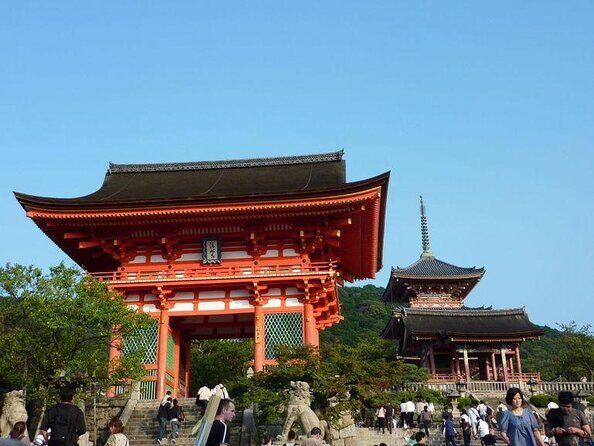
- Fushimi Inari-taisha first: A strong start at the base of Mount Inari, with admission included.
- UNESCO time at Kiyomizu-dera: 30 minutes on-site for one of Kyoto’s most recognized temple experiences.
- Zen stop at Kennin-ji: A quieter contrast inside a busy sightseeing loop.
- Food-focused Nishiki Market: A practical break for snacks and people-watching in Kyoto’s center.
- Gion and Pontocho within reach: You get street-level culture in the same half-day block.
What You Get in 4 Hours: a Private Kyoto Best-Of Route
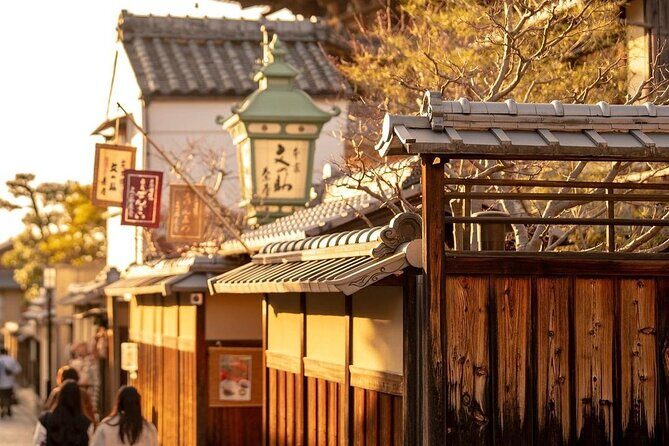
This is a private guided tour, so only your group participates. That matters in Kyoto, where hopping from site to site on your own can turn into a lot of waiting, backtracking, and figuring out where you should be next. You get about 4 hours total, which is short enough that a guide’s routing decisions really count.
The tour includes pickup offered, plus a mobile ticket. If you’re not staying near convenient transit, pickup can reduce the stress of meeting up in a city where directions can feel like a puzzle. The stops are also marked as being near public transportation, which helps if you need a Plan B.
One practical truth: with only half a day, you’re not doing Kyoto at a relaxed pace. You’re doing Kyoto at a “hit the big moments and understand what you’re looking at” pace—and that can be exactly what you want if it’s your first trip.
You can also read our reviews of more guided tours in Kyoto

Fushimi Inari-taisha: The Mount Inari Shrine Stop That Sets the Tone
The tour begins at Fushimi Inari-taisha Shrine, which sits at the base of Mount Inari. This is one of Kyoto’s most recognizable religious landmarks, and starting here helps because it’s easier to understand the rest of the day once you’ve seen a defining Kyoto shrine experience.
You get about 30 minutes, and the tour lists admission included for the stop. That time is usually enough to get oriented, walk a key portion, and notice how the shrine’s details create meaning as you move through the area. If you’re traveling in a group that includes kids, older adults, or anyone who prefers not to rush, 30 minutes is a workable chunk.
The only consideration here is timing and stamina. Inari is a place where walking paths can add up, and the weather matters. The good news: this tour has a weather requirement noted, which usually means your operator isn’t pretending bad conditions won’t affect the experience.
Kiyomizu-dera’s UNESCO Moment: Making 30 Minutes Matter
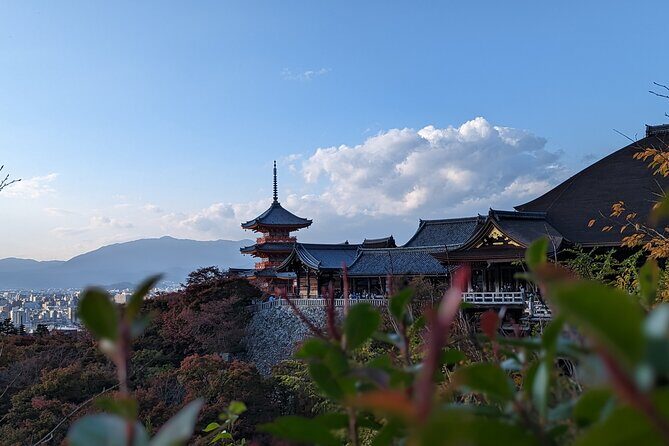
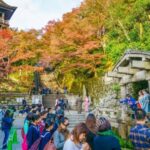
Next up is Kiyomizu-dera Temple, a UNESCO World Heritage site. The tour gives you another 30 minutes, with admission listed as included for the temple stop. For a short tour, Kiyomizu-dera is a smart anchor because it’s both visually dramatic and historically important.
What makes this stop valuable is context. In Kyoto, it’s easy to look at something stunning without knowing what you’re seeing. A good guide helps you connect the site’s layout and legends to why it’s so meaningful, so your photos feel like memories instead of random snapshots.
With only half an hour, I’d recommend you decide in advance what you want most from Kiyomizu-dera: the views from the terrace area, the temple’s defining architecture, or understanding the cultural story behind it. Your guide can usually help you prioritize within the time limit.
Kennin-ji Temple: Zen Quiet in the Middle of a Busy Day
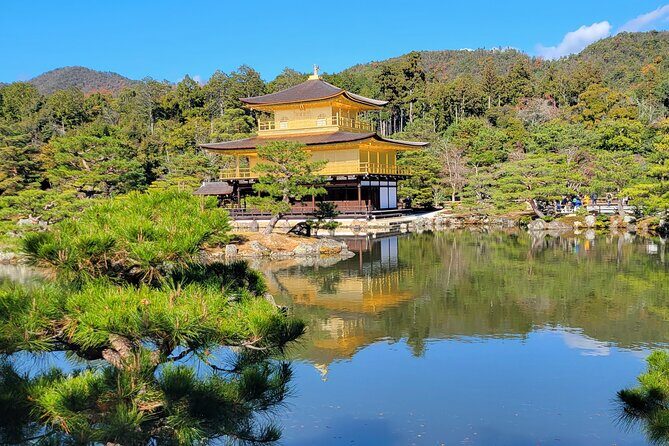
Then you shift to Kennin-ji Temple, described as a Zen Buddhist sanctuary. This is a nice contrast stop. After the energy of major shrine areas, Kennin-ji gives you a calmer, more reflective tone—exactly the kind of variety that keeps a short tour from feeling repetitive.
Again, it’s about 30 minutes, with admission listed as included. This is enough time to slow down, notice the mood, and learn what makes a Zen temple different from the big headline temples in Kyoto. In a well-run tour, your guide uses this part of the route to explain how belief, routine, and aesthetics show up in everyday spaces.
If you’re sensitive to noise or crowds, Kennin-ji is one of those places where being attentive matters more than speed. I’d treat this as your reset stop.
Yasaka Shrine: Spiritual Heritage Before the Market Streets
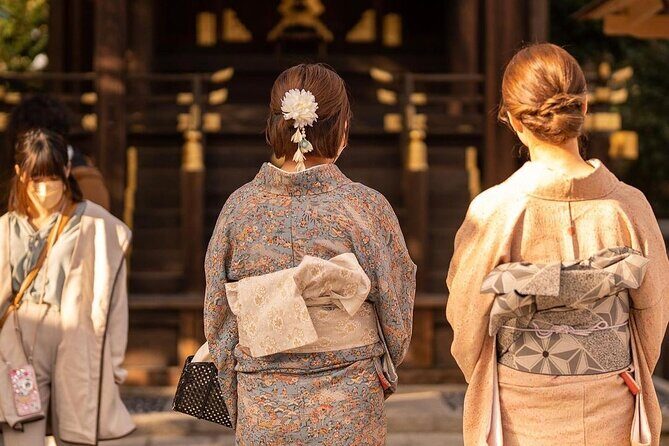
After Kennin-ji, the tour heads to Yasaka Shrine. It’s described as part of Kyoto’s spiritual heritage, and the tour time is 30 minutes, with admission included.
Yasaka Shrine is a good checkpoint in the schedule because it sits in the middle of East Kyoto’s cultural circuit. It helps you transition from temple intensity into the more everyday Kyoto vibe you’ll get later at shopping and river-side areas.
One practical note: because this tour keeps each stop short, you’ll want to ask questions early. If you’re the type who likes to understand Shinto meaning, shrine customs, or how festivals work, a guide is your shortcut. And the best guides on this tour type are the ones who answer clearly without turning it into a lecture.
You can also read our reviews of more private tours in Kyoto


Nishiki Market: Turn a 30-Minute Walk Into Real Food Sense
Next is Nishiki Market Shopping District, which is described as a culinary haven in central Kyoto. You’ll have about 30 minutes here.
This is where the tour becomes useful even if you’re not buying a full meal. Nishiki Market helps you understand Kyoto’s food culture through small stalls, packaged goods, and quick snack culture. It’s a great place to taste something light, grab tea, or pick up a souvenir you’ll actually eat later.
The tour listing shows admission included for the stop, but markets typically aren’t about ticketed entry. What I take from that is the tour is treating Nishiki as a guided experience, not just a walking break. So expect your guide to point out what’s worth your attention and how people use the market day-to-day.
If you have dietary restrictions, tell your guide what you need. Even without specific meal planning stated in the tour details, a good local guide can steer you toward safer, easier options in that kind of environment.
Pontocho Alley by the Kamogawa: River-Side Atmosphere With Time to Wander
Pontocho is one of the most photogenic stretches in Kyoto, and this tour includes Pontocho District for about 1 hour. It’s described as a narrow alley along the Kamogawa River, and that’s exactly what makes it special: the alley creates atmosphere, and the river gives it motion and light.
Compared to the other stops, Pontocho gets the most time. That suggests the operator expects you to slow down a bit here. You can walk the alley, look into restaurant entrances, and just absorb the way the neighborhood feels.
If you want a practical tip: use this hour to reset your feet. Your day has temples, shrine paths, and stairs. Pontocho is your moment to take it easier while still feeling like you’re doing something “Kyoto,” not just passing through.
Gion: Geisha Culture at Street Level (Without the Tour-Group Rush)
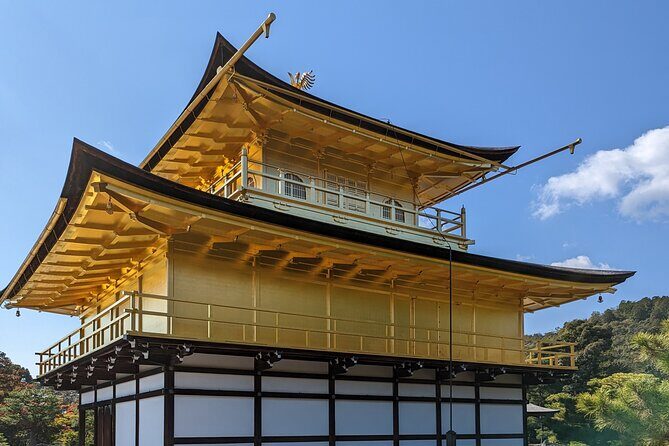
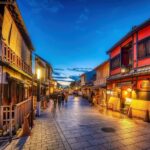
The tour finishes at Gion, the historic district known for geisha culture. You get about 30 minutes, with admission listed as included for the stop on the tour details.
Even with short time, Gion can be powerful because it’s more about street-level cues than big ticket attractions. Your guide helps you read what you’re seeing—architecture, street layout, and how the district has evolved over time.
One key consideration: Gion is famous, which means it’s also busy. In a 4-hour private tour, your guide’s value is in managing the flow so you don’t spend your last minutes standing still behind a crowd. If your guide is good, you’ll leave with a sense of what makes the district distinct, not just a handful of pictures.
Price and Logistics: Is $85 per Person Good Value?
At $85 per person, the value depends on two things: what you’d otherwise spend on entry and how much time you’d burn coordinating on your own.
Here’s what you’re paying for that’s hard to replicate without local help:
- a private guide who can explain what you’re seeing in each major stop
- a route built around classic Kyoto priorities across different neighborhoods
- pickup offered, plus a mobile ticket
- the tour details list admission tickets included for the shrine/temple visits
Even if you don’t buy anything at Nishiki Market, you’re still getting a guided cultural orientation through half a day. That’s good value for first-time visitors who feel like they should be seeing more than just one or two places.
At the same time, I can’t ignore the reliability issue reflected in the tour’s overall rating. No-show reports exist. So part of the “value math” is risk management: the tour may be worth it if you travel flexible and you’re ready to confirm details quickly.
Also, note the tour duration is an approximation. Four hours can feel shorter if you start late, miss the pickup timing, or hit heavy crowds at one of the headline sites. Build in breathing room if you have a later reservation.
The One Big Risk: Communication and No-Show Stories
This is the part I’d tell a friend directly. The rating is 3.5, and there are multiple reports of guides or operators not showing up, with phone numbers not working or messages unanswered. Even though many reviews describe excellent guides, the no-show stories are serious enough that you should plan like the unexpected can happen.
Here’s how I’d protect myself:
- Confirm the meeting point/time clearly the day before, and make sure your contact method works on your phone.
- Keep message access open (if the operator contacts you on WhatsApp or via an app chat, don’t delete the thread).
- If pickup is included, verify what they mean by pickup location and exact timing.
- Have a backup option for reaching the first stop by public transport since the tour is described as near public transportation.
If you’re the type who gets stressed by uncertainty, this is where you decide if you’d rather book a different style of tour. Private tours are personal, and when they work, they’re great. When communication fails, you feel it immediately.
Who This Tour Suits Best
This tour is a good match for you if:
- you have limited time and want a strong Kyoto overview in about 4 hours
- you like learning what you’re seeing, not just ticking off locations
- you’re traveling with a group that benefits from someone adjusting pace and route, especially if you have older members (there are examples of guides adapting for older travelers)
It may not be ideal if:
- you hate tight stop times and would rather spend an hour or two at a single temple
- you require flawless support and rapid fixes if something goes wrong
- you’re booking as a non-flexible “must be there at a specific time” part of your day, since a no-show would wreck plans
Most importantly, this is built for people who want a guided introduction to East Kyoto’s core sights: shrine, temple, market, river alley, and Gion.
Should You Book This Private Kyoto Tour?
I’d book it if you want a first-pass Kyoto plan, you can handle short visits at each stop, and you’re willing to do a quick sanity check on meeting details before day-of. At $85 per person, especially with admission listed as included for the key stops, it can be a solid value when the guide is on their game.
I would not book it blindly. The no-show and hard-to-reach support reports are real enough that you should treat communication as part of your planning. If you can confirm quickly, keep your phone reachable, and you’re not tying the day to one fragile deadline, this tour can be a satisfying way to see major Kyoto highlights in one organized arc.
FAQ
How long is the private guided Kyoto tour?
The tour is listed as about 4 hours.
Is this tour private?
Yes. It’s a private tour/activity, so only your group participates.
Does the tour include admission tickets?
The tour details list admission ticket included for the shrine/temple stops shown in the itinerary.
Is pickup available?
Yes. Pickup offered is included in the tour features.
Do I get a mobile ticket?
Yes. The tour includes a mobile ticket.
What happens if weather is bad?
The experience requires good weather. If it’s canceled due to poor weather, you’ll be offered a different date or a full refund.
Can I cancel and get a refund?
Yes. You can cancel for a full refund if you cancel at least 24 hours in advance of the experience start time.
If you tell me your travel dates and where you’re staying, I can also suggest the best way to structure your day around this route (so you don’t end up rushing or fighting crowds).