REVIEW · KAMAKURA
First time in Kamakura? Enjoy a Tour of All Must-sees!
Book on Viator →Operated by OTOMO Travel Guide · Bookable on Viator
First time in Kamakura can feel like a maze of shrines. This private tour turns it into a smooth, guided loop through the most famous stops, with Komachi Street food time and temple visits that make the day feel complete. I especially like the private guide format: you get direct answers and can ask questions as you walk. The only real catch is simple—entrance fees and meals are not included, and you’ll do a lot of walking.
You’ll start in town and end right back where you began, so you’re not juggling trains between sites all day. I also like that the route mixes different kinds of sights: garden-temple calm, bamboo photo time, a power-spot shrine, and the giant Buddha at Kotoku-in. One consideration: some temples and streets don’t accept credit cards, so bring cash and keep some flexibility if weather changes the route.
In This Review
- Key reasons this Kamakura tour is worth your day
- A one-day route that actually works for first-timers
- Stop by stop: from Jomyo-ji’s matcha garden to Hase-dera’s seasonal flowers
- Stop 1: Jomyo-ji Temple (about 40 minutes)
- Stop 2: Hokoku-ji Temple (about 20 minutes)
- Stop 3: Kamakura Komachidori / Komachi Street (about 1 hour)
- Stop 4: Tsurugaoka Hachimangu Shrine (about 45 minutes)
- Stop 5: Meigetsuin (Hydrangea Temple) (about 30 minutes)
- Stop 6: Kotoku-in (Great Buddha of Kamakura) (about 35 minutes)
- Stop 7: Hasedera Temple (about 45 minutes)
- Price and value: what your $143.71 buys, plus the real budget
- Private guide energy: Akira, Yoshi, and Rumi style
- Eating and shopping on Komachidori without wasting time
- Walking comfort and photo strategy (cash matters more than you think)
- Who should book this Kamakura private day?
- Should you book this Kamakura tour?
- FAQ
- FAQ
- How long is the Kamakura private tour?
- Where does the tour start, and what time does it begin?
- Is this a private tour or a shared group?
- What costs are included in the tour price, and what isn’t?
- Do I need cash during the tour?
- What are the main stops you’ll visit?
- What is the cancellation policy if plans change?
Key reasons this Kamakura tour is worth your day
- Private guide attention with room for your pace and questions
- Komachi Street stop for local snacks and souvenirs in one practical stretch of time
- Temple variety from bamboo groves (Hokoku-ji) to the hydrangea/garden views at Meigetsuin
- The Great Buddha experience at Kotoku-in, where you can go inside the statue
- Good first-day flow: multiple major sights without research stress
- Cash planning because some stops won’t take cards
A one-day route that actually works for first-timers
Kamakura has a talent for eating up your day. You can do the highlights on your own, sure—but you’ll spend time figuring out routes, opening times, and which temples are worth the extra stairs. This tour is designed to solve that problem. In about 7 hours 30 minutes, you hit a sequence of major sights that would normally require more planning and more switching between transport options.
The private format matters here. Your guide isn’t just walking ahead and waiting. You can ask about what you’re seeing and how the places connect to Kamakura’s history, then adjust when something takes longer than expected. In a place where details matter (temple halls, garden layout, shrine worship), that kind of attention makes a difference.
I also like that you don’t rush the whole day. Some stops are short, some are longer, and the pacing is meant to keep you moving while still letting you look around.
You can also read our reviews of more tours and experiences in Kamakura.
Stop by stop: from Jomyo-ji’s matcha garden to Hase-dera’s seasonal flowers
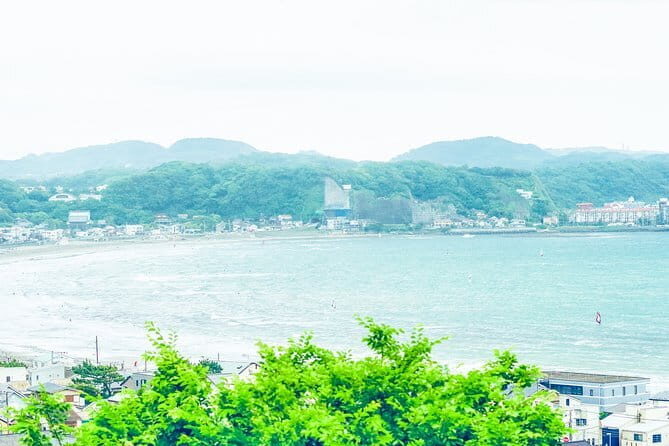
This is a walk-and-see day. You’ll start at Kamakura Station and work through several temple and shrine areas before returning to the meeting point.
Stop 1: Jomyo-ji Temple (about 40 minutes)
Jomyo-ji is the kind of calm start that helps your brain switch gears from train-station mode to “slow down and look” mode. It’s a temple where you can enjoy matcha while watching a Japanese garden. Even if you don’t do the tea, the value here is the atmosphere: garden views, quiet corners, and a feeling that the place is meant for lingering, not speed-walking.
One practical note: since admission isn’t included, plan to cover the entry fee separately so you’re not surprised when you reach the gate.
Stop 2: Hokoku-ji Temple (about 20 minutes)
Hokoku-ji is famous for its bamboo forest. This is short on purpose. The goal is to get you into the photo spot, let you take in the view, and then move before the bamboo crowd energy turns into a long wait.
If you love pictures, you’ll want to be ready for quick framing. The best shots often happen when you’re standing in the right spot at the right angle, not when you’re hunting for a perfect position for 20 minutes.
Stop 3: Kamakura Komachidori / Komachi Street (about 1 hour)
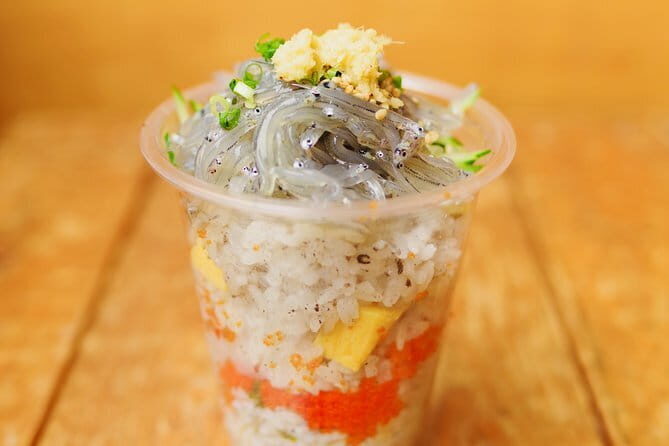
Now you get to shift from temple space to street life. Komachidori runs between Kamakura Station and Tsurugaoka Hachimangu, packed with restaurants and souvenir shops. This hour is where you can do two useful things at once: snack and browse without spending your whole afternoon figuring out what’s actually local.
Your guide can help you target foods that are specific to Kamakura, plus what you can grab as takeaways. It’s also the easiest place to pick up small gifts without doubling back.
Tip I’d give you: if you’re the type who wants to sample a lot, eat lightly early on. Tea at Jomyo-ji can be enough of a taste start, and you’ll want room for street bites later.
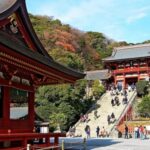
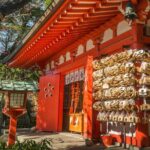
Stop 4: Tsurugaoka Hachimangu Shrine (about 45 minutes)
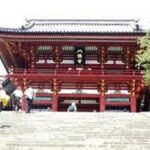
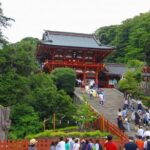
Tsurugaoka Hachimangu is one of Kamakura’s anchor shrines, with a history stretching back over 1,000 years. It’s also known as a power spot, and it has ties to the Kamakura era, including worship connected to Genji who ruled during that period.
This stop feels different from the garden-temple vibe. You’re in shrine space—processional areas, big cultural weight, and architecture that rewards just slowing your pace and looking up now and then.
The time here is enough to understand what you’re seeing rather than just snapping photos and moving on.
Stop 5: Meigetsuin (Hydrangea Temple) (about 30 minutes)
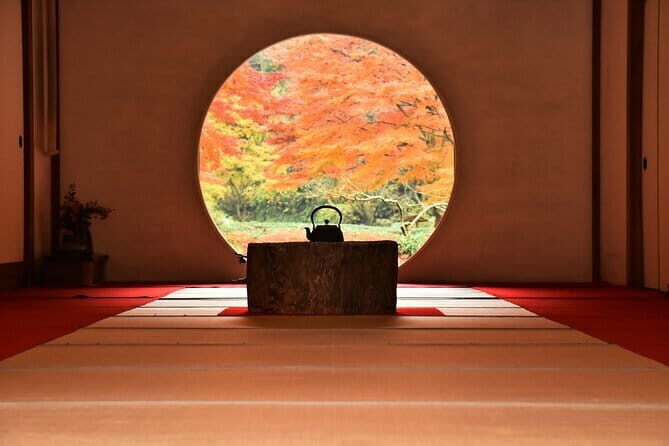
Meigetsuin is often associated with hydrangeas, but the real hook for me is the design and stillness. There’s a room with a large round window where you can view the garden, and the place is famous for the silence and feeling of harmony with nature.
This is one of those stops where you’ll get more from it if you take a minute to just sit and look. Thirty minutes gives you time to adjust to the quiet and enjoy the garden view instead of treating it like a quick stop.
Admission is not included, so again, budget separately.
Stop 6: Kotoku-in (Great Buddha of Kamakura) (about 35 minutes)
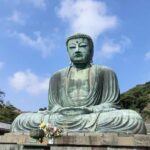
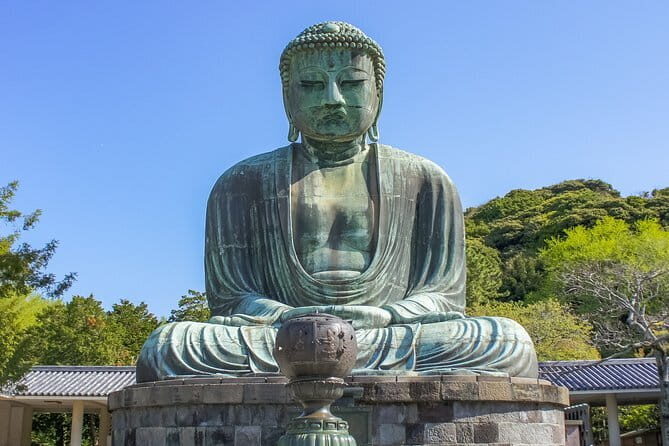
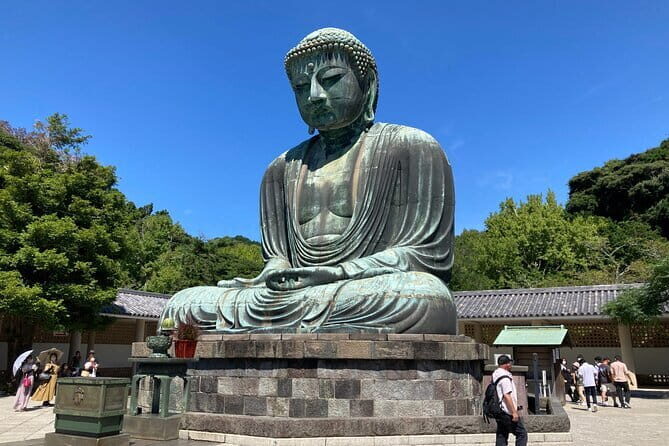
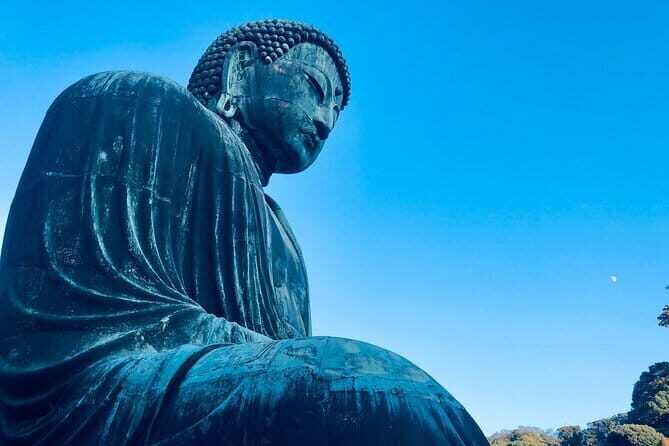
Then comes the headline: Kotoku-in and the giant Buddha statue, Kamakura Daibutsu, which is over 11 meters tall. What makes this stop extra memorable is that you can go inside the statue. Many major sights stop at looking from the outside; this one lets you experience the space more directly.
Even if Buddha statues are not your main interest, this is still worth it. Scale changes how you understand a place. Standing near something this large makes the history feel physical, not abstract.
Stop 7: Hasedera Temple (about 45 minutes)
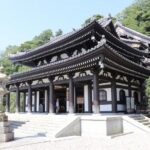
Finish strong at Hasedera Temple, also called the Flower Temple. The grounds have plant displays for all four seasons, and there are many spots to enjoy as you walk through a larger temple area. There’s also some climbing involved, so wear shoes that can handle stairs and uneven ground.
This stop is where the day starts to feel like a true Kamakura nature-and-culture blend. If the day is sunny, the gardens and flower areas can feel extra rewarding. If it’s rainy, you’ll still get atmosphere, but you’ll want to move carefully.
Price and value: what your $143.71 buys, plus the real budget
The tour price is listed at $143.71 per person for a private experience that runs about 7 hours 30 minutes. You’re paying for a guide, the private format, and necessary guide expenses. You’re also getting a mobile ticket, which can simplify check-in.
But here’s the part that matters for planning: the tour price does not include entrance tickets or meals. The estimated extra costs are 5,300 JPY per person, broken down like this:
- Transportation: 900 JPY
- Admission fees: 2,650 JPY
- Meal costs: 1,000 JPY per person
There can also be an optional experience cost of 660 JPY per person.
So is it a good value? For me, yes—if you want a first-day “cover the main stuff” approach with minimal research time. If you already know your route and prefer to wander slowly on your own, you can do Kamakura cheaper. But if you’re short on time, or you want your day shaped by a local guide who can point out what’s worth your attention, this is the kind of price that buys convenience and confidence.
Private guide energy: Akira, Yoshi, and Rumi style
This tour is private, and that’s the heart of the experience. In real terms, it means the guide isn’t juggling multiple groups. You get attention, and your questions don’t get postponed until a later stop.
From the guide feedback I saw:
- Akira stood out for deep answers and being able to adapt for a unique travel situation.
- Yoshi showed up with a printed itinerary, oriented people quickly, and stayed flexible when requests came up. He also handled timing issues with patience, including cases where a train delay pushed things later.
- Rumi was praised for explaining history and keeping the flow moving while still letting the group enjoy the key moments. Meigetsuin and the Great Buddha were especially memorable.
Even if your guide is different from those names, the pattern is clear: strong guidance, solid knowledge, and the ability to handle real-life timing and personal needs without turning it into a rushed ordeal.
Eating and shopping on Komachidori without wasting time
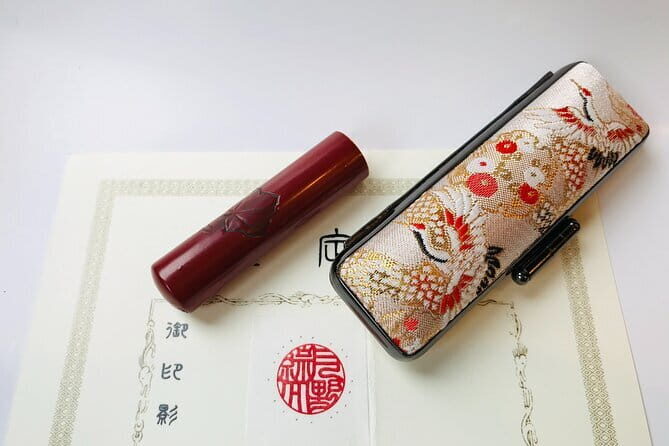
Komachidori is where you can enjoy a very Kamakura kind of day. It’s restaurant-heavy and souvenir-rich, and it runs between Kamakura Station and Tsurugaoka Hachimangu, which makes it an efficient stop.
The practical advantage is that you’re not stuck trying to guess what’s good or what’s local. Your guide can point you toward the local gourmet foods that are hard to find elsewhere, and help you focus on options you can actually buy or take away.
My advice: treat this as your built-in “I don’t want to research food” hour. If you’re the type who enjoys snacks more than full meals, this stop is a nice match. If you want a proper sit-down meal, you can still do it, but keep an eye on how hungry you’ll be later for tea at Jomyo-ji and the day’s pacing.
Walking comfort and photo strategy (cash matters more than you think)

This is a walking-heavy day. The tour notes specifically ask you to wear comfortable clothing, because you’ll cover multiple temple grounds and streets. Good walking shoes are a must, especially with the stairs and uneven areas around places like Hasedera.
Also plan for payment reality. Some stops on the route may not accept credit cards, so bring cash. It’s an easy thing to forget when you’re used to card payments, and it can slow you down at the worst possible time—right when you’re at the entrance gate.
Weather can change the plan too. If it’s bad weather, transportation, destinations, and routes might shift. That doesn’t mean it’s cancelled—it means you should stay flexible and trust that the guide will keep your day moving.
For photos:
- Hokoku-ji’s bamboo is a strong visual target.
- Meigetsuin’s round window view rewards calm attention more than frantic shooting.
- Kotoku-in’s size is best captured when you step back and let the scale hit you before you zoom in.
Who should book this Kamakura private day?
I’d book this if:
- It’s your first time in Kamakura and you want a confident route.
- You like temple and shrine sightseeing but don’t want to spend your trip time researching.
- You care about getting context—history, meaning, and what to look for—while you walk.
- You’re traveling as a group that benefits from private pacing.
I might choose something else if:
- You’re happy building your own route and don’t mind reading signs and finding entrances.
- Your group has very limited walking ability, since this day includes stair climbs and longer ground areas.
- You strongly prefer to handle meals and food choices fully on your own schedule, every minute.
Should you book this Kamakura tour?
If you want one day in Kamakura that feels organized, meaningful, and not exhausting to plan, I think this is a strong pick. The route hits the big names—Tsurugaoka Hachimangu, Kotoku-in (with the inside access), and Hasedera—and it adds texture with Jomyo-ji, Hokoku-ji, Meigetsuin, and Komachidori.
The private guide is the real multiplier. It turns a list of stops into a day you understand. Just go in with the right mindset: entrance fees and meals are extra, you’ll walk a lot, and you’ll need cash for some places.
FAQ
FAQ
How long is the Kamakura private tour?
The tour runs for about 7 hours 30 minutes.
Where does the tour start, and what time does it begin?
It starts at Kamakura Station, 1-chōme-1-15 Onarimachi, Kamakura, Kanagawa 248-0012, Japan, with a start time of 9:00 am. The tour ends back at the meeting point.
Is this a private tour or a shared group?
This is a private tour. Only your group participates.
What costs are included in the tour price, and what isn’t?
The tour includes the tour guide and a private tour setup, plus necessary expenses for the guide. Entrance fees, transportation, and meal costs at the sites are not included. The estimated additional costs are 5,300 JPY per person, with 900 JPY for transportation, 2,650 JPY for admission fees, and 1,000 JPY for meals (plus an optional experience of 660 JPY per person).
Do I need cash during the tour?
Yes. Some of the spots on the route do not accept credit cards, so it’s smart to bring cash.
What are the main stops you’ll visit?
The tour includes Jomyo-ji Temple, Hokoku-ji Temple, Komachidori (Komachi Street), Tsurugaoka Hachimangu Shrine, Meigetsuin, Kotoku-in (the Great Buddha of Kamakura), and Hasedera Temple.
What is the cancellation policy if plans change?
You can cancel for a full refund up to 24 hours before the experience’s start time. Cancellation within 24 hours of the start time is not refunded.