REVIEW · TOKYO
Kabukicho, Shinjuku: experiencing Japanese Host Club
Book on GetYourGuide →Operated by No.9 by ACQUA · Bookable on GetYourGuide
Kabukicho nights run on charm and talk. This is a guided look at a Japanese host club, and I love how the experience runs with multilingual staff support when your Japanese isn’t perfect. One thing to be ready for: the $12 price is only part of the evening, since the real money happens through cover and drink fees once you’re inside.
You pick a time slot (20:00 or 21:30) and your visit is one hour, with translation support included. In that hour you’ll sit down, chat, play simple games, and order from a bar menu that leans into shochu mixes, highballs, beer, and fruit sours.
In This Review
- Key things to know before you go
- Kabukicho’s Host Club World: What You’re Stepping Into
- How the 1-Hour Host Experience Works (Picking 20:00 or 21:30)
- The Host and Translation Setup: English, Chinese, and Korean in Action
- Conversation, Games, and the Kabukicho Atmosphere
- The Drink Menu Reality Check: Shochu Mixes, Highballs, Beer, and Fruit Sours
- Price and Logistics: What You Pay, What You Don’t, and How to Budget
- Finding the Gofuku Building: The B1 Vending Machine Tip
- The People This Is For (and Who Should Skip It)
- My Value Call: Should You Book This Host Club Night?
- FAQ
- What does the $12 per person reservation include?
- What isn’t included in the price?
- How long is the host club experience?
- Can I stay longer than one hour?
- What languages are supported during the experience?
- What time slots are available?
- What should I bring?
- Where do I meet, and how do I find it?
Key things to know before you go
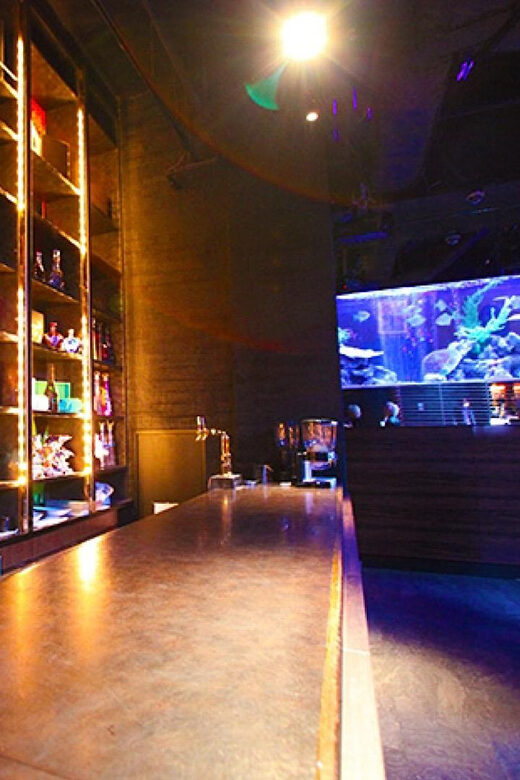
- Multilingual support (English, Chinese, Korean): translation is built into the experience so you can actually talk back.
- A real Kabukicho night out: the venue is in the Shinjuku entertainment district, so the energy is part of the point.
- Conversation plus games: you’re not just watching; you’re pulled into the host-style flow.
- Drink menu is a big part of the atmosphere: options include shochu mixes, beer, highballs, and fruit sours.
- Budget for the full cost: cover and drinks are not included, and staying longer costs extra.
- Simple but specific meeting instructions: go downstairs to B1 and wait by the vending machine.
Kabukicho’s Host Club World: What You’re Stepping Into
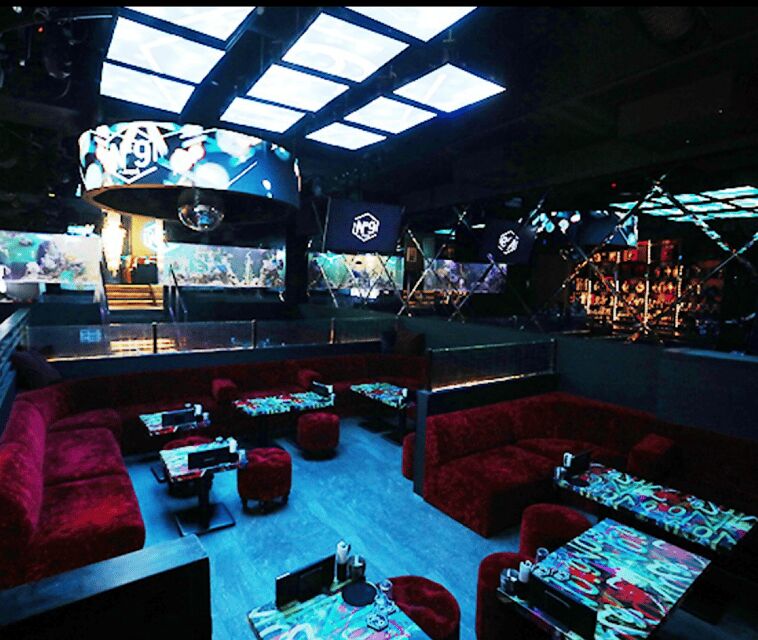
Kabukicho can feel like a movie set, but it’s also Japan’s adult nightlife economy in full gear. This host club experience gives you a guided, language-supported way to understand how that world works, without you needing to decode every sign on your own.
The big idea is interaction. You sit with a host (and often a greeter/translator), you chat, and the night moves through games and attention designed to make you feel comfortable. It’s entertainment built around conversation, confidence, and rhythm.
If you’re curious about how Japanese subculture shows up in anime and dramas, this is the kind of real-world version that connects the dots. You’ll likely notice how familiar themes—fashion, playful banter, and performance—show up in a very practical, commercial setting.
One practical note: hosts may focus heavily on alcohol service as part of the evening’s flow. That can be interesting sociologically, but it also changes the vibe if you’re hoping for an experience that’s more about talking than drinking.
You can also read our reviews of more tours and experiences in Tokyo.



How the 1-Hour Host Experience Works (Picking 20:00 or 21:30)
Your booking is for a one-hour session. You can choose either 20:00 or 21:30, and the starting time matters for cost.
The timing piece is not just convenience. Entering before 21:30 is usually cheaper because the cover/drink package tends to be lower earlier in the night (the data provided says the cheapest one-hour entry is typically around 10,000 yen per person before 21:30). If you’re price-sensitive, picking the earlier time slot can help.
Inside the hour, don’t expect a “tour” with a checklist of sights. Think of it more like a guided introduction to how the host routine feels from the inside. Conversation starts, the host keeps things flowing, you may get drawn into games, and you’ll have a chance to order from the drink menu while the night carries on.
You can stay longer if you want, but plan on paying additional costs for extra time. This works best if you like the experience enough to continue, not if you’re treating this as a quick peek only.
The Host and Translation Setup: English, Chinese, and Korean in Action
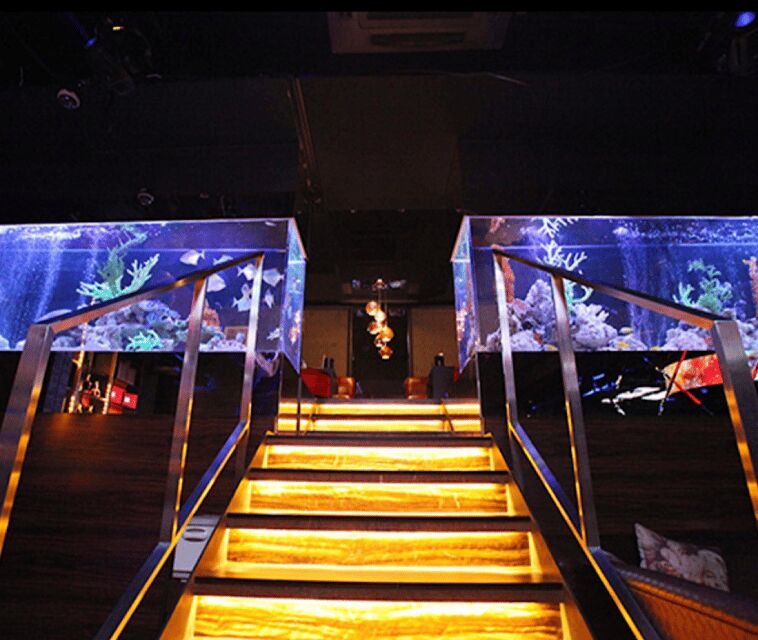
The translation service is a core part of why this is worth doing as a booked experience. You’re not left alone with a language barrier, and the environment is designed to support multiple languages: English, Mandarin (Chinese), and Korean.
In at least one real example, a host named Ryuki helped handle translation for the group, which made it much easier to follow the conversation and respond naturally. That kind of support matters because a host club is built on back-and-forth—if you can’t follow, the whole thing turns awkward fast.
It can also help that some staff can switch languages to keep the flow going. One account noted the presence of two English-speaking hosts, and another pointed out that even when English wasn’t perfect, people still tried hard to communicate using translation tools.
This setup is especially useful if your Japanese is basic and you still want to participate. You’ll get more out of it when you can actually ask questions and joke around instead of just nodding along.
Conversation, Games, and the Kabukicho Atmosphere
The “performance” isn’t just scripted lines. The host experience is built on attention—small talk, compliments, playful interaction, and keeping the energy up. That’s how the hosts create comfort quickly, especially for first-timers.
Games are part of the rhythm. You shouldn’t expect complicated rules, but you should expect participation. If you’re shy, it helps to remember that the hosts are used to first-time customers and are there to guide the conversation.
In the overall tone of the night, the venue feels like a leisure activity for people who have spending power. One review even pointed out that it can feel like a Japanese pastime with money to spend, and that’s a key mindset shift. If you want something more like a casual bar chat, this may feel more structured—and possibly more alcohol-centered—than you expect.
Still, the fun factor shows up clearly in the best moments: when you’re chatting in a language you understand, when the host’s humor lands, and when the night feels like you’re part of it rather than watching from the outside.
The Drink Menu Reality Check: Shochu Mixes, Highballs, Beer, and Fruit Sours
One of the most practical details you should know is what’s actually on offer. The menu includes Japanese shochu mixed with soft drinks, plus beer, highballs, and fruit sours.
This matters because a host club night doesn’t run on water. The pacing often follows the bar flow: you order, you talk between sips, and the host keeps the atmosphere moving. If you don’t drink, you might find it harder to keep up with the expected rhythm.
If you do drink, you’ll likely have an easier time relaxing. Shochu mixes and highballs tend to be easy entry points for many people, and fruit sours can be a gentler way to start if you’re not sure what to order.
There’s also an optional champagne call mentioned as part of some evenings (with champagne and a champagne call listed as optional). One review said they saw a champagne call, which gave a more dramatic, show-style moment. That’s something you can skip if your budget is tight.




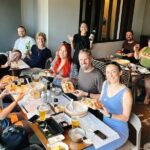
Price and Logistics: What You Pay, What You Don’t, and How to Budget
This is where you need to stay sharp, because host club pricing can feel confusing until you separate the pieces.
Your online booking price of $12 per person includes:
- Reservation fee
- Translation service (English, Mandarin, Korean)
What’s not included:
- Cover charge + drink fee (usually around 10,000 yen per person for an hour at the cheapest if you enter before 21:30)
- Optional items like champagne and a champagne call
Also watch payment method. If you pay by credit card, there’s a 10% tax charged according to the provided information. If you want cleaner budgeting, cash is often easier for this kind of setting.
How I’d budget for a first visit:
- Add the expected cover/drink fee on top of the reservation.
- Assume you’ll spend more if you stay beyond the one hour.
- Decide ahead of time if you’ll consider the champagne call option.
One reason reviews rate this experience well is that people find the interaction fun once they’re inside. But the “fun” depends heavily on your comfort with the full-night spend.
Finding the Gofuku Building: The B1 Vending Machine Tip
The meeting point is very specific, and the venue is inside an area where signs can be easy to miss. Go to Gofuku Building, 2-26-3 Kabukicho, Shinjuku District, Tokyo.
When you find the building, look for the stair that goes downstairs. Take it down to B1. Then wait in front of the vending machine.
This is the kind of detail that saves you from standing around under neon looking confused. It also reduces the chances of missing your greeter, especially on busy nights.
If you’re arriving late (or you’re stuck navigating Shinjuku), give yourself buffer time. The provided timing starts at a chosen time slot, so don’t plan to “maybe” be there.
The People This Is For (and Who Should Skip It)
This host club experience is best for you if:
- You want a guided way to understand Japanese nightlife subculture.
- You’d enjoy participating in conversation and simple games.
- You like the idea of a multilingual environment where you can actually keep up.
It may be a poor fit if:
- You’re uncomfortable with alcohol-centered nightlife.
- You have a strict budget and don’t want to factor in cover and drink fees.
- You’re looking for a calm, low-key cultural activity.
And there are clear limits from the provided information. It’s not suitable for pregnant women and people under 20.
If you meet those criteria and you go in with realistic expectations about pricing and alcohol culture, you’ll likely have a better time than if you treat it like a generic entertainment booking.
My Value Call: Should You Book This Host Club Night?
I think this experience makes sense when you want more than a quick “walk-by.” The biggest value isn’t the building or the drinks—it’s the structured interaction with translation support in English, Chinese, and Korean. That turns a confusing nightlife setting into something you can actually understand and participate in.
That said, the money math needs respect. The $12 reservation is just the entry to the experience. Once you’re inside, the cover + drink fee is the real spend, and staying longer costs extra. If you don’t like surprises, set your budget before you go and decide whether you’ll upgrade the night with optional show moments like champagne calls.
If you want an evening that feels like performance plus conversation, and you’d rather have guided help than struggle through the language barrier, this is a strong choice. Just treat it as a paid night of nightlife entertainment, not a cheap cultural sampler.
FAQ
What does the $12 per person reservation include?
It includes the reservation fee plus the translation service to English, Mandarin, and Korean.
What isn’t included in the price?
The cover charge and drink fee are not included (typically around 10,000 yen per person for an hour when entering before 21:30), and champagne/champagne call is optional.
How long is the host club experience?
The scheduled duration is one hour.
Can I stay longer than one hour?
Yes. You can stay longer at the host club with additional pricing.
What languages are supported during the experience?
You have language support in English, Chinese, and Korean.
What time slots are available?
You can choose a time slot of either 20:00 or 21:30.
What should I bring?
Bring your passport (copies are not accepted). An ID card is also listed as acceptable.
Where do I meet, and how do I find it?
Meet at Gofuku Building, 2-26-3 Kabukicho, Shinjuku. Take the staircase going down to B1 and wait in front of the vending machine.