REVIEW · WAKAYAMA PREFECTURE
Kumano Kodo Pilgrimage Full-Day Private Trip with Government Licensed Guide
Book on Viator →Operated by Japan Guide Agency · Bookable on Viator
Shrines and steps in one unforgettable day. This private Kumano Kodo trip in Wakayama is interesting because it stitches together centuries-old pilgrimage routes with a clear, human plan— and I like that the day runs with a government-licensed English guide and a customizable 3–4 stop itinerary. One watch-out: it’s a walking tour, so good shoes matter more than you might think.
For $198.72 per person, you’re buying time, translation, and route confidence—especially on a day packed with sacred spots and viewpoints. You’ll get free admission at several shrines and the Kumano Kodo segment, but transportation, lunch, and the Nachi Mitaki Falls fee are not included.
In This Review
- Key highlights worth getting excited about
- Kumano Kodo: The pilgrimage network you feel before you fully explain it
- Government-licensed English guidance (and why it changes the whole day)
- Picking 3–4 stops from the Kumano Kodo options
- Stop 1: Kumano Kodo time—walking the old ways (and why 2 hours works)
- Stop 2: Kumano Nachi Taisha—shrine presence with coastal ties
- Stop 3: Nachi Mitaki Falls—Japan’s 133-meter drop
- Stop 4: Kumano Hayatama Taisha—another anchor of the three-shrine set
- Stop 5: Kumano Hongu Taisha—closing the day with the big spiritual centerpiece
- Price and value: Is $198.72 per person fair for what you get?
- Practicalities that actually affect your day
- Who should book this Kumano Kodo private day trip?
- Should you book this Kumano Kodo Private Trip?
- FAQ
- How long is the Kumano Kodo private trip?
- How much does it cost per person?
- Is this a private tour?
- Can I customize which places we visit?
- Are entrance fees included for all stops?
- Does the price include transportation?
- Is lunch included?
- Is this tour mostly walking?
- What do you get for tickets?
- What is the cancellation policy?
Key highlights worth getting excited about
- Government-licensed English guide who keeps the story straight and the pacing sane
- 3–4 sites you choose from the available list, so you’re not stuck doing what you don’t care about
- Old Ways with UNESCO-level context, centered on the Kumano Kodo network
- Nachi area power stops, including Nachi Taisha and Japan’s 133-meter Nachi Mitaki Falls
- A walking-focused format with a private group, so you can move at your pace (within reason)
Kumano Kodo: The pilgrimage network you feel before you fully explain it
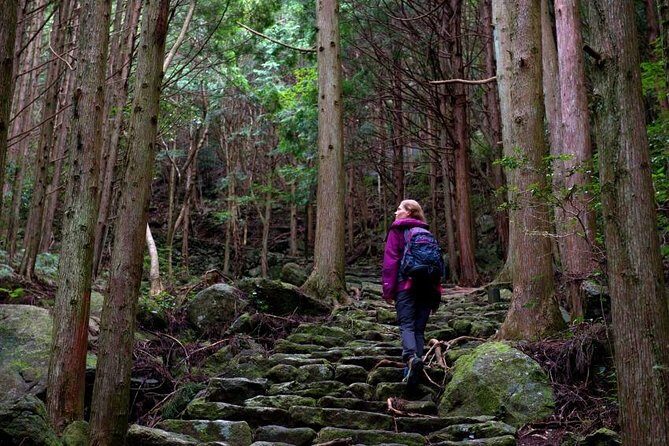
The Kumano Kodo is an ancient set of mountain trails that connect historic shrines and temples across the Kii Peninsula. It’s been around for more than 1,000 years, and the area is recognized as part of a UNESCO designation. That matters because you’re not just sightseeing. You’re moving through a living route that people have used for generations to get right with themselves, their gods, or at least their next step.
The most famous corridor is the Nakahechi route, crossing the peninsula from Tanabe on the west coast to Shingu and the Nachi-Katsuura area on the east. Even if your private day doesn’t cover the entire route, you’ll still get the sense of why this place works: hills, quiet hamlets, and the slow rhythm of walking between sacred points and places to rest.
You can also read our reviews of more guided tours in Wakayama Prefecture


Government-licensed English guidance (and why it changes the whole day)
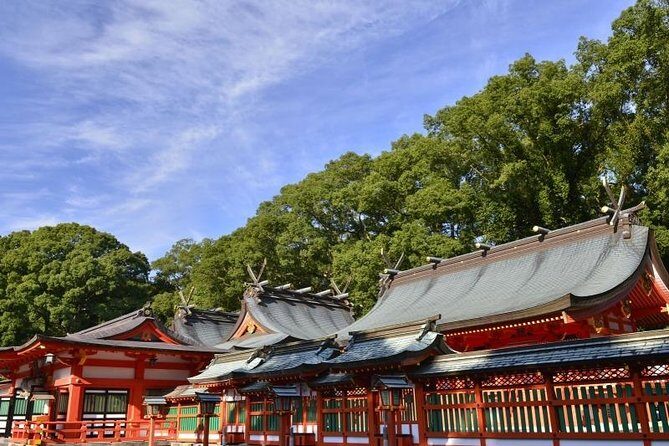
This is not a casual stroll with a random translator. You’re with a licensed local English-speaking guide, and that has real-world benefits. First, it makes the shrines easier to understand quickly—what you’re looking at, why people come here, and how the different places connect. Second, it helps you navigate the day without turning it into a scavenger hunt.
On top of that, the guide experience seems to include personal care with timing and logistics. For example, one guide named Kiyoko was described as caring and attentive to getting a guest started smoothly, even when it meant checking to make sure the person reached the correct start spot. Another guide named Hira was praised for being helpful and for pointing out local places, not just the postcard version.
Picking 3–4 stops from the Kumano Kodo options
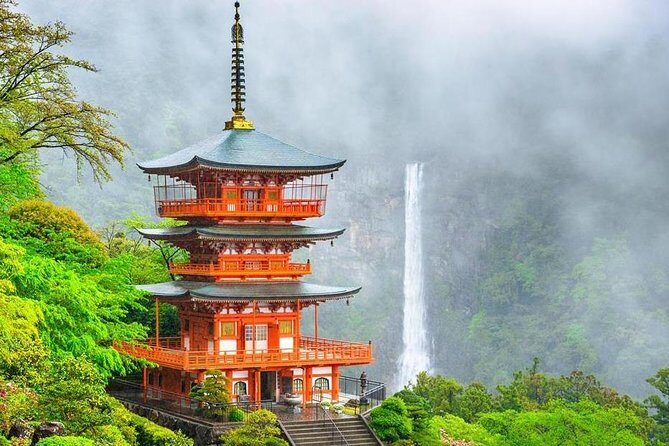
The trip is built around choice. You customize your 8-hour plan by selecting your must-see spots from the options provided. That’s a big deal in this kind of region because the Kii Peninsula has a lot of “important” stops that can eat your day if you try to do everything.
Here’s what you should think about when you pick:
- If you want the strongest wow-factor photo moment, you’ll likely choose the Nachi Mitaki Falls stop.
- If you want shrine atmosphere and the sacred setting, you’ll probably include one or more of the Kumano shrines (Nachi Taisha, Hayatama Taisha, Hongu Taisha).
- If you want the “old ways” feeling, you’ll prioritize Kumano Kodo time itself.
The tour is private, so only your group participates. That keeps things calmer, and it also means the guide can adjust pacing and explanations for your interests. You’re not sharing with strangers who want to sprint or who aren’t walking much.
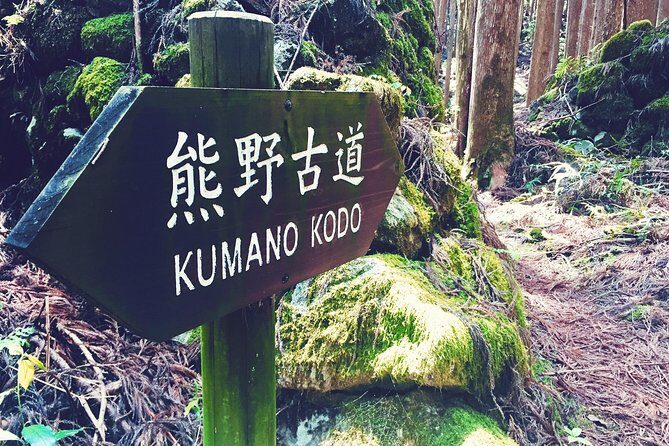
Stop 1: Kumano Kodo time—walking the old ways (and why 2 hours works)
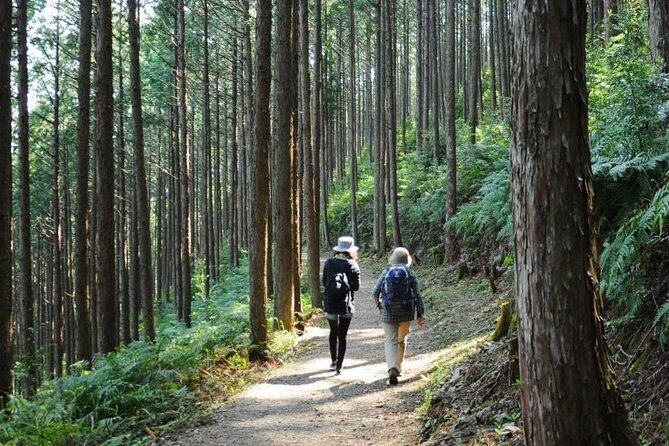
Kumano Kodo is the “network” part of the experience: the ancient trail system linking the sacred sites. Your day starts with time at Kumano Kodo, and the admission ticket for this segment is free. You get about 2 hours here, which is long enough to notice details instead of just snapping a few pictures and moving on.
What makes this stop valuable is that it sets the mental tone. You’re not only looking at shrines; you’re seeing the idea of pilgrimage in motion. Even if your route is only a piece of the overall Nakahechi trail concept, you’ll still pick up how the paths connect to the shrines nearby.
Practical note: since this is a walking tour, treat this first segment like part of the hike training for the day. Wear shoes you can trust. If your feet feel great at this point, the rest of the day is easier.
Stop 2: Kumano Nachi Taisha—shrine presence with coastal ties
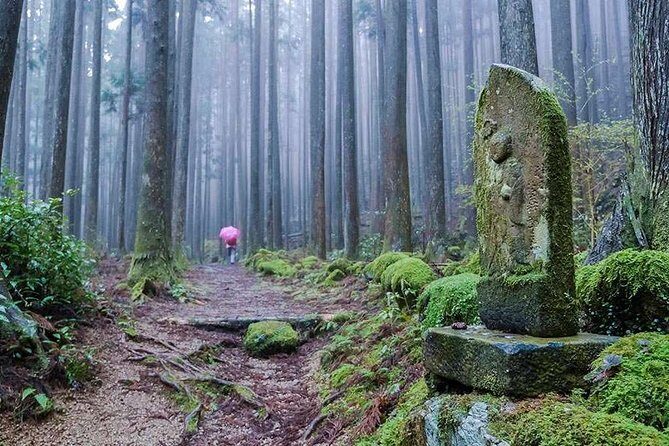
Kumano Nachi Taisha is one of the three major Kumano shrines. It sits a few kilometers inland from the coastal hot spring resort area of Katsuura, which helps explain the region’s feel: ocean air nearby, mountains around you, and spiritual sites in between.
Your time here is 30 minutes, and admission is listed as free. In a short window like that, the guide’s role matters. The best use of 30 minutes is not speed-running photos. It’s getting the context fast—how this shrine fits the bigger Kumano story, and how people traditionally relate to the space.
Possible drawback: because the stop is brief, if you want to linger quietly for a long meditation-style visit, you may need to plan your expectations. This is designed as an efficient day rather than a slow, solo shrine visit.
You can also read our reviews of more private tours in Wakayama Prefecture
Stop 3: Nachi Mitaki Falls—Japan’s 133-meter drop
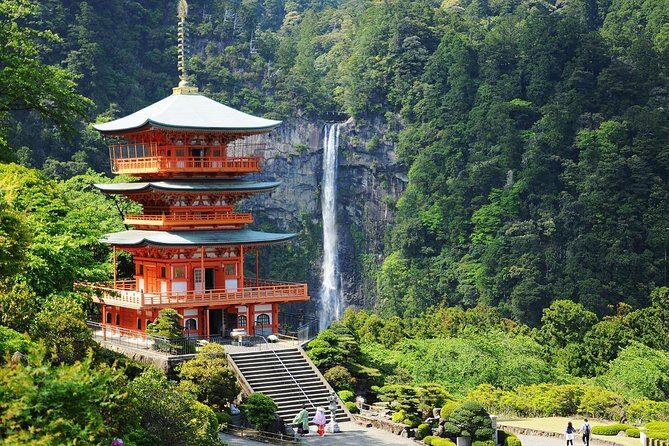
If you’re picking one “can’t miss” stop, Nachi Mitaki Falls is the obvious candidate. It’s described as Japan’s tallest waterfall as a single uninterrupted drop of 133 meters, with about 10 meters of depth. The description also notes an impressive steady flow—about one ton of water dropping every second.
Your time here is 30 minutes. Entrance is not included, so you’ll want to budget for this additional cost. It’s also the stop where timing and weather matter most. If you’re going on a clear day, you’ll get cleaner sightlines and photos. If it’s wet and misty, it can still be spectacular, but your experience may shift toward the sensory impact rather than sharp views.
One more thing: because this is a falls stop, be ready for uneven ground and damp spots. Even if you’re in decent hiking shape, you’ll want to keep your steps calm.
Stop 4: Kumano Hayatama Taisha—another anchor of the three-shrine set
Kumano Hayatama Taisha is also one of the Kumano’s important shrines. It’s in Shingu City on the southeast coast of the Kii Peninsula. Your time here is 30 minutes, and admission is free.
This stop is a good choice if you want the “three shrines” arc to feel complete within a single day. The guide can help you see how each shrine differs in setting and meaning, instead of all shrines feeling identical in your photos.
A practical consideration: with a private day that also includes walking time between stops, shrine fatigue can happen. If you start thinking, why are there so many steps, that’s your cue to use your 30 minutes well—look around first, then decide where you want to stand, rest, and absorb.
Stop 5: Kumano Hongu Taisha—closing the day with the big spiritual centerpiece
Kumano Hongu Taisha is one of the three famous Kumano shrines and sits as a key piece of the region’s spiritual map. Like other shrine stops on this itinerary, the admission ticket is free, and your time here is 30 minutes.
Hongu Taisha also enshrines its own deity and, according to the description, it enshrines the deities of the other two shrines as well. That’s one of those details that makes a short visit feel more meaningful. Even in a limited time window, you can understand why this place often feels like the “center” of the conversation.
The best way to use the final shrine stop is to slow down a touch. If your earlier stops were more focused on visuals, let this one be for sense-making—how the day’s route and themes connect, and what you want to remember after you leave.
Price and value: Is $198.72 per person fair for what you get?
Let’s talk money in a practical way. At $198.72 per person, you’re paying for:
- A private day with an English-speaking licensed guide
- Customization of 3–4 sites
- A structured plan for an ~8-hour experience
- Free admission for several stops (Kumano Kodo segment and the listed shrines)
What’s not included matters too: transportation, entrance fees (with Nachi Mitaki Falls specifically noted as not included), lunch, and personal expenses. Also, there’s no private vehicle included.
So is it worth it? If you’re planning this area on your own, you’d likely spend time sorting out timing between sacred sites, language support, and what to prioritize so your day doesn’t turn into wasted transit. You’re also getting someone who can make the sacred spaces feel coherent rather than scattered.
This price is most likely a good fit if:
- You want a calmer private plan than group tours
- You care about explanations (and not only the views)
- You’re okay paying separately for transit and the falls fee
If your budget is ultra-tight or you’re mostly there for a quick photo run, you might feel the cost more than the value.
Practicalities that actually affect your day
This is a walking tour, and pickup is on foot at a meeting point. The tour is also near public transportation, which helps if you plan to connect with local trains or buses.
A few practical tips that help:
- Wear comfortable, grippy shoes. Your day includes shrine paths and a major falls stop.
- Bring layers. Coastal humidity and mountain air can change fast.
- Plan lunch on your own time window since lunch isn’t included. The guide can help you fit it in based on your chosen stops.
- Expect a full day. With multiple stops and walking between them, you’ll want energy and water.
Also, the tour uses a mobile ticket. That’s a small thing, but it reduces friction on the day.
Who should book this Kumano Kodo private day trip?
This trip fits best if you want:
- A focused day in Wakayama with a licensed English guide
- The Kumano shrines and a taste of the old trail feeling
- The freedom to choose 3–4 sites instead of following someone else’s plan
It may be less ideal if:
- You hate walking tours and prefer minimal steps
- You want long unstructured shrine time at each stop
- You don’t want to pay extra for transit and the Nachi Mitaki Falls entrance fee
Most people can participate, and service animals are allowed, which is a helpful baseline.
Should you book this Kumano Kodo Private Trip?
If you’re looking for a smart, efficient way to experience Kumano Kodo in one day, this private format is a strong option. You get exactly what matters most here: a government-licensed English guide, a customizable set of sacred stops, and enough time at each place to make it more than a checkbox.
I’d book it if your trip schedule is tight and you want to spend your energy walking and looking—rather than planning your route, decoding signs, and guessing what to prioritize. It’s also a great pick for couples or small groups who want a calmer day and don’t want to merge with a larger group pace.
If you’re chasing a super low-cost day with minimal fees and no guide, then you’ll likely find the added cost less satisfying. But if you want the Kumano Kodo story explained in plain, human terms while you move through the sites, this one is built for that.
FAQ
How long is the Kumano Kodo private trip?
The tour lasts about 8 hours.
How much does it cost per person?
The price is $198.72 per person.
Is this a private tour?
Yes. It’s private, and only your group participates.
Can I customize which places we visit?
Yes. You can customize an 8-hour tour by selecting 3–4 sites from the available options.
Are entrance fees included for all stops?
Admission is listed as free for Kumano Kodo and for the shrines (including Kumano Nachi Taisha, Kumano Hayatama Taisha, and Kumano Hongu Taisha). Nachi Mitaki Falls is not included.
Does the price include transportation?
No. Transportation fees are not included, and a private vehicle is not provided.
Is lunch included?
No. Lunch is not included.
Is this tour mostly walking?
Yes. It is a walking tour, and pickup is on foot at a meeting point.
What do you get for tickets?
You receive a mobile ticket.
What is the cancellation policy?
Free cancellation is available up to 24 hours in advance for a full refund.

![[Miyako Island / Half Day] Pumpkin Limestone Cave & Sea Kayaking - Canoeing first: what to expect on the sea part](https://images.thejapantraveler.com/wp-content/uploads/miyako-island-half-day-pumpkin-limestone-cave-sea-kayaking.jpg)