REVIEW · WAKAYAMA PREFECTURE
Kumano Kodo Pilgrimage Tour with Licensed Guide & Vehicle
Book on Viator →Operated by Japan Guide Agency · Bookable on Viator
Eight hours, three mountains, one sacred circuit. I love how this day tour strings together the big Kumano Kodo landmarks—so you get the main story of the Kumano Sanzan without hopping between multiple bus routes. You also get a licensed English-speaking guide, which makes the shrines feel more than just photo stops.
The main tradeoff is that it’s a tight schedule. Most stops run about 30 minutes, and traffic can shift timing.
If you’re short on time but want a real Kumano Kodo experience—faith, forests, and that massive waterfall—this is one of the more efficient ways to do it.
In This Review
- Key moments worth putting on your radar
- Why the Kumano Kodo day circuit feels different
- Private pickup and pacing: how an 8-hour schedule really works
- Nakahechi Michi-no-Eki: starting where the old ways make sense
- Kumano Hongu Taisha: the shrine that anchors the whole story
- Kyushachi Oyunohara: the huge torii and the flood that changed the site
- Kumano Hayatama Taisha: Shingu’s coastal-side shrine energy
- Kumano Nachi Taisha and the approach to Nachi Mitaki Falls
- What the guide and driver add (and why it matters)
- Price and value for a private group of up to two
- Who should book, and who might want a different style
- Should you book the Kumano Kodo tour with a licensed guide and vehicle?
- FAQ
- What does the tour include?
- How long is the Kumano Kodo tour?
- Are there admission fees for the main stops?
- Is lunch included?
- Is this a private tour?
- Can I bring a service animal?
- Can I cancel and get a full refund?
- Do you provide car seats for kids?
Key moments worth putting on your radar
- Private vehicle from your pickup point: fewer logistics headaches and more time where it matters.
- Licensed English-speaking guide support: clear explanations of the Kumano shrines and what you’re seeing.
- Nakahechi access and shrine sequence: an efficient route through Kumano Hongu, Hayatama, and Nachi.
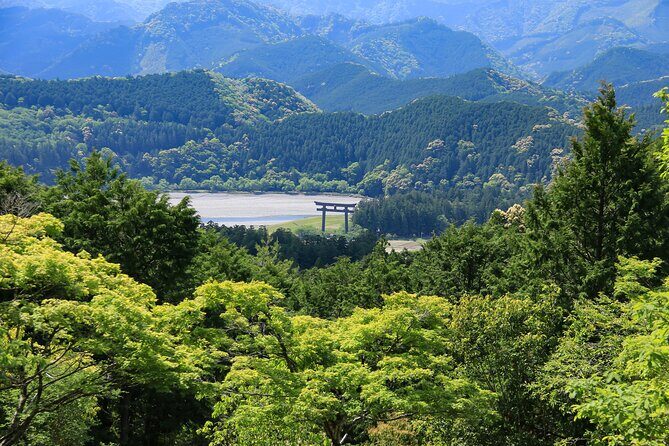
- Kyushachi Oyunohara’s flood story: the site preserves an origin-era feel, marked by history and a huge torii.
- Nachi Mitaki Falls at 133 meters: a single uninterrupted drop you can’t fully appreciate from afar.
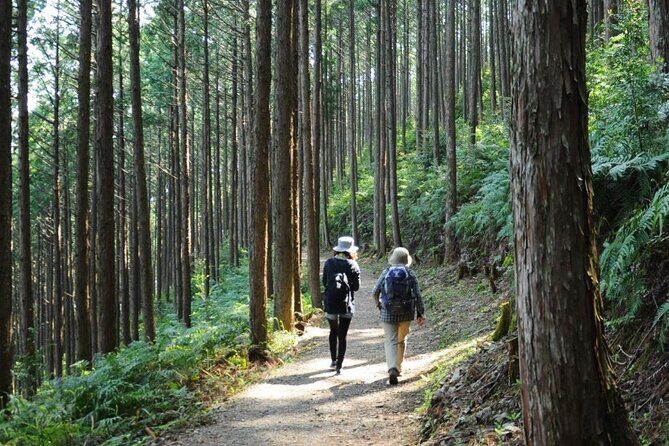
- Custom walking time: you can choose walking emphasis across 3–4 sites, depending on your group.
Why the Kumano Kodo day circuit feels different
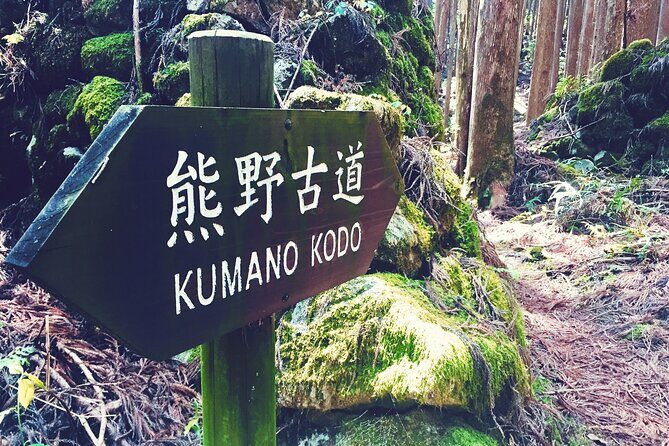
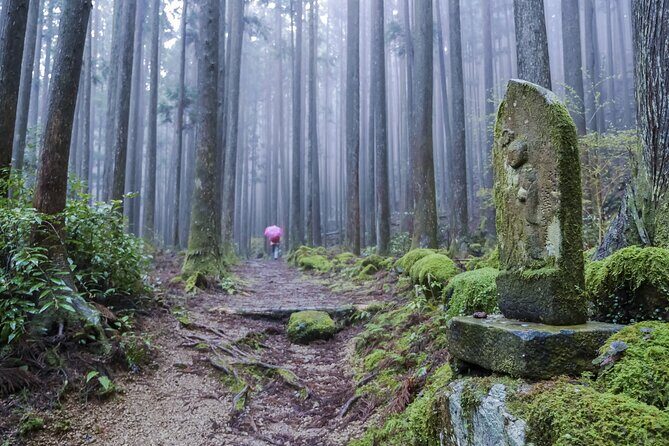
Kumano Kodo isn’t just a trail. It’s a centuries-old pilgrimage network across the Kii Peninsula, connecting sacred sites through deep mountains and river valleys. This tour targets the landmarks that represent that spiritual geography—so you’re not only visiting famous shrines, you’re also tracing the cultural thread that ties them together.
What I like most is that Kumano in general is treated as sacred going back to prehistoric times, long before Buddhism framed the story. Over time, the region came to worship the Kumano Sanzan—three major shrines tied to mountains, now viewed as three deities of Kumano under Buddhist influence. On a day like this, you feel the shift from myth to place. You’re standing where people have returned, generation after generation.
The experience also has a practical advantage: it’s built for time-tight itineraries. Instead of planning multiple half-days or changing transportation repeatedly, you get one guided day that hits key points, including the iconic waterfall.
You can also read our reviews of more guided tours in Wakayama Prefecture


Private pickup and pacing: how an 8-hour schedule really works
The tour runs about 8 hours, using a private vehicle and a licensed local English-speaking guide. For many people, that’s the whole point: you don’t have to wrestle with schedules or figure out how to stitch together separate transfers across Wakayama Prefecture.
You’ll also see the rhythm in the timing. Stops are typically around 30 minutes each, which means you get enough time to enter, look around, and understand what you’re seeing—but you’re not expecting a long hike session at every location. The operator notes that details can change depending on traffic conditions, which is normal for the Kii Peninsula roads.
This schedule works best if you come with the right mindset:
- You’ll enjoy it most if you treat each stop as a short “chapter,” not a whole book.
- You’ll get better results if you tell your guide what kind of walking you prefer and how flexible you are.
If you want a leisurely pace and many hours of on-foot trail walking, you might find an 8-hour day feels short. But if you want the Kumano highlights—done well—this structure is strong.
Nakahechi Michi-no-Eki: starting where the old ways make sense
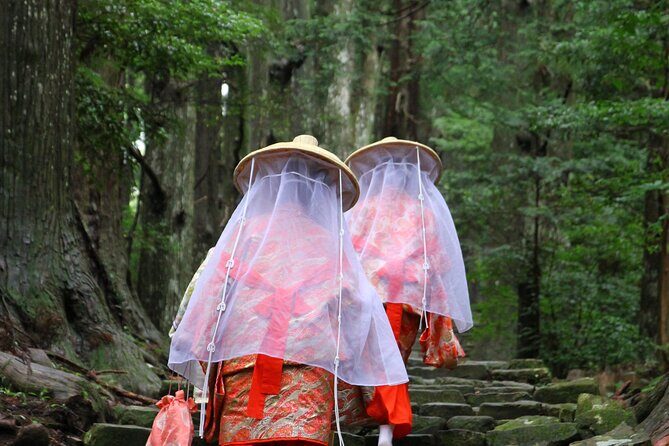
The day begins at Kumano Kodo Nakahechi Michi-no-Eki. Think of this as your orientation point for the Nakahechi route—one of the best-known approaches in the UNESCO Kumano Kodo story. It’s the place that helps the later shrines click into focus, because you’re not just jumping from monument to monument.
This stop is listed at about 30 minutes, and the ticket is free. That makes it low-pressure. You can use the time to get oriented, ask the guide questions, and settle your pace for the rest of the day.
One useful practical tip here: if you’re the kind of traveler who wants to photograph everything, this is where you should start training your timing. The rest of the day moves quickly, so your best photos usually come from moving early, stepping back, and letting the shrine atmosphere sink in before you rush to the next spot.
Kumano Hongu Taisha: the shrine that anchors the whole story
Next you’re at Kumano Hongu Taisha, one of the three major shrines that define the Kumano Sanzan. Admission is free here, and the stop is also around 30 minutes. This is the kind of place where 30 minutes can be either too fast or just right—depending on how you use it.
The guide’s role matters a lot at Hongu Taisha. A shrine isn’t only architecture; it’s a set of beliefs expressed through symbols, enshrinement, and place-based meaning. With an English-speaking guide supporting you, you can connect what you see to why it matters: the way Kumano Hongu Taisha relates to the wider system of deities and mountain associations.
What I’d watch for during your visit:
- The general layout and approach—this is a site meant for walking as ritual.
- The way people act around the shrine space. Even if you don’t follow every custom, you’ll feel the tone.
Also, don’t underestimate the benefit of being driven between stops. For many travelers, the real value is staying fresh—so your attention stays on the shrine experience instead of on transportation.
Kyushachi Oyunohara: the huge torii and the flood that changed the site
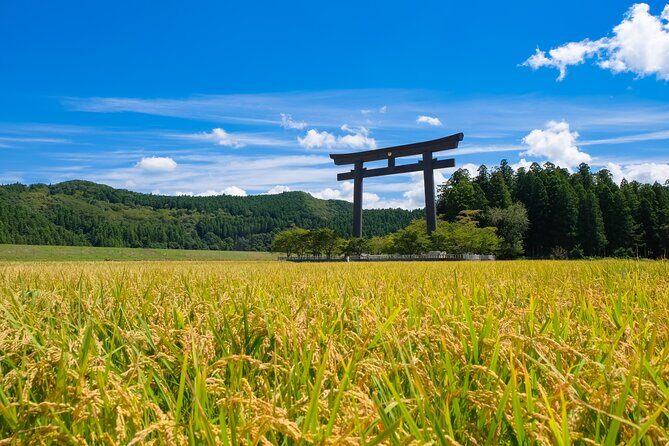
After Hongu Taisha, the tour continues to Kumano Hongu Taisha Kyushachi Oyunohara. This spot has a very specific historical mood. It was the original site of Kumano Hongu Taisha Grand Shrine until a flood in 1889. Today, only two small stone shrines remain, with a world-scale torii gate marking the space.
That’s one of the reasons this stop is memorable: the site doesn’t erase disaster. It holds the story of transformation in plain physical form. When you stand there, you understand that pilgrimage isn’t only about arriving—it’s also about resilience, reconstruction, and the long view.
The stop is about 30 minutes and free entry. You won’t need long to get the meaning, but I’d recommend using your time to look slowly at the two stone shrines and the gate framing the approach. It’s the kind of viewpoint that rewards calm attention.
If you’re traveling with kids, this is also a good stop for short bursts of explanation: it’s compact, dramatic, and easy to orient without lots of uphill wandering.

Kumano Hayatama Taisha: Shingu’s coastal-side shrine energy
Then you’ll move to Kumano Hayatama Taisha, located in Shingu City on the southeast coast of the Kii Peninsula. It’s the third of the big Kumano shrine system, alongside Hongu Taisha and Nachi Taisha. Like the other shrine stops, it’s free to enter and typically paced at about 30 minutes.
This stop matters because it helps you feel the geographical spread of Kumano Sanzan. You’re no longer only mentally in the mountain network. You’re stepping into a different setting within the same sacred system, which makes the overall story feel bigger than any single building.
Practically, Hayatama Taisha can be a good moment to reset. By now you’ve heard the guide explain enshrinement concepts and the Kumano Sanzan framework. Here, you can compare what you feel from shrine to shrine: do you sense changes in tone and atmosphere? Does the architecture speak differently? With your guide’s interpretation in English, you’ll likely be able to notice those differences rather than just snapping photos.
Kumano Nachi Taisha and the approach to Nachi Mitaki Falls
Kumano Nachi Taisha is the next anchor point. It sits a few kilometers inland from the coastal hot spring resort of Katsuura and is part of a larger religious complex. The stop is about 30 minutes and free entry.
This is also where the day starts turning toward one of Japan’s most powerful nature sights: Nachi Mitaki Falls. The timing matters here because once you’re near the falls area, you’ll want your energy focused. A guide can help you manage that flow—when to slow down, when to move, and what to look for as you approach.
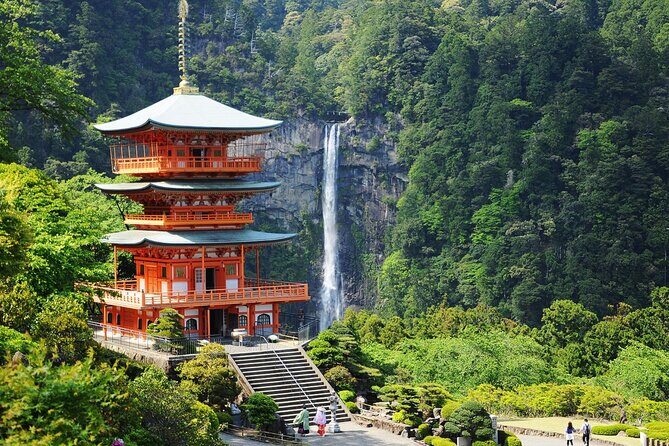
Nachi Mitaki Falls is the tall act: Japan’s tallest waterfall with a single uninterrupted drop of 133 meters. It’s also described with strong physical detail: depth of 10 meters and around one ton of water dropping every second. Even if you’ve seen waterfall photos before, those numbers are the kind that make you realize you’re not dealing with a small roadside cascade.
If you have limited walking tolerance, ask your guide how they plan to position you for views. Since the schedule is compact, the guide can often help you avoid unnecessary detours while still keeping you close enough to feel the falls’ power.
What the guide and driver add (and why it matters)
This tour is built around human support: a licensed local English-speaking guide and a private driver. The guide doesn’t just translate words. They explain why each shrine belongs in the Kumano story—how Kumano Hongu, Hayatama, and Nachi fit together, and what the sites represent under the Kumano Sanzan framework.
From real-world examples tied to this tour, guides like Kiyoko are known for being patient and friendly, even when traveling with small children. Others like Yuka have a reputation for careful timing and thoughtful planning, especially when weather shifts. Hira is often noted for preparation ahead of time and responsiveness to interests. And on the driving side, Mr. Hiroshi is described as attentive and professional.
You’ll also benefit from customization. The tour description includes a customizable walking tour of your choice of 3–4 sites from the provided options. In plain terms: you can shape the day to how you move and what you want emphasized. If your group loves shrine symbolism more than trail walking, you can focus that way. If you want more on-foot moments, your guide can adjust the balance.
One more point: weather can swing fast in this region. If it rains, you’re not on your own. Your driver will adapt route timing, and your guide will adjust the day’s flow so you still see what matters.
Price and value for a private group of up to two
This tour costs $744.66 per group, up to 2 people. That’s not cheap if you compare it to public buses and self-guided apps. But self-guided Kumano Kodo day trips usually fall apart on two things: time and language/meaning.
Here’s where the value comes from:
- You get a private vehicle for a full day (about 8 hours). That’s a big deal in Wakayama, where distances and road timing can eat your day.
- You get a licensed English-speaking guide who helps you understand the Kumano shrines and their deeper connections. That transforms the trip from sightseeing to comprehension.
- You hit multiple major sites—Nakahechi Michi-no-Eki, Kumano Hongu Taisha, Kyushachi Oyunohara, Kumano Hayatama Taisha, Kumano Nachi Taisha, and Nachi Mitaki Falls—without losing time on transfers.
What’s not included matters too. Entrance fees and lunch aren’t included, and some personal expenses are on you. That said, the listed stops for the core itinerary show free admission tickets. So your biggest predictable add-on is lunch and any optional extras you decide to spend on.
If you’re a couple (or a small family unit) and you want an efficient, guided Kumano Kodo highlight day, the price can start looking like good “time insurance.”
Who should book, and who might want a different style
I’d book this tour if:
- You’re time-tight and want the main Kumano Kodo hits in one go.
- You prefer private guiding over piecing together routes with limited English support.
- You want shrine meaning explained, not just read from a sign.
- You’re comfortable with shorter on-site visits (around 30 minutes each).
I might steer you toward another format if:
- You want long stretches of trail hiking every day.
- You dislike fast pacing and want deeper, hours-long time in fewer places.
- You’re expecting full flexibility to add extra major destinations beyond what the route covers.
This tour can also work well for families, including groups traveling with small children, because the guide experience includes adapting to different needs. If you’re coming with specific child seating needs, note that only limited seats and booster seats are available, and rear-facing car seats aren’t provided. You’ll want to contact the operator directly if that applies to you.
Should you book the Kumano Kodo tour with a licensed guide and vehicle?
Yes, if your priority is getting real Kumano Kodo highlights—Hongu, Hayatama, Nachi, and the unforgettable Nachi Mitaki Falls—without draining your day on logistics. This is especially worth it when you value meaning and pacing. The guide support and private vehicle are what make the day feel smooth.
Before you book, set your expectations: it’s a highlight sampler. You’re not buying a slow pilgrimage hike. You’re buying a concentrated day of sacred stops with English interpretation and efficient movement.
If that matches your style, this is a strong choice for a Wakayama-based Kumano Kodo experience.
FAQ
What does the tour include?
It includes a licensed local English-speaking guide, a private vehicle, and a customizable walking tour of your choice of 3–4 sites. You’ll also get pickup offered and a mobile ticket.
How long is the Kumano Kodo tour?
The duration is about 8 hours.
Are there admission fees for the main stops?
The listed stops (including the shrine and falls stops shown) indicate admission is free. Entrance fees are listed as not included for the overall tour, which can matter if you add other paid spots.
Is lunch included?
No. Lunch isn’t included, and it’s on you to plan for food during the day.
Is this a private tour?
Yes. It’s private, and only your group participates (up to 2 people per group).
Can I bring a service animal?
Yes, service animals are allowed.
Can I cancel and get a full refund?
Yes, free cancellation is available. You must cancel at least 24 hours before the experience start time for a full refund.
Do you provide car seats for kids?
There are limited car seats and booster seats available. Rear-facing car seats are not available, so if you need specific seating you should contact the operator directly.