REVIEW · IZUMISANO
Mt. Inunaki Trekking and Hot Springs in Izumisano, Osaka
Book on Viator →Operated by icpトラベル · Bookable on Viator
A short mountain escape with a hot-spring reward. Mt. Inunaki turns into a fall color walk, and you’ll trek up with a guide to Shipporyuji Temple in the primeval forest, then unwind at Fudoguchikan with onsen time and seasonal kaiseki. It’s a limited-season kind of outing that feels more like a grounded local tradition than a typical sightseeing loop.
I love how practical it is: you’re guided where it counts, with transport by public bus from Izumisano Station, and the pacing is set for a 7-hour day. I also love the reward at the end: a private Japanese-style room for your kaiseki lunch plus hot springs soaking options, including an open-air bath with a view of a mountain stream.
One thing to consider is that this experience depends on conditions; it requires moderate fitness and good weather, and wet trails mean you’ll want solid shoes. If the weather is truly poor, the tour can be moved or refunded instead of going forward.
In This Review
- Key highlights you should know
- Mt. Inunaki in autumn: the day starts like a hike, not a checklist
- The Mt. Inunaki trek: sacred mountain walking with real pacing
- What to wear (so the walk feels good)
- A smart comfort detail
- Shipporyuji Temple: Shugendo-style shrine energy without the rush
- Why the guide adds value here
- Fudoguchikan hot springs: the calm payoff after walking
- The guide ends when you arrive at the inn
- Kaiseki lunch in a private room: the part you might not expect
- Why kaiseki works so well after a hike
- Price and value: what $143.07 actually covers
- Timing and flow: how the day feels hour by hour
- Who this tour suits best in Osaka: the right kind of traveler
- Practical tips to get the most out of it
- Cancellation and weather reality: plan for fall conditions
- Should you book this Mt. Inunaki trek and hot springs day?
- FAQ
- Where is the meeting point for this experience?
- What time does the tour start and how long does it last?
- What does the tour include for transportation?
- What will I do on Mt. Inunaki?
- How long is the temple visit?
- What is included at Fudouguchikan?
- Are there different hot spring bathing options?
- What fitness level is required?
- What is not included in the price?
- Is it affected by weather?
Key highlights you should know
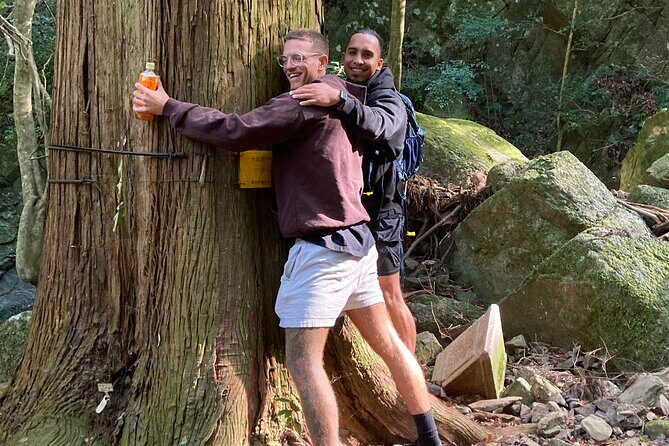
- Mt. Inunaki in mid-November autumn season: cool air, leaf-covered trails, and sacred mountain vibes
- Shipporyuji Temple stop: Shugendo-style approach with shrines and Buddhist statues
- Guide-led trek through primeval forest: a Yamabushi training-area feel, with local context
- Fudoguchikan onsen with two pool choices: including an outdoor bath facing a mountain stream
- Private-room kaiseki lunch: a long seasonal meal that can run well past the usual number of dishes
Mt. Inunaki in autumn: the day starts like a hike, not a checklist
This is the kind of Osaka-area day trip that doesn’t feel engineered. You meet at Izumisano Station (start time 8:45 am) and then take the public bus up toward Mt. Inunaki, so you’re not stuck figuring out the route yourself.
Once you’re on the mountain, the tone shifts quickly. In mid-November, the slopes and trail edges pick up red and yellow tones, and the air feels crisp enough to make you slow down and notice the small stuff: leaf crunch underfoot, forest scents, and the steady rhythm of walking uphill and back down.
You can also read our reviews of more hiking tours in Izumisano
The Mt. Inunaki trek: sacred mountain walking with real pacing
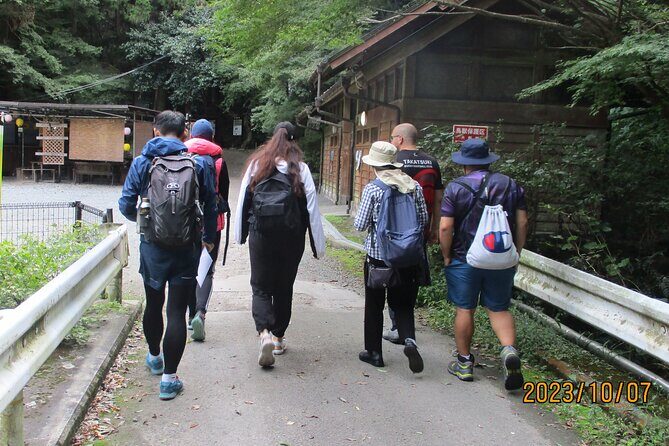
Mt. Inunaki is regarded as one of Japan’s oldest sacred mountains, and that matters here because you’re not just passing scenery—you’re moving through a place that’s been tied to spiritual practice for a long time. Even if you don’t know the terms, the atmosphere comes through: you’ll feel the formality of the route and the sense you’re entering something with meaning.
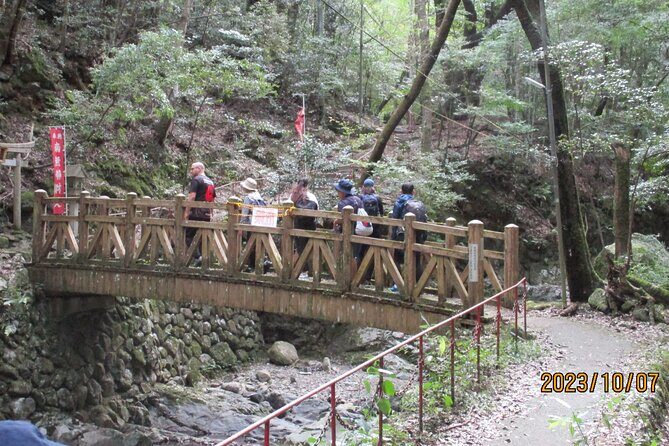
The trek portion is about 4 hours, which sounds like a lot until you realize it’s guided and structured. It’s long enough for a satisfying walk, but not the kind of full-day endurance march that leaves you wrecked for your train ride home.
What to wear (so the walk feels good)
Because this is fall, you’re dealing with fallen leaves and often wet ground depending on the day. I strongly recommend grippy shoes and layers. If rain rolls in, the walking can still be enjoyable—but wet leaves can turn the trail into a slip-and-slide show if your soles aren’t up to it.
A smart comfort detail
You’re not just hiking; you’re hiking with a guide whose job is to keep you moving at the right pace and to explain what you’re seeing along the way. That’s especially helpful on a sacred mountain where the “why” matters as much as the “where.”
Shipporyuji Temple: Shugendo-style shrine energy without the rush
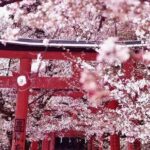
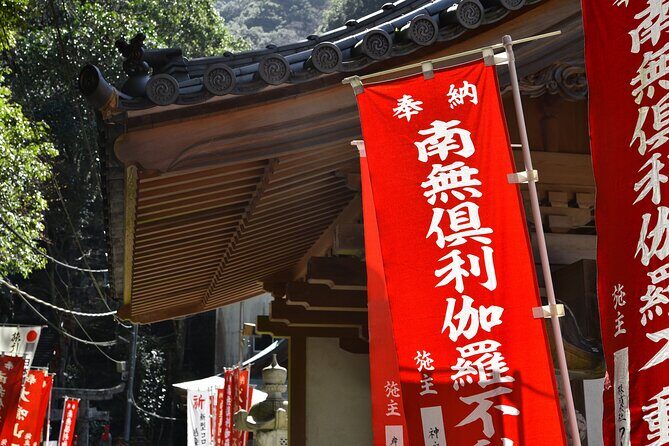
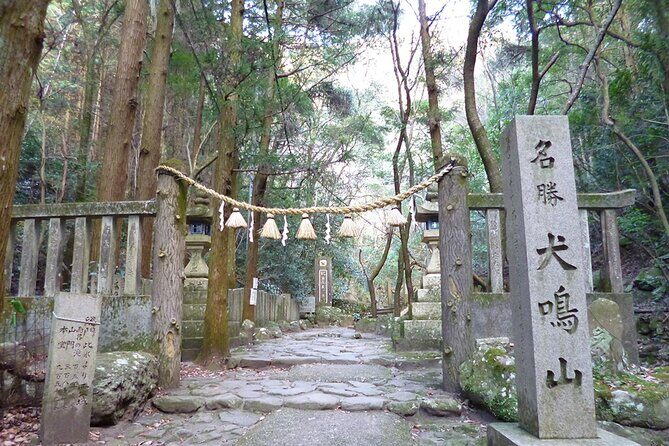
After the hike, you reach Shipporyuji Temple for about 30 minutes. The approach is part of the experience: you’ll see stone pillars lined up on both sides and red and black flags set along the way. It’s a small moment, but it sets your expectations—this isn’t a random stop.
Shipporyuji is described as a Shugendo-style temple, with many shrines and Buddhist statues. What I like about visiting it on this route is that it doesn’t feel separated from the walk; it feels like the destination the mountain has been leading you toward.




Why the guide adds value here
The temple stop is short, so you’ll want to get something meaningful out of it. A good guide story can transform what could have been a quick photo moment into understanding how Shinto and Buddhism syncretize in practice. On this experience, the guide’s local stories are exactly the kind of thing that makes a brief visit feel worth it.
Fudoguchikan hot springs: the calm payoff after walking
When you finish the temple visit, you head back to Fudouguchikan, the hot-spring inn at the entrance of Mt. Inunaki. At this point, the day shifts from motion to recovery. And yes, soaking in a real onsen is the point—this tour is designed so the hike has a built-in landing.
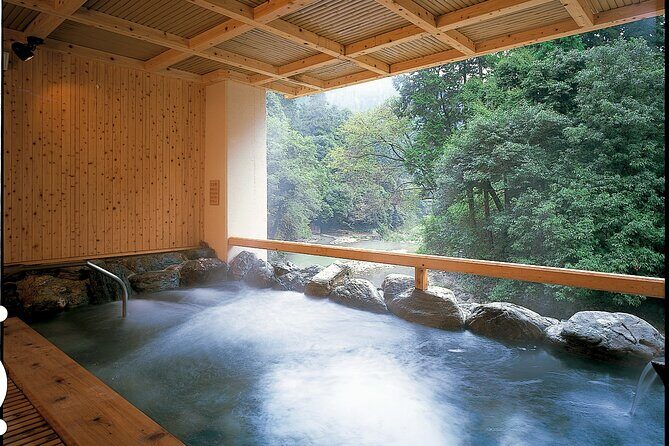
You get about 2 hours at the inn’s onsen facilities. The highlight for many people is the option to bathe in an open-air bath with a view of a mountain stream. Even if you don’t think you’ll notice views much in a soaking session, you will—the outdoor setting makes the temperature changes and the quiet feel more noticeable.
You also get a second pool choice for comfort, so you can switch based on how your body feels after the hike. That flexibility matters. Some people want outdoor calm; others want the easier heat without stepping fully into the open air.
The guide ends when you arrive at the inn
A helpful detail: the guide fee and service are included, but the guide’s service is said to end when you arrive at Fudoguchikan. Practically, that means you’re in the inn setup on your own after the trek, so it’s smart to ask any last questions right before you’re handed off.
Kaiseki lunch in a private room: the part you might not expect
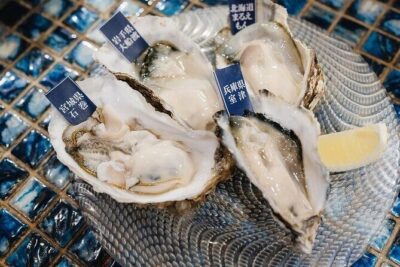
The food here is not an afterthought. You’ll have seasonal kaiseki cuisine in a private Japanese-style room, and that privacy is rare for day trips. It’s also part of the “value feel” of the tour: you’re paying for more than transport and entry fees.
Based on how the meal has been described, it can be more than a normal lunch—one participant noted a very long run of dishes, including more than 30 dishes with seasonal vegetables. Another described an 11-course meal style. Either way, the practical takeaway is this: eat early in the experience, and don’t plan to snack much after.
Why kaiseki works so well after a hike
After walking uphill for hours, your appetite is honest. Kaiseki isn’t heavy in the Western sense, but it’s satisfying because it’s paced and seasonal. You’re not just fueling up; you’re stepping into Japanese dining as a part of the experience, not a stop on the way to something else.
Price and value: what $143.07 actually covers
At $143.07 per person, the headline number can look like “tour pricing,” but the inclusion list makes it easier to justify.
You’re getting:
- Public bus transportation between Izumisano Station and Mt. Inunaki
- Onsen admission at Fudouguchikan
- Guided trekking service (through the hike and temple portion)
- Lunch: seasonal kaiseki in a private Japanese-style room
In other words, the price isn’t just paying someone to point at a temple. You’re paying for a full day package: transport, guide time, entry/on-sen costs, and a meal that can be long and carefully prepared.
Also, the tour notes group discounts and a mobile ticket, which is worth caring about if you’re comparing it to paying separately for transport and onsen access.
Timing and flow: how the day feels hour by hour
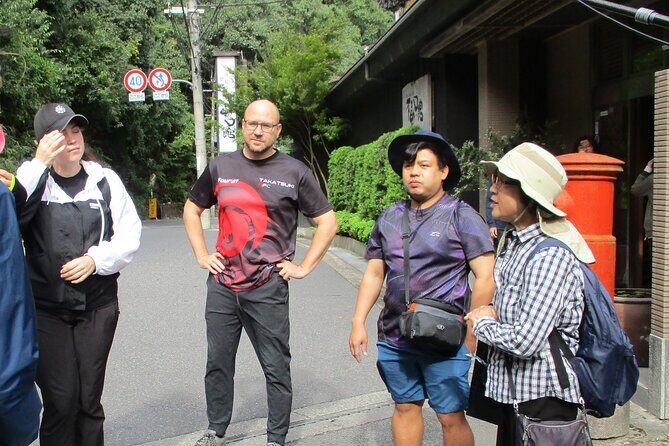
This is about a 7-hour outing, starting at 8:45 am. Most of the time is split between the trekking portion and the temple visit, and then the inn time gives you room to decompress.
Here’s the rhythm you should expect:
- Morning transport from Izumisano Station
- Trek up toward the temple area for roughly 4 hours
- Temple visit for around 30 minutes
- Return to Fudouguchikan
- Kaiseki lunch in your private room, plus onsen bathing time
The biggest practical win is that the schedule prevents decision fatigue. You don’t have to time buses, figure out where to eat, or guess when to soak. Everything is slotted so you can focus on the walk and the recovery.
Who this tour suits best in Osaka: the right kind of traveler
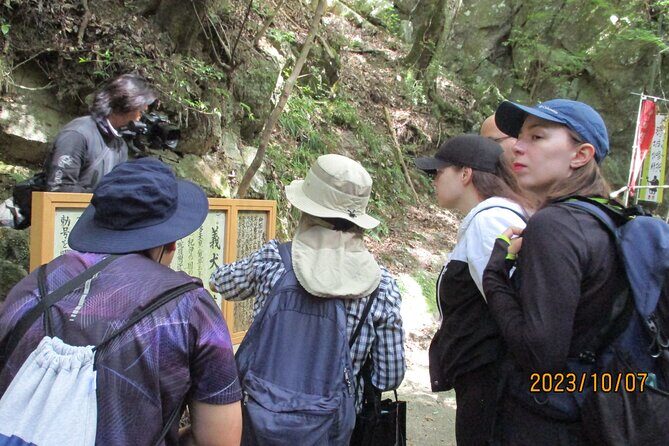
This works especially well if you like:
- Autumn hiking with a destination that has meaning
- Guided context (so the sacred and historical parts land)
- A clean, relaxing end to the day instead of rushing to the next train
It’s also better for people with moderate physical fitness. The tour isn’t described as extreme, but it does include several hours of trekking on a mountain trail. If your fitness level is lower, you might still enjoy the experience—just be honest with yourself about how you handle uneven ground and uphill walking.
It’s also a good match if you want privacy. The tour is described as a private tour/activity with only your group participating, and lunch is in a private room for you. That’s a big quality-of-life upgrade over crowded group tours.
Practical tips to get the most out of it
These are the small choices that make the day smoother:
1) Wear footwear you trust on wet leaves.
Autumn trails can be slippery. Bring shoes with grip, not just “comfortable walking shoes.”
2) Pack light, but bring layers.
It can feel cool in the morning and then change as you hike. Layers let you adjust without stopping constantly.
3) Use your temple time well.
You only get around 30 minutes at Shipporyuji. Look around, read the space with your guide, and don’t spend it all hunting for the perfect photo.
4) Don’t rush the soak.
With open-air onsen time, it’s tempting to hop in and out fast. Give yourself enough minutes to actually settle and cool down after the hike.
5) Come hungry for kaiseki.
The meal is multi-course and can run long. If you snack heavily before you leave, you’ll miss the point.
Cancellation and weather reality: plan for fall conditions
This experience requires good weather. The tour can be canceled due to poor weather, and then you’ll be offered a different date or a full refund. Since the tour is seasonal and the trails matter, I treat weather as part of the planning, not an afterthought.
Should you book this Mt. Inunaki trek and hot springs day?
I think you should book if you want a simple, meaningful autumn day that combines sacred mountain walking, a Shugendo-style temple stop, and a proper hot-spring recovery with kaiseki in a private room. It’s also a strong choice if you prefer guided structure with the guide stepping in where it matters—on the trail and at the temple—and then letting you unwind on your own at the inn.
Skip it if you hate any hiking at all, or if your schedule can’t flex when weather changes. And if you’re expecting a short stroll, this is more of a real hike day than a quick viewpoint loop.
FAQ
Where is the meeting point for this experience?
You start at Izumisano Station at 3-chōme-11-41 Uemachi, Izumisano, Osaka 598-0007, Japan.
What time does the tour start and how long does it last?
It starts at 8:45 am and lasts about 7 hours (approx.).
What does the tour include for transportation?
It includes a public bus ticket between Izumisano station and Mt. Inunaki.
What will I do on Mt. Inunaki?
You’ll hike up Mt. Inunaki to Shipporyuji Temple with a guide through the forest area, then return to Fudouguchikan.
How long is the temple visit?
The visit at Shipporyuji Temple is about 30 minutes.
What is included at Fudouguchikan?
You’ll have onsen admission and bathing time, and you’ll also enjoy a seasonal kaiseki lunch in a private Japanese-style room.
Are there different hot spring bathing options?
Yes. You can choose between two types of hot spring pools, including an open-air bath with a view of a mountain stream.
What fitness level is required?
The tour is described as requiring moderate physical fitness.
What is not included in the price?
Insurance and personal expenses are not included.
Is it affected by weather?
Yes. The experience requires good weather; if it’s canceled due to poor weather, you’ll be offered a different date or a full refund.