REVIEW · IZUMISANO
Mt. Inunaki Trekking and Goma Prayer Experience in Osaka
Book on Viator →Operated by icpトラベル · Bookable on Viator
Fire, forest, and hot springs in one morning. This Mt. Inunaki Trekking and Goma prayer experience ties a nature hike to a real mountain-ritual setting at Mt. Inunaki, with a calm finish in the local onsen. You’ll get guided time in the sacred precincts, including a visit to the temple main hall shortly before the ceremony starts.
Two things I really like: the way the day mixes walking in the woods with the Shugen-do focus of the ritual, and the human touch from the guide. People doing this have specifically praised guides like Ryusuke and Yuko for clear English and thoughtful explanations while you’re moving through the forest and temple grounds.
One consideration: lunch isn’t provided on this route. You’ll want a light meal ready to go (there’s a Seven-Eleven at Izumisano Station), because the itinerary gives you hiking + ceremony time, not a sit-down lunch stop.
In This Review
- Key highlights to look for
- Mt. Inunaki starts in Izumisano, not at a hotel
- The 7-hour hike: paced, spiritual, and very outdoors
- What to expect on the trail
- Shiporyuji Temple and the Goma fire ceremony
- Why arriving early matters
- The tone: calm, respectful, and guided
- Soak time at Inunakiyama Onsen Fudouguchikan (or Minamitei)
- Important: renovation window in 2026
- What to bring for a smooth onsen finish
- Price and value: why $146.59 can work (if you want this exact mix)
- Logistics that actually matter: timing, food, and gear
- Lunch: plan a light meal
- Weather: the tour needs good conditions
- Wildlife and surprises
- Who should book this, and who might not love it
- Should you book Mt. Inunaki + Goma Prayer?
- FAQ
- Where is the meeting point?
- What time does the tour start?
- How long is the tour?
- Is lunch included?
- What does the tour include?
- What is the schedule for the main stops?
- Do I need to pay admission fees?
- What happens if Inunakiyama Onsen Fudouguchikan is closed?
- What’s the cancellation policy?
- Is this tour private, and can I bring a service animal?
Key highlights to look for
- A Goma fire ceremony at Shiporyuji, with you arriving in the main hall about 15 minutes before it begins
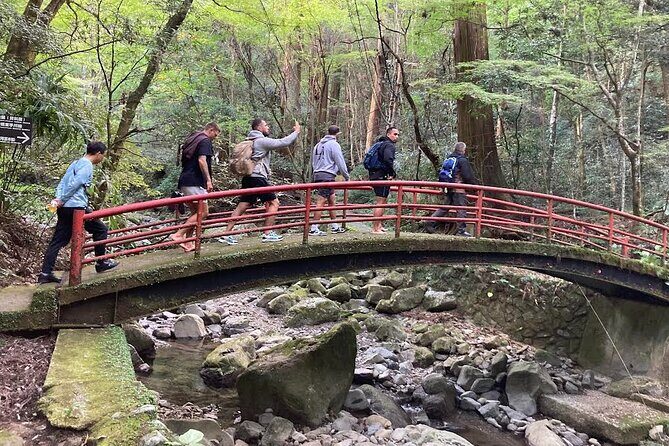
- Forest hiking with Yamabushi training context, as you move up toward the temple area
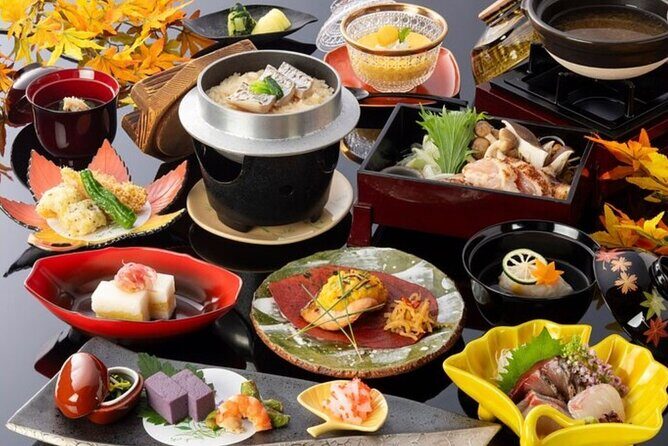
- A relaxing onsen stop after the ritual, with two pool styles including an open-air bath looking over a mountain stream
- A guide-led pace that makes time for photos and time to eat a light lunch you bring
- English-speaking guidance from staff such as Ryusuke and Yuko, plus room for questions
Mt. Inunaki starts in Izumisano, not at a hotel
The day begins at Izumisano Station (meeting at 3-chōme-11-41 Uemachi). The start time is 8:45am, and you return to the same meeting point at the end, so you’re not left managing your own route back in the evening.
You’ll ride a public bus as part of the experience between Izumisano Station and the Mt. Inunaki area. I like this setup because it keeps the day simple: you show up, hop on the included bus, and the route is handled. It also helps you avoid the common problem of “I’ll get there on my own,” followed by a scramble to find the right trailhead.
This is also a private group in the sense that only your party participates. If you’re traveling as a couple or a small group and want fewer crowds than a big coach tour, this format tends to work well.
You can also read our reviews of more hiking tours in Izumisano
The 7-hour hike: paced, spiritual, and very outdoors
Plan for about 7 hours total. The walking portion is guided and structured, but the day still feels like a real hike—woodland, incline, and mountain air. If you like your Japan experiences to be practical and physical (not just “walk in, walk out”), this one hits that sweet spot.
The first mountain stop is centered on Inunakisan. Mt. Inunaki is regarded as one of Japan’s older sacred mountains, and it’s studied in connection with Shugen-do, a mountain ascetic tradition tied to training and spiritual practice. That context matters because the hike isn’t presented as a random nature walk. You’re moving through it with cultural framing, which makes the scenery feel purposeful instead of just scenic.
What to expect on the trail
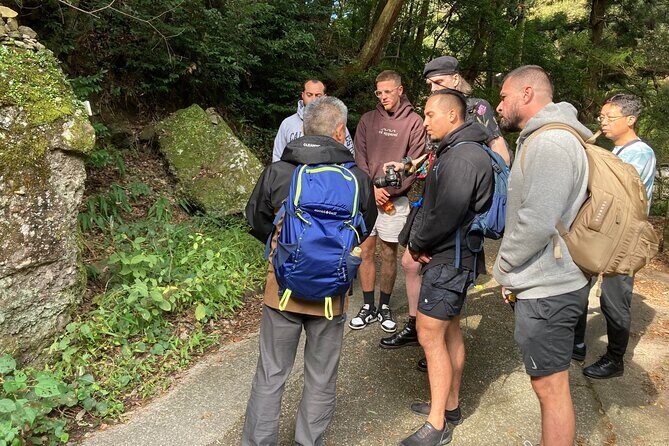
You’ll hike up with your guide through a premival/primitive forest area that’s been associated with a training basement for Yamabushi (Buddhist monk mountain ascetics). The guide’s job here is important: they help you notice what you’re walking past, and you’re not left guessing what the sacred elements mean.
A couple practical notes from what people have described:
- The hike is well paced, with breathing room.
- There’s time for photos, and time to eat a bento/light lunch if you bring one.
If you’re doing this during hot or humid seasons, pack like you mean it. One helpful tip shared by the provider: bring a towel, hat, sunglasses, bug spray, and if bugs bother you, consider a net to keep them off your face.
Shiporyuji Temple and the Goma fire ceremony
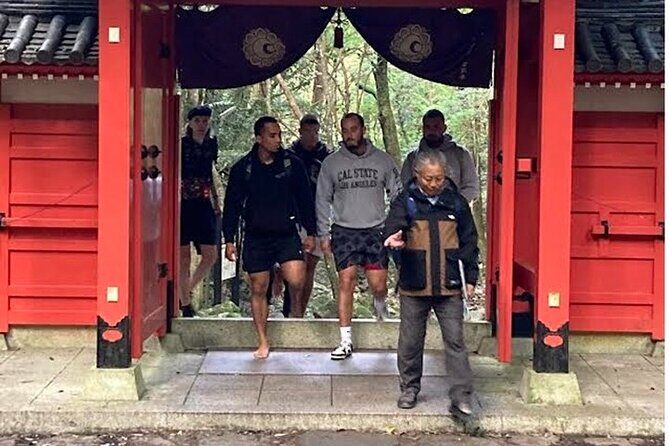
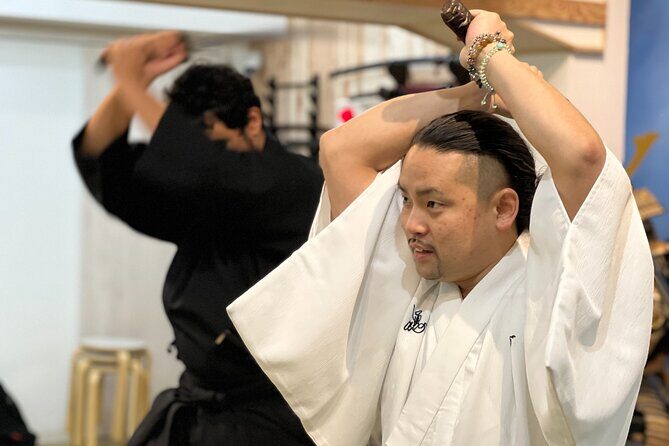
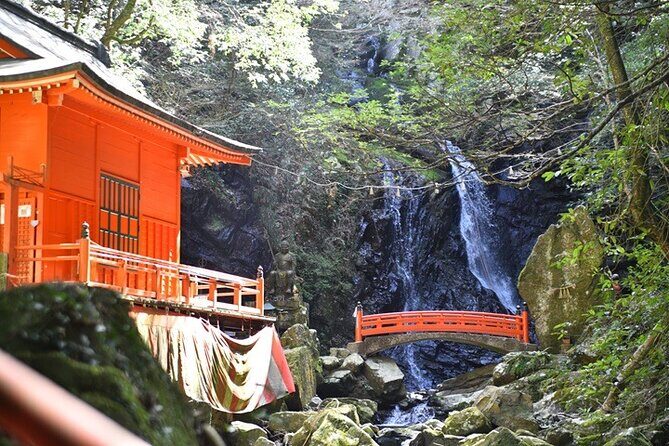
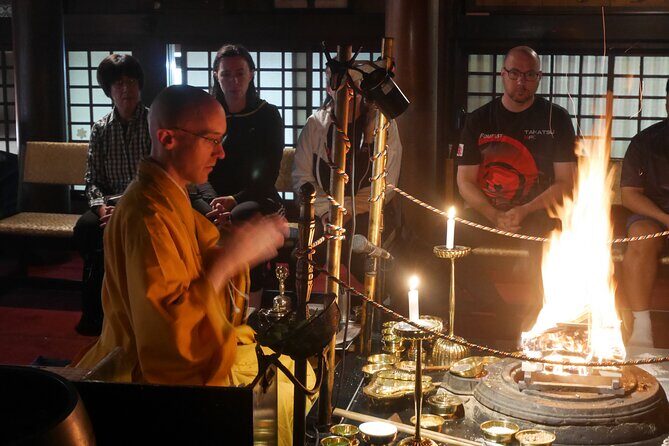
The day’s main spiritual focus is at Shiporyuji Temple Hondō, with the Goma ceremony. “Goma” means to burn—so you can expect a fire-centered ritual meant to symbolically burn away impurities. The tour frames it within Shugen-do, a mountain ascetic tradition where practice is tied to sacred spaces and disciplined routines.
You’ll spend about 2 hours at this stop. The timing is key. The instructions are clear: enter the main hall about 15 minutes before the Goma prayer starts. I like that the schedule gives you a specific window, because it reduces stress. You don’t have to stand around wondering when to move; your guide will help you get into place.
Why arriving early matters
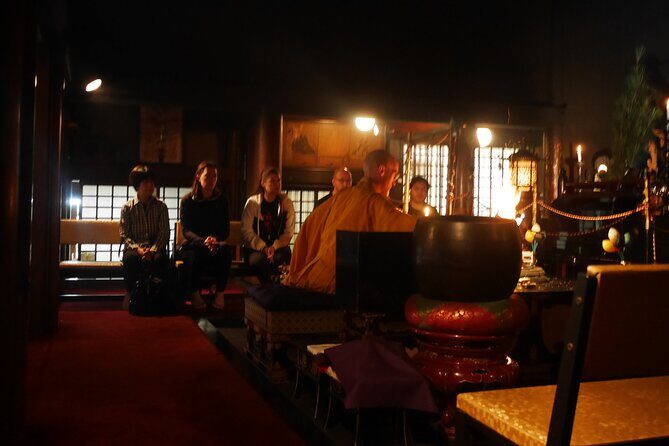
If you arrive late, you might miss the moment where people settle in. And because this is a ceremony, not a museum visit, you’ll benefit from that quiet lead-in—getting settled and watching what’s happening around you. Even if you don’t speak the full ceremony language, presence counts here.




The tone: calm, respectful, and guided
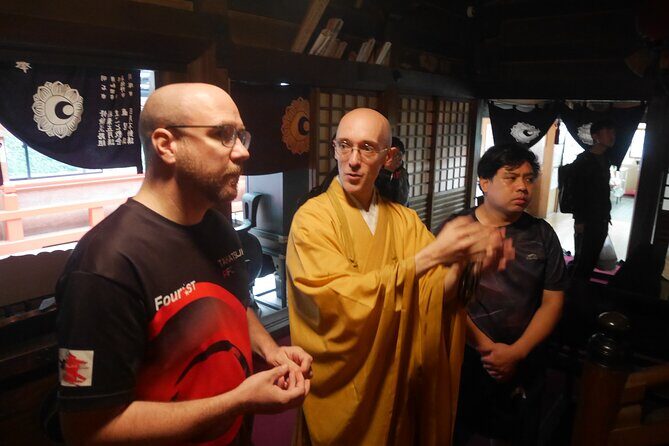
From the experiences people described, the emotional highlight is often the spiritual moment during the ritual itself—calming, peaceful, and memorable. Also, guides like Ryusuke and Yuko were praised for explaining history and meaning in English. That matters because it turns the ceremony from “something I watched” into “something I understood a bit more while I was there.”
Soak time at Inunakiyama Onsen Fudouguchikan (or Minamitei)
After the temple, you head to Inunakiyama Onsen Fudouguchikan. This is where the day shifts gears from spiritual intensity to physical recovery.
The onsen stop is about 2 hours, and the onsen admission fee is included. People particularly like the option for an open-air bath with a view over a mountain stream. It’s the kind of contrast that makes the day feel complete: fire ritual up above, then warm water where you can slow your breathing.
Important: renovation window in 2026
There’s a real-world change you should know. Inunakionsen Fudoguchikan will be temporarily closed for renovation from April 24 to September 30, 2026. During that period, you’ll use the hot spring facilities at Minamitei instead.
If you’re planning around those dates, don’t assume the exact same building. It’s still an onsen finish, but the facility name and specific setup may differ.
What to bring for a smooth onsen finish
You don’t need to pack like you’re going to a huge resort, but do plan for a damp, post-hike reality. Bring a small towel if you have one (you’ll already be glad you did on the trail), and make sure you can change out of sweaty clothes quickly after your hike.
Price and value: why $146.59 can work (if you want this exact mix)
This tour costs $146.59 per person, and it’s commonly booked about 154 days in advance—a sign that the schedule and limited availability can matter.
Here’s the value angle that’s worth paying attention to: the price includes several things that add up in real life:
- Guide fee
- Goma prayer experience
- Public bus ticket between Izumisano Station and Mt. Inunaki
- Onsen admission fee
- Admission is listed as free for the Mt. Inunaki portion, while other stops have listed inclusions
So your extra costs are mainly your own personal expenses and lunch. Since lunch isn’t provided and there’s no meal service on this mountain itinerary, you’re not paying for a guaranteed lunch item—but you also shouldn’t expect one. If you’re comfortable grabbing a light meal before the hike, you’ll likely find the overall package makes sense for a guided, structured day.
If, on the other hand, you hate planning meals and you want everything handled for you, this price might feel less appealing. It’s not a fault of the tour; it’s just how the mountain format works.
Logistics that actually matter: timing, food, and gear
You’re out the door early: 8:45am. That’s normal for mountain days, and it’s one reason the schedule can fit hiking + temple + onsen into one trip.
Lunch: plan a light meal
The tour notes there’s no place to provide lunch on the itinerary. Practically, that means you should prepare a light meal yourself. You’ll find a Seven-Eleven at Izumisano Station, which makes this easier than hunting for food right at the mountain area.
Even though lunch is not provided, people have described being allowed time to eat after the early part of the day. So bring something simple and not too messy.
Weather: the tour needs good conditions
This experience requires good weather. If the tour is canceled due to poor weather, you’ll be offered a different date or a full refund. In other words: don’t book this as a last-minute “maybe it works” plan. If forecasts look rough, expect adjustments.
Wildlife and surprises
One neat note from a participant’s experience: an endangered frog sighting was mentioned during the trek. That doesn’t mean you’ll see wildlife every day, but it does suggest the area has enough life to make the hike feel alive beyond just views and temples.
Who should book this, and who might not love it
Book it if you:
- Want a structured cultural day that links nature, Shugen-do setting, and the Goma ritual
- Like having English explanations while walking and learning (guides such as Ryusuke and Yuko were praised for clarity)
- Want an active morning plus a real onsen soak at the end, including an open-air option when available
Skip it (or rethink) if you:
- Need a fully catered day with lunch provided
- Prefer flat, easy sightseeing. This is a hike with mountain pacing, even if it’s guided and well managed
Should you book Mt. Inunaki + Goma Prayer?
I’d recommend booking if you want a day that feels genuinely Japanese in its spiritual rhythm: forest practice context, a temple ceremony with timing you can follow, and a hot spring finish that helps you come down gently after fire and chanting.
Two quick checks before you commit:
- Mark the renovation window (Apr 24–Sep 30, 2026) so you’re not surprised if the onsen facility name changes to Minamitei.
- Plan your light lunch ahead of time at Izumisano Station, since the mountain route doesn’t provide one.
If you handle those two points, this tour is the kind of experience that doesn’t just show you Japan—it gives you a reason to slow down and notice what’s around you.
FAQ
Where is the meeting point?
You meet at Izumisano Station, at 3-chōme-11-41 Uemachi, Izumisano, Osaka 598-0007, Japan.
What time does the tour start?
The start time is 8:45am.
How long is the tour?
It runs about 7 hours (approx.).
Is lunch included?
No. Lunch is not included, and there is no place to provide lunch on this mountain itinerary. You’re advised to prepare a light meal, and there is a Seven-Eleven at Izumisano Station near the meeting point.
What does the tour include?
The tour includes the guide fee, the Goma prayer experience, the public bus ticket between Izumisano Station and Mt. Inunaki, and onsen admission.
What is the schedule for the main stops?
The day includes three main stops: Mt. Inunaki (about 3 hours), Shiporyuji Temple Hondō for about 2 hours, and Inunakiyama Onsen Fudouguchikan for about 2 hours.
Do I need to pay admission fees?
Mt. Inunaki is listed as free for admission. The temple and onsen admission are included as part of the experience.
What happens if Inunakiyama Onsen Fudouguchikan is closed?
From April 24 to September 30, 2026, Inunakiyama Onsen Fudouguchikan is temporarily closed for renovation. During that time, guests use the hot spring facilities at Minamitei.
What’s the cancellation policy?
You can cancel for free up to 24 hours before the experience starts for a full refund.
Is this tour private, and can I bring a service animal?
It’s listed as a private tour/activity, with only your group participating. Service animals are allowed.