REVIEW · TOKYO
Kickboxing & Body Training with EX-Pro Fighter
Book on Viator →Operated by Tokto International Friends & Events · Bookable on Viator
Kickboxing at night beats typical sightseeing. In a one-hour class at East Ikebukuro, you train with ex-pro MMA fighter Kato Sensei and Japanese kickboxer Kato Minoru, mixing technique drills and conditioning in a group capped at 7.
I love how the session is beginner-friendly, with safety talk and stretching coming before pads and mitts. Everything you need is provided, from kickboxing equipment to the gym, so you can focus on form. The workout can feel intense, and bottled water isn’t included, so plan ahead.
In This Review
- Key Highlights You’ll Actually Feel
- Why This Kickboxing Session Fits Real Travel Schedules
- Meeting Point and the Simple Flow of the Night
- Getting Safe Fast With Kato Sensei and Kato Minoru
- From Stretching to Fist and Foam Basics
- Basic Punching and Kicking: Technique That Holds Up Under Fatigue
- Kickboxing Mitt Training: Where Your Timing Improves
- Defense Practice With Protectors: Confidence Over Chaos
- The Weekly Program Idea: How to Keep Progressing
- What You Get for $39: Value Breakdown That Makes Sense
- Who Should Book This (and Who Might Skip)
- A Practical Plan for Your Night
- Should You Book Kickboxing & Body Training With EX-Pro Fighter?
- FAQ
- What’s included in the kickboxing class?
- How long is the experience?
- What does the session cover?
- Is bottled water provided?
- Where is the meeting point, and does the activity end there too?
- How many people are in the group?
- What happens if the experience is canceled due to weather?
Key Highlights You’ll Actually Feel
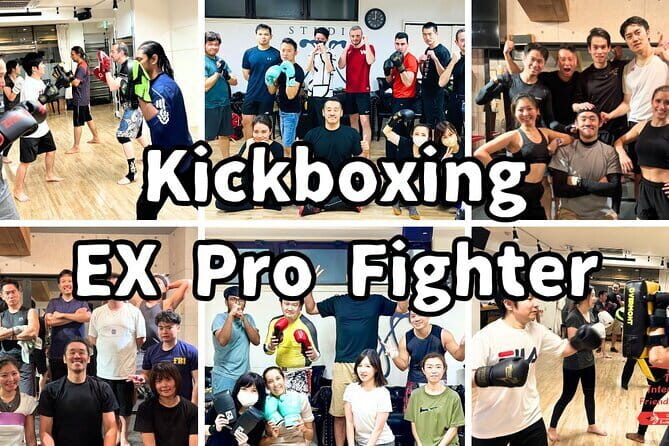
- Ex-pro instruction from Kato Sensei, with technique guidance from Kato Minoru
- Safety first: you get precautions and warm-up before striking drills
- Clear progression: basic steps → punches and kicks → mitt training
- Defense practice with protectors to build control, not chaos
- Small group limit (max 7) for better coaching attention
- A weekly program mindset so you can keep improving after class
Why This Kickboxing Session Fits Real Travel Schedules
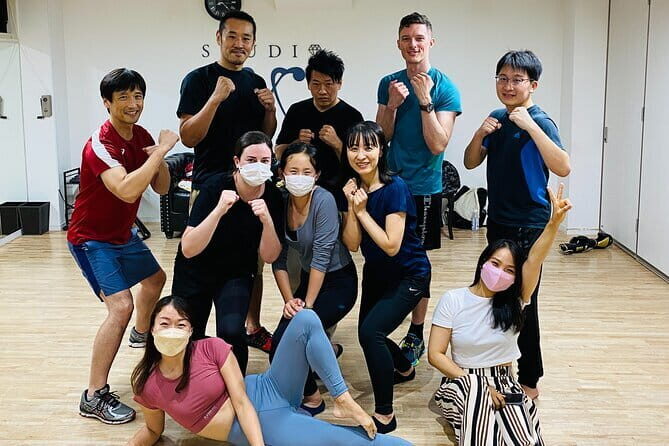
Tokyo is packed. Most nights are either sit-down dinners or crowded attractions. This class is different because it’s a hard reset for your body and your mood, starting at 8:00 pm and running about 1 hour. It’s also a nice way to burn energy without losing an entire day to training.
What I like most is the structure. You’re not thrown into randomness. The session moves in a logical line: safety and warm-up first, then technique, then mitt work, then defense drills. That order matters. It keeps your body from getting sloppy when you’re tired and helps you learn faster because each drill builds on the previous one.
Also, it’s priced at $39 per person, and you’re getting real gym time plus kickboxing equipment. For a professional-led session in central Tokyo, that’s strong value—especially since the group size is capped at 7. You’re paying for coaching and time, not just a ticket for standing around.
One practical note: because it starts late, you’ll want a lighter dinner plan beforehand. If you go in too stuffed, your first warm-up rounds can feel harder than they need to.
You can also read our reviews of more tours and experiences in Tokyo.



Meeting Point and the Simple Flow of the Night
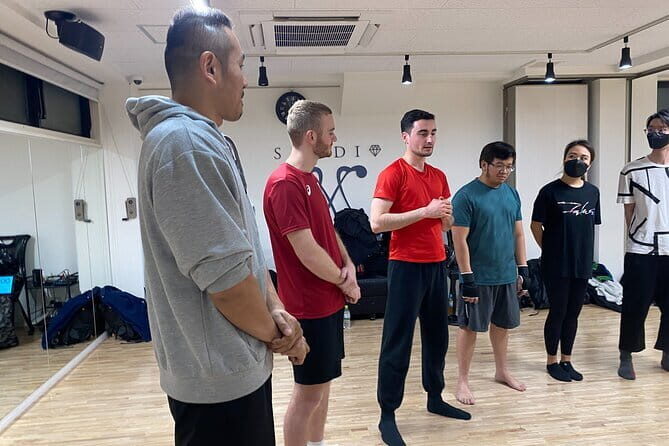
You meet at a very specific location in Toshima City, Higashiikebukuro (2-chōme, Higashiikebukuro area). The address is:
Japan, 170-0013 Tokyo, Toshima City, Higashiikebukuro, 2-chōme4510 東池袋リリエンハイム
The good news for planning is that the class ends back at the meeting point, so you don’t have to puzzle out a second destination. It’s also described as near public transportation, which helps on late nights when you want an easy route home.
You’ll also have a mobile ticket, meaning you can keep things simple on your phone. Just make sure you have that confirmation ready on arrival.
And one more thing that actually affects your comfort: the operator notes that the experience requires good weather. Even if you’re training at a gym, weather can still affect scheduling, access, or what the team decides to do that day. If conditions are bad and they cancel, you’ll be offered another date or a full refund.
Getting Safe Fast With Kato Sensei and Kato Minoru
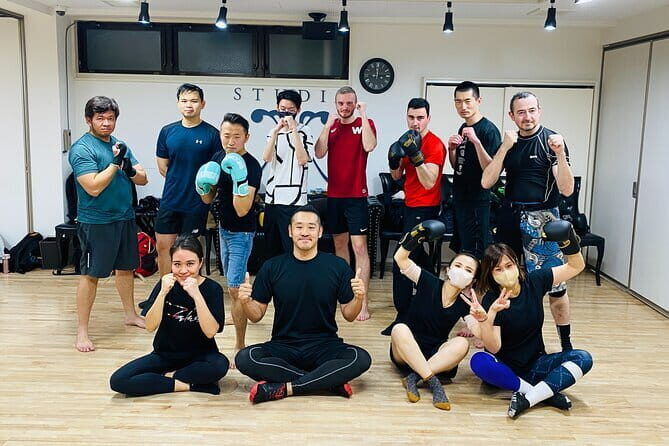
This experience is built around instruction from Kato Sensei, an ex-professional MMA fighter, and Kato Minoru, a Japanese professional kickboxer. That combination shows up in the rhythm of the class.
First, you get an explanation of safety and precautions. This isn’t just a formality. In a sport like kickboxing, the difference between learning and getting hurt can come down to hand placement, stance stability, and how force is used during drills. A short safety talk at the start is exactly what you want, especially if you’re new or returning after time away.
Then you move into stretching. You don’t want your hips and hamstrings to be cold when you start training kicks and stance transitions. This warm-up step is one reason the class can stay beginner-friendly while still feeling like real training.
From the reviews, the coaching approach seems clear and supportive. People say the drills are easy to follow and not strict for beginners. That matters because it means you can learn without feeling embarrassed when your timing is off.
Still, here’s the balance: a structured class can be intense even when it’s friendly. The goal is fitness and skill. So if you’ve been sedentary for a while, expect to feel it by the end of the hour.
From Stretching to Fist and Foam Basics
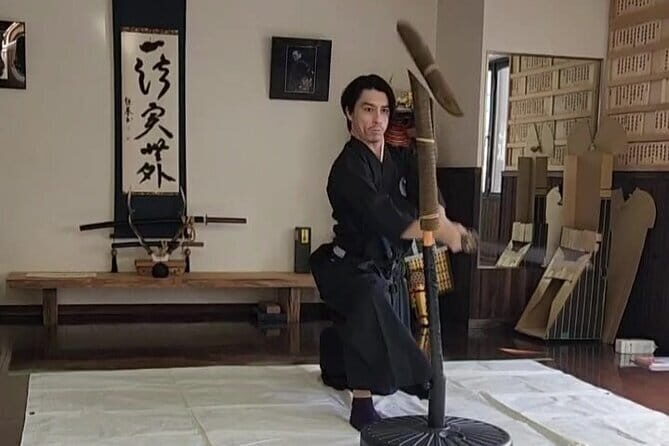
After safety and stretching, the class covers something you don’t always see in tourist-only fitness demos: fist and foam making, plus basic steps.
The idea here is simple. Before you punch and kick at full speed, you need to get the fundamentals right:
- how your fists and strikes should be set up
- how to hold your body and position correctly
- how to move through basic footwork patterns
Even if you don’t know the terminology, you’ll feel the difference when the instructor guides your stance and teaches you how to reset between actions. This kind of early drilling is what makes later mitt training smoother.
It’s also where beginners usually get the most value. Instead of guessing and hoping for the best, you’re given a method. You learn the “why” behind the movement, not only the motion.
And because the class runs about one hour, you don’t have to commit to a long training block. You get the key foundation pieces without burning your whole evening.
Basic Punching and Kicking: Technique That Holds Up Under Fatigue
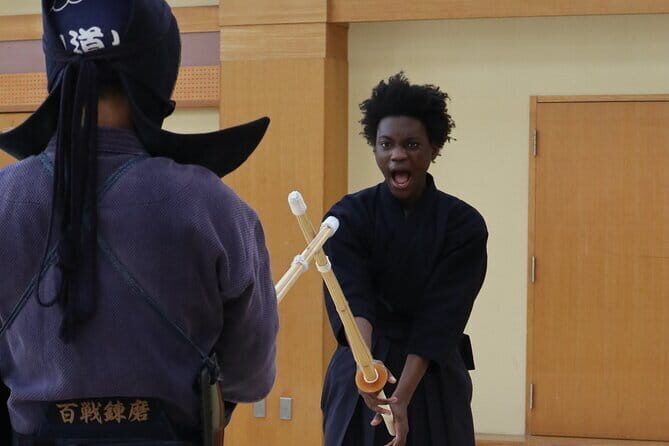
Next comes basic punching and kicking, followed by more structured combinations.
This is the part that often separates a fun workout from an actual training session. A good coach doesn’t just tell you to throw punches. They help you throw punches with form that survives contact—like when your arms start to shake and your breathing changes.
From feedback, the lessons are described as intense and well-structured, focusing on technique, conditioning, and combinations. That combination is important:
- Technique keeps you from developing sloppy habits.
- Conditioning makes it real.
- Combinations teach you how actions connect in sequence, not as separate moves.
If you’ve never done kickboxing before, you might still pick up the “flow” because the progression is logical: basics first, then pairing movements. That’s also why the class can work for people who want a first step into kickboxing.
What I’d watch for is ego. If you try to go too fast right away, your form will break and the drill won’t teach you much. Slow down, focus on placement, and you’ll get more out of the hour.






Kickboxing Mitt Training: Where Your Timing Improves
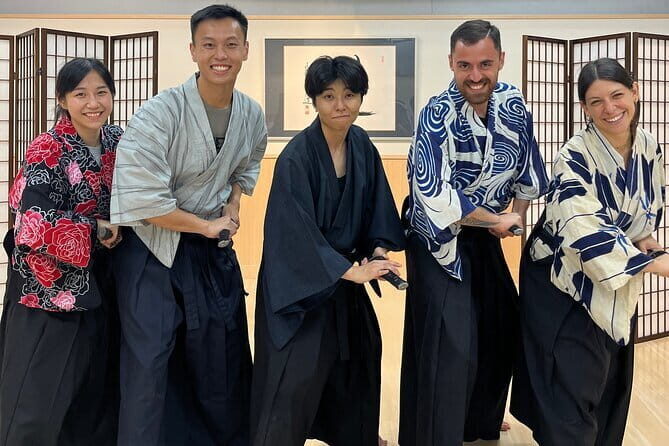
Then you move into kickboxing mitt training. This is where the class tends to feel exciting. Mitt work forces you to hit with intent and timing. You also get instant feedback because the target isn’t moving randomly; it’s controlled by the instructor or partner setup.
For you, this stage matters because it turns technique into something practical:
- your stance becomes more stable
- your punches and kicks become more coordinated
- you learn how to return to guard after each strike
It’s also where many people notice fitness improvements. Even without sparring, you’re repeatedly moving, striking, and resetting. That’s conditioning disguised as skill practice.
One caution: mitt rounds can feel tougher than bag work because you’re aiming at a specific target with correct timing. Don’t fight the structure. If you keep trying to brute-force speed, you’ll tire faster than you need to.
Defense Practice With Protectors: Confidence Over Chaos
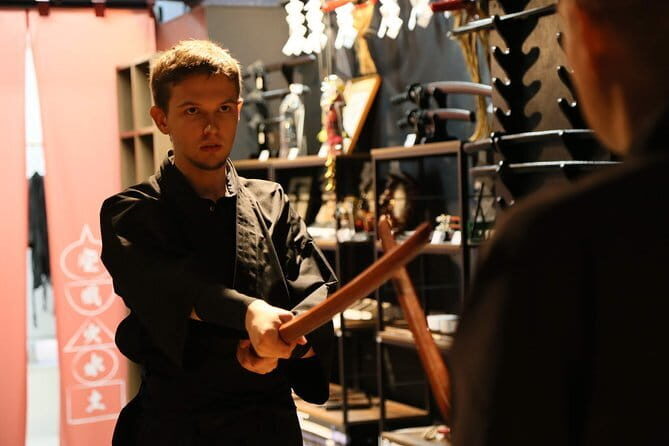
After offense training, you shift into defense practicing with protectors. That “protectors” detail is important because it signals a safer format for practicing reactions and blocking without going full-contact.
Defense training is the part many beginners underestimate. It’s not just a defensive move list. It’s also about awareness:
- recognizing when to guard
- resetting your posture
- staying balanced so you can respond
When defense is trained well, it gives you confidence. You stop thinking only about hitting and start thinking about what happens when someone comes at you. That mindset makes you feel more capable, even if you’re still learning the basics.
And because the session uses protectors, you can practice without the same level of risk you’d face in uncontrolled sparring. That’s the practical value of a planned class.
From the review notes, the instructor provides clear guidance. Clear guidance is what prevents defense drills from turning into panic. You want coaching that keeps your head in the right place.
The Weekly Program Idea: How to Keep Progressing
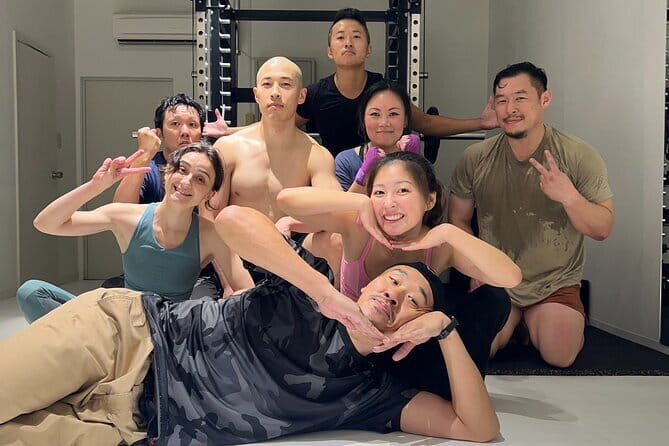
The session includes a weekly program. That tells me this isn’t meant to be a one-off performance. It’s designed to give you a path for continuing training, even if you’re just visiting Japan for a short trip.
The key value here is momentum. One hour teaches you a snapshot of the techniques. A weekly program gives those techniques a place to grow. Even if you do only a few sessions, the structure helps you remember what to repeat and what to fix first.
In other words, this class is not just about getting sweaty. It’s about leaving with something you can practice or request again later.
If you’re the type who likes to train while traveling, you’ll likely enjoy the idea of building a simple rhythm into your week.
What You Get for $39: Value Breakdown That Makes Sense
Let’s talk money. $39 per person for about one hour with:
- kickboxing equipment included
- the gym included
- professional instruction from Kato Sensei and Kato Minoru
- a small group size (max 7)
That’s the big value story. You’re paying for the setting and coaching attention. If you tried to DIY kickboxing training in Tokyo, you’d still need gear, a safe space, and someone to correct your form. Here, that package is built in.
What’s not included is bottled water. That’s small but important. Kickboxing makes you thirsty fast, so you don’t want to be halfway through drills thinking about where to buy a drink. Either bring your own bottle before you arrive or plan to grab one nearby beforehand.
Also, the class is labeled as mobile ticket, which is convenient for travel days. You won’t need complicated paperwork.
One more practical detail: it’s commonly booked about 38 days in advance on average. That suggests demand. If you want a spot, don’t leave it to the last minute.
Who Should Book This (and Who Might Skip)
You’ll probably enjoy this class if you:
- want a structured way to try kickboxing in Tokyo without a huge time commitment
- prefer instruction with basics, not random cardio-only workouts
- like the idea of meeting new people while training
People also say it’s a great start for those who want to get into kickboxing and body training, with lessons described as easy to follow and not strict for beginners.
You might choose a different option if:
- you’re looking for a gentle stretch-and-smile workout
- you hate feeling challenged physically, even when coaching is supportive
- you don’t plan for water (since bottled water isn’t included)
A Practical Plan for Your Night
Here’s how I’d set yourself up for a smooth session:
- Eat a lighter meal before the 8:00 pm start.
- Bring a water bottle or plan to buy water beforehand.
- Arrive a bit early so you can settle in and focus on the warm-up.
- When drills ramp up, commit to form before speed. Your body will learn faster.
If you go in ready to learn, you’ll come out with more than soreness. You’ll leave with actual technique cues and a better sense of how kickboxing movements connect.
Should You Book Kickboxing & Body Training With EX-Pro Fighter?
Yes, book it if you want a real kickboxing workout with professional guidance in a small group and you’re okay with intensity. The strongest reasons to choose this session are the clear structure, the safety-first start, and the combination of offense plus defense practice with protectors. Plus, at $39 with equipment and gym included, the value is hard to beat.
Skip it or look for something softer if you want a casual fitness class only. This is training. Even when it’s beginner-friendly, it still has conditioning and combinations that will push your body.
If you want one memorable Tokyo night that’s active, coached, and actually helps you improve, this is a smart choice.
FAQ
What’s included in the kickboxing class?
Kickboxing equipment and the gym are included.
How long is the experience?
It runs for about 1 hour.
What does the session cover?
The class includes safety and precautions, stretching, fist and foam making, basic steps, basic punching and kicking, kickboxing mitt training, defense practice with protectors, and a weekly program.
Is bottled water provided?
No, bottled water isn’t included.
Where is the meeting point, and does the activity end there too?
You meet at Japan, 170-0013 Tokyo, Toshima City, Higashiikebukuro, 2-chōme4510 東池袋リリエンハイム, and it ends back at the meeting point.
How many people are in the group?
The maximum group size is 7 people.
What happens if the experience is canceled due to weather?
If it’s canceled due to poor weather, you’ll be offered a different date or a full refund.