REVIEW · TOKYO
Private Kamakura Early Morning Tour (Tokyo Departure Available)
Book on Viator →Operated by GuideMe Japan · Bookable on Viator
Kamakura before the day gets loud is special. This private, early-morning outing is built around four major sights, led in English, and timed so you get out of Tokyo for a calmer, temple-filled stretch. You’ll start from Kamakura Station and spend about six hours seeing the kind of medieval icons people travel across the world for.
I like that the tour keeps things small (max 8 guests). That makes it feel more like a guided walk with a real human than a fast-moving crowd problem. I also like the guide style: local students lead you through the day with context, so places like the Kannon statue and the Great Buddha land as more than just photo stops.
One thing to consider: admission tickets are not included at the temples/shrines, and the day calls for moderate physical fitness. Hasedera sits on a hillside, so you should expect some uphill walking as part of the experience.
In This Review
- Key things to know before you go
- Why the Kamakura early-morning plan works from Tokyo
- The small-group setup: max 8, private pace, real guide time
- Stop 1: Hasedera Temple and the Kannon with 11 heads
- Stop 2: Kotoku-in (Great Buddha of Kamakura) up close
- Stop 3: Hōkōku-ji Bamboo Temple for a quiet reset
- Stop 4: Tsurugaoka Hachimangū and samurai-era roots
- Price and logistics: what $54.87 covers (and what it doesn’t)
- Timing the day: how the 6-hour flow feels in practice
- Who this tour suits best
- Should you book the Private Kamakura Early Morning Tour?
- FAQ
- Is this a private tour?
- How long is the Kamakura tour?
- What’s included in the price?
- Are temple and shrine admission tickets included?
- Where does the tour start and end?
- Does the tour return to Tokyo?
- What physical level is required?
Key things to know before you go
- Early start, four big stops: A smooth morning flow across Hasedera, Kotoku-in (Great Buddha), Hōkoku-ji (Bamboo Temple), and Tsurugaoka Hachimangū.
- Max 8 guests: Private-tour feel, easier pacing, and more time for questions.
- English-speaking local student guides: Explanations are part of the value, not an afterthought.
- Transport included one-way (Tokyo option): You’re covered to Kamakura, but not back to Tokyo if you choose that departure option.
- Mobile ticket: Handy for check-in without digging through paper.
- Tickets for sights are extra: Budget time and money for admissions at each stop.
Why the Kamakura early-morning plan works from Tokyo
Kamakura is close enough to treat as a day trip, but it still feels like a different world from central Tokyo. The best part of this tour format is that it leans into that difference right away: you’re heading into the Kamakura temple circuit with a clear order, rather than wandering around trying to stitch sights together yourself.
This matters because Kamakura’s highlights are spread out. The tour strings them into a logical route, so you spend your time looking at temples and views instead of studying maps between neighborhoods. And since the day is about six hours, it’s long enough to do the classics properly without turning into an exhausting all-day slog.
You also get a practical bonus if you choose the Tokyo Station departure option: the transportation fee to Kamakura is included. That one-way coverage alone helps this feel like a fair deal, especially if you don’t want to manage rail transfers on a tight schedule.
You can also read our reviews of more private tours in Tokyo

The small-group setup: max 8, private pace, real guide time
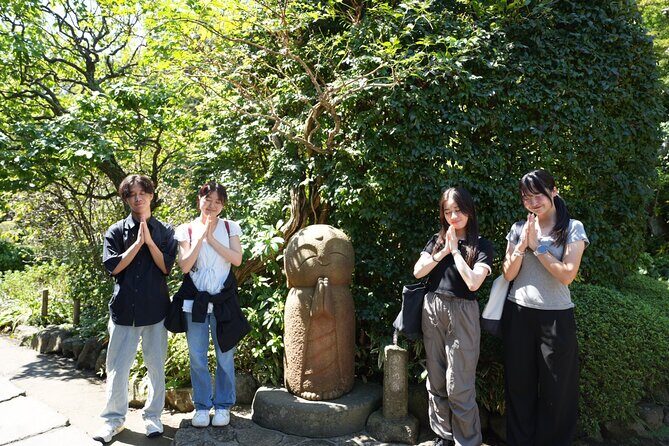
This is a private tour/activity, and the group size caps at 8 guests. That sounds like a small detail, but it changes the experience. With fewer people, your guide can actually slow down when something is interesting, and you can ask questions without waiting your turn.
The tour is run by GuideMe Japan and led by English-speaking guides who are local students. That mix is part of the charm. You’re not just getting a checklist—you’re getting someone who can explain why these places matter in Japanese history and daily culture.
In the early part of the tour, the guide also helps with orientation. One traveler noted they were a bit lost at the start, and the guide located them quickly. That’s exactly the kind of reassurance you want when you’re meeting somewhere busy like Tokyo Station or aligning at the start point.
And yes, the tour uses a mobile ticket, which is a small modern convenience that makes check-in simpler.
Stop 1: Hasedera Temple and the Kannon with 11 heads
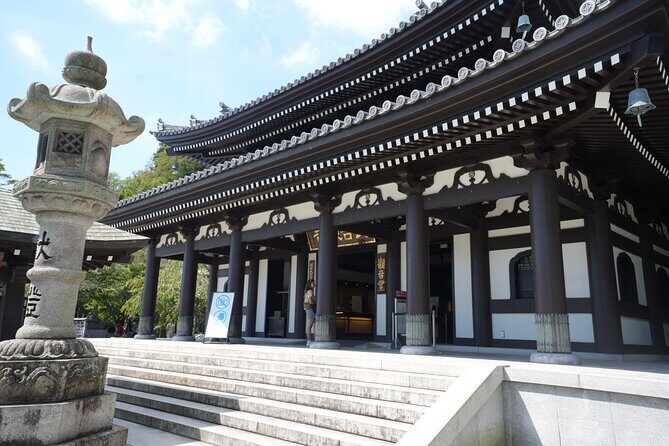
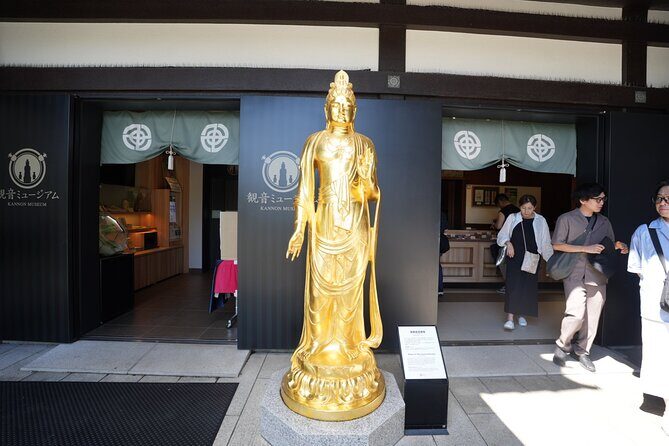
Hasedera Temple is the kind of start that sets the mood. It’s perched on a hillside, and it’s known for two big draws: breathtaking coastline views and a standout spiritual artwork—an 11-headed statue of Kannon, the goddess of mercy.
This is a great first stop because it gives you a fast sense of place. Kamakura isn’t only about big religious monuments; it’s also about how temples sit in real terrain—hills, routes, and viewpoints. Hasedera’s hillside setting turns the visit into both scenery and shrine experience.
Plan for a bit of physical effort. Since the temple is on a hillside and the tour expects moderate fitness, you’ll likely be walking uphill at least some of the time. If you’re the type who enjoys taking your time, this stop is a good place to do it—you’ll want a moment to look out and to understand what you’re seeing rather than rushing right through.
Admission tickets are not included, so you’ll need to cover that directly for this stop.
Stop 2: Kotoku-in (Great Buddha of Kamakura) up close
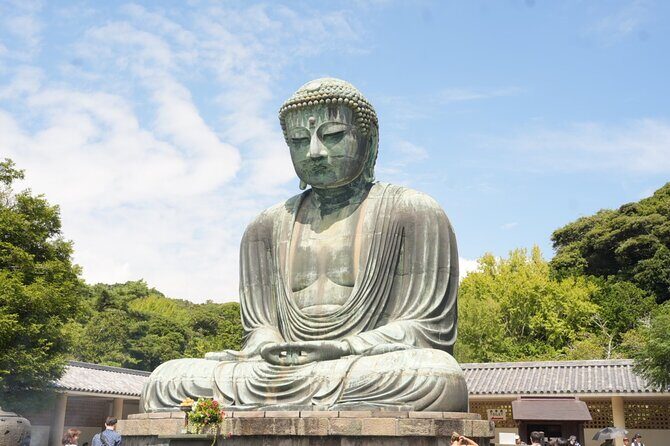
From Hasedera’s views, the tour pivots to one of Japan’s most recognizable statues: Kōtoku-in Temple and the Great Buddha (Daibutsu) of Kamakura.
The scale is the headline. This is a bronze figure dating back to the 13th century, and it stands over 11 meters tall. Even if you’ve seen Buddha statues in books, seeing one in person at that height has a way of changing your sense of proportion. Your brain stops comparing and just starts taking it in.
What I like about putting Kotoku-in second is the contrast. You go from hillside calm and coastal outlooks to a monument that feels timeless and weighty. The statue is described as serene, and the tone of the experience fits: you’re meant to slow down and look rather than race from detail to detail.
Again, admission tickets for this stop are not included, so make sure you have a plan to purchase them on the day. Budgeting for admissions is also part of getting good value out of this kind of tour—when you know what’s extra, the included guide time feels even more worthwhile.
Stop 3: Hōkōku-ji Bamboo Temple for a quiet reset
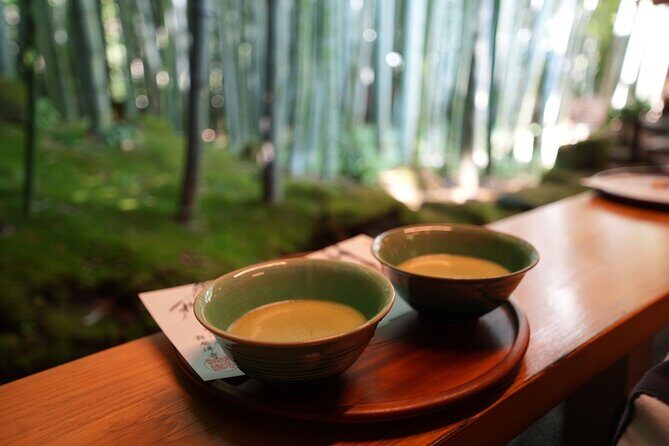
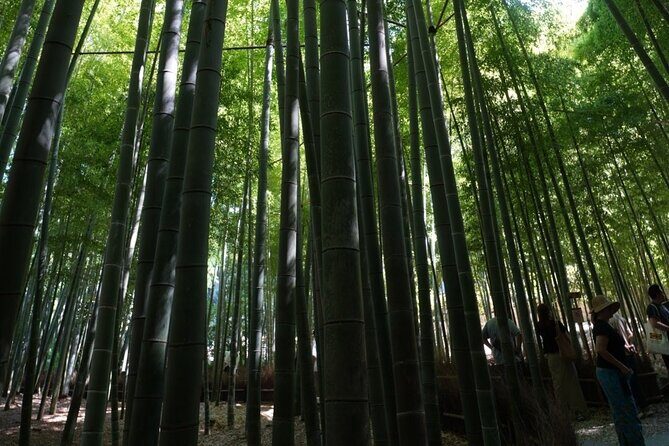
Then the route shifts into something completely different: Hōkoku-ji, often called the Bamboo Temple. This stop is famous for its bamboo grove—a peaceful retreat inside a Zen temple setting.
If you’ve ever been tired by major sightseeing days, you’ll appreciate why this stop sits in the middle. After the Great Buddha’s monumental presence, the bamboo grove gives you a lighter, more calming kind of attention. It’s a chance to slow your pace and reset your eyes.
This is also one of those places where the value of a guide shows. A local student can help you understand what you’re looking at—how bamboo growth, Zen temple atmosphere, and the overall quiet rhythm fit together—so you’re not just strolling through plants and hoping the mood hits.
Admission tickets are not included here as well. Since the tour keeps each stop to about an hour, you’ll want to use that time on purpose: walk slowly enough to enjoy the grove, and don’t feel pressured to sprint through just to check a box.
A few more Tokyo tours and experiences worth a look




Stop 4: Tsurugaoka Hachimangū and samurai-era roots
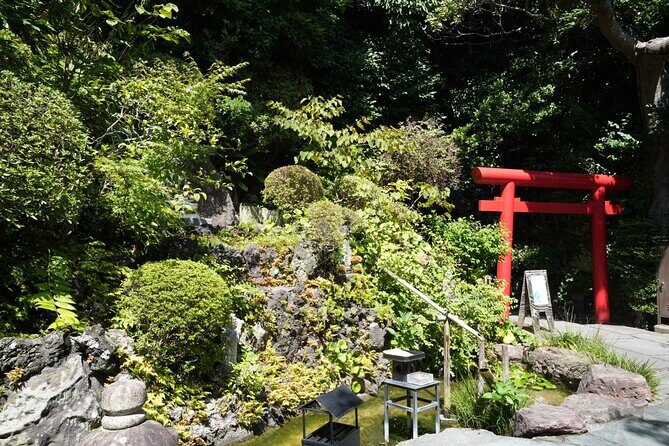
Finish in a place tied to Kamakura’s samurai heritage: Tsurugaoka Hachimangū. This is described as Kamakura’s most important Shinto shrine, and it’s closely connected to the city’s medieval political life.
What makes this stop click is the foundation story. It was founded by Minamoto no Yoritomo, the first shogun. If you like understanding the bigger frame behind what you see, this is the stop that ties the day to the “why” behind Kamakura’s importance.
As a last stop, it works because it broadens your perspective. The first half of the day focuses on Buddhist temples and major monuments, and the final stop reminds you Kamakura’s spiritual landscape also sits inside Japan’s Shinto tradition and warrior history.
The tour again notes that admission tickets are not included for this stop, so plan for that cost at the shrine as well.
Price and logistics: what $54.87 covers (and what it doesn’t)
At $54.87 per person, this tour can feel like a bargain or a fair deal, depending on how you handle the add-ons. Here’s the honest breakdown based on what’s included.
Included:
- English-speaking guide
- Transportation fee from Tokyo to Kamakura (when you choose the Tokyo Station departure option)
Not included:
- Food and drinks
- Admission tickets at each stop
Also important: if you choose the Tokyo Station departure option, the transportation fee covers getting you to Kamakura, but not the return back to Tokyo because the experience ends in Kamakura. The good news is you’ll have a choice of what you want to do next, including whether to stay in Kamakura or go back with the guide.
So is the price good value? For me, it is when you count the included guide time plus the fact that you’re covering multiple major sights in one smooth morning window. It’s less of a steal if you’re planning to self-guide anyway and would likely buy the same tickets on your own. But even then, the small-group, English-speaking structure helps you avoid the coordination hassle.
Timing the day: how the 6-hour flow feels in practice
The tour runs about six hours and each main stop is around one hour. That creates a steady rhythm: see, pause, learn, move on. You’re not stuck in one place forever, but you also aren’t sprinting past everything.
This pacing matters for two reasons.
First, it keeps your energy stable. A six-hour temple day is manageable when the time is broken into clean segments. You still need moderate fitness for the overall walking, but the schedule doesn’t constantly demand extra-long stretches at one site.
Second, it helps you absorb what you’re seeing. With shorter blocks, the guide can add context at the right moment—like explaining what the Kannon statue represents or giving historical background before you look at the Great Buddha.
If you want an early-morning start for a quieter vibe and an efficient itinerary, this kind of structure is exactly what you’re paying for: fewer decisions, better flow, and a guide who keeps the day moving.
Who this tour suits best
This works especially well if you:
- Want classic Kamakura highlights without building a plan from scratch
- Prefer a small group and a guide who can answer questions in English
- Enjoy temple visits that come with historical and spiritual context, not just directions
- Would rather pay for organized transport than manage Tokyo-to-Kamakura timing on your own
It may be less ideal if you:
- Are very price-sensitive and plan to skip admissions wherever possible (since tickets are not included)
- Have trouble with moderate walking due to the hillside nature of at least one stop
Should you book the Private Kamakura Early Morning Tour?
Yes, I think you should book this if you want a calm, structured Kamakura day that still feels personal. The combination of small group size, an English-speaking local student guide, and a route built around major sights makes it an easy way to get real value out of a half-day trip.
Book it especially if you choose the Tokyo Station departure option and want the one-way transport handled. You’ll start with momentum, hit the key places in a sensible order, and end in Kamakura where you can decide your next move.
Skip it if you’re mainly hunting for spontaneous wandering and don’t want to budget for admission tickets at each stop. If that’s you, self-guiding might be cheaper. But for most people, the guide-led flow is what turns these famous names into a day you actually remember.
FAQ
Is this a private tour?
Yes. It’s private, and only your group participates.
How long is the Kamakura tour?
It’s listed as about 6 hours.
What’s included in the price?
You get an English-speaking guide, and if you choose the Tokyo Station departure option, the transportation fee from Tokyo to Kamakura is included.
Are temple and shrine admission tickets included?
No. Admission tickets are not included for the listed stops.
Where does the tour start and end?
It starts and ends at Kamakura Station (1-chōme-1-15 Onarimachi, Kamakura, Kanagawa).
Does the tour return to Tokyo?
If you choose the Tokyo Station departure option, the included transport covers getting you to Kamakura but not the return. You can choose whether to stay in Kamakura or go back with the guide.
What physical level is required?
The tour asks for a moderate physical fitness level.