REVIEW · OSAKA
Samurai dress-up and shows, plus Tea Ceremony & Calligraphy
Book on Viator →Operated by 道-michi- · Bookable on Viator
Samurai armor and tea in one sit-down. This Osaka experience strings together samurai dress-up and energetic calligraphy lessons, all with live traditional performances, so you get action and craft in the same place. It also happens indoors, which is a big deal when Osaka weather flips the script.
I like that you’re not stuck watching only. You actually participate in the tea ceremony and the writing lesson, and you get taken care of by staff who keep things friendly and organized. One thing to consider: the optional kimono costs extra (¥19,800 per person), so decide early if you want to add that.
In This Review
- Key highlights to plan around
- Samurai armor, shows, tea, and calligraphy in one Osaka package
- Where you go: Shinsaibashi area, easy from Dotonbori
- The 3-hour flow: how the day actually feels
- Suit up and step into the samurai world
- Choose what to do first (and let staff guide you)
- Tea ceremony: the reset button
- Calligraphy workshop: make something you can keep thinking about
- Live traditional music stays in the mix
- Price and value: what you’re really paying for
- Indoor comfort: great year-round, with one trade-off
- Practical stuff that actually matters on arrival
- Who this is best for (and who might skip it)
- The staff make the difference
- Should you book this Osaka samurai, tea, and calligraphy experience?
- FAQ
- How long is the experience in Osaka?
- Where is it located relative to Dotonbori?
- What is included in the price?
- Is a locker provided?
- Are the activities indoors?
- Do I have to pay extra for a kimono?
- Is there WiFi during the experience?
- What drinks are provided?
- Do I use a mobile ticket?
- Can I cancel for free, and up to when?
Key highlights to plan around
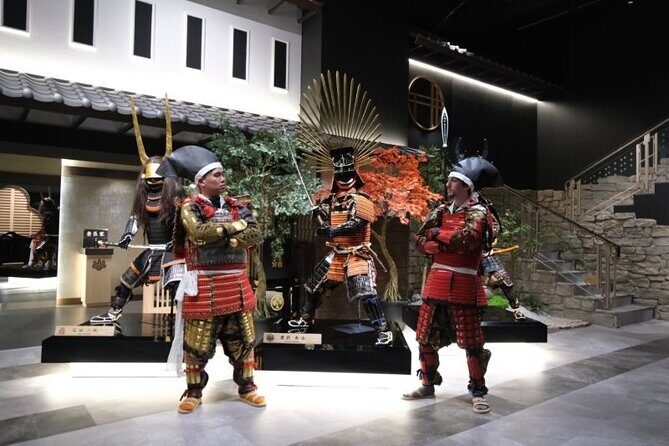
- Samurai armor + sword performance: dress for the part, then watch the real show go down.
- Tea ceremony + calligraphy: a calmer, hands-on contrast to the stage action.
- Live traditional music: not just background sounds, but part of the experience flow.
- You can choose how to start: staff guide you on the order of activities you begin with.
- Indoors all the way: easier year-round than hopping between multiple stops.
Samurai armor, shows, tea, and calligraphy in one Osaka package
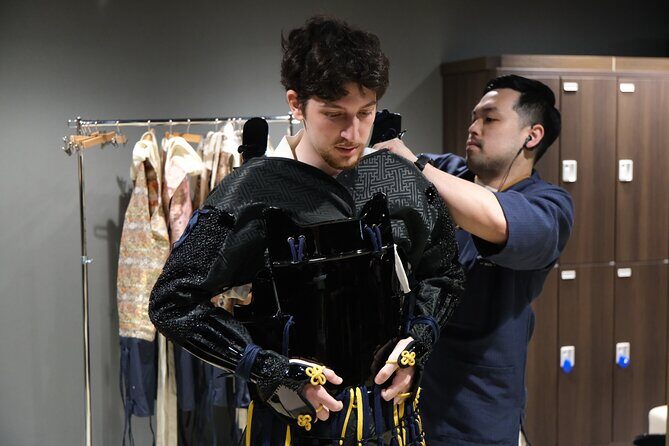
Osaka is great for food, neon streets, and street-level energy. This experience is different—in a good way. You trade the sidewalk pace for a controlled, three-hour cultural program where you can go from armor suit-up to sword show to a tea ceremony mood swing, all without changing locations.
The main reason I think this works: it’s not one-note. You get performance (sword work and traditional music) and participation (tea and calligraphy). That mix helps if you’re traveling with a group where not everyone wants the same kind of activity.
Also, the indoor setup matters. When it’s hot, rainy, or cold, an all-indoor cultural block is a smart way to keep your day from spiraling.
You can also read our reviews of more tours and experiences in Osaka.

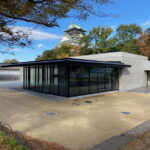

Where you go: Shinsaibashi area, easy from Dotonbori
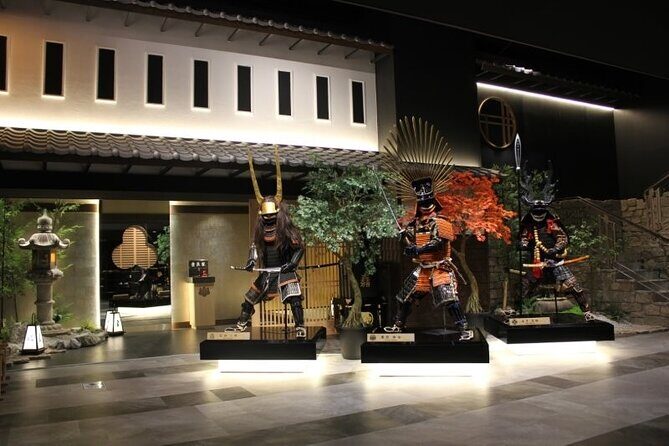
The experience takes place in the Shinsaibashi area, and it’s about a 5-minute walk from Dotonbori. That’s a sweet spot in Osaka. You can build it into an evening around downtown lights without worrying you’ll lose most of your time commuting.
Public transportation proximity is part of the pitch too. You’re close to the Namba/Shinsaibashi transit area, and the tour notes you’re within a 10-minute walk from stations in that zone. Translation: you can usually reach it without complicated routes.
If you’re also doing Dotonbori on the same day, plan for this to be a “one-and-done” cultural stop, not something you need to slot perfectly in between far-flung attractions.
The 3-hour flow: how the day actually feels
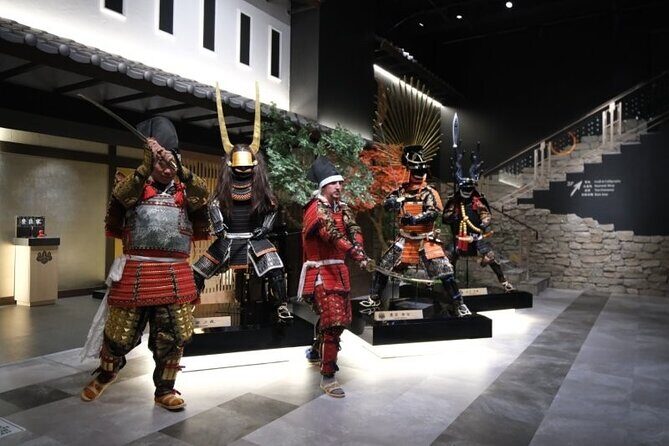
The program runs about 3 hours. In practice, that length is long enough to feel like you did something real, but short enough that it won’t derail your Osaka plans.
Here’s the typical arc you should expect:
Suit up and step into the samurai world
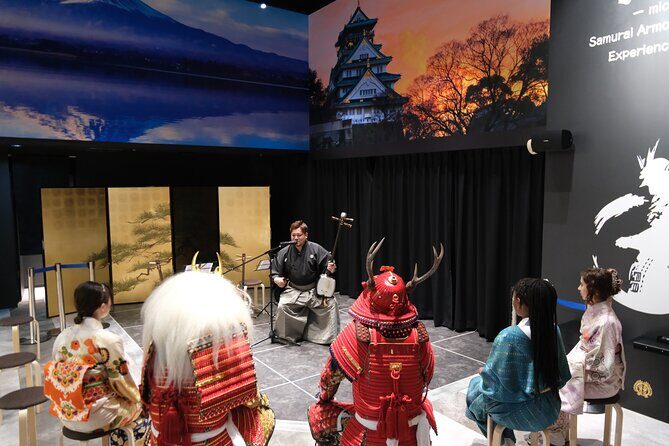
You start with samurai dress-up and then move into the show portion—sword performance plus live traditional music. The big benefit here is that dressing up isn’t just a photo moment. It’s part of the event energy, and it helps you connect with what you’re watching.
The armor itself sounds like the visual highlight, and the staff focus on making it a smooth process. One review specifically called out the care and attention-to-detail from hosts named Roi and Maya, which is the kind of detail you want in something hands-on like this.
Choose what to do first (and let staff guide you)
Another helpful detail: you can choose which activities to start with, and staff assist you. That’s practical if:
- you want the most energetic part first,
- you prefer workshops first,
- or you just want to keep the pace comfortable.
This is the kind of flexibility that makes a fixed-length tour feel less rigid.



Tea ceremony: the reset button
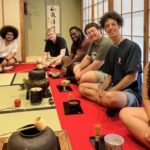
After the show energy, you switch gears to a tea ceremony. The value here is contrast. Samurai armor and sword performances are loud, visual, and dramatic. Tea is quiet and precise, so your brain gets a break.
You also get drinks as part of the experience—coffee and/or tea are complimentary, and you’re offered hot/cold water and tea. That means you’re not trying to “find hydration” during the cultural sessions. You can just pay attention and not worry about your next cup.
Calligraphy workshop: make something you can keep thinking about
Then comes Japanese calligraphy. This is one of the parts people seem to like most because it’s active and personal. Even if you’ve never written a character before, the structure of a guided lesson helps you avoid the blank-page panic.
Calligraphy also gives you a memory that’s not just a photo. You’re creating something that points back to the moment you were there, which is why the hands-on parts matter.
Live traditional music stays in the mix
Traditional music isn’t an afterthought here. It’s woven into the program alongside the performances, so the experience keeps a cultural rhythm instead of switching to random “tourist-friendly entertainment.”
If you like cultural performances, that’s the kind of intentional programming you want.
Price and value: what you’re really paying for
The price is $123.87 per person for a roughly 3-hour, indoor package that includes multiple activities: samurai dress-up, sword shows, live traditional music, a tea ceremony, and calligraphy.
So what’s the value?
- Time efficiency: you’re not hopping between several distant venues to stack the same kinds of experiences.
- Participation vs. watching: tea and calligraphy are hands-on, not just passive viewing.
- Everything stays contained: lockers, drinks, and the main program all happen together, so you’re not managing a lot of moving pieces.
One major “value limiter” is the optional kimono. The kimono costs ¥19,800 per person and is not included. If you’re working with a budget, treat it as an add-on decision, not an assumption.
If you do want the full experience look, plan for that cost up front. If you don’t care about wearing one more layer of clothing, skip it and put your focus into the armor/show/tea/calligraphy portion you’re already getting.
Indoor comfort: great year-round, with one trade-off
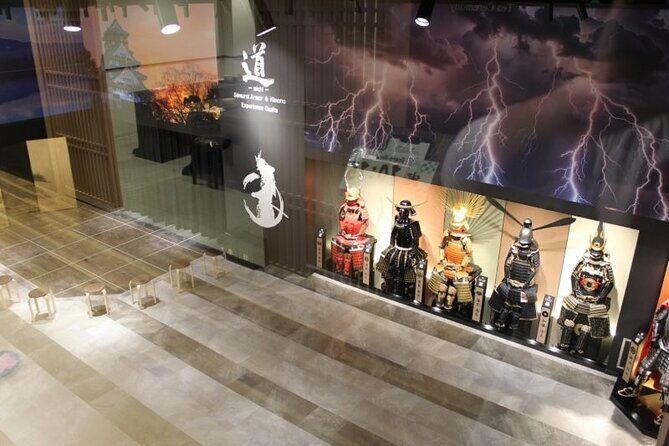
The tour is all indoors, which makes it easier to enjoy during any season. You’ll likely be grateful for that if you’re visiting Osaka in summer heat or in rain.
The trade-off is simple: you won’t get the same “outside city immersion” that you might get from a street-based walking tour. This is a cultural program stop, not a wandering neighborhood experience.
So pick it based on your mood. If you want Osaka culture with comfort and structure, it’s a strong fit.
Practical stuff that actually matters on arrival
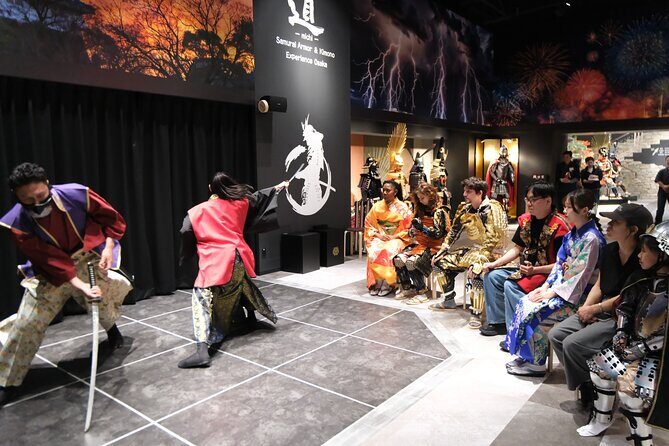
A few logistics points are baked in:
- Mobile ticket: you use a mobile ticket for entry.
- Locker included: you can store your stuff without dragging bags through sessions.
- WiFi on board: the tour includes WiFi, which can be useful while you’re waiting or between segments.
- Coffee/tea and water included: you’re not stuck paying for basic drinks during the block.
Also, confirmation is received at time of booking, so you should feel set up ahead of time.
And if plans shift: cancellation is free up to 24 hours before the experience start time (after that, no refund). That’s worth noting if you’re juggling an Osaka itinerary with weather or other timed reservations.
Who this is best for (and who might skip it)
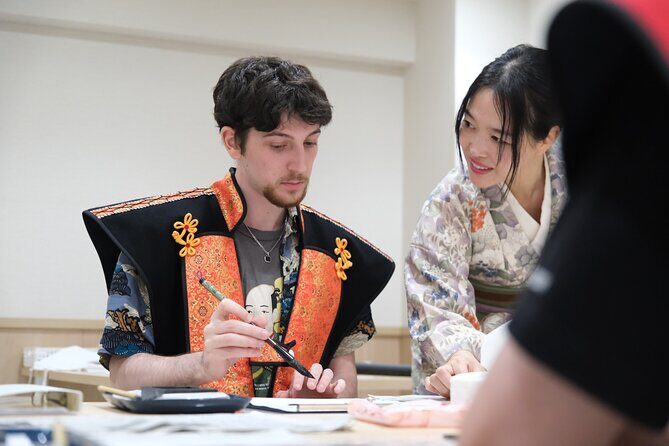
This experience is a good match if you want:
- a hands-on cultural activity (tea and calligraphy),
- a performance-based entertainment side (samurai and sword show, live music),
- and a location that’s easy to slot near downtown Osaka (close to Dotonbori).
It also suits groups well because it gives different kinds of engagement: some people focus on the armor and show, others like the workshop side.
You might consider skipping if:
- you want mostly outdoor sightseeing,
- you’re not interested in structured workshops,
- or you don’t want to factor in the optional kimono cost if you’re tempted by it.
For most people, though, it’s built to be accessible. The experience specifically notes that most people can participate.
The staff make the difference
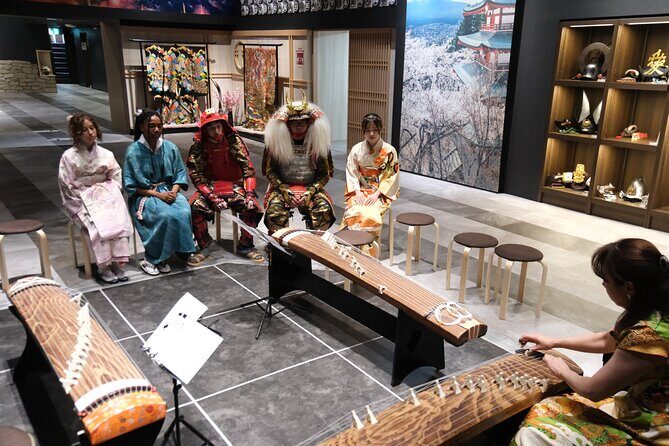
What stands out from the way people describe their time is how welcoming and attentive staff are. Multiple comments point to the same theme: the hosts are friendly, explain what’s happening, and keep the pace comfortable.
One name that comes up: Roi and Maya. People mention their attention to detail and willingness to accommodate individualized requests. That matters for a hands-on experience where you’re dressing in armor and doing guided activities—small guidance helps the whole thing feel smooth instead of awkward.
Should you book this Osaka samurai, tea, and calligraphy experience?
I’d book it if you want one organized stop that gives you a mix of showmanship and craft in 3 hours, indoors, near Dotonbori.
It’s especially worth it if:
- your Osaka day needs a dependable plan,
- you like interactive cultural experiences (not just watching),
- and you want both performance and workshop content in one ticket.
The decision hinge for many people will be the optional kimono. If you want that look, budget for it. If not, you can still get a full cultural experience without paying extra.
Bottom line: this is a practical, fun, culture-forward way to spend part of your Osaka time—without sweating the logistics or trying to juggle multiple venues in the same day.
FAQ
How long is the experience in Osaka?
The experience runs for about 3 hours.
Where is it located relative to Dotonbori?
It’s located about a 5-minute walk from Dotonbori in the Osaka downtown area.
What is included in the price?
The experience includes samurai dress-up and cultural activities like the tea ceremony and Japanese calligraphy, plus coffee and/or tea, hot/cold water and tea, WiFi, and a locker.
Is a locker provided?
Yes. A locker is included.
Are the activities indoors?
Yes. The tour notes that all activities take place indoors, so it’s designed to be comfortable in any season.
Do I have to pay extra for a kimono?
Yes. Wearing a kimono is not included and costs ¥19,800 per person.
Is there WiFi during the experience?
Yes. WiFi on board is included.
What drinks are provided?
You get coffee and/or tea, plus hot/cold water and tea complimentary.
Do I use a mobile ticket?
Yes. The experience uses a mobile ticket.
Can I cancel for free, and up to when?
Yes. You can cancel for a full refund up to 24 hours before the experience start time. Within 24 hours, the amount paid is not refunded.