REVIEW · NIIGATA PREFECTURE
Niigata Full-Day Private Tour with Government-Licensed Guide
Book on Viator →Operated by Japan Guide Agency · Bookable on Viator
A day in Niigata can feel surprisingly personal. This private, government-licensed guided walk lets you pick 3 to 4 stops, then tune the route around what you care about—sake, old houses, food, history, and geigi culture. I like that it’s built for real choices, not a fixed checklist, and I also like the quality of the guide support; Koichi and Mindy are cited for being prompt, warm, and ready to adjust the plan on the spot. One thing to plan for: it’s a walking tour with no private vehicle, so comfortable shoes matter, and entrance fees and lunch aren’t covered.
You’ll start with Niigata’s sake world at Ponshukan, then move through heritage homes and a museum, and end by strolling through Furumachi, Niigata’s geigi district area. I also like the value angle here: for $153.50 per person you’re paying for a full 6-hour window with a licensed local guide (and the flexibility to swap stops), plus food and tastings are clearly optional where they should be. The main drawback is that many stops require tickets you pay yourself, and the sushi is customer cost at the time you eat—so your total day spend will depend on your choices.
In This Review
- Key highlights worth noting
- What this Niigata private tour really gives you
- Pricing, value, and who this tour fits best
- How the 6-hour day flows (and how to choose your 3–4 stops)
- If you’re most interested in Niigata’s identity through sake
- If you’re drawn to old homes, gardens, and archives
- If food is your priority
- If you want a balanced day
- Ponshukan at Niigata Station: start with sake (and decide your pace)
- Old Saito Residence: a 1918 summer villa with a garden focus
- Northern Culture Museum: eight generations of collections, in a home setting
- Pia Bandai and Sushi Benkei style eating: fresh fish with two seating options
- Minatopia Niigata City History Museum: a 1910 City Hall recreation
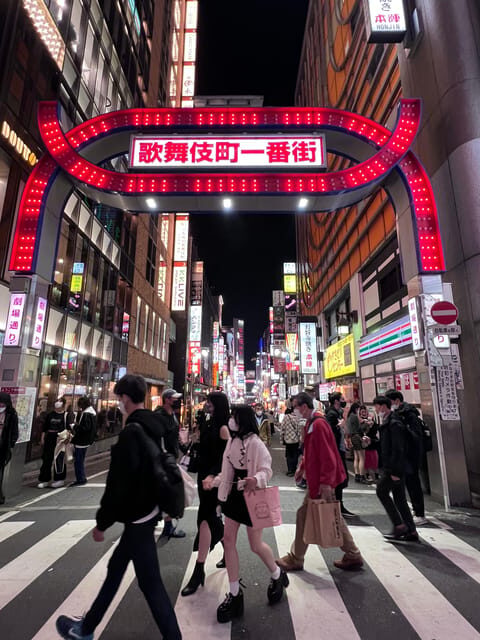
- Furumachi geigi area: understanding Niigata’s performance culture
- The guide quality is the secret ingredient
- Small costs to budget for (so the day stays fun)
- Logistics: walking tour, on-foot pickup, and where you meet
- Should you book this Niigata private tour?
- FAQ
- How many stops can I choose?
- How long is the tour?
- Is this tour walking-only?
- What is included in the price?
- Are entrance fees included?
- Do I have to pay for food?
- Where do we meet the guide?
- Is cancellation free?
- Is the guide English speaking?
Key highlights worth noting

- Pick 3 to 4 sites from a short list, so your time goes where you’ll actually enjoy it
- Licensed local English speaking guide with multilingual support for a smoother day
- Ponshukan sake stop includes tasting and buying Niigata-made sake (with a sake bath option)
- Historic houses and gardens at the Old Saito Residence and the Northern Culture Museum
- Sushi Benkei style dining at Pia Bandai, with standing and conveyor-belt options
- Furumachi geigi district area gives context to Niigata’s performance culture
What this Niigata private tour really gives you
Niigata sits on Japan’s northwest coast, and the vibe is different from the big-name cities. It’s calmer, more local, and often more about everyday crafts—rice, sake, and the steady work behind them. This tour leans into that. The big idea is simple: you get a full day walking plan where the guide customizes the stop mix, instead of dragging you through a rigid script.
The route covers five types of experiences you can mix and match:
- Japanese drink culture (sake tasting and local flavors)
- Architecture and gardens from wealthy merchant-era homes
- A museum setting that reads like a story of generations
- A food stop tied to a well-known sushi style
- A cultural stroll in the Furumachi area tied to geigi performance tradition
The private format matters. Because it’s only your group, you can move at a pace that suits you—slow and detail-focused, or faster if you’re more interested in photos and general context. Guides in the reviews are praised for exactly this kind of adjustment. Koichi is described as polite and responsive to requests before the day, and Mindy is described as starting by reviewing the proposed plan and then modifying it for what people wanted.
You can also read our reviews of more tours and experiences in Niigata Prefecture.

Pricing, value, and who this tour fits best

At $153.50 per person for roughly 6 hours, the cost is in the “you’re paying for private guidance” category. That can be money well spent in Niigata, because the day is built around specific local places: sake facilities, heritage homes, and a culture district area. Without a guide, you’d still find some of it, but you might not get the same context for what you’re seeing and why it matters to Niigata.
A few things help the value:
- You’re not paying just for narration. The guide helps you select 3 to 4 stops based on your interests.
- This is a government-licensed guide, and the tour advertises English speaking with multilingual support.
- The day structure is realistic for walking: the tour is about choosing and connecting nearby points, not touring far-flung regions.
This tour is a strong fit if:
- You like customizing your day instead of following a fixed route
- You want cultural context while you walk (sake, houses, museums, and performance district history)
- You care about food and want a local recommendation point for sushi (with clear cost separation)
It may be less ideal if:
- You want a car day. Transportation fees aren’t included, and this is explicitly a walking tour.
- You want all tickets included. Entrance fees are not included at most stops.
How the 6-hour day flows (and how to choose your 3–4 stops)
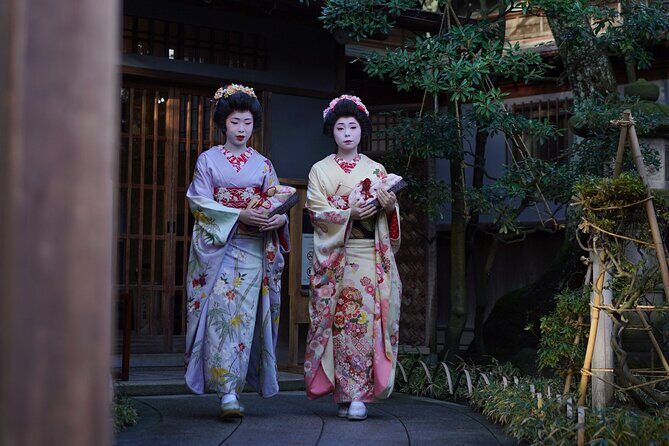
The tour is designed around a shortlist of stops. Your guide helps you pick 3 to 4 from this list, which is crucial if you hate doing “everything.” In a 6-hour window, choosing well makes the day feel relaxed rather than rushed.
Here’s how I’d think about it when planning your choices:
If you’re most interested in Niigata’s identity through sake
Pick Ponshukan plus one heritage stop (Old Saito Residence or Northern Culture Museum). Add Furumachi if you want culture at the end.
If you’re drawn to old homes, gardens, and archives
Pick Old Saito Residence and Northern Culture Museum together, then add Minatopia Niigata City History Museum for a wider city backstory.


If food is your priority
Choose Pia Bandai for sushi and pair it with a cultural walk in Furumachi. You can keep the “tickets paid by you” stops minimal if you don’t want a heavy museum day.
If you want a balanced day
Do Ponshukan → one mansion/museum → sushi → one city history or Furumachi stop.
Your guide can adjust based on your interest level and pacing. That responsiveness is one of the most praised parts in the reviews, and it’s exactly what the private format is meant to deliver.
Ponshukan at Niigata Station: start with sake (and decide your pace)

Your day often begins at Ponshukan near Niigata Station. This is Niigata’s sake showcase in a very hands-on style. You can taste and buy 93 kinds of Japanese sake made in Niigata. That number matters: it’s built for variety, so even if you already know what you like, you can compare styles without guessing.
There’s also a sake bath option called Sake Buro, described as a one-day hot spring experience made of 12-degree sake mixed with an additional ingredient (the rest of the description isn’t fully detailed here, but the key point is the 12-degree sake base). If that kind of quirky experience appeals to you, it’s a memorable way to connect drink culture to something physical and local.
Practical note: admission tickets here aren’t included, so consider whether you want the full tasting experience or a lighter sampling. Since you’re on a walking day, the start matters too—Ponshukan is a good anchor point because it’s easy to understand and orient yourself.
Old Saito Residence: a 1918 summer villa with a garden focus
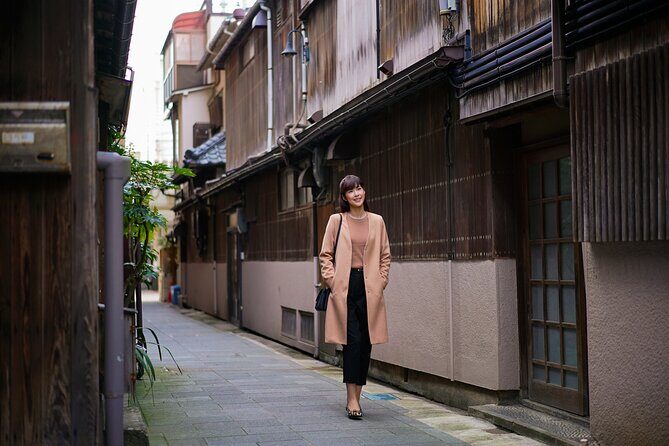
If you love old architecture and the “why” behind classic Japanese house design, the Old Saito Residence is a top pick. The home was built in 1918 by Kijuro Saito IV, a wealthy merchant. It served as a summer villa for the family, which is why you can expect the layout and garden setting to feel intentional rather than purely decorative.
This stop is less about one single artifact and more about atmosphere. You’re walking through a house tied to the lifestyle of Niigata’s merchant class, and you get to see how wealth and seasonality shaped how people lived.
Admission isn’t included here, so you’ll want to decide early whether you want one paid heritage stop or two. If your group is photo-heavy, this is the kind of place where it’s worth slowing down.
Northern Culture Museum: eight generations of collections, in a home setting
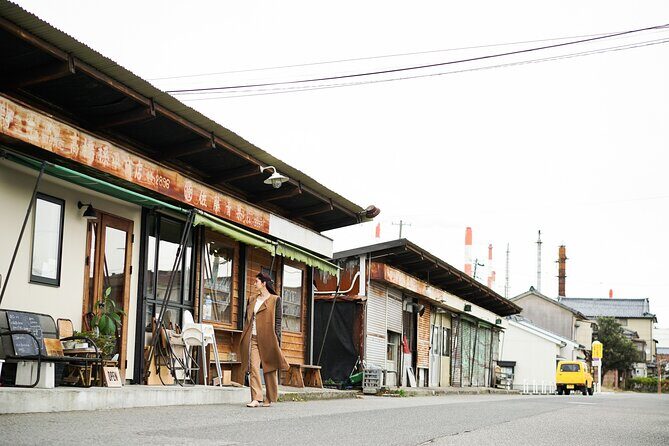
Next up is the Northern Culture Museum, described as the former home of the Ito family—prosperous landowners and merchants. It houses collections from eight generations, with artworks and documents that help you understand what “collection culture” looked like over time.
What I like about a museum in a heritage-home context is that it gives you a sense of how people lived and valued objects, not just what they owned. If you’re the type who enjoys reading the subtle links between family wealth, local industry, and cultural taste, this stop will feel coherent.
As with the Saito Residence, admission tickets aren’t included. In exchange, it’s a 1-hour slot that can add weight to the day without turning it into a “museum marathon.”
Pia Bandai and Sushi Benkei style eating: fresh fish with two seating options

Food stop time. Pia Bandai is where you’ll find the sushi experience tied to Sushi Benkei. The tour notes emphasize fresh fish prepared by friendly staff, and there are two ways to eat:
- standing tables at Sushi Benkei
- a conveyor-belt sushi restaurant across the street with the same name
Admission is listed as free for this stop, but remember the sushi itself is customer cost. That’s actually useful, because you can control your spend. If you want a quick snack, go lighter. If you want to treat yourself, order more.
If you’re nervous about ordering, this is the moment where your guide’s presence helps. Even if you’re not ordering complicated items, you’ll likely feel more confident asking for recommendations. I also suggest you keep an eye on timing here: sushi takes longer than you expect when you’re chatting and trying to taste several things.
Minatopia Niigata City History Museum: a 1910 City Hall recreation

Minatopia Niigata City History Museum gives you a broader city lens after the older houses and family collections. The museum covers the stunning architecture of old Niigata and includes a recreation of the 1910 City Hall.
Why this matters: the earlier stops can feel like “wealth and taste” stories, while this one helps you connect those private worlds to the public infrastructure of the city. If you like learning how a place was organized—administration, civic life, built spaces—this museum stop adds structure to the day.
Admission isn’t included, but the 1-hour format keeps it practical. It’s also a good “reset” stop if you’ve already walked a lot and want indoor time.
Furumachi geigi area: understanding Niigata’s performance culture
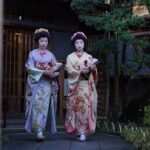
The final cultural stroll connects to Furumachi, described as Niigata’s geisha district area, with the note that the local term is geigi. The information center stop is named Niigata Furumachi Machi Minato Information Center, and it’s positioned as a place to learn about and see elements of performance culture—traditional dance and instrument playing, with geigi performances tied to the area.
Furumachi is compared to other well-known districts (Gion and Shinbashi are mentioned in the tour description), which helps you understand where Niigata’s district sits in the wider picture of Japanese performing arts neighborhoods.
Admission isn’t included here either, but this stop can be worth it even if you’re not trying to schedule a specific performance. You’re walking through a district with a clear cultural identity, and your guide can explain the roles and traditions in a way that makes the streets feel less random.
The guide quality is the secret ingredient
This tour is good on paper: a licensed guide, flexible stop selection, and a set list of places that are all authentically tied to Niigata. But the reviews’ strongest themes point to the real difference: how the guide handles your interests and how human the explanations feel.
Koichi is highlighted for being polite and for responding to private-tour requests shortly after booking, then meeting the group on time where the guest wanted. Mindy is highlighted for adaptability—starting with a plan review and then modifying it to match what the group wanted. Both examples show that you’re not just getting scripted talking points. You’re getting a guide who treats the day like a conversation.
That’s what makes a walking tour work. If your guide can read your group energy—fast walkers, quiet observers, food-first people—you end up with the kind of day that feels made for you.
Small costs to budget for (so the day stays fun)
Entrance fees and lunch aren’t included, and that affects planning more than you might think. A good rule of thumb is to budget for:
- admission tickets at the museum and heritage-home-style stops
- sushi cost at Pia Bandai
- your own lunch plan if you decide not to include it in the sushi stop
The tour does list one stop with free admission (Pia Bandai), and it also states that guide entry fees are only covered for sights listed under what to expect—so you’ll still be the one paying if you choose a ticketed site. This isn’t a dealbreaker, but it changes how you should decide which 3–4 stops to choose.
Logistics: walking tour, on-foot pickup, and where you meet
This is a walking tour, and you should expect to get around mostly by foot. The tour notes say pickup is offered but also that pickup is on foot and that you meet within a designated area in Niigata. The non-included section also mentions meet up at Niigata East port, so you’ll want to confirm the exact meeting point in the message you receive after booking.
Also note:
- Transportation fees aren’t included
- You can’t combine multiple tour groups
- Most travelers can participate, but it’s still a walking day
If you’re bringing small kids or you’re mobility-limited, you’ll want to ask for pacing guidance before booking. Service animals are allowed.
Should you book this Niigata private tour?
If you want a Niigata day that feels tailored—sake, heritage houses, museums, and Furumachi all in one coherent story—this is a solid choice. It’s especially worth booking if you enjoy walking and you like the idea of choosing between 3 and 4 stops instead of committing to everything.
I’d skip it if you hate paying separate entrance fees, if you want a car-based route, or if you only want one or two “big” attractions and nothing else. But if you’re open to a day that mixes local culture and everyday city rhythm, the flexibility and licensed guide support make this good value.
FAQ
How many stops can I choose?
You can customize the tour by choosing between 3 to 4 sites from the listed options.
How long is the tour?
The tour is about 6 hours (approx.).
Is this tour walking-only?
Yes. It’s a walking tour, and the pickup is described as on foot. Transportation fees aren’t included.
What is included in the price?
A licensed local English speaking guide is included, along with a customizable tour of 3–4 sites and a meet-up with the guide within the designated area in Niigata.
Are entrance fees included?
Entrance fees are not included for most stops. Pia Bandai is listed as free, but ticketed sites like Ponshukan and the museums/heritage homes are not included.
Do I have to pay for food?
Yes. Sushi at Pia Bandai (Sushi Benkei) is customer cost, and lunch is listed as not included.
Where do we meet the guide?
You meet within a designated area of Niigata, and the information provided also references meeting at Niigata East port. You should confirm the exact meeting point after booking.
Is cancellation free?
Yes. Free cancellation is offered, and you can cancel up to 24 hours in advance for a full refund.
Is the guide English speaking?
The included guide is described as a local English speaking guide, and the tour overview notes multilingual support.