REVIEW · NIIGATA PREFECTURE
Historical Walking Tour of Niigata Port Town
Book on Viator →Operated by EDGE OF NIIGATA · Bookable on Viator
Niigata’s port story is written in wood, stone, and gardens. This walking tour traces how an 1800s port town grew when ships brought sailors from everywhere, blending Japanese life with Western influence you can still spot in the buildings and layouts. I especially like the focus on landmark interiors and gardens, and the way guides such as Isabella and Jenya bring the place to life with clear, human stories. One thing to plan for: the tour depends on good weather, and you’ll also want extra time to reach the exact meeting point if you’re coming from a cruise ship.
With a max of 10 people and a 3.5-hour pace, it’s long enough to feel like you’re seeing Niigata up close, not just taking photos from the sidewalk. Admission at the Old Saito Residence and the former Ozawa Family Estate is included, so you’re not constantly stopping to figure out ticket booths. A possible drawback is simply logistics: the route starts and ends at different addresses, so decide how you’ll get back afterward (and keep bottled water/masks in mind since they’re not provided).
In This Review
- Key takeaways before you go
- Why Niigata Port Town Feels Different on Foot
- Price and what you actually get for $52.55
- Meeting point in Chuo Ward: how to avoid the usual headache
- Stop 1: Old Saito Residence and its garden calm
- Stop 2: Former Ozawa Family Estate and the feeling of long change
- Stop 3: Minato Inari Shrine for a quick cultural reset
- Guides, pace, and why private-style matters here
- Mobile tickets and the group logistics that actually matter
- After the tour: green tea, Furumachi, and planning your next step
- Who should book this walking tour (and who might not)
- Should you book Historical Walking Tour of Niigata Port Town?
- FAQ
- How long is the Niigata Port Town historical walking tour?
- Is this a private tour?
- What is the maximum group size?
- What are the main stops on the itinerary?
- Are admission tickets included?
- How does ticketing work?
- Where does the tour start and end?
- What is not included in the price?
- When will I receive confirmation after booking?
- Does the tour run in bad weather?
Key takeaways before you go
- A port-town storyline that connects 1800s trade, sailors, and real buildings you can walk through
- Two paid sites included (Old Saito Residence and former Ozawa Family Estate) plus a quick shrine stop
- Small private group (max 10), so your guide can adjust pace to your level and interests
- Green tea option after the first stop, if you want a slower moment with sweets
- Mobile ticket for easier check-in
- Guide names to watch for: Isabella and Jenya have set a high bar for pacing and storytelling
Why Niigata Port Town Feels Different on Foot
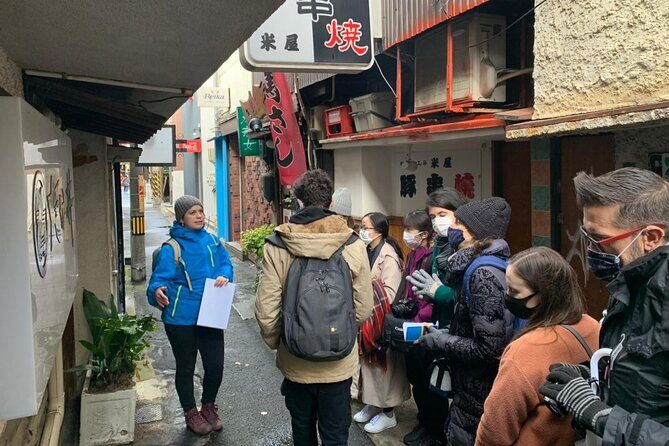
Niigata can surprise you. Not because it’s loud or flashy, but because the old port town isn’t stuck in a single postcard view. Instead, you walk through how a trading city worked: who lived close to the action, how merchants built their homes, and how religious space sat next to daily commerce.
This tour is built around three key stops that each show a different side of that story. You start with a merchant-era residence and garden experience, move to a family estate that reflects time passing and updating, then finish at Minato Inari Shrine, which gives you a short cultural pivot without dragging on too long.
What I like most is that the tour doesn’t treat history like a list. It connects the dots between an active port and the houses people lived in—plus how the city carried both Japanese traditions and foreign contact into the 1800s.
You can also read our reviews of more tours and experiences in Niigata Prefecture.



Price and what you actually get for $52.55
At $52.55 per person, you’re paying for a private-style guide experience, not just entry fees to a museum. The value comes from the mix of included admissions and a structured 3.5-hour route.
Here’s what helps justify the cost:
- All fees and taxes are included, so you’re not hit with add-ons later.
- Admission is included at Stop 1 (Old Saito Residence) and Stop 2 (former Ozawa Family Estate).
- Stop 3, Minato Inari Shrine, is free, which keeps the itinerary balanced and not overly “ticket-gated.”
- The group size caps at 10 travelers, which often means you’ll get more attention and smoother pacing than larger walking tours.
If you like your travel time to feel guided but not rushed, this price is easier to swallow. If you’re hoping for a long, multi-neighborhood day with lots of travel time and stops, you may find 3.5 hours slightly compact. But for focused port-town history, it’s a solid match.
Meeting point in Chuo Ward: how to avoid the usual headache
The tour begins at 2-chōme-10 Yanagishimachō, Chuo Ward, Niigata (951-8013) and ends at 576 Nishiōhatachō, Chuo Ward, Niigata (951-8104). It also runs close to public transportation, which is great.
Here’s the practical advice that saves time:
- Double-check your arrival map before you set off. The start and end addresses are different, so you don’t want to assume it finishes exactly where you began.
- If you’re traveling by cruise ship, give yourself extra buffer. One traveler had trouble because the ship docked in a way that made reaching the meeting point harder than expected. Another noted that a different docking port led to a longer, more expensive taxi ride. Plan for that possibility rather than hoping it’ll work out.
Also note what you won’t get included: bottled water and masks are not included. That’s normal in Japan tours, but it still helps to carry a small bottle and keep something on hand just in case.
Stop 1: Old Saito Residence and its garden calm
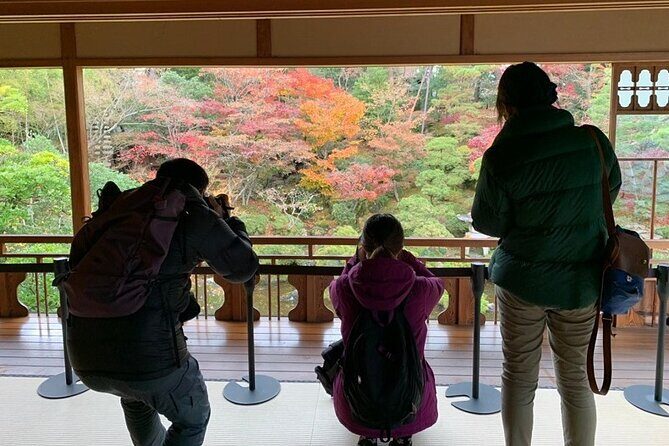
Time on site: about 40 minutes
Admission: included
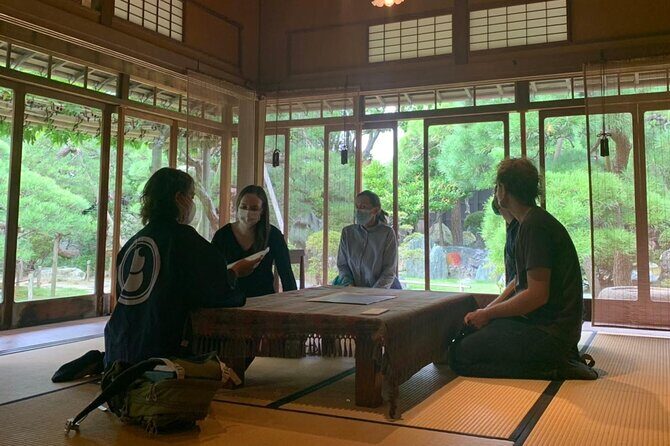
The Old Saito Residence is where the tour slows down in a good way. You’ll spend time inside a building with a garden—and it’s the kind of layout that makes you forget you’re only a short walk from the Niigata shopping area nearby. That contrast matters. It helps you switch gears from modern street noise to how a wealthy home functioned in a port economy.
A big plus here is the “pause option.” After you tour the property, you may be able to stay in the building and enjoy green tea with some sweets. If you like slow travel moments—quiet seating, a change of pace—this stop delivers.
What to watch for:
- Look at the connection between indoor spaces and the garden layout. The way a home frames nature is often where you learn most.
- Use the time to notice everyday craftsmanship details, not just dramatic views. In merchant homes, small design choices often tell the bigger story of how people lived and entertained.
One drawback at this stop is just the usual one for any garden residence: if weather is bad, your time outdoors can be limited. The tour is described as requiring good weather, so you should expect rain checks rather than stubbornly forcing outdoor parts.
Stop 2: Former Ozawa Family Estate and the feeling of long change
Time on site: about 30 minutes
Admission: included
Next you move to the former Ozawa Family Estate, built in the 1860s. What makes this stop worth your time isn’t only that it’s old. It’s that you can still see original features while also noticing updates made to keep the property functioning over time (it was occupied until 2005).
That “then and now” feeling is exactly what port-town history looks like. A trading city doesn’t stay frozen. People adapt. Families update. Spaces keep their purpose even as the world outside changes.
This is also a stop where a good guide can steer your attention. In particular, one high-rated experience mentioned extra cultural context, including information about entertainment districts and geisha (shared as part of the guide’s storytelling). Even if you’re not hunting for that topic specifically, it can add texture to what you see—especially when you connect homes to the social life a port brought in.
Possible drawback: because this stop focuses on structure and preserved features, it’s less “hands-on” than some modern attractions. If you prefer interactive exhibits, you’ll need to lean into the storytelling and your own observation skills here.


Stop 3: Minato Inari Shrine for a quick cultural reset
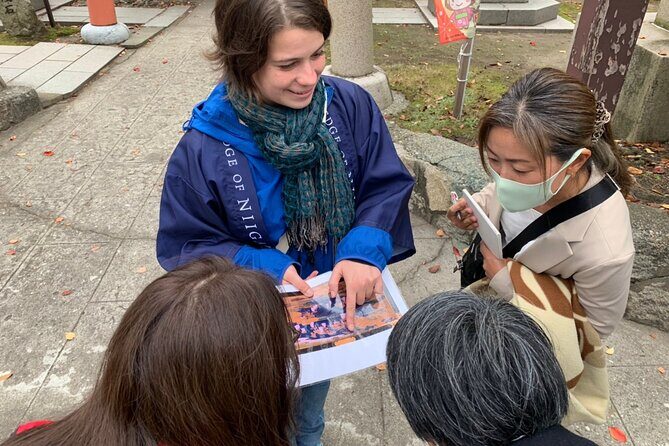
Time on site: about 10 minutes
Admission: free
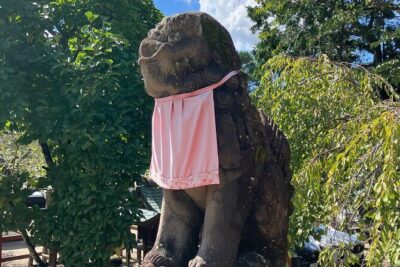
The final stop is Minato Inari Shrine, a traditional Shinto shrine with surprising features and an exciting history. It’s intentionally short, which is smart. After two residence-focused stops, the shrine works like a mental reset.
This is a great option if you’re trying to avoid an overly long walking loop near the end of your trip. You’ll get a taste of local spiritual culture without losing the momentum you built earlier.
What I like about the design of the itinerary is the rhythm:
- residence (wealth and daily life),
- estate (change over generations),
- shrine (belief and community),
all wrapped in a single coherent morning-and-afternoon block of history.
Guides, pace, and why private-style matters here
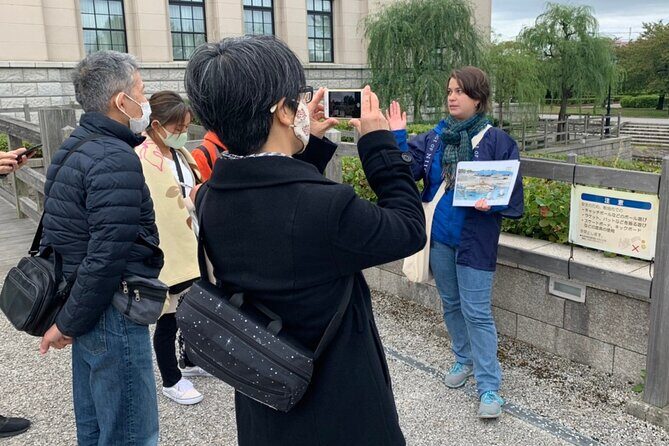
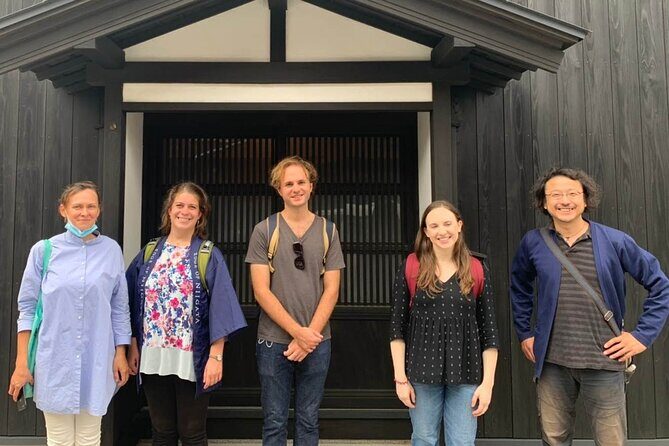
This is a private tour experience with a maximum of 10 travelers, and that size is meaningful. It’s not just for comfort. It affects pace, and it affects how much your guide can tailor the story to what you care about.
In multiple strong experiences, guides like Isabella and Jenya stood out for doing exactly that: adjusting the pace for the group and sharing lots of stories while walking between sites. When you’re outside for 3.5 hours, the difference between a rigid schedule and an adaptive one is huge. You want time when you need it—more time if you’re taking photos, or less time if you’re cold.
So if you’re the type of traveler who likes details but also appreciates breathing room, you’ll likely enjoy this format. If you want a “read off the wall” style and zero conversation, a guided experience may feel more talk-heavy than you expect. But based on the tone of the tour description, the goal is guided storytelling, not silent sightseeing.
Mobile tickets and the group logistics that actually matter
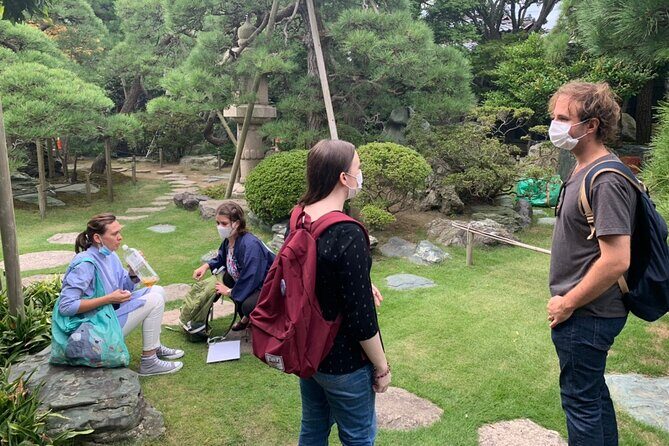
Good news: you get a mobile ticket. That saves you from hunting for paper confirmations in your phone case chaos.
Also keep the tour length in mind. At about 3 hours 30 minutes, this is one of those days where you can still do something else afterward. The meeting point is in Chuo Ward, and the itinerary ends in another part of Chuo Ward, so you’re not dragged across the city for the entire afternoon.
Two practical tips:
- Wear shoes you can handle on mixed surfaces. Historic grounds and garden paths don’t always feel like museum floors.
- If you’re traveling in winter or chilly shoulder seasons, bring layers. One experience mentioned freezing weather as the only downside, which makes sense for outdoor walking.
After the tour: green tea, Furumachi, and planning your next step
One of the easiest ways to get value out of a short day like this is to have a plan for after. The tour experience gives you a couple of options right at the end of the property portion: you can stay for green tea and sweets, or you can take a short walk toward Furumachi, where buses run regularly.
And the guide can help you with what comes next. The tour description explicitly notes that they can assist with where you want to go afterward. That’s genuinely useful, especially if Niigata is new territory for you and you’d rather not guess which bus or train makes sense.
Who should book this walking tour (and who might not)
Book it if:
- you want a focused walk through Niigata’s old port-town architecture,
- you like seeing preserved homes and gardens rather than only outdoor viewpoints,
- you enjoy a guide who explains what you’re looking at as you move between stops.
You might skip or reconsider if:
- you dislike walking in colder weather (the tour is described as requiring good weather),
- you need a tour that starts exactly where your transport arrives (cruise passengers should plan carefully),
- you’re looking for long museum-style time or hands-on exhibits.
This tour is a strong fit for culture lovers, history-with-a-personality travelers, and anyone who wants a half-day that doesn’t eat the whole day.
Should you book Historical Walking Tour of Niigata Port Town?
If you’re visiting Niigata and want your time to mean something, I think this is a smart booking. The itinerary has clear logic: merchant residence and garden, a 19th-century family estate that shows change across generations, and a shrine stop to balance the cultural mix. Add included admissions at two stops, a small group cap, and the chance to get real context from guides such as Isabella or Jenya, and the value starts to make sense.
The main reason not to book is simple logistics and weather. If your travel day is messy—especially with a cruise docking far from the meeting point—build in extra time and confirm your route early. And if you’re traveling during a period where you expect frequent rain, remember the tour is tied to good weather.
If you can handle those two concerns, this is a thoughtful way to experience Niigata’s port identity without wasting time.
FAQ
How long is the Niigata Port Town historical walking tour?
It lasts about 3 hours 30 minutes.
Is this a private tour?
Yes, it’s described as a private tour with a personalized experience.
What is the maximum group size?
The tour has a maximum of 10 travelers.
What are the main stops on the itinerary?
You visit the Old Saito Residence, the former Ozawa Family Estate, and Minato Inari Shrine.
Are admission tickets included?
Admission is included for the Old Saito Residence and the former Ozawa Family Estate. Minato Inari Shrine is free.
How does ticketing work?
You receive a mobile ticket.
Where does the tour start and end?
It starts at 2-chōme-10 Yanagishimachō, Chuo Ward, Niigata (951-8013) and ends at 576 Nishiōhatachō, Chuo Ward, Niigata (951-8104).
What is not included in the price?
Bottled water and masks are not included.
When will I receive confirmation after booking?
Confirmation is received within 48 hours of booking, subject to availability.
Does the tour run in bad weather?
The experience requires good weather. If it’s canceled due to poor weather, you’ll be offered a different date or a full refund.