REVIEW · MIE PREFECTURE
Ise Jingu(Ise Grand Shrine) Full-Day Private Tour with Government-Licensed Guide
Book on Viator →Operated by Japan Guide Agency · Bookable on Viator
Ise Jingu feels bigger than you expect. A private, government-licensed English guide helps you make sense of Naiku and Geku without getting lost in ritual details, and you can shape the day around the sights that matter most to you. The day also includes strong “Ise flavor” stops like Okage Yokocho and the Futami coast views, so it’s not only shrine gates. One catch: this is a walking day on public transport, and shrine admission and most meals are not included.
If you want an efficient route with clear explanations, this tour is a smart way to spend your time in Mie. I also like that you can request special needs in advance, and the guide meets you within a designated area (pickup is on foot, not by private car). Just plan for walking long shrine paths and bring patience for crowds—especially around peak shrine hours.
In This Review
- Key things to know before you go
- Why Ise Jingu is worth the effort with a guide
- Your day plan: a shrine-to-street-to-coast route
- Naiku (Amaterasu) and the purification feel of the grounds
- Geku at Ise Shrine: understanding the second major site
- Okage Yokocho: the Edo-to-Meiji streetscape shortcut
- Futami and Meoto Iwa: the rocks with a built-in story
- Hinjitsukan: a quiet Meiji-era pause between spiritual stops
- Price and value: what $153.50 covers (and what doesn’t)
- Logistics that matter: meeting on foot, mobile ticket, and real pacing
- Who this tour suits best (and who should rethink)
- Booking timing: a popular Ise day
- Should you book this Ise Jingu private day?
- FAQ
- How long is the Ise Jingu full-day private tour?
- Is this tour mostly walking?
- Do I need to pay shrine or attraction entrance fees?
- Is pickup included, and how does meeting work?
- Does the tour include lunch?
- Can you customize which sites you visit?
- Is the tour private?
- Can I cancel for a full refund?
Key things to know before you go
- Government-licensed English guidance keeps the rituals, layout, and etiquette from feeling confusing.
- Customizable 3–4 sites means you’re not stuck with a rigid checklist if your priorities are different.
- Naiku + Geku in one day covers Ise’s two main shrines, not just one quick stop.
- Okage Yokocho is an Edo-to-Meiji-style street stop with practical browsing time (and snack potential).
- Futami’s Meoto Iwa and Okitama Shrine connect the coast to Shinto symbolism you’ll actually understand.
- Walking and public transport are part of the plan, so comfortable shoes matter more than anything.
Why Ise Jingu is worth the effort with a guide
Ise Jingu isn’t a theme park and it isn’t a museum. It’s a living Shinto site, with meanings you’ll feel more quickly when someone explains the “why” behind what you see.
The big idea here is Amaterasu Omikami, enshrined at Naiku. That’s the emotional center of the trip. With an English-speaking guide, you’re not only looking at buildings and gates—you’re learning how purification, sacred paths, and formal visiting customs shape what the place is.
This is also a place where details can slow you down if you’re on your own. A guide helps you pace your route and focus your attention. And that’s the real value of a private tour: you spend less time guessing and more time appreciating.
You can also read our reviews of more guided tours in Mie Prefecture
Your day plan: a shrine-to-street-to-coast route
The tour runs about 6 hours and follows a logical loop that matches how people actually experience Ise.
You start with the two major shrine stops—Naiku and Ise Shrine Geku—so you cover the heart of the complex early. Then you shift to town flavor with Okage Yokocho, an Edo-to-Meiji style alleyfront area created as a preserved streetscape experience. After that, you move toward Futami for the coastal highlights: Meoto Iwa (wedded rocks) views and the nearby Futami Okitama Shrine symbolism. The day wraps with Hinjitsukan, a preserved Meiji-era guesthouse setting.
The itinerary is built for flow, but it still requires stamina. Shrine grounds involve long walking routes, and you’ll be traveling on foot/public transport between areas.
Naiku (Amaterasu) and the purification feel of the grounds
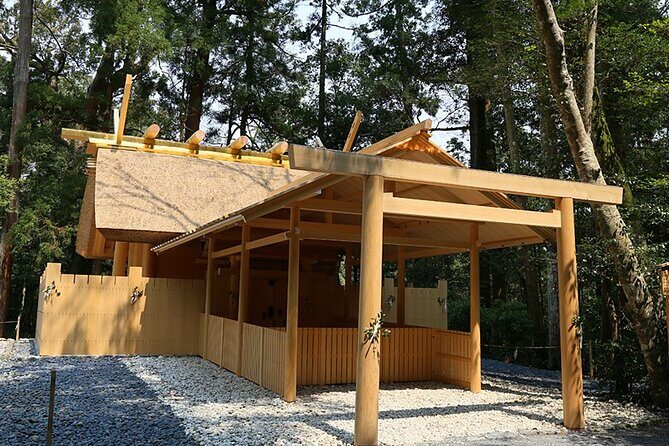
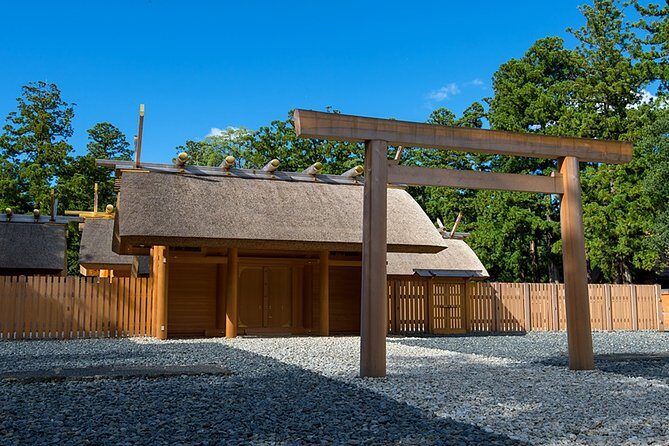
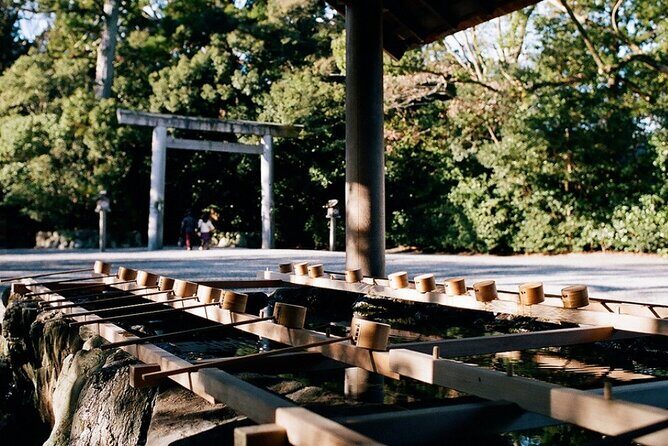
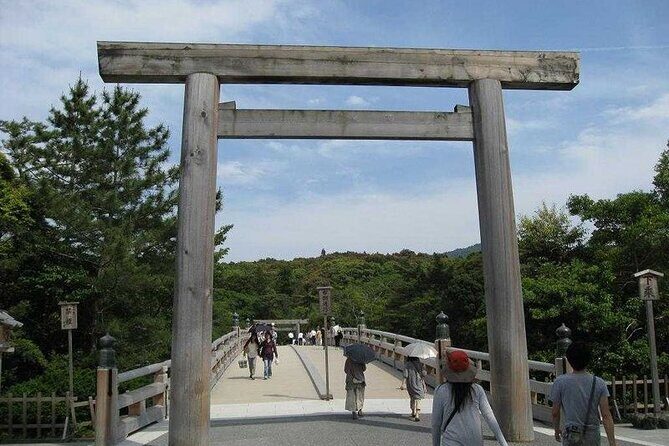
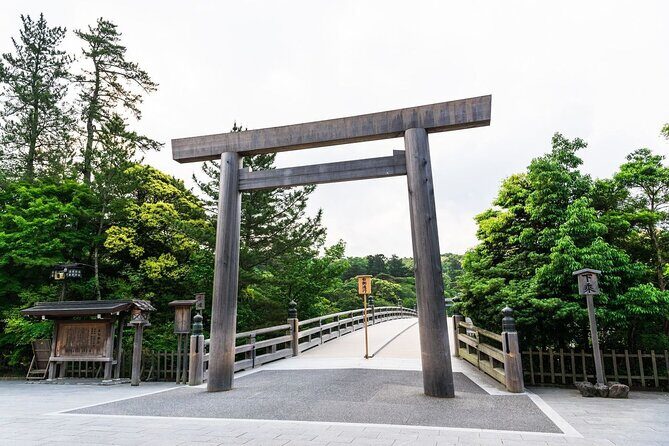
Naiku is the first stop, and it sets the tone. This is where you’ll pay respect at the shrine associated with Amaterasu Omikami, the sun goddess.
What I like about having a licensed guide for Naiku is that it’s not only about reaching a hall and taking a photo. Naiku is described as having more in terms of purification and nature. That matters because Shinto visiting isn’t just visual—it’s behavioral. Your guide can help you understand what you’re seeing and how to approach the grounds respectfully.
Also, Naiku’s setting matters. The Isuzugawa River runs along the grounds, and it’s widely visited by pilgrims and tourists. Even if you’re not a “spirituality” person, the river edge and the walking paths help you slow down in the right way.
Practical heads-up: admission tickets aren’t included, so you’ll need to plan that expense separately. And because this is a walking tour, you’ll want shoes you can trust for uneven stone paths and longer distances.
Geku at Ise Shrine: understanding the second major site
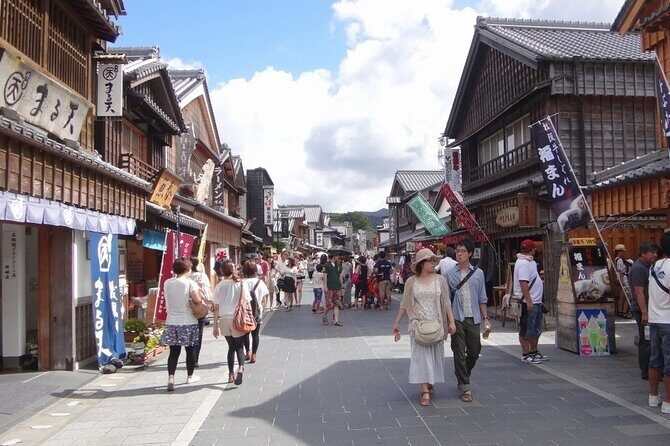
Next up is Ise Shrine Geku. If Naiku is the spiritual center tied to Amaterasu, Geku rounds out your understanding of why Ise is so central in Shinto tradition.
A good guide helps you notice what changes between the two major shrine areas—how the complex feels, how rituals are carried out, and what visitors should focus on. That’s especially helpful if you don’t read Japanese religious terms fluently.
The tour includes about an hour here, and that’s a reasonable amount of time if you don’t rush. You’ll want to leave space for walking between points inside the shrine grounds and for quiet moments as you pass key areas.
As with Naiku, entry is not included in the tour price, so budget for shrine admission separately. Expect more walking even if the time on the clock is fixed.
Okage Yokocho: the Edo-to-Meiji streetscape shortcut
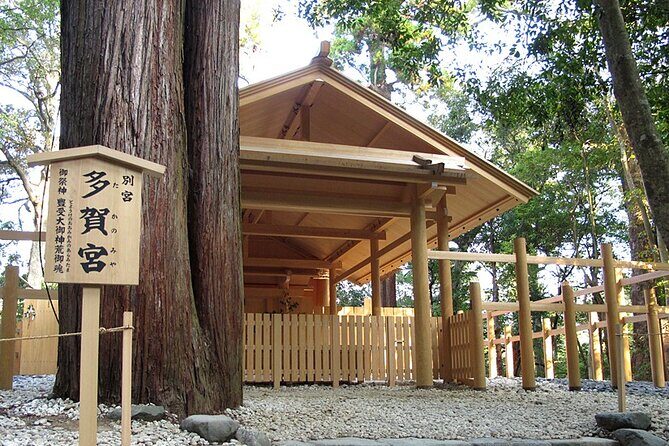
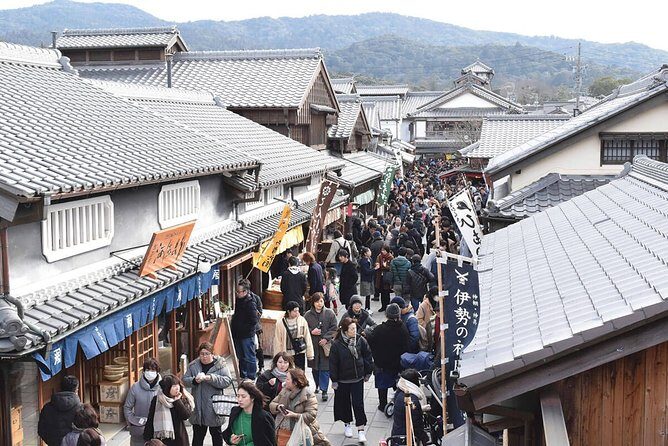
After the shrine stops, you get a change of pace with Okage Yokocho. This is an alley/street built in 1993 in front of the Naiku gate. The goal is to recreate or relocate the townscape feel from Edo to Meiji periods, so it’s a quick cultural palate cleanser.
Why this is valuable on a guided day: your guide can point you toward what to look for without you needing to interpret every label. It’s not just a snack street. It’s a context stop that helps you connect the shrine visit to how people lived nearby and how the town environment supports the pilgrimage experience.
The stop is around 1 hour, which is enough to browse shops and snack if you want—while still keeping you on schedule for the Futami coast portion.
One practical note: lunch is not included. If you want a full sit-down meal, you’ll need to plan it outside the tour or treat Okage Yokocho as your light-food window.
You can also read our reviews of more private tours in Mie Prefecture
Futami and Meoto Iwa: the rocks with a built-in story
When you reach Futami, you’re in the part of the Ise trip where views take over. You’ll visit Meoto Iwa Meoto Yokocho, a place known for seeing the sacred rocks called Meoto Iwa (wedded rocks) in the ocean.
These rocks aren’t just scenic. They connect to the Shinto idea of symbolic pairing—your guide can translate what you’re seeing into meaning, instead of leaving it as a postcard moment.
From there, you continue to Futami Okitama Shrine. This shrine is famous for Meoto Iwa and the symbolism expands further: the rocks serve as a symbolic torii gate to Okino-shiraishi rock in the sea.
That connection is why this portion works well in a private tour. You’re not only standing near the ocean; you’re learning how the coastline ties into sacred architecture and symbolism.
Again, admission fees are not included for stops listed under what to expect, so plan for separate costs as needed. And keep your expectations realistic: ocean-view areas still involve walking, standing, and moving between vantage points.
Hinjitsukan: a quiet Meiji-era pause between spiritual stops
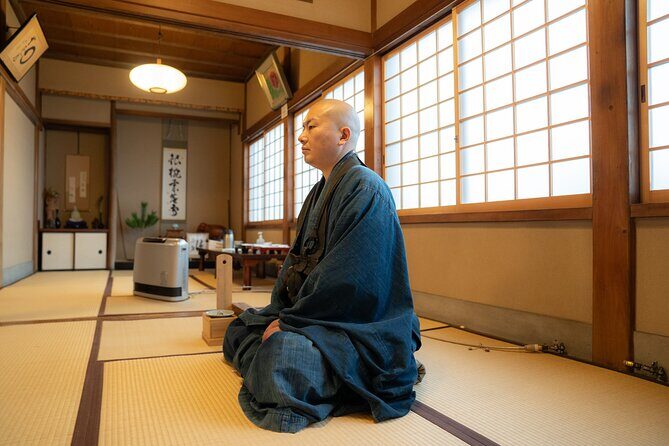
The day also includes Hinjitsukan, described as a historic guesthouse that once hosted members of the imperial family and distinguished guests. It’s a Meiji-era elegance stop, and it gives your itinerary a different texture than shrines and streets.
If you enjoy interior details, this is the portion that can feel extra calming. You’ll have time to explore preserved spaces, including tatami room features mentioned in the tour description.
This stop is about 1 hour, and it’s a good fit if you want a break from outdoor walking while still staying inside the Ise “story.” Like the other non-shrine sights, admission is not included, so you’ll want to carry a little extra budget for entry.
Price and value: what $153.50 covers (and what doesn’t)
At $153.50 per person, the headline question is value. Here’s what you’re paying for: a licensed local English-speaking guide plus a private routing experience that can be customized to 3–4 sites from the plan.
That matters because Ise is one of those places where language and etiquette can slow you down. Paying for guidance isn’t about comfort—it’s about time. In a single day, you’re covering major shrine areas and then adding the street and Futami symbolism without needing to piece together trains, walking routes, and timing yourself.
What’s not included is also clear:
- Transportation fees
- Entrance fees
- Lunch
- Other personal expenses
- Private transportation (this is walking/public transport)
So the real “cost” isn’t only dollars—it’s also effort. You’ll walk more than most standard half-day tours. If you’re expecting a car-based day with minimal walking, this one isn’t built that way.
Logistics that matter: meeting on foot, mobile ticket, and real pacing
This is a private tour, meaning only your group participates. That’s a big deal for pacing in shrine areas, where people naturally move slowly.
You’ll meet your guide on foot within a designated area in Ise. The tour description calls it pickup offered, but the experience notes that pickup is on foot. In other words: don’t plan on being scooped up by a private vehicle.
There’s also a mobile ticket, which can make life easier on the logistics side. The area is near public transportation, so you have options if something causes a delay.
One of the reasons I like this setup is the guide communication style. A guide named YUCCA has been described as waiting early in a hotel lobby when guests arrived before the agreed pickup time. Another guide, Mr. Yoshinari Nishio, has been praised for planning a smooth day for family members and explaining both history and rituals at Geku and Naiku. That kind of practical attention is what you want from a private guide.
Who this tour suits best (and who should rethink)
This tour is a strong match for:
- First-timers to Ise who want the Amaterasu and two-shrine story explained clearly in English
- People who prefer a structured day but still want customizable sites
- Families who need pacing and clear guidance in places that can be confusing on your own
- Anyone who values etiquette and context, not just photos
Consider rethinking if:
- You have limited ability to walk long shrine grounds. The tour specifically notes long walking distances at Ise Jingu.
- You want a day with minimal transit and no walking between areas.
- You don’t want to handle entrance tickets and meal planning, since those are not included.
Booking timing: a popular Ise day
The tour is often booked well in advance (on average around 102 days). If your dates are set, it’s smart to book early so you have guide availability and the timing you want.
Should you book this Ise Jingu private day?
Yes, if you want the easiest path to understanding what you’re seeing. The big win is the government-licensed English guide pairing context with a route that covers Naiku, Geku, Okage Yokocho, and the Futami symbolism without wasting your day.
I’d book it especially if:
- you like structure and clear explanations,
- you’re visiting Ise for the first time,
- you’re okay with walking and handling entrance fees separately.
I’d skip or choose a different format if you’re trying to minimize walking or you need fully included meals and transport. This tour gives you a lot of Ise in one day, but it asks you to move.
FAQ
How long is the Ise Jingu full-day private tour?
It’s listed at about 6 hours.
Is this tour mostly walking?
Yes. It’s a walking tour, and Ise Jingu grounds involve long walking distances.
Do I need to pay shrine or attraction entrance fees?
Yes. Admission tickets and entrance fees are not included in the tour price.
Is pickup included, and how does meeting work?
Pickup is offered, but the tour is described as meeting on foot within a designated area in Ise (so it’s not private car pickup for everyone). Your guide meets you within the set meeting area.
Does the tour include lunch?
No, lunch is not included.
Can you customize which sites you visit?
Yes. You can choose a customizable itinerary of 3–4 sites from the tour’s expected options, and you can share special requests in advance.
Is the tour private?
Yes. It’s a private tour/activity, so only your group participates.
Can I cancel for a full refund?
You can cancel for a full refund up to 24 hours in advance of the experience’s start time. If you cancel less than 24 hours before, the amount paid is not refunded.