REVIEW · MIE PREFECTURE
1 Day Tokyo Private Custom Tour
Book on Viator →Operated by Diper Tour · Bookable on Viator
A private Tokyo day, your way. This is a 10-hour private custom tour built around the places you actually want, with pickup and drop-off in Tokyo’s 23 wards and an English-speaking driver who keeps things moving. You choose 4–5 attractions, then the day gets stitched together around your pace instead of a fixed group schedule.
What I like most is the hands-on planning support. After you book, you get a 24-hour 1-on-1 travel consultant, and the company also offers free help arranging reservations for popular or specialty restaurants. I also like the basic comfort math: you don’t share the van with strangers, so your group can talk plans, use the time efficiently, and avoid the stop-and-start feeling that comes with mixed groups.
One consideration: the paid admission stops are on you. The tour covers the private vehicle and the driver service, but attraction tickets (like teamLab Planets, Shibuya Sky, Shinjuku Gyoen, Tokyo Skytree, and the hands-on classes) are not included—so your final spend depends on what you choose.
In This Review
- Key Things I’d Watch For
- Price and What You’re Really Buying
- Your Van, Your Pace: Why Private Transport Changes Everything
- How the Custom Choice Works (and How to Choose the Right 4–5)
- The Day You’d Plan: A Practical Tour Route Through Tokyo
- Asakusa: Senso-ji Temple and Nakamise-stroll energy
- Harajuku-style nature break: Meiji Jingu Shrine
- Imperial Palace area: gardens, moats, and a central calm
- Tsukiji Fish Market area: classic street food and seafood browsing
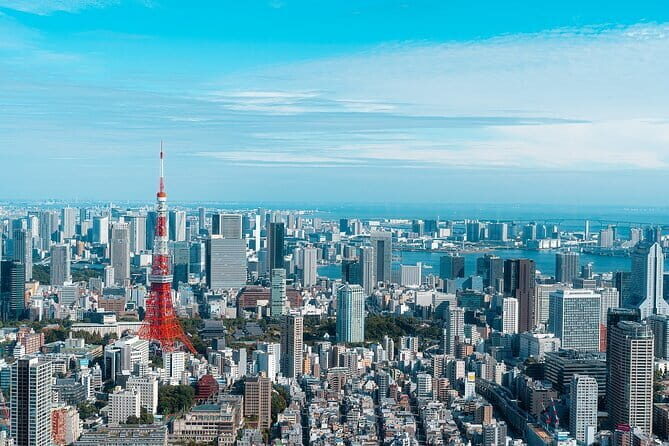
- Tokyo Tower Tourist Information Center: photos and a city-wired perspective
- Akihabara: electronics plus anime and arcade culture
- teamLab Planets TOKYO: interactive digital art for about an hour
- Odaiba Kaihin Koen: seaside walking and big-city skyline framing
- Shinjuku Gyoen National Garden: formal gardens with seasonal payoff
- Shibuya Crossing: short, iconic, and best taken as a snapshot
- Shibuya Sky: rooftop skyline views, ticketed
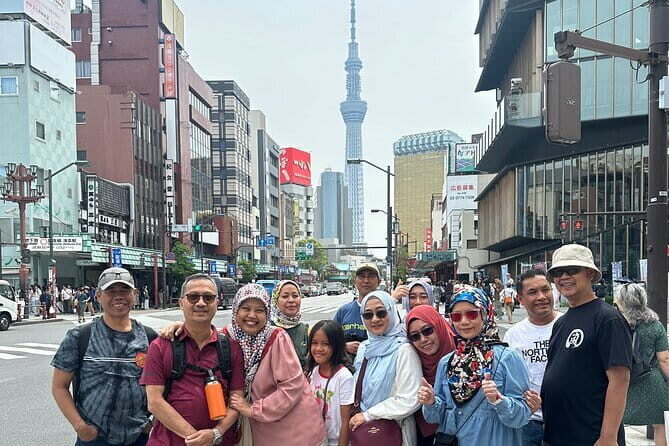
- Tokyo Skytree: 360-degree type views, also ticketed
- Ueno Park: a big cultural reset, with museums and more
- Nakano Broadway: anime and collectible shopping in a compact market format
- Kimono tea ceremony at Maiko-ya Tokyo: dressing up plus English guidance
- Harajuku Osamu Owl & Mameshiba Cafe: pop culture café time
- Sushi-making class: hands-on cooking with nigiri and rolls
- The Real Secret Sauce: 24-Hour Planning and Reservation Help
- What’s Included vs. Not: Build Your Budget Without Surprises
- Who This Private Tokyo Custom Tour Is Best For
- Should You Book This Private Custom Tokyo Tour?
- FAQ
- Is this a private tour?
- How many attractions can I choose?
- How long is the tour?
- Is pickup and drop-off included?
- Do we share the van with other people?
- Is there an English-speaking driver?
- Are admission tickets included?
- Does the tour include restaurant reservation help?
- What vehicles are used for different group sizes?
- What happens if weather is poor?
Key Things I’d Watch For
- You’re choosing 4–5 stops, not doing a check-the-box marathon across all of Tokyo.
- Door-to-door pickup within Tokyo’s 23 wards removes the biggest “where do we meet?” headache.
- Your own van, your own group means less waiting and more control over timing.
- English-speaking driver, plus a 24-hour consultant for planning and reservations.
- Some top sights are ticketed, so your itinerary choice directly affects total cost.
Price and What You’re Really Buying
At $325 per person for roughly 10 hours, this tour isn’t trying to be the cheapest way to see Tokyo. It’s built for the moments that get expensive or annoying when you do it yourself: coordinating transport across neighborhoods, timing around peak crowds, and figuring out which tickets to reserve first.
Here’s the value angle that matters: you’re paying for a private vehicle, fuel/tolls/parking included, and an English-speaking driver service. Then you top it off with flexibility. If your group wants a temple-and-market morning, a viewpoint-focused afternoon, and one activity class that you’ll remember, the cost starts to feel more like “buying time and simplicity,” not “buying sightseeing.”
Also look for a group discount if you’re traveling with others. The tour’s vehicle choices scale with your group size (small group vans up to a private bus), so the per-person value can get better as you fill seats—without losing privacy.
You can also read our reviews of more private tours in Mie Prefecture
Your Van, Your Pace: Why Private Transport Changes Everything
This is a private tour, meaning you ride in your own vehicle—picked based on your group size. For small groups you’ll typically use a private 7-seater Alpha van. Larger groups move up to a private 10-seater Hiace van or a private 14-seater Hiace van, and if your group is up to about 15, a private bus is available.
That matters because Tokyo doesn’t reward rushing. A “see everything” plan can collapse under transit time, walking distance, and crowding at the most popular sights. With a private setup, you can slow down where you want—say, lingering over snack-stalls in Asakusa or taking extra time at a viewpoint—without worrying that the rest of a bus group is waiting.
You also get hotel/Airbnb pickup and drop-off in the Tokyo 23 ward area, so you’re not forced into a subway meeting point. That’s a small line item on the page, but in real life it’s a big deal: it saves energy on the front and back ends of a long day.
How the Custom Choice Works (and How to Choose the Right 4–5)
The idea is simple: pick 4–5 attractions and the tour builds your day around that shortlist. Practically, this is where you’ll get the best results.
My advice is to group your choices by geography and mood:
- Start with one historic or spiritual area (Asakusa, Meiji Jingu, Imperial Palace).
- Add one food-and-market stop (Tsukiji outer-market area is a classic pick).
- Choose one “wow view” stop (Shibuya Sky or Tokyo Skytree).
- Pick one pop-culture or shopping block (Akihabara, Nakano Broadway, Harajuku).
- Add one hands-on experience only if your group is ready for it (tea ceremony with kimono or a sushi-making class).
This keeps your day from turning into constant moving. It also helps when you hit ticketed attractions. Some of the best-known add-ons on this list don’t include admission, so you’ll want to decide early which ones are “must buy” for your group.
And don’t overlook “free” stops if you’re trying to stretch value. Several of the core landmarks here are free-entry items, including Senso-ji Temple, Meiji Jingu Shrine, Imperial Palace, Tsukiji (outer market area), Akihabara, Odaiba Kaihin Koen, Shibuya Crossing, and Nakano Broadway.
The Day You’d Plan: A Practical Tour Route Through Tokyo
Even though your order can be adjusted, this list of possible stops gives you a smart framework. Here’s what each stop is like and the trade-offs to think about when you’re choosing your 4–5.
Asakusa: Senso-ji Temple and Nakamise-stroll energy
Senso-ji is Tokyo’s oldest and most famous Buddhist temple. You’ll spend about 30 minutes here, and the main path is the shopping street called Nakamise-dori, lined with traditional stalls.
Why it works: this is one of the easiest places to get your bearings fast because the temple area is visually distinct and pedestrian-friendly. You also get that street-level Tokyo vibe without needing to decode transit maps.
The catch: it’s popular. If you go at a busier time of day, your 30 minutes can feel shorter because you’re moving through crowds.
Harajuku-style nature break: Meiji Jingu Shrine
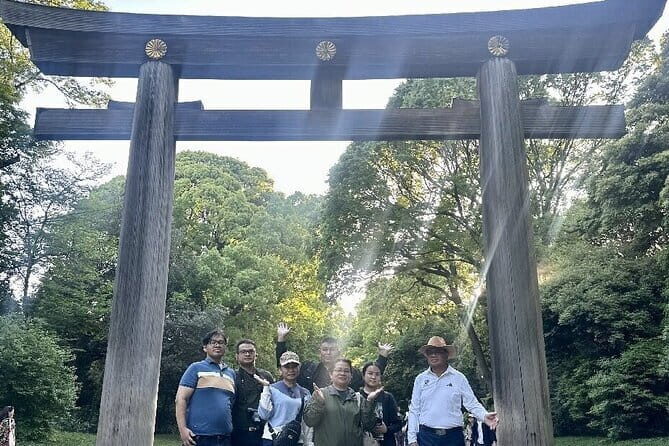
Meiji Jingu is a Shinto shrine dedicated to Emperor Meiji and Empress Shoken, surrounded by a forested setting. Plan around 30 minutes.
Why it works: it’s a real mental reset. After the city noise, the wooded approach gives you a calmer pace—great for photos and a breather.
Possible drawback: if you’re the type who wants fast “must-see” moments only, the forest walk may feel less flashy than towers or markets. Still, it’s a great counterbalance.
Imperial Palace area: gardens, moats, and a central calm
The Imperial Palace is the primary residence of Japan’s Emperor, with historic structures, gardens, and moats. Expect about 30 minutes, and admission is listed as free.
Why it works: it’s a way to see a central Tokyo symbol without paying for the most famous viewing decks. The surroundings also give you an easy change of pace.
Time consideration: depending on where your day goes next, the palace area can be a “bridge” stop—nice to break up a sightseeing run, not always the best place to spend long if your goal is action-packed variety.
Tsukiji Fish Market area: classic street food and seafood browsing
The old Tsukiji wholesale market is no longer doing the wholesale auctions, but the outer market still runs with shops serving seafood and snacks. This stop is about 30 minutes and is admission-free.
Why it works: even without the auction spectacle, this is still an excellent food-watching and sampling zone. It’s also an easy stop to match with your next move because it’s a known area for walking and snack breaks.
The drawback: it can be crowded and fast-paced, so if you’re not shopping/eating, you may want to treat it as a short stop rather than a long browse.
Tokyo Tower Tourist Information Center: photos and a city-wired perspective
This is the Tokyo Tower area, including the tourist information center. The time slot is around 30 minutes, and admission is listed as not included.
Why it works: Tokyo Tower is a recognizable landmark, and the area is a good “in-between” stop when you want a classic skyline vibe without committing to a full observation-deck day.
What to watch: since admission isn’t included, check what you actually want here—if your priority is views, you might prefer a ticketed deck later.
Akihabara: electronics plus anime and arcade culture
Akihabara is the go-to zone for electronics and Japanese pop culture: anime, manga, and gaming culture. Plan about 30 minutes, admission is free.
Why it works: it’s fun even if you’re not an obsessive collector. You can browse gadgets, pop-culture merch, and arcades, then step out for fresh air and keep moving.
Trade-off: it can skew young-energy and shop-heavy. If you want traditional Tokyo over tech culture, balance it with a shrine/temple or a garden stop.
teamLab Planets TOKYO: interactive digital art for about an hour
teamLab Planets is listed as around 1 hour and ticketed (admission not included). It’s also described as kids friendly.
Why it works: this is one of those “Tokyo is different” experiences where the format is the attraction. If your group likes hands-on art or light-and-water installations, this is usually the most memorable single stop on the list.
Downside: because it’s ticketed, it adds extra cost and you’ll want to plan it with your other schedule—especially if the day runs long.
Odaiba Kaihin Koen: seaside walking and big-city skyline framing
Odaiba Kaihin Koen (Odaiba Seaside Park) is about 30 minutes and admission-free. It’s a waterfront spot with views toward Tokyo Bay and sights like Rainbow Bridge and a Statue of Liberty replica.
Why it works: this gives you a breath of air and water views that you won’t get from the shrine/temple circuit. It’s also a nice place to catch a calmer moment before more crowded central neighborhoods.
Possible drawback: depending on the season and weather, it can feel cool or windy. Bring a layer and expect it to be more “walk and watch the views” than “sit and snack forever.”
Shinjuku Gyoen National Garden: formal gardens with seasonal payoff
Shinjuku Gyoen is around 30 minutes and admission is ticketed (not included). It blends Japanese, English, and French garden styles, and it’s known for cherry blossoms in spring and colorful foliage in autumn.
Why it works: it’s a crowd-friendly way to see a big nature pocket inside Tokyo. If you hit the right season, it’s a strong “Tokyo beauty” stop.
What to watch: it’s not listed as free, so decide if the seasonal timing is worth paying for.
Shibuya Crossing: short, iconic, and best taken as a snapshot
Shibuya Crossing is about 15 minutes and admission-free. It’s famous for the multi-direction pedestrian scramble.
Why it works: it’s iconic for a reason. Even a short visit makes Tokyo feel real and current.
The drawback: if you’re prone to feeling overwhelmed in crowds, keep it tight. This is best as a quick photo-and-positioning stop, not a long hang-out.
Shibuya Sky: rooftop skyline views, ticketed
Shibuya Sky is about 30 minutes and ticketed (not included). It’s an observation deck on the rooftop of Shibuya Scramble Square.
Why it works: if you want a “wow” skyline moment, this is a straightforward choice. The time slot is built for taking in views without stretching your whole day around it.
Cost consideration: since admission isn’t included, you’ll want to budget for it if it’s a priority for your group.
Tokyo Skytree: 360-degree type views, also ticketed
Tokyo Skytree is about 30 minutes, ticketed (not included), and stands at 634 meters. It’s one of the tallest structures in the world, with observation decks.
Why it works: tall-tower views are a classic for Tokyo, and 30 minutes is enough time for photos and a slow look.
Trade-off: if you already plan to do Shibuya Sky, you might decide between them based on your group’s interest in views versus shopping or cultural stops.
Ueno Park: a big cultural reset, with museums and more
Ueno Park is about 1 hour and admission is ticketed/not included. The area is known for museums and a zoo, and it’s a popular relaxation spot.
Why it works: this is a flexible pick when you want more “park time” and less structured queue time. One hour gives you room to wander and choose your own energy level.
What to watch: since admissions for specific attractions aren’t included, you’ll need to know what you want to do inside the park area if you’re adding something beyond a walk.
Nakano Broadway: anime and collectible shopping in a compact market format
Nakano Broadway is about 30 minutes and listed as free. It’s known for anime and manga merchandise and is popular with collectors.
Why it works: if your group likes subculture shopping, this is often more focused than big department stores. It’s a good “hunt for a specific item” zone.
Trade-off: it’s shopping-heavy. If your group wants food and scenery over browsing, swap it for something like a garden or a viewpoint.
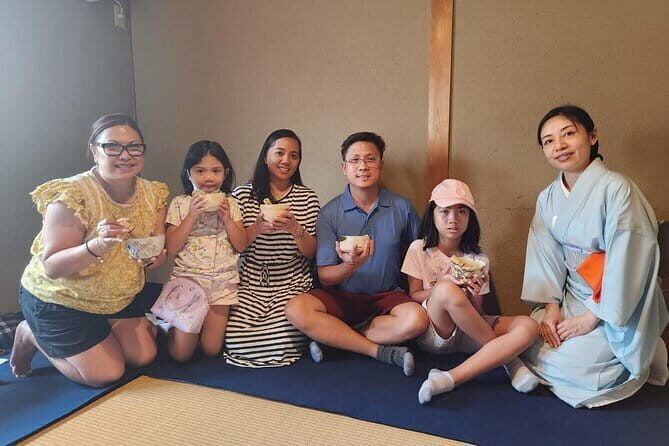
Kimono tea ceremony at Maiko-ya Tokyo: dressing up plus English guidance
This is a tea ceremony experience in Asakusa with English explanations, lasting about 45 minutes. Admission isn’t included, and you can also choose to wear a traditional kimono.
Why it works: you’re getting cultural context plus a memorable activity—not just watching from the outside. The English explanations are especially useful if your group wants to understand what’s happening.
Possible drawback: you’re choosing a “scheduled activity” inside your day. If your group prefers spontaneous wandering, plan for this stop to set the pace for that block.
Harajuku Osamu Owl & Mameshiba Cafe: pop culture café time
This café stop is around 45 minutes and ticketed (not included). Harajuku is known for colorful street fashion and unique shops, and this particular stop is tied to the Osamu Owl and Mameshiba theme.
Why it works: it’s a fun, low-stress way to experience Harajuku without making it all about shopping streets. If your group loves character cafés, this is exactly your kind of break.
Time consideration: café time is still time. If you’re building an itinerary around viewpoints and markets, don’t overload Harajuku.
Sushi-making class: hands-on cooking with nigiri and rolls
The sushi-making class is about 45 minutes and ticketed (not included). You’ll learn to make sushi from expert chefs and use fresh ingredients to create different types, including nigiri and rolls.
Why it works: this is the most “skill-based souvenir” on the list. Even if you’re not a serious foodie, making your own sushi makes the meal afterward taste better because you understand the process.
Potential downside: since it’s a ticketed activity, it adds cost. It also takes focus, so it’s best for groups that enjoy interactive experiences.
The Real Secret Sauce: 24-Hour Planning and Reservation Help
This is where the service gets practical. After booking, you get a 24-hour 1-on-1 travel consultant, and the team can help make reservations for popular or specialty restaurants for free.
Names come up in the operator’s service record that you can take seriously: Rachel Zeng is noted for patient, attentive trip support, and Bosco is noted for arranging itineraries smoothly and responding quickly to questions. I can’t promise which consultant you’ll get, but I like the idea that the company assigns real humans who handle your needs instead of forcing you to figure everything out alone.
Here’s how you can use that advantage right:
- Send your top 4–5 priorities (not just landmarks; include your “must feel” like temple calm, market snacks, big views, pop-culture shopping).
- Ask the consultant what’s easiest to pair geographically.
- If a ticketed attraction is a priority (teamLab Planets, Shibuya Sky, Skytree, Shinjuku Gyoen), tell them early so your day order makes sense.
What’s Included vs. Not: Build Your Budget Without Surprises
Included:
- Pickup and drop-off in Tokyo’s 23 wards
- Private van/bus with fuel, tolls, and parking included
- English-speaking driver service
- Mobile ticket
Not included:
- Accommodation and meals
- Attraction admission fees
- Personal expenses
- Gratuities (not forced)
For most people, the budget surprises come from stacking multiple ticketed attractions. In this itinerary list, tickets are not included for stops like teamLab Planets, Shinjuku Gyoen, Shibuya Sky, Tokyo Skytree, Harajuku café, tea ceremony, and sushi-making. Some landmarks are free-entry, so the simplest strategy is to mix free stops with just one or two ticketed “big moments.”
Also, meals are not included. That’s normal for Tokyo day tours, but it means you’ll want to plan how long you want to eat. A 10-hour day can fit lunch without stress if you don’t try to turn every stop into a full sit-down meal.
Who This Private Tokyo Custom Tour Is Best For
I’d book this if you fit at least one of these:
- You want a private day without riding in a shared van.
- Your group has mixed interests (temples plus pop culture plus a class).
- You value door-to-door convenience and hate transit juggling.
- You’re time-limited and want your day built around a short list of “yes” stops.
It might not be ideal if:
- You want to spend almost nothing on tickets and meals and you don’t care about convenience.
- Your group wants to do a long, multi-neighborhood walking tour with no vehicle use. This tour shines when the car is part of the plan.
Should You Book This Private Custom Tokyo Tour?
Yes, if you want control. This is the type of tour where your day doesn’t get dragged into someone else’s schedule. You get your own van, pickup and drop-off in the 23 wards, an English-speaking driver, and a real planning assist through the 24-hour consultant.
Book it especially if you’re mixing classic Tokyo sights (Senso-ji, Meiji Jingu, Imperial Palace) with modern Tokyo energy (Akihabara, Shibuya Crossing, Skytree/Sky) and at least one paid “experience moment” like teamLab Planets or sushi-making.
Before you book, do one homework step: decide which 1–2 ticketed attractions are truly worth it for your group. Once you pick those, the rest of the day becomes easier to design—and that’s where this tour delivers its best value.
FAQ
Is this a private tour?
Yes. It’s a private tour/activity, and only your group participates.
How many attractions can I choose?
You choose 4–5 attractions to customize the day.
How long is the tour?
It runs for about 10 hours.
Is pickup and drop-off included?
Yes. Pickup and drop-off are included in Tokyo’s 23 wards.
Do we share the van with other people?
No. The tour is private, so you do not share the van with strangers.
Is there an English-speaking driver?
Yes. The tour includes an English-speaking driver service.
Are admission tickets included?
No. Attraction admission fees are not included.
Does the tour include restaurant reservation help?
Yes. After booking, the company can help make reservations of popular or specialty restaurants for free.
What vehicles are used for different group sizes?
A private 7-seater Alpha van is typical for groups under 6, a private 10-seater Hiace van for groups under 9, a private 14-seater Hiace van for groups up to 12, and a private bus for groups up to 15.
What happens if weather is poor?
This experience requires good weather. If it’s canceled due to poor weather, you’ll be offered a different date or a full refund.