REVIEW · MIE PREFECTURE
The sacred Ise Shrine, Mikimoto Island Private Tour
Book on Viator →Operated by Yasuhiro Fujinaga · Bookable on Viator
Two shrines, pearls, and ocean stories in one day. This private Ise Jingu and Mikimoto Pearl Island day balances spirituality and hands-on craftsmanship, without the stress of hopping trains. I especially like how the guide weaves Shinto and Buddhism into what you see, and how Mikimoto’s island turns pearls into something you can understand fast. One thing to consider: lunch and Mikimoto entrance costs are extra, so you’ll want to budget for that up front.
I went for the structure: short, focused stops plus a driver who handles the moves between them. My guide, Yasuhiro Fujinaga (often called Fuji-san), is the type who keeps the day moving and the info clear, which matters when you’re trying to soak in both religion and culture in one long stretch.
If you want a slower, meaningful day in Ise without planning every detail, this works well. You’ll have a private car, and it’s designed as a single day out of your starting point—good for first-timers who still want authenticity.
In This Review
- Key highlights before you go
- A private-car day that keeps Ise simple
- Futami Okitama Shrine: Meoto-iwa and the Shinto story
- Ise Jingu (Naiku): why the sacred atmosphere matters
- Oharaimachi Street: lunch, sweets, and easy browsing
- Asama Mountain View Point: the quick scenic reset
- Mikimoto Pearl Island: pearls you can actually picture
- Price and what you’re really getting for $150.24
- The kind of traveler who’ll love this day
- Should you book the Sacred Ise Shrine, Mikimoto Island Private Tour?
- FAQ
- What stops are included in this tour?
- How long is the tour and when does it start?
- What is included in the price?
- Are entrance fees included for Ise Jingu and Mikimoto Pearl Island?
- Is lunch included?
- Is pickup offered, and where do I meet?
- Can I cancel and get a full refund?
Key highlights before you go
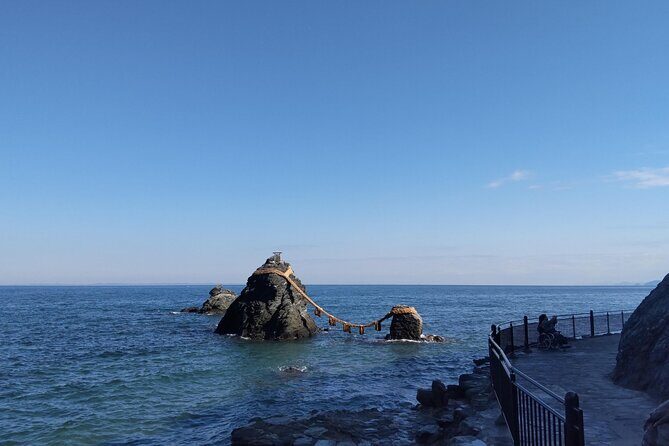
- Futami Okitama Shrine and Meoto-iwa: couple rocks with a Shinto explanation that makes the place click
- Ise Jingu (Naiku): time in the sacred atmosphere of Japan’s best-known shrine complex
- Oharaimachi Street: easy place to grab lunch and browse shops without rushing
- Mt. Asama viewpoint stop: a quick scenic break that resets your eyes after shrine time
- Mikimoto Pearl Island: cultured-pearl museum + Ama female divers seafood demonstration
- Private-car comfort: your guide drives, so your brain stays on the experience
A private-car day that keeps Ise simple
This experience is built for one main goal: help you see Ise’s most important spiritual sites and then pivot to Mikimoto Pearl Island without the logistics headache. The tour runs about 8 hours, starts at 9:30 am, and returns you to the meeting point at the end.
Transportation is the quiet hero here. A private car means you don’t need to time transfers, interpret routes, or run between stations. It also lets the guide adjust the flow based on what you care about—whether you want more context at the shrines or more time around the pearl museum and shop.
The day is paced with real stop-lengths, not vague wandering time: 30 minutes at Futami Okitama Shrine, 50 minutes at Ise Jingu (Naiku), 1 hour for Oharaimachi Street, 20 minutes for the Mt. Asama viewpoint, and about 1 hour 20 minutes at Mikimoto Pearl Island.
The trade-off is that you’ll have fewer “extra” moments for detours. Think of it as a well-scripted day: you’ll do the essentials deeply enough, but you won’t have a lot of spare time to freestyle.
You can also read our reviews of more private tours in Mie Prefecture
Futami Okitama Shrine: Meoto-iwa and the Shinto story
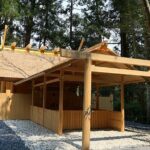
The day begins at Futami Okitama Shrine, where you can view the famous Meoto-iwa, the couple rocks. Even if you’ve seen photos, being there helps. The rocks feel like part of the landscape, not just a picture-op moment.
Your guide explains what Shinto means in practical terms—how sacred places are approached and why certain natural features become spiritually significant. That context matters because it changes how you look. Instead of scanning for angles, you slow down and notice the feeling of the space.
This stop is short—about 30 minutes—and the good news is admission is free. So you’re spending your time on atmosphere and understanding rather than ticket lines or complicated entry procedures.
Tip for value: since this is free-admission time, treat it like the “warm-up” for the rest of the day. Use it to get your bearings and your mindset set for Ise Jingu.
Ise Jingu (Naiku): why the sacred atmosphere matters
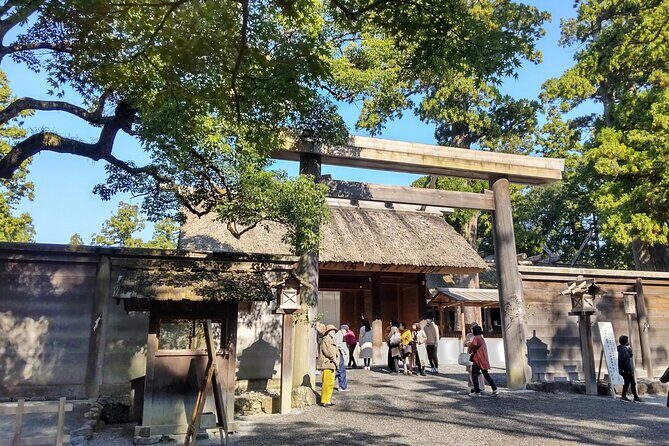
Next comes Ise Jingu, specifically Naiku. This is where the day turns from sightseeing into something closer to a spiritual visit. You get about 50 minutes here, plus your guide’s explanations about why this shrine complex is regarded as one of Japan’s most sacred areas.
Ise Jingu is dedicated to Amaterasu, the Sun Goddess, the highest deity in Japanese mythology. That single fact is more than trivia. It gives you a lens for everything you notice: the rhythm of the space, the reverence in how people move, and the sense that you’re stepping into a tradition that’s been shaping Japanese culture for a very long time.
Your guide also brings in the broader context of Japanese religion—specifically Shinto and Buddhism—so you can understand how the two major religious streams coexist in Japan’s everyday culture.
Possible drawback: this is the emotional centerpiece, and your time is fixed. If you’re the type who likes lingering quietly or repeating rituals until it feels “finished,” you may wish you had more than 50 minutes. But if you appreciate a guided visit that balances meaning with pacing, this is a good length.
Oharaimachi Street: lunch, sweets, and easy browsing
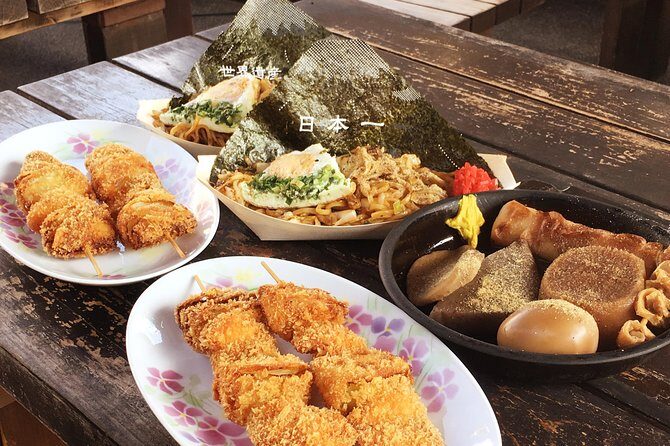
After Naiku, you’ll have about 1 hour at Oharaimachi Street, a practical stop for two reasons: food and flow. This is where you can find restaurants, souvenir shops, and sweet shops, and the variety makes it easy to choose something without planning ahead.
Lunch isn’t included, so you’ll buy what you like here. Because the time block is limited, I’d treat Oharaimachi as your “menu decision window.” Pick quickly, eat comfortably, then return to your guide when the time comes.
This stop also works as a decompression break. Shrine time is focused. Street time is sensory. You can reset your body after walking and switch into browsing mode, whether you want snacks, small gifts, or something pearl-themed.
Value note: Oharaimachi is part of why this tour feels easy. Instead of forcing you into a pre-picked restaurant, it gives you options in one concentrated area.
Asama Mountain View Point: the quick scenic reset
You’ll stop at Asama Mountain View Point for about 20 minutes. This is a short pause, not a long hike. The goal is simple: give your eyes a change of scenery after shrine and street time.
The stop is listed with admission not included, so you might need to pay on-site depending on current conditions. Either way, it’s the kind of break that helps the second half of the day land better—especially before Mikimoto Pearl Island, where you’ll be learning and looking closely.
How to use this time: don’t overthink it. Take in the viewpoint, grab a quick photo if it fits your style, and get back to the car feeling recharged. With an 8-hour schedule, that matters.
Mikimoto Pearl Island: pearls you can actually picture
Mikimoto Pearl Island is where the day becomes hands-on. You’ll spend about 1 hour 20 minutes here, and the admission fee is not included (JPY 1,650 per person).
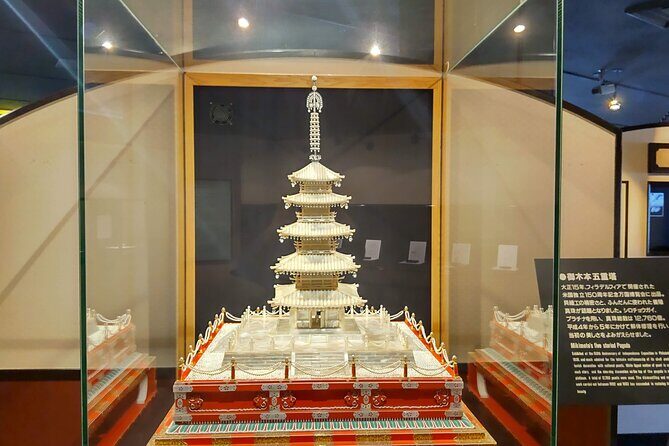
The core experience is a pearl museum that shows you how cultured pearls are made. Even if you’ve only heard the word “cultured,” this is where it turns from product to process. You can see the idea behind pearl cultivation and why the final result is so carefully controlled.
Then comes the part that adds real character: a demonstration by Ama, the female divers who collect seafood from the ocean’s depths. It’s a reminder that pearls aren’t isolated from the sea that supports the whole local culture. Watching the demonstration adds motion and storytelling to what would otherwise be a static museum visit.
Shopping is also a meaningful part of this stop. You’ll have time at a shop selling authentic Mikimoto pearls, so you can compare what you see in the museum with what’s for sale.
One consideration: Mikimoto Pearl Island is where you’re most likely to spend extra money. Between the entrance fee and purchases, this is often the biggest cost variable of the day. If you’re trying to keep the budget tight, set a ceiling before you go inside the shop.
Price and what you’re really getting for $150.24
The headline price is $150.24 per person, and for most people the key question is whether it’s worth it versus doing pieces on your own.
Here’s what you’re paying for, in practical terms:
- Guide fee: you’re not just getting transportation; you’re getting explanations about Amaterasu, Shinto, and the links between religious traditions
- Private transportation: your guide drives between sites, which saves time and stress across an 8-hour day
- A guided structure: stop lengths are set, so you’re less likely to waste time trying to figure out what’s next
What’s not included also matters for value:
- Lunch is not included
- Toll fee for Ise toll road is listed at JPY 1,270
- Mikimoto Pearl Island admission is JPY 1,650 per person
- Parking fee is about JPY 1,500
- The Mt. Asama viewpoint admission is not included
So the real “all-in” cost depends on what you choose for lunch and whether you buy anything at Mikimoto. Still, if you want the convenience of one guide, one driver, and a coherent story tying Ise’s sacred core to Mikimoto’s pearl craft, the price feels fair for a full-day experience.
If you’re already confident navigating independently, you might reduce costs on transportation. But the trade-off is losing the context that makes the shrines and pearl-making feel connected instead of separate attractions.
The kind of traveler who’ll love this day
This tour is a strong match if you:
- Want to see Ise Jingu without building a whole transport plan from scratch
- Care about culture and context, not just checking boxes
- Like the idea of combining a sacred shrine visit with a craft-and-seafood demonstration
- Prefer a private setup where the guide can respond to your interests
It’s also good for people who appreciate clear communication. In particular, Fuji-san is noted for being easy to follow—clear, prompt, and adaptable. That matters a lot when you’re trying to understand Japanese religious concepts without getting lost in translation.
If you’re the type who hates extra paid stops (or you’d rather spend more time wandering independently), the structured pacing and extra entrance fees might feel limiting. But if you’re okay with buying lunch and paying Mikimoto’s entry, the flow is a pretty sensible way to do Ise in one day.
Should you book the Sacred Ise Shrine, Mikimoto Island Private Tour?
Book it if you want a day where the guide ties things together: Amaterasu and Ise’s sacred meaning, then the practical world of cultured pearls and the Ama seafood demonstration. The private car setup is a big comfort win, and the schedule is tight enough to feel efficient.
Skip it (or reconsider) if you strongly dislike paying separate admission fees or you’d rather spend a full half-day (not 50 minutes) at one shrine complex. This isn’t a slow retreat; it’s a guided day with clear stop times.
My practical take: if you’re visiting Ise for the first time and want both spiritual Japan and pearl-process storytelling without logistics stress, this is one of the more straightforward ways to get there.
FAQ
What stops are included in this tour?
You’ll visit Futami Okitama Shrine (Meoto-iwa couple rocks), Ise Jingu Naiku, Oharaimachi Street, Asama Mountain View Point, and Mikimoto Pearl Island.
How long is the tour and when does it start?
The tour runs about 8 hours and starts at 9:30 am. It ends back at the meeting point.
What is included in the price?
The included items are the guide fee and transportation.
Are entrance fees included for Ise Jingu and Mikimoto Pearl Island?
Admission for Futami Okitama Shrine, Ise Jingu, and Oharaimachi Street is free. Mikimoto Pearl Island admission is not included (JPY 1,650 per person).
Is lunch included?
No. Lunch is not included, so you’ll buy food during the Oharaimachi Street stop.
Is pickup offered, and where do I meet?
Pickup is offered. The listed meeting point is Iseshi Station 1 Chome-1 Fukiage, Ise, Mie 516-0073, Japan.
Can I cancel and get a full refund?
Yes. You can cancel up to 24 hours in advance for a full refund. Cancellation changes made less than 24 hours before the start time aren’t refunded.