REVIEW · TOKYO
Bullet Train and Mt. Fuji Famous Food Tour
Book on Viator →Operated by Arigato Japan KK · Bookable on Viator
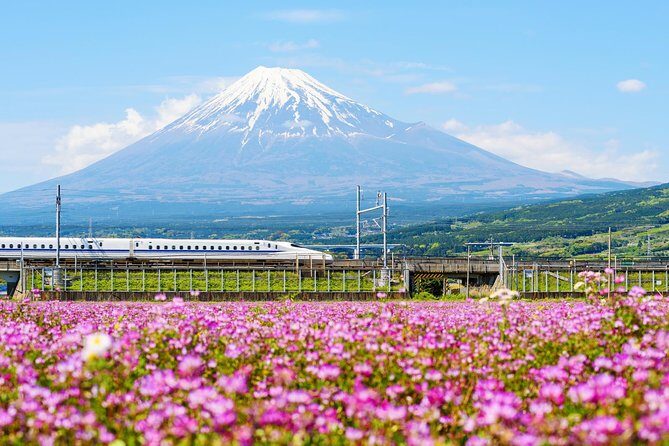
Mt. Fuji, food, and a real local guide—sounds like a perfect day. This 7-hour Fujinomiya excursion pairs round-trip Shinkansen from Tokyo with hands-on tasting time: you’ll hit local shops for regional specialties, then slow down for an included Japanese lunch at an 80-year-old restaurant that uses local ingredients. What I especially like is that the day isn’t just about snacks—it’s also about how the region’s food culture connects to the mountain, with stops like the Mt. Fuji World Heritage Centre and a shrine for big views.
Two standouts for me are the tasting lineup and the small-group feel. You get multiple chances to sample—bento/snacks on the train, then 6 food stops in Fujinomiya—plus sake and green tea tasting, and there’s also a traditional wagashi sweet-making experience available. One drawback to plan around: Mt. Fuji is weather-dependent, and the tour requires good weather, so you may not always get clear mountain views.
In This Review
- Quick Hits Before You Go: Fujinomiya, Tasting Stops, Mt. Fuji Views
- Price and What You’re Really Paying For
- Meeting Point, Timing, and How the Day Flows
- Mt. Fuji World Heritage Centre: A Fast Start With Context
- Fujinomiya Food Time: The 3-Hour Core of the Day
- What you can expect from the tasting sequence
- Why this format is so satisfying
- Practical note on appetite
- Mt. Fuji Cultural Stops: World Heritage, Shrine, and Temple Moments
- Mt. Fuji views: when you actually get them
- Fujitaro Honten: A Last Bite to Close the Loop
- Your Guide Makes the Day: Real Names, Real Tone
- Food, Drink, and Diet Notes That Actually Help
- What to Bring (Without Overthinking It)
- Who This Tour Fits Best (and Who Might Prefer Something Else)
- Should You Book This Bullet Train and Mt. Fuji Food Tour?
- FAQ
- How long is the Bullet Train and Mt. Fuji Famous Food Tour?
- What time does the tour start?
- Where is the meeting point in Tokyo?
- Is lunch included?
- How many places will we eat at during the day?
- Does the tour include sake and tea tasting?
- Is there a wagashi-making experience?
- Is the tour suitable for vegetarians or vegans?
- What is the minimum drinking age for sake on this tour?
Quick Hits Before You Go: Fujinomiya, Tasting Stops, Mt. Fuji Views
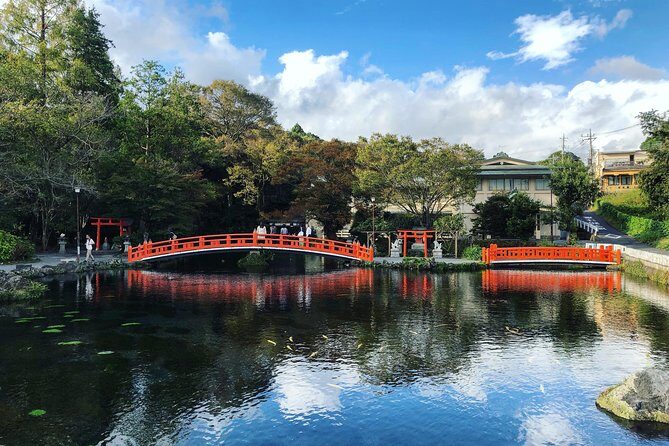
- Small group (max 10 travelers) means you’re not lost in a crowd during food stops and sightseeing.
- Six local shops/restaurants focus the day on actual regional flavors, not random tourist bites.
- Mt. Fuji World Heritage Centre + shrine time gives you a structured way to see the mountain area in different light.
- Sake, green tea, and wagashi turn the day into a food-and-drink culture lesson, not just sightseeing.
- Round-trip bullet train from Tokyo keeps logistics simpler than doing this as a DIY day trip.
Price and What You’re Really Paying For
At $638 per person, this isn’t a budget day trip. But the cost starts to make sense when you look at what’s bundled: round-trip Shinkansen travel, a guide, food time across multiple stops, and at least one included admission (the Mt. Fuji World Heritage Centre). Add in the included lunch from an 80-year-old restaurant and tastings like sake and green tea, and you’re paying for a guided “food route” that would take effort to assemble on your own.
If you’re the type who hates guessing—what to eat, where to go, how to fit it into one day—this is the kind of tour that can feel like value. The day is timed and guided, and the group size is kept small (up to 10), which helps the pacing stay comfortable when you’re moving between shops.
There’s also a note worth factoring in: if you have a JR Pass, there’s a tour price reduction mentioned for that case. If you’re eligible, it’s worth reaching out before booking so you don’t overpay.
You can also read our reviews of more food & drink experiences in Tokyo

Meeting Point, Timing, and How the Day Flows
The tour starts at 8:30 am at the Apple Marunouchi Mitsubishi Building area in Tokyo (Marunouchi, Chiyoda City). Your ending point is back at the same Marunouchi meeting area after returning to Tokyo, which makes this easier than tours that deposit you somewhere else.
Expect a full day feel even though the time is about 7 hours. You’ll be moving through three types of moments:
1) travel on the bullet train,
2) guided exploration in Fujinomiya (food-forward),
3) short sightseeing stops tied to Mt. Fuji and the local area.
One practical heads-up: there’s bento lunch and snacks on the train. If you’re the kind of eater who prefers to wait for the main lunch, you might find the train food too early. One person noted that the bento came around 10:00 am on the Shinkansen—so plan your appetite accordingly, not based on the idea that lunch will feel late.
Mt. Fuji World Heritage Centre: A Fast Start With Context
Your first stop is the Mt. Fuji World Heritage Centre in Shizuoka. The time here is short (about 15 minutes) and admission is included. This is one of those useful “get your bearings fast” stops. Instead of only seeing Mt. Fuji from one angle, you’re given a quick framework for why this area matters—so later shrine and view time lands with more meaning.
If the mountain is moody that day, this stop can still be rewarding. Even without perfect skies, learning what you’re looking at helps you notice details you’d otherwise skip.
Fujinomiya Food Time: The 3-Hour Core of the Day
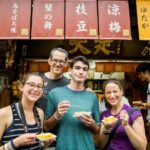
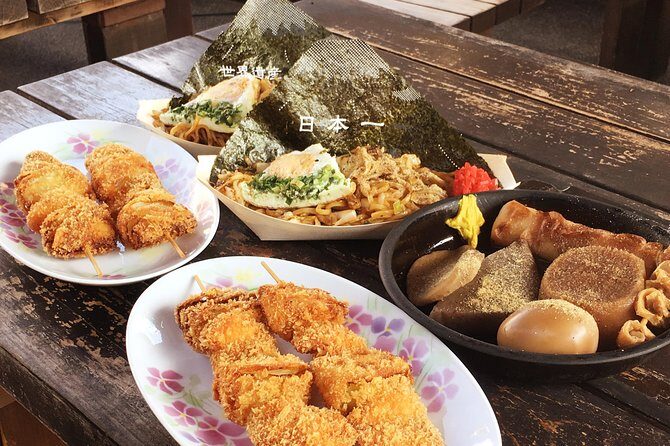
This is where the tour wins its reputation. In Fujinomiya, you get a 3-hour guided window plus a focused plan: you’ll visit 6 local shops and restaurants to sample regional specialties. It’s not just “walk around and eat what you see.” You’re moving in a sequence designed to keep the tastings flowing without turning into chaos.
What you can expect from the tasting sequence
- Regional dishes at multiple stops so you taste variety rather than just one meal.
- Lunch at an 80-year-old restaurant using local ingredients. This matters because you’re not eating something generic; you’re eating from a long-running place tied to the region’s food habits.
- Sake tasting as part of the experience (minimum drinking age is 21).
- Local green tea, which is a smart pairing with Japanese flavors and snacks.
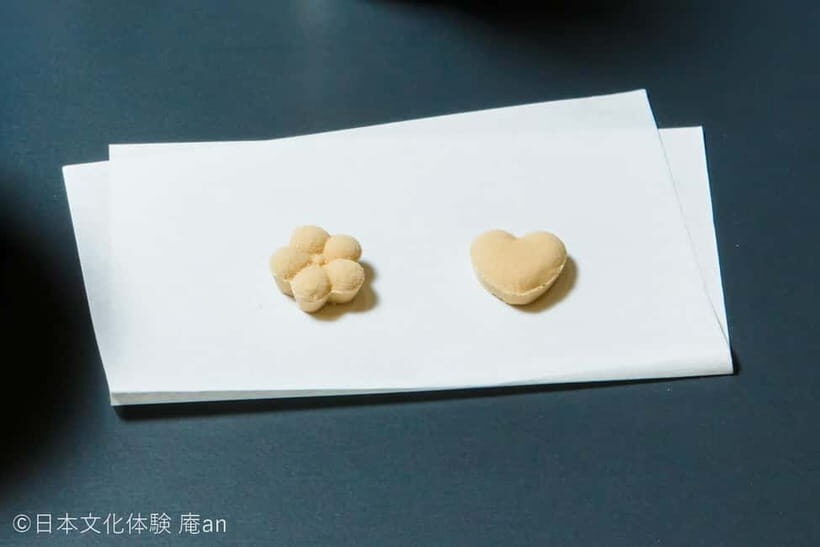
- Wagashi-making experience is available, and the day includes time to learn about preparing a traditional wagashi sweet.
A few more Tokyo tours and experiences worth a look




Why this format is so satisfying
A lot of food tours end up being either too snacky (small bites, no clear meal) or too meal-heavy (you eat one big lunch and forget the rest). Here you get a middle approach: train snacks/bento, then real guided food stops, then an included lunch that anchors the day. It’s structured enough to feel reliable, but not so packed that you’re never talking.
Practical note on appetite
If you’re hungry early, the train bento and snacks can be a lifesaver. If you’re not, you’ll likely want to treat that bento like optional fuel. One review highlighted exactly this mismatch—people weren’t very hungry at that point but still appreciated having something on hand.
Mt. Fuji Cultural Stops: World Heritage, Shrine, and Temple Moments
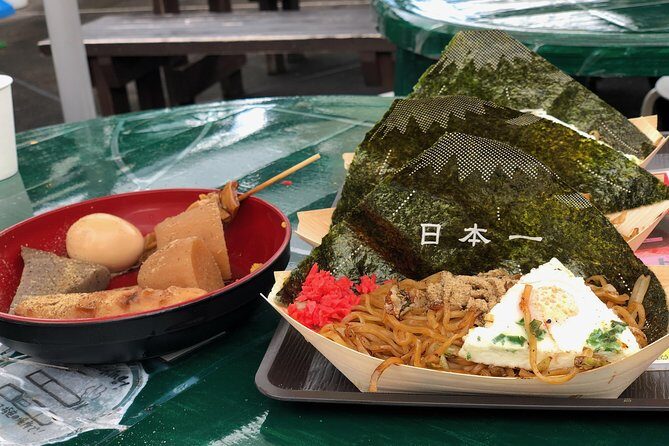
After Fujinomiya’s food core, the tour shifts from eating to seeing. You’ll have stops including:
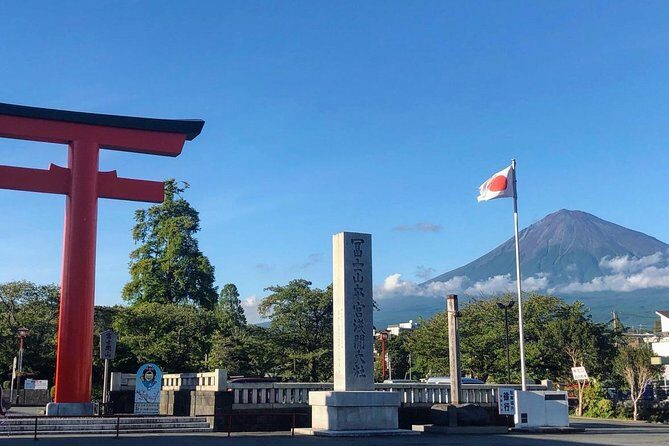
- Fujisan Honguu Sengen Taisha
- Daisenji
- A final food anchor at Fujitaro Honten
These are not “drive-by photo” stops. They’re short, but they’re purposeful. A shrine visit like Fujisan Honguu Sengen Taisha gives you a feel for how the mountain is treated with reverence in local life. Daisenji adds another layer—religious architecture and calm space are a nice counterweight after food stops.
Mt. Fuji views: when you actually get them
The tour’s promise includes spectacular Mt. Fuji views, and the experience requires good weather. That’s the honest tradeoff: you’re booking a day that depends on clouds, wind, and timing. If skies cooperate, the shrine and heritage center stops are where your eyes really land.
If Mt. Fuji is shy, you’ll still have plenty to do. The guide-led storytelling and the temple/shrine context help the day feel complete even when the mountain is hidden.
Fujitaro Honten: A Last Bite to Close the Loop
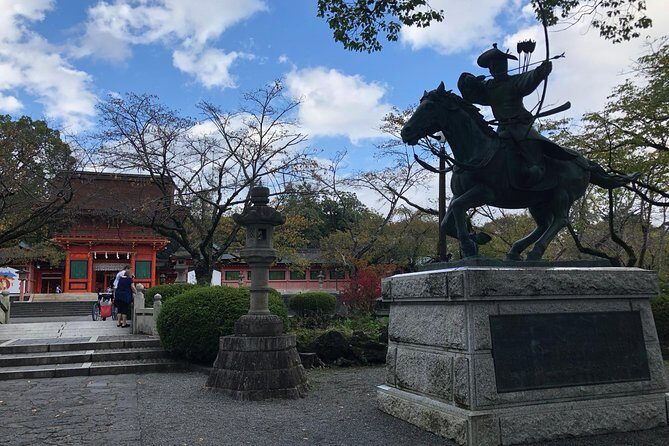
Your ending stop in the area is Fujitaro Honten. While the exact menu details aren’t spelled out here, the tour structure strongly suggests this is a final chance to eat something local before heading back to Tokyo.
This “last stop” approach is smart. It gives you closure: you’ve tasted your way through Fujinomiya, and then you finish with one more anchor meal or specialty item so the day doesn’t end on an empty stomach.
Your Guide Makes the Day: Real Names, Real Tone
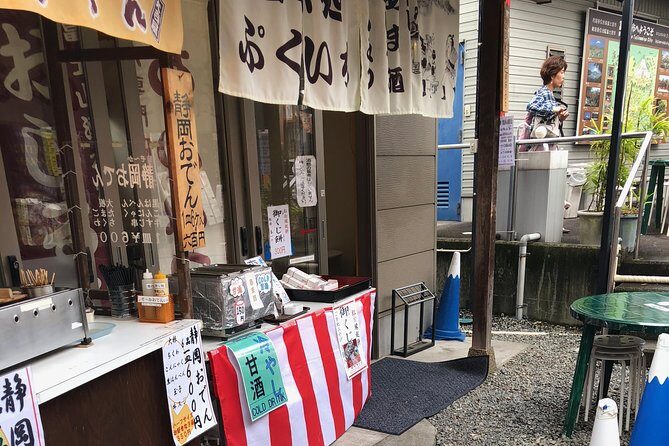
The small group size (up to 10) means your guide matters. Several guides have been named in past experiences, including Norma with apprentice Sandra, Josh, Lauren, Alex, and Arigato. That variety can actually be good news—each guide brings their own pacing and focus, especially when food culture is part of the lesson.
If you like a guide who connects what you eat to where you are (and why), this tour type fits that mindset. It’s not only about tasting; it’s about understanding.
Food, Drink, and Diet Notes That Actually Help
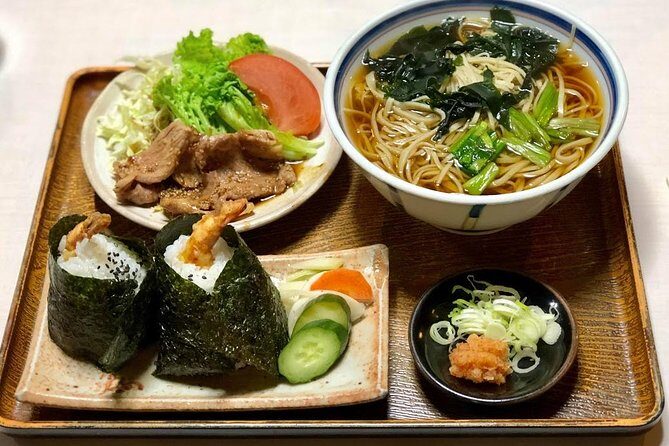
One of the easiest ways to judge a tour is whether it has real dietary awareness, and this one does.
You can expect support for:
- Vegan options
- Vegetarian options
- Pescetarian options
- Gluten-free friendliness
Also, minimum drinking age is 21, which keeps sake tasting straightforward and compliant.
Still, do a quick self-check: if you have strict allergies (not just preferences), send a clear note during booking. The tour says there are substitutions and adjustments possible based on schedules and conditions, so being explicit upfront helps.
What to Bring (Without Overthinking It)
Since the tour runs about 7 hours and includes shrine/temple walking plus time outdoors, plan for comfort:
- Comfortable shoes for uneven paths
- Layers for changing mountain-area weather
- A ready-to-go attitude for tasting (you’ll be eating more than once)
Because Mt. Fuji views are weather-sensitive, it’s also smart to be prepared for “not perfect skies.” The day still has enough structure (heritage center, shrine, temple, multiple food stops) that it shouldn’t feel wasted.
Who This Tour Fits Best (and Who Might Prefer Something Else)
This tour is ideal if you:
- want Mt. Fuji tied to regional food culture, not just a scenic ride
- like guided meals with a plan (6 tasting stops + included lunch)
- prefer small groups over big-bus tours
- drink at least occasionally and enjoy sake and tea experiences (21+)
It may be less ideal if you:
- are hoping for a long, slow sightseeing day with deep museum time (the key sightseeing stops are time-limited)
- hate eating multiple times before a main meal (train bento/snacks can come early)
- want guaranteed Mt. Fuji views no matter the weather
Should You Book This Bullet Train and Mt. Fuji Food Tour?
If you’re traveling to Tokyo and want one day that feels both fun and meaningful, I think this is a strong choice. The value isn’t in the ticket price alone—it’s in the fact that you get transport, guiding, and a full food-and-drink storyline in a tight schedule.
Book it if you can do mornings, enjoy Japanese regional specialties, and you’re okay with Mt. Fuji being weather-dependent. If your top priority is scenery-only, you might build a different day. But if your priority is tasting, learning, and seeing Mt. Fuji from multiple cultural angles, this is the kind of day that tends to stick in your memory.
FAQ
How long is the Bullet Train and Mt. Fuji Famous Food Tour?
It runs for about 7 hours.
What time does the tour start?
The start time is 8:30 am.
Where is the meeting point in Tokyo?
The tour meets at the Apple Marunouchi Mitsubishi Building, 2-chōme-5-2 Marunouchi, Chiyoda City, Tokyo 100-0005.
Is lunch included?
Yes. You’ll have an included Japanese lunch from an 80-year-old restaurant that uses local ingredients.
How many places will we eat at during the day?
You’ll visit 6 local shops and restaurants to try regional specialties.
Does the tour include sake and tea tasting?
Yes. The experience includes sake tasting and a cup of local green tea.
Is there a wagashi-making experience?
Wagashi-making experience is available, and the tour includes time to learn to prepare a traditional wagashi sweet.
Is the tour suitable for vegetarians or vegans?
Yes. Vegan, Vegetarian, Pescetarian, and Gluten-Free friendly options are mentioned.
What is the minimum drinking age for sake on this tour?
The minimum drinking age is 21 years old.