REVIEW · NOBORIBETSU
Lake Tachibana: Snowshoe to a frozen lake!
Book on GetYourGuide →Operated by Nobo Tours · Bookable on GetYourGuide
That silent, snow-crunching walk toward an ice-covered lake is special. Lake Tachibana is a rarely visited winter power spot near Noboribetsu, and the whole area goes white once the lake freezes. The result is a winter outing that feels less like sightseeing and more like stepping into a quiet Hokkaido dream.
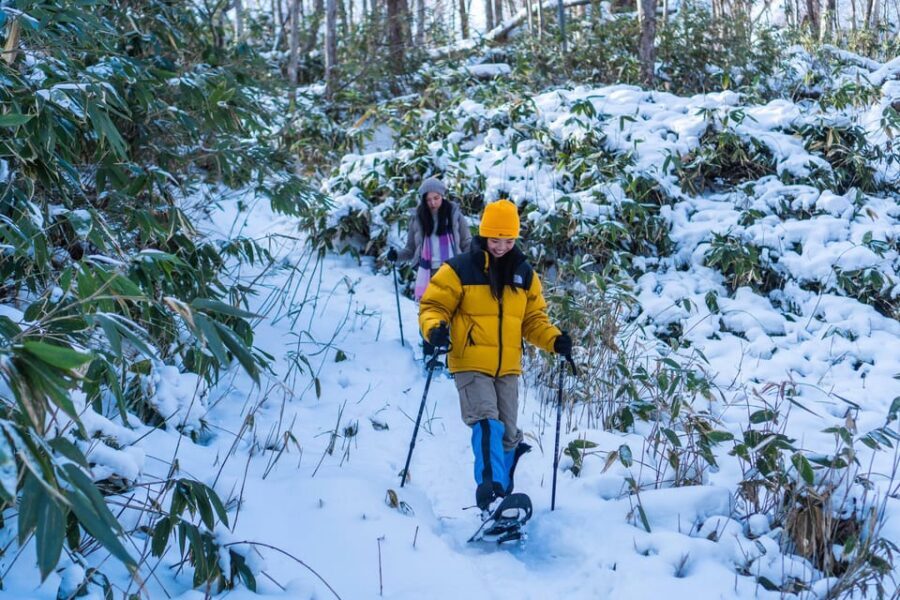
What I like most is the snowshoeing through forest on the way in. The trail starts easier, then gently (but clearly) works up toward a ridgeline before you descend to the lake. The second standout is the payoff at the frozen water—ice formations and views that feel remote, with a warm drink waiting when you arrive.
One consideration: this is a physical trek. You’ll be climbing and descending over uneven snowy ground for about 4 km, and bad mountain weather can change plans fast. If cold + effort isn’t your thing, choose a gentler winter activity instead.
In This Review
- Key things to know before you go
- Lake Tachibana Snowshoeing: what makes it feel different in Hokkaido
- From Karurusu Onsen to the ridgeline: the forest trek phase
- The downhill to the lake: where the challenge turns into payoff
- Lake Tachibana stop: hot drink, ice formations, and quiet moments
- Equipment and clothing: how to avoid getting cold or soggy
- Pace, difficulty, and who this tour suits best
- Price and value: is $96 worth it?
- Morning vs later: timing that can make your day better
- Getting picked up: the small details that reduce stress
- Should you book the Lake Tachibana snowshoe tour?
- FAQ
- What is the location of the Lake Tachibana snowshoe tour?
- How long is the tour?
- What does the tour cost?
- How many people are in the group?
- What languages are available for the live guide?
- Is pickup included, and where does it pick up from?
- What equipment is included in the tour price?
- What food and drinks are included?
- What should I bring, and what is not allowed?
- Is this tour suitable for kids or older adults?
- What happens if the weather is bad?
- FAQ
- Is there insurance included with the tour?
Key things to know before you go
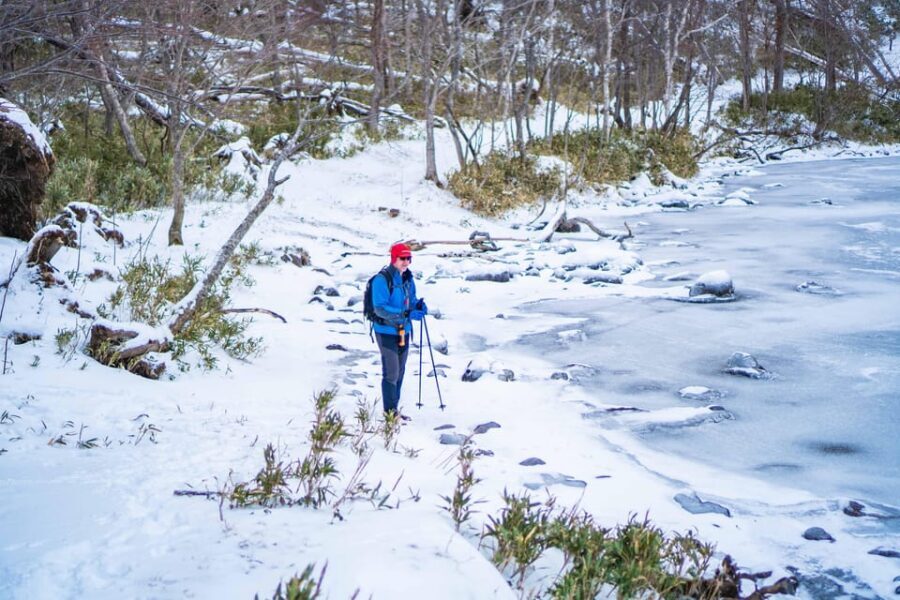
- Karurusu Onsen start, Lake Tachibana finish: you snowshoe from the onsen area to the frozen lake and back within the set time.
- Small group of max 7: you’ll move at a more personal pace and spend more time enjoying the quiet.
- 4 km over uneven terrain: the route isn’t long, but it is work in winter snow.
- Hot drink break at the lake: tea, coffee, or hot chocolate while you take in the ice formations.
- Real guide support: English/Japanese guidance, plus equipment help like gaiters.
- Pack smart for wind: hats and gloves matter because the wind at the lake can feel sharper than you expect.
Lake Tachibana Snowshoeing: what makes it feel different in Hokkaido
Hokkaido winters can look like postcards. But Lake Tachibana gets you there in a way that’s more grounded. The tour trades crowds for stillness: snow-covered forests, muffled steps, and that quiet sense of being somewhere you don’t bump into many people.
This is also one of the few ways in the Noboribetsu area where the main event is the journey itself—not just a stop you sprint through. You spend real time walking through the trees, then you earn the lake view at the end with a climb-and-descend route that feels satisfying rather than overly scenic in an artificial way.
The whole experience is built around three things: movement, weather, and reward. You move uphill through white forest, you manage winter conditions, and you finish with a warm break at a frozen lake that looks like it belongs in a winter movie.
A few more Noboribetsu tours and experiences worth a look
From Karurusu Onsen to the ridgeline: the forest trek phase
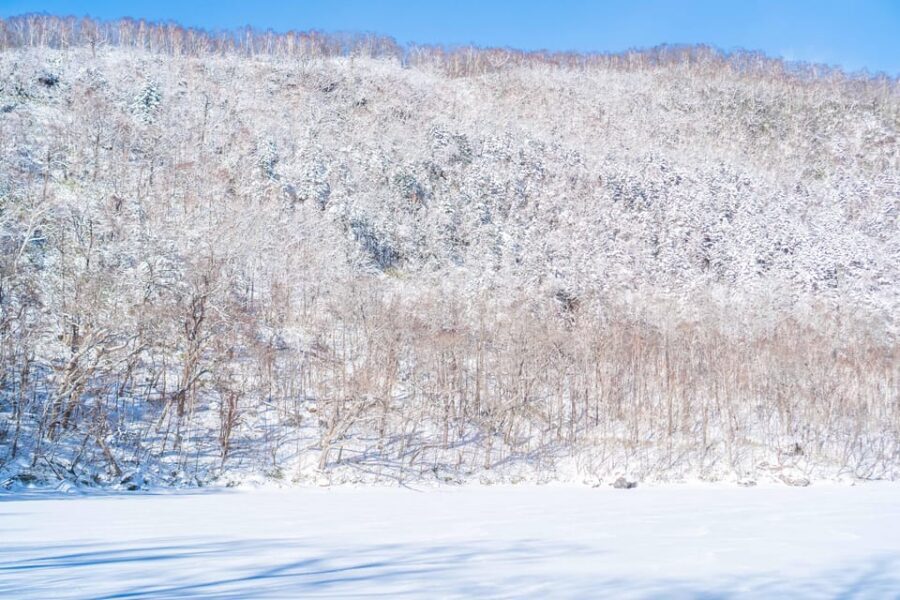
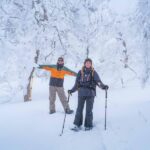
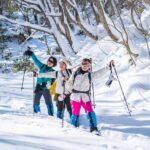
You start in the Karurusu Onsen area, and then the route shifts from onsen-world to winter-walk mode pretty quickly. The early part of the trail is flatter, which helps you find your rhythm with snowshoes and your footing. That matters because once the slope starts to rise, you’ll want your pace to feel controlled, not frantic.
Then the path gradually winds up toward the top of the ridgeline. This is where you’ll feel the effort more clearly. Snowshoes are helpful, but they don’t turn winter hiking into an easy stroll. Expect uneven snow, slightly changing traction, and a steady climb that asks for consistent steps.
I also love that the guide uses the walk to make it educational in a relaxed way. In past tours, Aidan—an English-speaking guide—has talked about things you might notice along the way like animal tracks and plants. It’s not a lecture. It’s the kind of detail that makes the forest feel alive instead of just pretty.
Practical tip: keep your jacket zipped, slow down on the steep bits, and let the rhythm of the climb do the work. If you push hard early, you’ll pay for it later on the descent.
The downhill to the lake: where the challenge turns into payoff
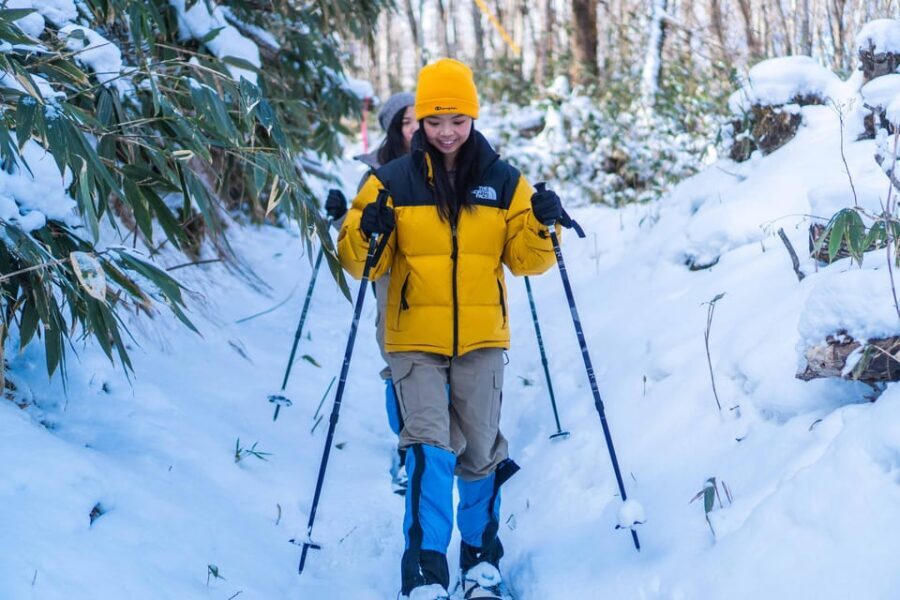
After you reach the ridgeline, you switch from climbing mode to descent mode. Descending in snow is a different kind of effort—you’re using different leg muscles, and you’re concentrating more on footing. The route takes you down the other side until you arrive at the lake area.
This is a place where good pacing makes a huge difference. Aidan has matched his guests’ pace during the climb, which is one of the reasons the trek tends to feel “chill and low pressure” even though it’s physically demanding. That’s what you want from a winter guide: steady support without rushing.
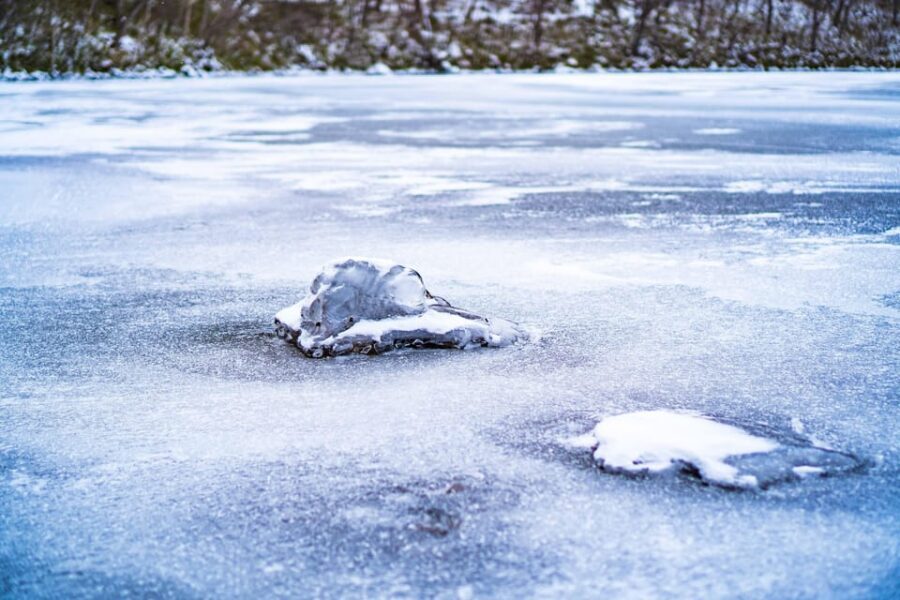
The lake approach is the payoff moment. You’re not just arriving somewhere scenic—you’re entering a different visual world. The lake is frozen, and the ice formations are the big show. Expect the kind of views that make you pause without needing photos to prove it.
One more thing: the air can feel sharper once you stop moving, especially with wind. When you think you’re dressed well enough, that’s usually the moment to add one more warm layer next time. This tour gives you warmth at the end, but you’re responsible for staying comfortable during the walk in.
Lake Tachibana stop: hot drink, ice formations, and quiet moments
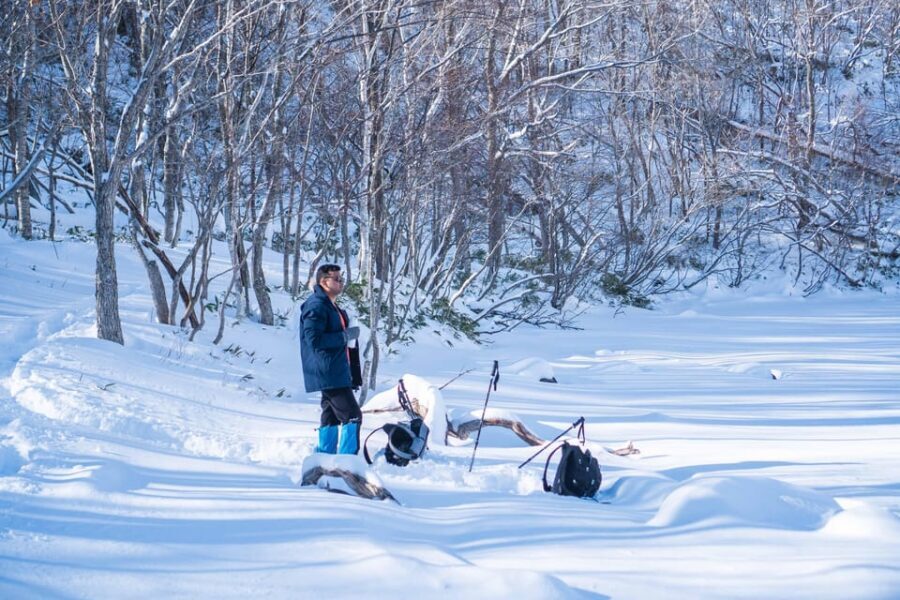
Once you reach the frozen lake, the tour shifts into rest mode. You’ll take a break and warm up with a hot drink—tea, coffee, or hot chocolate—while you enjoy the winter scenery and the ice formations.
In some departures, Aidan has also offered crackers along with the hot drink. That small add-on matters more than it sounds: it gives you a little something to munch while you soak in the view, instead of just sipping and moving on.
This is also the moment where the “secret power spot” vibe becomes real. The area is rarely visited by tourists, so the lake time tends to feel peaceful. In previous tours, the trail and woods have reportedly felt like you had them mostly to yourselves. When you’re snowshoeing, that quiet is half the magic.
What you should do: take time here. Don’t treat it like a timed pit stop. If you catch your breath, you’ll enjoy the textures of the ice more—the contrast of white snow against darker ice patterns is what makes frozen lakes interesting.
Equipment and clothing: how to avoid getting cold or soggy
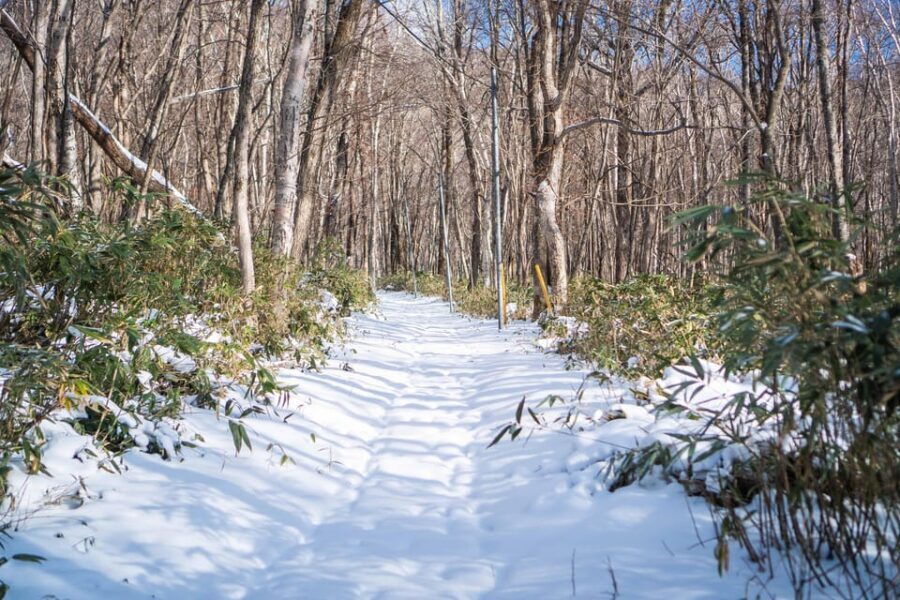
The tour supplies key gear for the snowshoeing, but you still need to do the clothing work. Here’s the balance:
Included for you:
- Snowshoes
- Gaiters
- Hiking poles if requested
- Hot drink at the lake
Not included (and this is where people often get tripped up):
- Warm clothing
- Footwear
- Backpack
You also want to follow the rules: jeans are not allowed. Winter hiking is easier when your outer layers are made for snow and movement, not cotton denim.
From experience-guidance shared with prior participants, I’d follow these practical points:
- Bring a warm scarf and gloves. Hands and nose can get cold fast in wind.
- Use warm enough layers for both top and bottom.
- Wear waterproof outerwear and waterproof shoes or high-sided boots if you have them. Keeping feet dry helps your whole energy level.
- Pack a light backpack so you can carry what you need and keep your hands free.
Also bring water. It seems boring, but cold weather reduces how much you feel thirst, and you don’t want to be low on fluids during a trek.
Pace, difficulty, and who this tour suits best
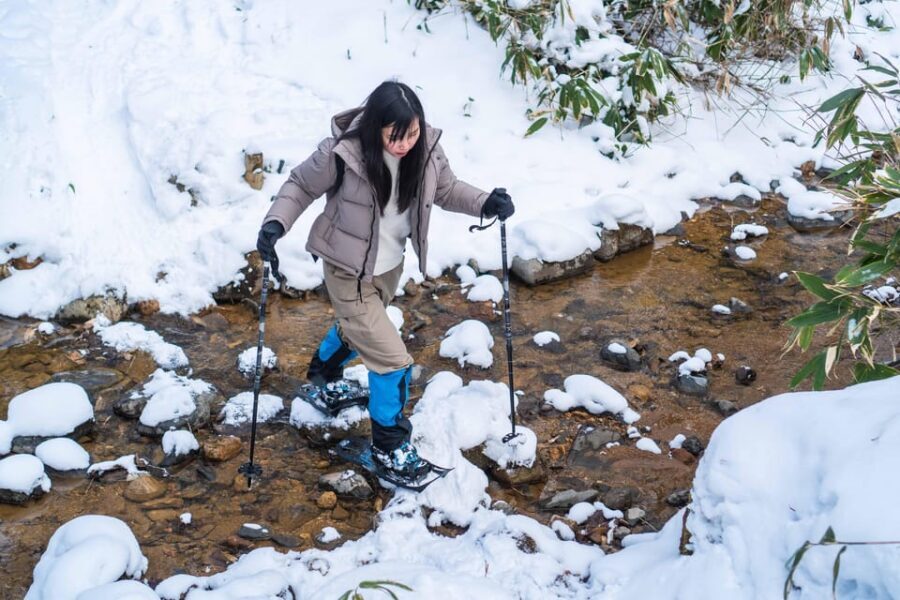
This is not a short easy walk. The tour covers about 4 km across uneven terrain and includes climbing and descending. It’s physically active, and it isn’t designed for everyone.
It’s not suitable for:
- Children under 16
- Wheelchair users
- People over 70
Even within the right age range, think honestly about your snow tolerance and your balance on uneven ground. If you’ve done winter hiking before, you’ll probably know what to expect. If you haven’t, this is still doable for many people—but don’t underestimate how tiring snowshoes can feel.
The good news is that the guide team is tuned to the group. Aidan has been noted for being friendly, smiling, and informative, while also matching pace during the climb. That combination helps you stay steady instead of getting rushed or stuck.
Who should book: adults who want a winter nature experience off the main tourist track, and who like a moderate challenge with a rewarding view at the end.
Who should skip: anyone who struggles with uneven steps, strong cold wind, or sustained climbing/descending in winter conditions.
Price and value: is $96 worth it?
At $96 per person, the tour pricing makes sense when you look at what’s included versus what you’d otherwise have to assemble yourself.
You’re paying for:
- Guided support in English or Japanese
- A small-group format (max 7)
- Snowshoe equipment plus gaiters
- Optional hiking poles
- A hot drink (tea, coffee, or hot chocolate) at the lake
- Pickup and drop-off from Noboribetsu and Noboribetsu Onsen
If you tried to recreate this solo, you’d spend money on snowshoe rentals, transportation to the right start point near Karurusu Onsen, and a guide isn’t something you can easily replace if you want the route to make sense in winter. Here, the guide also helps you get the pacing right, which matters when the conditions can change.
The tour also lasts about 210 minutes. That’s long enough to feel like an actual experience—walking time, climbing/descent time, and a meaningful lake break—without turning it into a full day that crowds out everything else.
If you’re staying in the Noboribetsu area and want a winter activity that feels uniquely Hokkaido, this price is in the reasonable zone.
Morning vs later: timing that can make your day better
You can’t always control snow and clouds, but you can control one thing: whether you finish at a time that matches your plans. One tip from past participants is to consider going in the morning so you can head into one of Noboribetsu’s onsen afterward. That pairing is smart—snowshoe legs get worked, and an onsen soak is a natural reward.
Also, remember that even if it looks sunny early, mountain weather can shift. So build flexibility into the day.
Getting picked up: the small details that reduce stress
Pickup is included, and you’ll meet the van with a clear identifier: a grey/black Mitsubishi Delica with a number plate reading 207. Pickup is available from Noboribetsu and Noboribetsu Onsen.
This matters because winter travel is rarely fun when you’re confused. If you’re staying in the area, check your pickup time and be ready to step outside on time.
Should you book the Lake Tachibana snowshoe tour?
I’d book this tour if you want:
- A quiet, off-the-beaten-track winter walk
- Snowshoeing through snowy forest, not just a quick photo stop
- A guided experience that helps you manage cold and pacing
- A warm drink break at the frozen lake with ice formations
I wouldn’t book it if:
- You hate climbing and descending on uneven snowy ground
- Cold wind makes you miserable fast
- You need a fully accessible or low-effort activity
If you’re the kind of traveler who enjoys earning your best view—step by step—Lake Tachibana delivers.
FAQ
What is the location of the Lake Tachibana snowshoe tour?
It’s in Hokkaido, Japan, near Noboribetsu, starting from the Karurusu Onsen area.
How long is the tour?
The duration is about 210 minutes.
What does the tour cost?
The price is $96 per person.
How many people are in the group?
The group is small, limited to 7 participants.
What languages are available for the live guide?
The tour offers a live guide in English and Japanese.
Is pickup included, and where does it pick up from?
Yes, free pickup and drop-off are included. Pickup is available from Noboribetsu and Noboribetsu Onsen.
What equipment is included in the tour price?
Snowshoes are included, along with gaiters. Hiking poles are included if you request them.
What food and drinks are included?
You’ll be served a hot drink at the lake (tea, coffee, or hot chocolate).
What should I bring, and what is not allowed?
Bring warm clothing and hiking shoes (water is also recommended). Jeans are not allowed.
Is this tour suitable for kids or older adults?
It’s not suitable for children under 16, wheelchair users, or people over 70.
What happens if the weather is bad?
The tour will be canceled or postponed (if possible) if bad weather occurs.
FAQ
Is there insurance included with the tour?
No. Nobo Tours does not have insurance for customers, so you should prepare your own insurance.