REVIEW · TOKYO
Private Kimono Photo Shooting tour at Asakusa by Local Japanese
Book on Viator →Operated by Oriel Tourism · Bookable on Viator
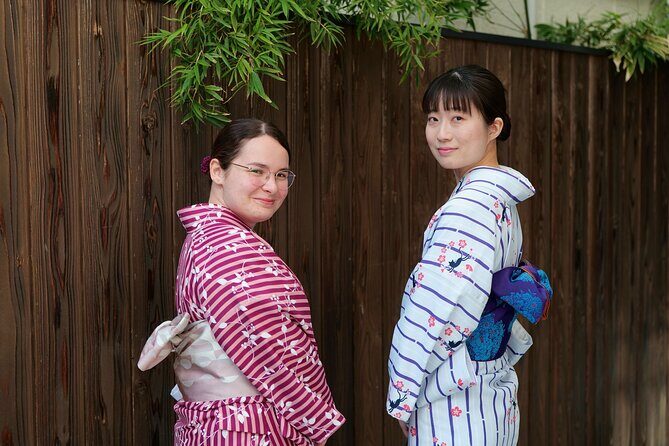
Senso-ji looks good in any light, especially in kimono. This private Asakusa photo shoot lets you pick a kimono, get guided poses and locations, and leave with up to 30 edited photos in high-quality digital data. My favorite part is how the photographer helps you look natural fast. One thing to consider: the kimono rental (with footwear, bag, and hair making) is not included in the $78.44 price.
You’ll spend about 1 hour 30 minutes moving through classic Asakusa sights, from Sensō-ji to the five-storied pagoda viewpoint and then over to Asakusa Shrine and Hanayashikidori. It’s designed as a private shoot, so you’re not fighting crowds for angles. After the session, you can keep the kimono for your own wandering until the shop closes at 5pm.
In This Review
- Key things to know before you book
- From Burger King to Asakusa’s Main Stage
- Price and what you’re actually paying for
- A quick value reality check
- Choosing a kimono you’ll actually want to wear
- Sensō-ji Temple: the photos start with big scale
- Why Sensō-ji works for kimono photos
- The five-storied pagoda stop: short and photo-forward
- Asakusa Shrine and Hanayashikidori: softer Tokyo energy
- What to look for on these streets
- How the photographer directs you (and why it matters)
- What I’d recommend you do
- Getting your edited photos: 30 shots is a lot
- Staying in kimono after the shoot until 5pm
- How to use the extra time
- Should you book the Asakusa kimono photo shoot?
- FAQ
- FAQ
- How long is the private kimono photo shooting tour?
- Where do we meet and where does the tour end?
- What’s included with the photo package?
- Is the kimono rental included in the tour price?
- Are entrance tickets included for temple and shrine stops?
- What if the weather is bad?
- Is it really a private tour?
- Can I wear the kimono after the photo session?
Key things to know before you book
- Private, just your group: Only your party joins the photographer on the plan.
- Up to 30 edited photos: You get maximum 30 photos as high-quality digital data.
- Well-directed posing and spots: The photographer recommends positions and locations while you’re walking.
- Stops built around iconic Asakusa views: Sensō-ji, the five-storied pagoda area, Asakusa Shrine, and Hanayashikidori.
- Kimono rental is separate: Plan for the 3500Yen standard set if you want the full kit.
- Keep the kimono until 5pm: After the shoot, you can extend the experience on your own.
From Burger King to Asakusa’s Main Stage
The shoot starts at Burger King Asakusa Azumabashi, right by Cross Bil Royal Palace (Kaminarimon, Taito City). You’ll meet near public transportation, so it’s easy to build into a normal day of Tokyo sightseeing.
The session ends at the VASARA Kimono Rental Asakusa Flagship Store. That matters because the whole experience flows like one connected plan: you get dressed or fitted, take photos around the old-city sights, and then finish back at the rental point if you want to change.
The tour is also sold as a private activity, so you can expect a calmer rhythm. Instead of doing the “stand here, take a picture, next” routine, you’re working through a sequence of spots with direction from your photographer.
One more practical detail: you’ll have a mobile ticket, which helps on a day when your phone is already doing navigation and photo duty. And if you’re traveling with family or friends, the listing also notes group discounts, which can improve the value.
You can also read our reviews of more private tours in Tokyo

Price and what you’re actually paying for
At $78.44 per person for about 1 hour 30 minutes, you’re not just buying a walk with a camera. You’re paying for a structured route, kimono photography guidance, and post-processing: up to 30 edited photos delivered as high-quality data.
The editing piece is the real value driver here. A quick snapshot in kimono is fun, but edited photos help you look like your outfit and your pose were planned together—which is exactly what you want with traditional dress. The photographer also directs your locations and poses so you’re not spending half the session guessing what will look good.
The one cost to plan for is the kimono rental itself. The standard rental kimono set is 3500Yen, and it includes footwear and a bag, with hair making listed as part of that set. That’s not included in the $78.44 price, so budget for it if you want the full kimono look.
A quick value reality check
- If you want just a kimono and a nice stroll, a rental-only approach can be cheaper.
- If you want kimono + posed photos at key Asakusa sights, this price starts to make sense because the photographer does the work of timing, angle selection, and editing.
Choosing a kimono you’ll actually want to wear
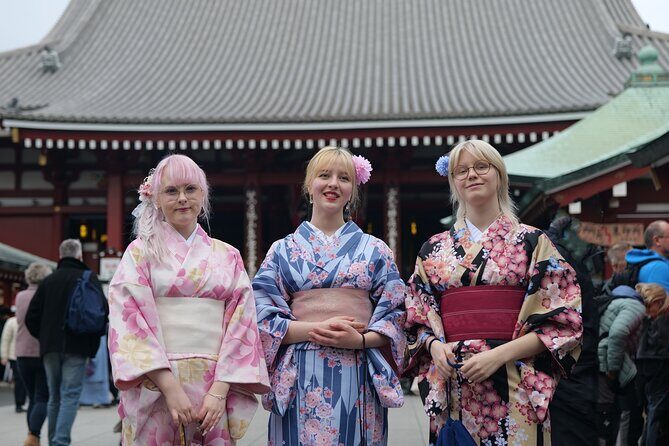
The experience is built around the fun part: choosing your favorite kimono from different styles. That choice matters because your photos will reflect the outfit, not just the landmarks.
The tour also notes that the standard kimono set includes items like a traditional bag and footwear. Hair making is also part of that 3500Yen standard rental set, but since it’s not included in the tour price, you’ll want to confirm what you’re getting on your end when you arrive at the rental shop.
If you’re the kind of person who likes photos to match your personality, this is where you win. You can pick something you genuinely love, then rely on the photographer to guide you for how to stand, turn, and hold your kimono so it looks right on camera.
One practical tip: think about comfort. A kimono looks stunning, but it also means you’ll be walking a bit and standing still for shots. If you’re doing this as a first-time kimono wearer, I’d treat the session like it’s a gentle photo session, not a marathon. About 90 minutes is the target.
Sensō-ji Temple: the photos start with big scale
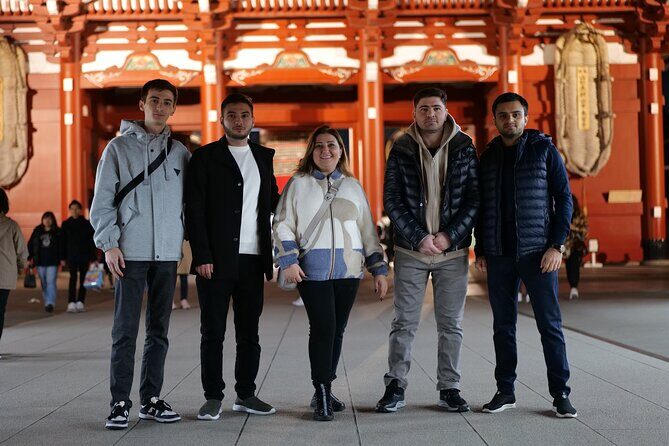
Your first major stop is Sensō-ji Temple, one of Tokyo’s most famous temples. It’s also Tokyo’s oldest temple, founded in the 7th century, which is part of why the area always feels like a real snapshot of old Tokyo life.
You’ll spend about 50 minutes here, with admission ticket free. That generous window is important. Sensō-ji has a lot of visual layers, from temple buildings to the wide approach areas where photographers can frame you cleanly.
This is where your photographer’s job becomes obvious. They’ll direct you toward poses and locations for the best shot, which helps you avoid the classic mistake of standing too close to busy features or too far from what makes the scene look “official.”






Why Sensō-ji works for kimono photos
- The temple buildings give strong structure to your background.
- You can step into traditional-style framing without needing special locations beyond the grounds.
- It’s a place where a kimono doesn’t feel costume-y. It looks like it belongs.
A small consideration: since this stop is a major tourist draw, you’ll want to follow your photographer’s guidance on timing and positioning. It’ll save you stress and help your photos come out cleaner.
The five-storied pagoda stop: short and photo-forward
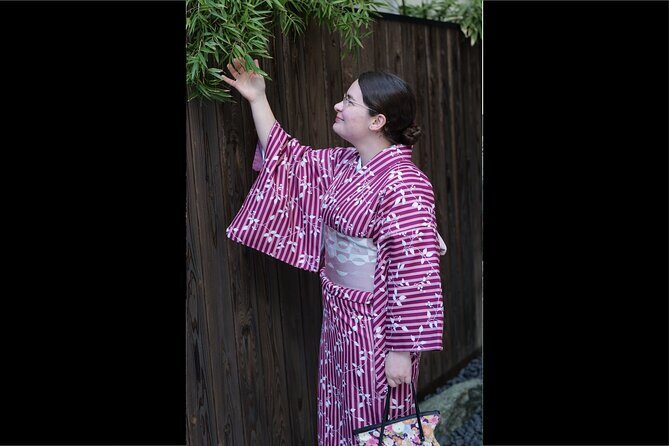
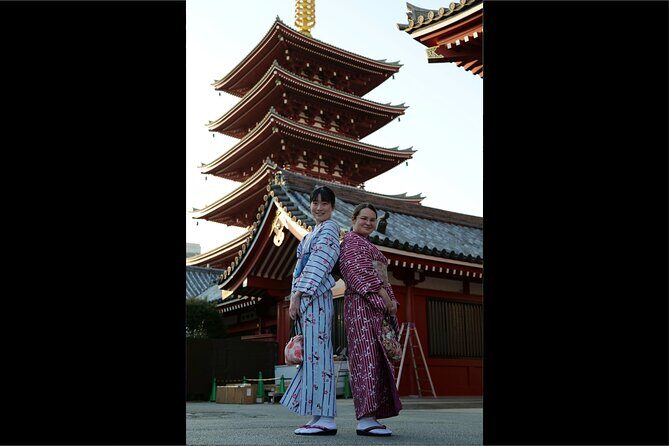
After Sensō-ji, you hit the five-storied pagoda area. It’s a prominent landmark on the temple grounds, around 53 meters tall, and it offers a classic “Temple + you in kimono” composition.
The schedule here is tight: about 10 minutes. Admission is not included for this specific part, so you should expect you may need to pay the pagoda-area ticket if you want that access.
This is a good moment to take advantage of the short time block. The photographer can guide you to the front-facing angle people usually want, then get you moving before time runs out.
If you’re hoping for lots of solo shots, ask your photographer to prioritize them early. With only 10 minutes here, you’ll get the most out of the pagoda view if you plan for it instead of using the time to figure out camera angles.
Asakusa Shrine and Hanayashikidori: softer Tokyo energy
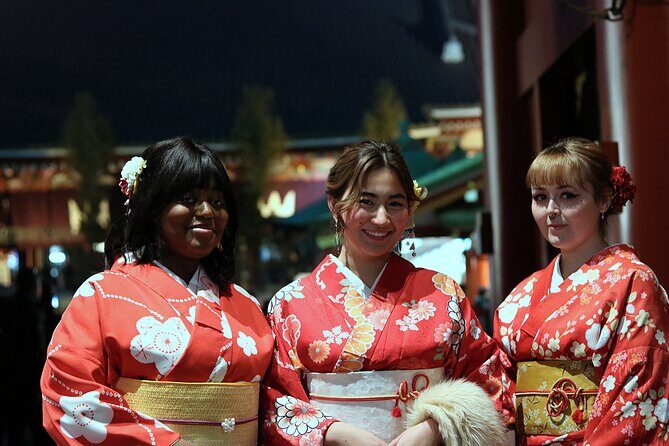
Next comes Asakusa Shrine, right next to Sensō-ji. You’ll spend about 10 minutes here, and admission is free.
Then you’ll transition to Hanayashikidori, a sightseeing street lined with shops. You’ll get about 15 minutes here, and admission is free.
These two stops are valuable because they break the temple intensity with a different kind of Tokyo texture. A shrine area gives you traditional structures and a calmer feel for some photos. A shopping street adds a more everyday story to the set.
What to look for on these streets
- Watch how your kimono color pops against shop signage and street textures.
- Let the photographer direct you for angles where your face and outfit are visible, not blocked by clutter.
- If you’re curious about Japanese culture, this is likely where you’ll get more conversational talk on the way—since the plan includes learning things you’re interested in as you go.
This pacing makes the whole shoot feel like a guided walk with photos, not like a single-location studio session.
How the photographer directs you (and why it matters)
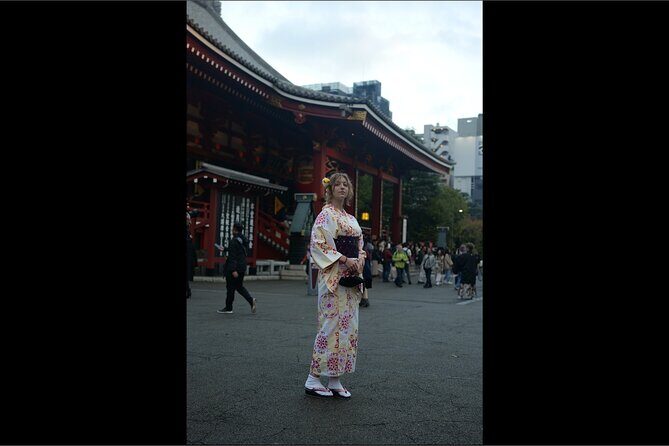
This experience leans hard on one thing: direction. The tour explicitly says the photographer kindly directs the pose and location to get the best shot, and that’s exactly what makes a private shoot feel worth it.
In the reviews tied to this experience, the photographer name Shuhei comes up with praise for helping through the whole process and knowing great angles. People also note that his photos came out amazing because he was guiding positions and places, not just standing behind a camera and pressing the shutter.
That guidance is especially important in kimono photography. With a kimono, small adjustments make a huge difference: how your shoulders angle, where your hands rest, and how your body turns relative to the camera.
What I’d recommend you do
- Tell your photographer what you want the photos to feel like (classic, romantic, playful, documentary).
- Pay attention to their body-language cues during posing so you can copy fast.
- Ask questions while walking if there’s something specific you want to learn about Japanese culture on the route.
Because it’s private, you can ask for more variety: close-ups, full-body shots, and a couple of walking shots that show the outfit moving.
Getting your edited photos: 30 shots is a lot
You’ll receive maximum 30 edited photos as high-quality data. That means you’re not limited to a handful of keepers. It also means you can create a mini set for social media and for your own keepsakes.
For me, the key advantage is that “edited” changes the experience. You’ll still enjoy taking the photos in Asakusa, but what you end up with later should look like someone planned the look—kimono, lighting, and composition all treated as one package.
The tour duration supports that workflow. With about 1.5 hours total, you’ll hit multiple iconic stops without dragging the session too long. For most people, that’s the sweet spot where you’re engaged but not tired.
And yes, there’s at least a small comfort perk built into the experience: bottled water, plus one drink from a vending machine for free. Nothing life-changing, but it helps on a day when you’re already dressed up and walking.
Staying in kimono after the shoot until 5pm
One of the smartest value adds is what happens after the photo session. You can choose to go back to the rental shop, or you can go on your own journey wearing the kimono until 5pm. The shop closes at 5pm.
That changes the economics of the day. You’re not just paying for a photo hour and then going back to normal clothes. You’re getting a longer “dressed in the real thing” window that makes your photos feel even more connected to the rest of your trip.
How to use the extra time
- Plan a nearby area walk where your kimono fits the atmosphere.
- Keep your schedule light so you’re not constantly worried about getting back.
- Take a few phone photos yourself too. The kit and styling often look better once you’re out of the pose-and-shoot mode.
If you’re only in Asakusa for one half-day, this bonus can make the experience feel like more than a paid activity.
Should you book the Asakusa kimono photo shoot?
Book it if you want kimono photos with strong direction at the places you actually came to see: Sensō-ji, the five-storied pagoda area, Asakusa Shrine, and Hanayashikidori. This is especially worth it if you don’t travel with a photographer friend and you want your pictures to look planned without the stress.
Skip it or rethink it if you’re trying to keep costs ultra-low, because the kimono rental is a separate 3500Yen standard set cost. Also, the experience requires good weather, so if your dates are shaky, build flexibility.
If your priority is getting home with photos you’re genuinely excited to share—rather than a few random snaps—this is the kind of activity that delivers.
FAQ
FAQ
How long is the private kimono photo shooting tour?
It runs for about 1 hour 30 minutes (approx.).
Where do we meet and where does the tour end?
You start at Burger King Asakusa Azumabashi, Cross Bil Royal Palace (Kaminarimon, Taito City). The tour ends at the VASARA Kimono Rental Asakusa Flagship Store.
What’s included with the photo package?
You get maximum 30 edited photos as high-quality digital data, plus bottled water and one drink from a vending machine for free.
Is the kimono rental included in the tour price?
No. The standard rental kimono set (including footwear, bag, and hair making) costs 3500Yen and is not included.
Are entrance tickets included for temple and shrine stops?
Sensō-ji Temple and Asakusa Shrine are listed as admission free. The five-storied pagoda has admission not included. Hanayashikidori is free.
What if the weather is bad?
The experience requires good weather. If it’s canceled due to poor weather, you’ll be offered a different date or a full refund.
Is it really a private tour?
Yes. It’s private, meaning only your group participates.
Can I wear the kimono after the photo session?
Yes. After the shoot, you can either return to the rental shop or keep wearing the kimono on your own until 5pm (the shop closes at 5pm).
You Might Also Enjoy
 30-Min Tokyo Central Private Heli Tour– Asakusa, Skytree, Shibuya
 Experience all of Japanese culture and Japanese food experience classes “origami, udon, Japanese food, green tea, calligraphy” in 4 hours
 Tokyo: Private Nikko World Heritage Instagramable Day Tour
 Kintsugi Workshop Class in Shibuya, Tokyo with mon cadeau