REVIEW · NOBORIBETSU
Noboribetsu: Orofure Pass Snowshoeing Tour
Book on GetYourGuide →Operated by Nobo Tours · Bookable on GetYourGuide
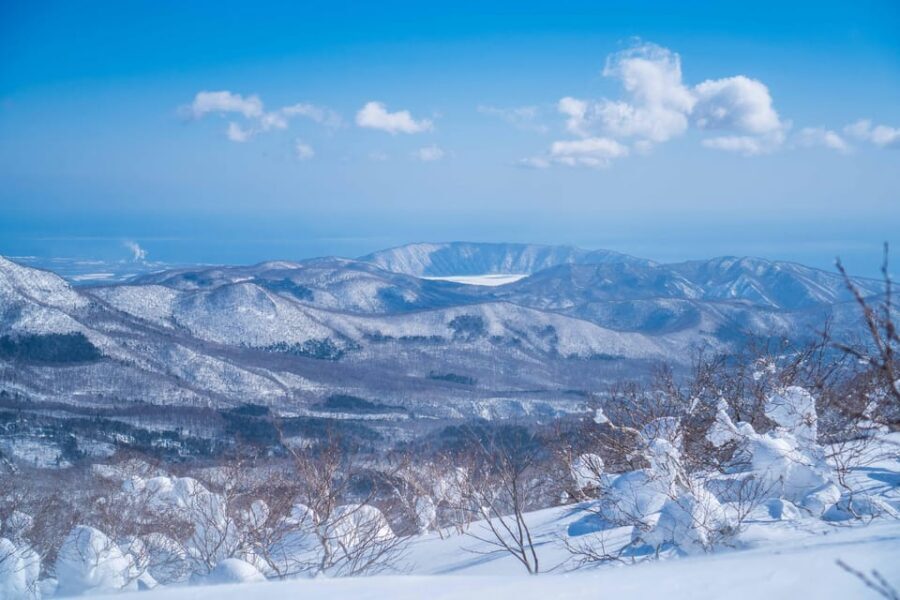
Snowshoeing here feels like stepping into winter cinema. Orofure Pass sits about 30 minutes from Noboribetsu, and this 5-hour tour takes you through heavy powder snow to see the famous snow monsters and wide winter views you don’t get from town. The route climbs into a ridgeline area where the trees look coated in frozen shapes, then continues up toward viewpoints that can include Mt. Orofure, Mt. Yotei, and Lake Toya.
I especially like the way this tour keeps things first-timer-friendly while still feeling adventurous. With guide Aidan, you get practical tips on snowshoe technique, and the pace is set for a smooth climb and safe footing over uneven snow. I also love the personal touches that show up on the trail—shared snacks and hot drinks, and even professional-quality photos that help you capture the trip without juggling your camera constantly.
One consideration: this is still a physical walk over uneven, snowy terrain, and jeans are not allowed. If you have low fitness, back or heart issues, mobility limitations, or you’re feeling under the weather (including a cold), this may not be your best match.
In This Review
- Key Moments Worth Circling
- Orofure Pass: The Noboribetsu Winter Setting You Can Actually Experience
- The 5-Hour Flow: What Happens From Pickup to Drop-Off
- Snow Monsters Up Close: Why This Tour’s Main Sight Feels Special
- Ridgeline Views: Mt. Orofure, Mt. Yotei, and Lake Toya Potential
- Gear and Technique: The Practical Stuff That Makes or Breaks Snowshoeing
- What you should bring (and what to skip)
- Lunch and Hot Drinks: A Real Break, Not a Token Stop
- Price and Value: Is $154 a Fair Deal?
- Weather, Safety, and When the Tour Changes
- Who Should Book This Snowshoeing Tour (and Who Should Skip It)
- Should You Book the Noboribetsu Orofure Pass Snowshoe Tour?
- FAQ
- How long is the Noboribetsu: Orofure Pass Snowshoeing Tour?
- How many people are in the group?
- What languages are the guides able to speak?
- What’s included in the price?
- What should I wear, and what is not allowed?
- What views can you see on the route?
- How does pickup work?
- What happens if the weather is bad?
Key Moments Worth Circling
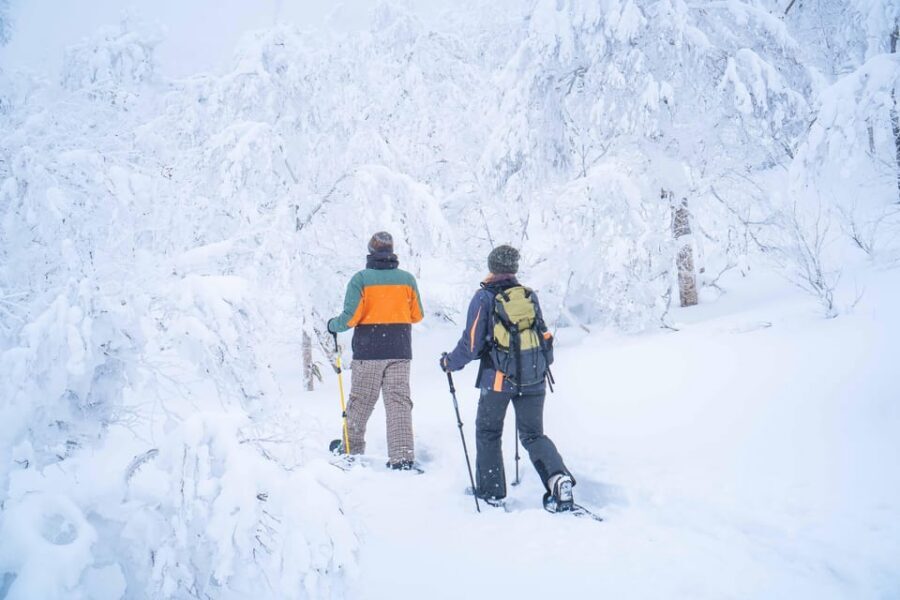
- Snowshoeing Japan’s powder through a quiet winter forest just outside Noboribetsu
- Snow monsters—trees frozen with thick, sculptural snow
- Ridgeline views that can include Mt. Orofure, Mt. Yotei, and Lake Toya
- Small group size (up to 7) for a more relaxed pace
- Gear included: snowshoes, poles, and gaiters so you travel lighter
- Trail photo support and comfort breaks with a hot drink and lunch stop
Orofure Pass: The Noboribetsu Winter Setting You Can Actually Experience
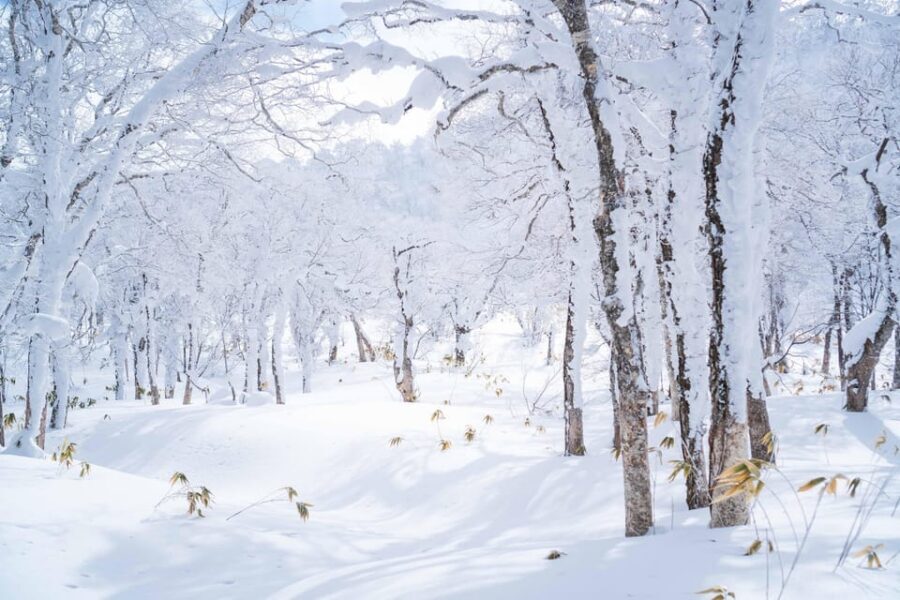
Noboribetsu is known for its winter weather, but Orofure Pass gives you the kind of scenery that feels bigger than what you see from the road. This area gets heavy, powdery snow that forms those signature frozen tree shapes people come to Hokkaido to photograph.
The big idea is simple: you snowshoe under the trees, then walk up toward a ridgeline where the view opens. It’s the difference between seeing snow in the distance and walking through it up close—quiet, muffled, and bright when the light hits the powder.
You can also read our reviews of more tours and experiences in Noboribetsu.
The 5-Hour Flow: What Happens From Pickup to Drop-Off
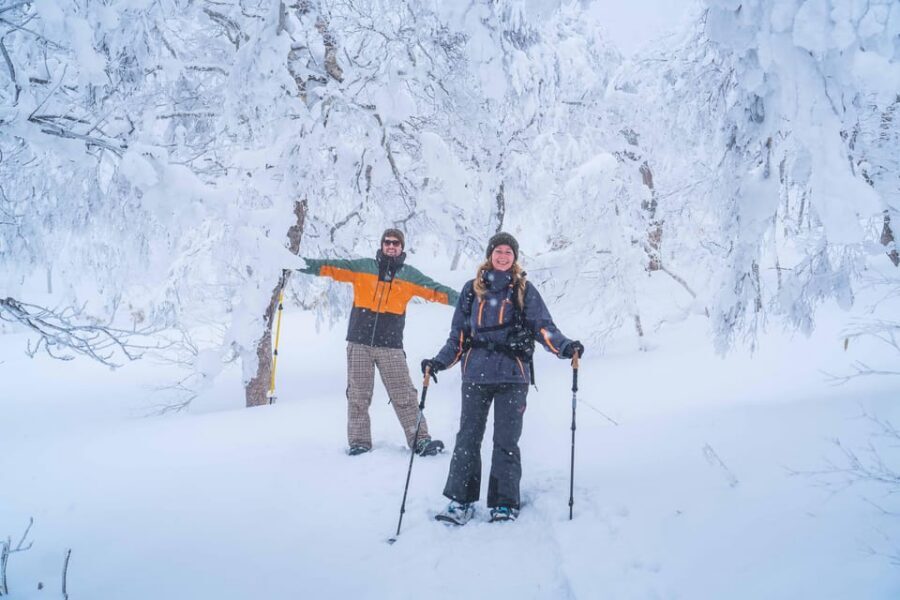
This tour runs about 5 hours end to end, with hotel pickup and return included. You’ll ride from Noboribetsu to Orofure Pass, which is only around 30 minutes away, so the day doesn’t feel like pure driving.
Once you arrive, you’ll fit up with the provided snowshoes, poles, and gaiters. That gear matters because it changes how the snow behaves under your feet—you’re not slogging through deep powder, and you’re less likely to feel like you’re fighting the trail the whole time.
From there, the walk unfolds in stages. First comes a forest section where you learn how to place your steps and keep your balance. Then you move toward the ridgeline and the area where the frozen tree shapes are most impressive, and you’ll continue upward to reach wider viewpoints.
At some point on the return, you’ll stop for lunch and a hot drink in a sheltered spot. After you cool down a bit and refuel, you head back down to the car and return to Noboribetsu.
Snow Monsters Up Close: Why This Tour’s Main Sight Feels Special
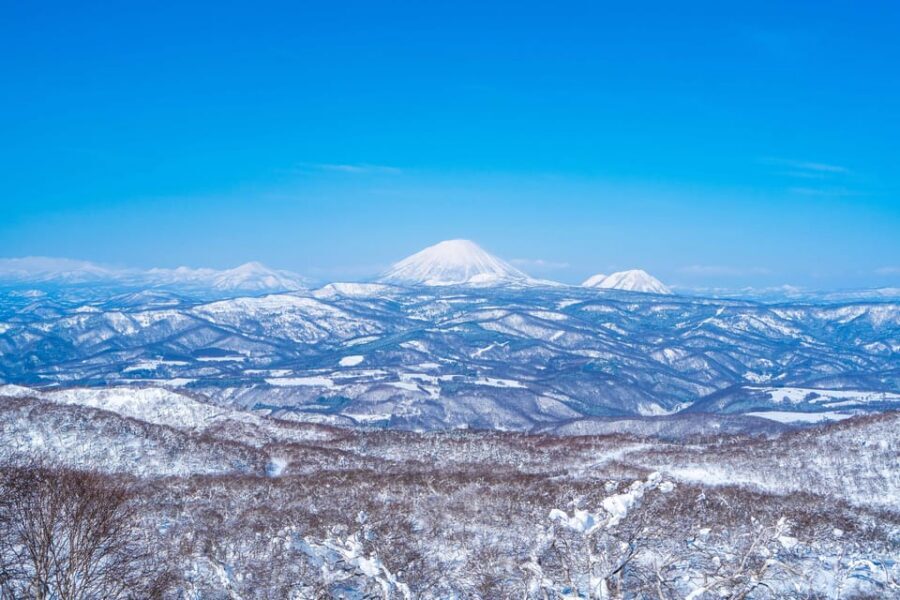
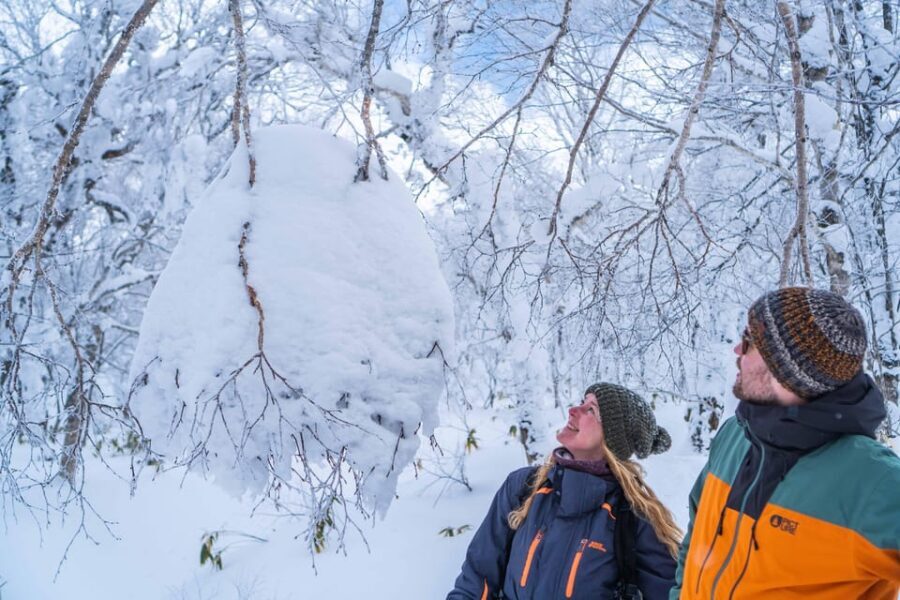
The snow monsters are the headline because they’re unusual. Heavy powder snow freezes on trees and builds up into thick shapes, turning normal branches into something sculptural. When you’re standing right there on the trail, it’s not a postcard effect—it looks three-dimensional, like the landscape grew icy armor overnight.
I like that the tour takes you into the area instead of hovering at a single viewing point. You walk beneath and around these trees, so you see how the snow changes from branch to branch and how it gathers differently depending on the structure of the limbs.
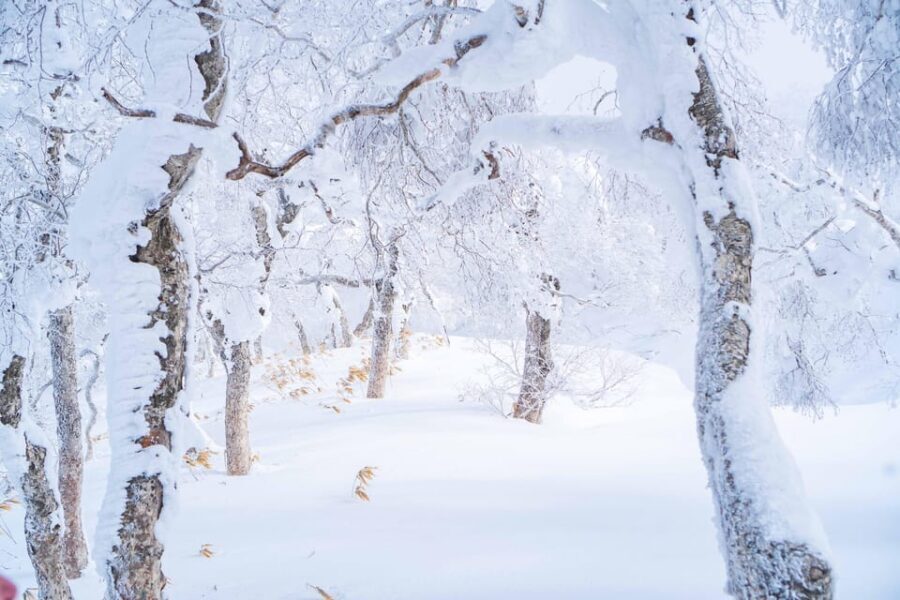
If you’re hoping to get great photos, this is a solid choice. You’ll have natural photo angles as you move—one moment you’re framed by snow-coated trunks, the next you’re looking across a wider white world.
Ridgeline Views: Mt. Orofure, Mt. Yotei, and Lake Toya Potential
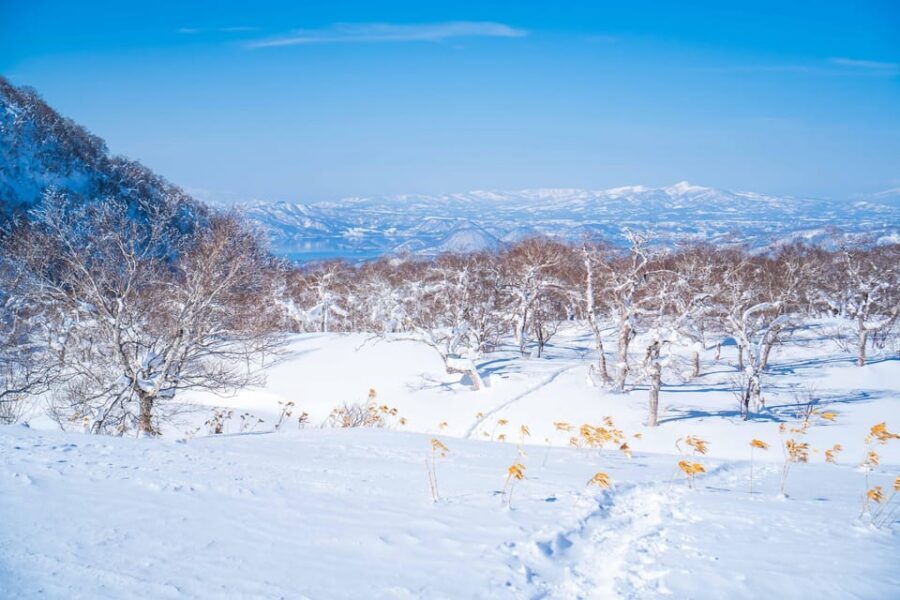
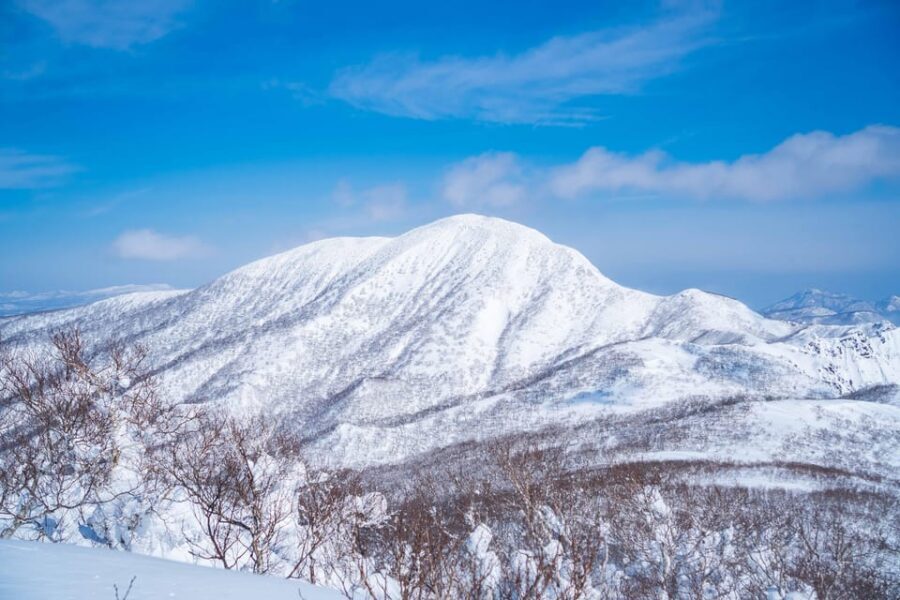
After you’ve worked your way up through the forest, the route continues toward a higher section where you can see the surrounding area. Depending on conditions and visibility, the tour can include viewpoints toward Mt. Orofure, Mt. Yotei, and even Lake Toya.
What you should take from that: you’re not just chasing snow. You’re stacking a winter experience with real horizon views, and that’s what makes the climb feel worth it. On a clear day, it turns the day from a cold hike into a proper scenery outing.
Also remember: mountain weather can change fast. If the sky clouds over, you still get the best part—snowshoeing through powder and seeing the snow monsters—but the far-off views may be reduced.
Gear and Technique: The Practical Stuff That Makes or Breaks Snowshoeing
Snowshoeing sounds simple until you’re on uneven snow and your steps don’t behave like walking on a sidewalk. That’s why the technique coaching matters.
With guide Aidan, you get tips on how to snowshoe properly so you can move without overthinking every step. Even if you’re trying it for the first time, the goal is to help you find a rhythm—short, controlled steps, stable pole usage, and a posture that helps you avoid wobbling.
Good gear helps too. You’ll have snowshoes, poles, and gaiters provided, which removes a lot of the shopping headache. You’ll still need to bring your own clothing and footwear, because the tour is very specific about staying warm and staying mobile.
What you should bring (and what to skip)
You’ll want comfortable shoes and warm layers you can add or remove. A hat and gloves are essential, and sunglasses can help given the brightness of snow. A windproof jacket helps a lot because cold air can cut through quickly in a mountain setting.
You’re also asked to avoid cotton if you can. Cotton holds moisture, and in winter that can make you feel colder faster. Bring outdoor clothing that can handle movement, and pack a daypack.
Jeans are not allowed. The reason is practical: jeans restrict movement and tend to get stiff when they’re wet or cold.
Lunch and Hot Drinks: A Real Break, Not a Token Stop
This tour includes a hot drink and snack, and you’ll also stop for lunch during the return portion of the day. You’ll take that break in a sheltered spot, which helps you warm up and get your body back under control after the climb.
I like this setup because it prevents the classic winter tour problem where you keep moving but never really recover. A short pause also makes it easier to adjust your layers before you start descending again.
A nice detail from the experience: the guide’s approach can include homemade treats and personal touches. In past tours, Aidan has been described as bringing items like homemade cookies and a sourdough-style sandwich made by his wife, adding a homey feeling to an otherwise outdoors-focused day. Even if you don’t care about food as a main event, it turns a cold break into something you look forward to.
Price and Value: Is $154 a Fair Deal?
At $154 per person for a 5-hour winter tour, the value comes from what’s included and how it reduces your friction.
You’re not paying extra to rent snowshoes and related gear—snowshoes, poles, and gaiters are included. You also get hotel pickup and drop-off, which is a big deal in winter when moving between sites can be time-consuming and weather-dependent.
You also get a small group (limited to 7 participants), which usually means less waiting and more attention during the walk. In winter, that matters because footing is everything.
What you should budget for separately: warm clothing and footwear, plus water and additional snacks. The tour provides hot drink and some food at breaks, but it doesn’t cover your entire day’s hydration and snacking needs.
If you want a hands-on Hokkaido winter experience without spending extra time figuring out gear and logistics, this price starts to look reasonable fast.
Weather, Safety, and When the Tour Changes
This is a winter activity, and mountain weather can change quickly even if it looks sunny. The tour can be canceled or postponed if conditions are unsafe, and the guide may end the tour early if an injury happens or if continuing is unsafe.
That safety-first approach is worth trusting. Snowshoeing in deep snow isn’t dangerous because it’s reckless—it becomes risky when conditions are unpredictable or someone isn’t steady on their feet.
Also, this tour isn’t framed as a gentle stroll. You should be comfortable walking up and down over uneven terrain, because snow accumulates and the ground isn’t flat.
Who Should Book This Snowshoeing Tour (and Who Should Skip It)
This tour is best for people who want a real winter walk and can handle the physical demands of snowy ridgeline terrain. It’s also a good match if you’ve never snowshoed before and you’d like coaching on how to move.
It’s not suitable for people with back problems, mobility impairments, heart problems, wheelchair users, or children under 18. It’s also not a great idea if you have a cold or your fitness level is low, since cold weather plus uneven footing can hit harder than you expect.
If you’re the type who packs layers, likes being outdoors, and wants views that go beyond a single viewpoint, you’ll probably enjoy this.
Should You Book the Noboribetsu Orofure Pass Snowshoe Tour?
Book it if you want three things in one morning: powder snow, snow monsters up close, and winter panorama views with a guided pace. The combination of included gear, a small group size, and thoughtful guide support makes it easier than doing the experience on your own.
Skip it if you’re looking for something low-impact, have significant mobility or health concerns, or you don’t want to deal with winter layering and active walking. And if you’re not comfortable with uneven terrain, choose a different activity that matches your comfort level.
If you’re deciding, I’d lean yes: this is the kind of tour that turns a winter day into a true Hokkaido memory, not just a stop-and-photo routine.
FAQ
How long is the Noboribetsu: Orofure Pass Snowshoeing Tour?
The tour lasts about 5 hours.
How many people are in the group?
The group is limited to 7 participants.
What languages are the guides able to speak?
The tour guide speaks English and Japanese.
What’s included in the price?
Snowshoes, poles, and gaiters are included, along with a hot drink and snack, plus hotel pickup and drop-off.
What should I wear, and what is not allowed?
You should wear warm layers and bring items like a hat, gloves, and a windproof jacket. Comfortable shoes are important, and sunglasses can help. Jeans are not allowed.
What views can you see on the route?
You’ll see snow monsters and winter panorama views, with the route able to include views toward Mt. Orofure, Mt. Yotei, and even Lake Toya depending on conditions.
How does pickup work?
Pickup is included, and you should look for a grey/black Mitsubishi Delica with number plate 207. Tell the tour the name of your hotel or accommodation.
What happens if the weather is bad?
If bad weather occurs, the tour will either be canceled or postponed (if possible).