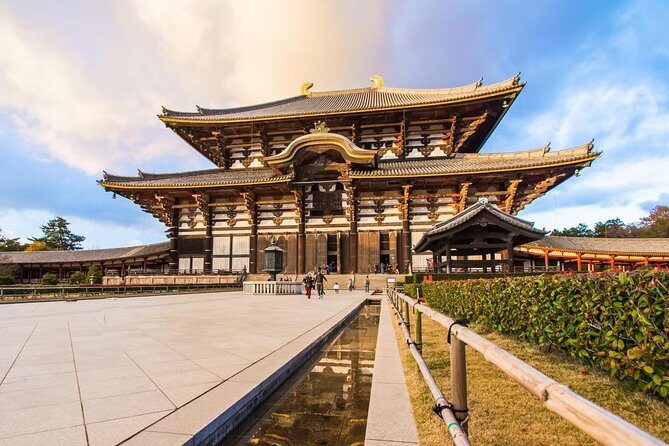
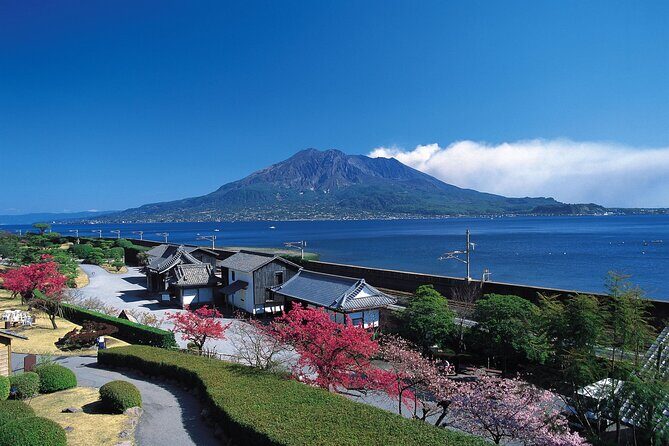
REVIEW · TOKYO
Tokyo: Imperial Palace East Gardens and Tokyo Station Tour
Book on GetYourGuide →Operated by Reelu inc · Bookable on GetYourGuide
A palace garden tour, ending at Tokyo Station. I love how the Imperial Palace East Gardens makes imperial-era stories feel close-up, not museum-flat. I also like that the guide connects Edo Castle leftovers to real spots you can point at, with the kind of humor that keeps the walk light. One consideration: it’s a moderate walking route, and you’ll want to travel light since backpacks aren’t allowed.
Yuki-san’s explanations can make the area feel like it existed in layers—past and present moving together. As you head toward the Nijubashi area, you get scenic sight lines over the moats and bridges, especially the view around Nijubashi Bridge. Then the day gently shifts from old defenses and palace grounds into modern Marunouchi and a crisp photo-finish at Tokyo Station.
In This Review
- Key highlights at a glance
- Meeting at Wadadokoro Fountain Park and getting your bearings
- Ninomaru Garden: the calm before the bigger palace story
- Inside the Imperial Palace East Gardens: gates, guardhouse, and guided flow
- Edo Castle leftovers: Fujimi-yagura and the scale model moment
- Marunouchi on foot: modern architecture, art, and a smooth tempo shift
- The Nijubashi Bridge view: when the moats finally make sense
- Tokyo Station finish: restored red-brick photos and a clean wrap-up
- Price and value: is $38 worth 150 minutes?
- What to bring (and what to leave behind) for a smoother walk
- Who this tour suits best (and who might want another option)
- Should you book this Imperial Palace East Gardens to Tokyo Station tour?
- FAQ
- Where does the tour start?
- How long is the tour?
- How much does it cost?
- Is there an admission fee for Imperial Palace East Gardens?
- What are some of the key stops?
- What languages are available for the live guide?
- Is the tour wheelchair accessible?
- What should I bring?
- What is not allowed during the tour?
- Where does the tour finish?
Key highlights at a glance
- Imperial Palace East Gardens walkthrough with a guided visit and key stop points inside the grounds
- Ninomaru Garden visit for a quieter, scenic break in the route
- Edo Castle context including stops tied to the ruins and the Fujimi-yagura watchtower
- Ote-mon Gate and Hyakunin Bansho Guardhouse as concrete waypoints for the story
- Marunouchi modern architecture and art before you finish at restored Tokyo Station
- Nijubashi Bridge views that make the history feel visual, not just narrated
Meeting at Wadadokoro Fountain Park and getting your bearings
The tour starts at a Starbucks near 皇居外苑 和田倉噴水公園店, a practical landmark that’s easy to find before you step into the palace-area calm. I like this kind of start because it helps you avoid the common first-day Tokyo problem: wandering around, not sure where you’re supposed to be.
From the first minutes, the tone is built for clarity. You’re not just told what something is. You’re guided on where to look—moats, garden edges, and the layout clues that help you understand why this area matters in imperial and shogunate narratives. The walking pace is steady, and the route is short enough to feel manageable but long enough to connect multiple eras.
If you’re sensitive to walking time, plan around it. Comfortable shoes are non-negotiable here. Also, no flash photography and no backpacks means you’ll want a simple day setup—small bag, phone, camera, water, and that hat you swore you’d bring.
You can also read our reviews of more tours and experiences in Tokyo.



Ninomaru Garden: the calm before the bigger palace story
One of the quieter stops is Ninomaru Garden, which you visit as part of the route. It’s a good early anchor because it gives you a chance to settle into the space. Instead of jumping straight into gates and grand viewpoints, you get a garden setting that helps you slow down and read the surroundings.
This stop also works well for first-timers. You’re learning the story of the Imperial Palace area, but you’re doing it with your eyes. The guide’s explanations turn features you might otherwise miss into meaningful landmarks—so when you later pass through other points like the Ote-mon area and guardhouse sites, you’re not starting from zero.
If your group is a mix of history lovers and casual sightseers, Ninomaru Garden is where you get the best overlap. It’s scenic, it’s calm, and it sets up the rest of the tour without feeling like a random pause.
Inside the Imperial Palace East Gardens: gates, guardhouse, and guided flow
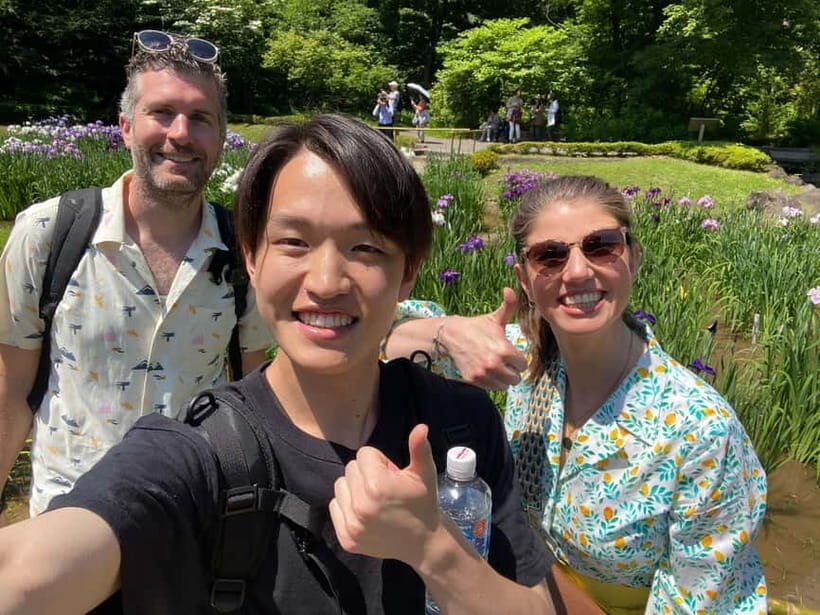
The main event is the Imperial Palace East Gardens guided visit, which takes about 30 minutes. This is the part where the tour earns its title. You don’t just stroll; you learn your way through the most important points you can access.
Expect a focused circuit that includes notable waypoints such as Ote-mon Gate and the Hyakunin Bansho Guardhouse. Those names matter because they are the kind of specific checkpoints that make the story concrete. When you can match a spoken explanation to a gate position or a guardhouse area, the history stops being abstract.
You’ll also spend time around the moats-and-gardens feel that echoes older governance eras. The guide’s humor shows up here too. In the best way, it keeps you from glazing over while still giving you clear context about imperial history and how the area developed as power moved.
Drawback-wise, this is where you’ll want to be attentive. The tour is short, and the guide covers a lot. If you drift into photo mode too aggressively, you might feel like you missed a key point. A good strategy: take a few photos, then listen for the landmark cue that tells you what you’re looking at.
Edo Castle leftovers: Fujimi-yagura and the scale model moment
After you connect the palace grounds to the larger imperial story, the tour leans into the Edo Castle side—specifically the Edo Castle ruins and the Fujimi-yagura watchtower. This matters because it helps you understand the site as layered, not frozen in time. The palace area you see today sits on top of a past that shaped layout and defense thinking.
One of the standout teaching tools is the viewing of the Edo Castle main keep scale model. Scale models are underrated on walking tours. Here, it’s useful because you’re surrounded by modern Tokyo and open space, not by a full reconstructed keep. The model gives your brain a size reference so the explanations land better when you return your attention to the physical footprint and nearby structures.
You’ll also walk through the Honmaru area and Kokyo Gaien National Garden as part of the broader East Gardens experience. Even if you’re not a hardcore architecture person, this segment helps you read the garden design and understand why these spaces were planned.
This is also where Yuki-san’s style really shows. From the way she explains the area, you get the sense she’s good at taking heavy material and translating it into street-level reality—so you can picture what the space might have meant back then.
Marunouchi on foot: modern architecture, art, and a smooth tempo shift
Next comes the move into Marunouchi, and it’s only about a 10-minute on-foot transfer. I like this switch because Tokyo doesn’t let you stay in one mood for long. After gardens and gates, you step into a district built for modern business life, and the contrast makes the history feel sharper.
Marunouchi is part of the point of this tour. You’re not just learning about old Japan in isolation. You’re seeing how the city’s center grew around it. The guided walk here includes sightseeing and focuses on modern architecture and art, so it’s not all concrete office blocks in your photo feed.
This section is where the tour becomes more accessible for people who don’t self-identify as “history buffs.” If you’re a photographer, you’ll appreciate the urban lines and viewpoints. If you’re traveling with someone who prefers design and culture over dates, this part is the handshake between interests.
Just keep in mind: the walking doesn’t completely stop. You’ll want water on you, and you’ll benefit from a hat if the weather is strong.





The Nijubashi Bridge view: when the moats finally make sense
One of the tour’s best teaching moments is the scenic view around Nijubashi Bridge. Even if you’ve seen photos of Tokyo’s palace area, the difference here is that the guide gives you a reason to look. You’re not just snapping a landmark. You’re connecting the view to the surrounding narrative—moats, defensive layout ideas, and the way the area was organized.
I like this kind of stop because it turns listening into something visual. When a guide tells you to notice alignment, sight lines, or how the space opens up, it changes your whole walk. Suddenly you understand why a bridge or a water boundary sits where it does.
If you’re traveling in bright conditions, plan to take a few minutes here even if you’re eager to move on. This is the point where you get payoff—views that feel worth the effort of getting through the earlier parts of the route.
Tokyo Station finish: restored red-brick photos and a clean wrap-up
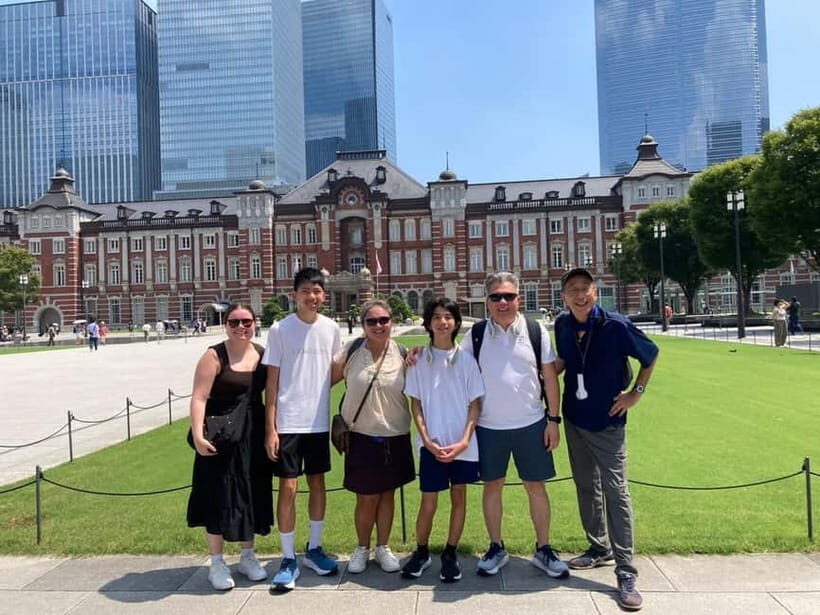
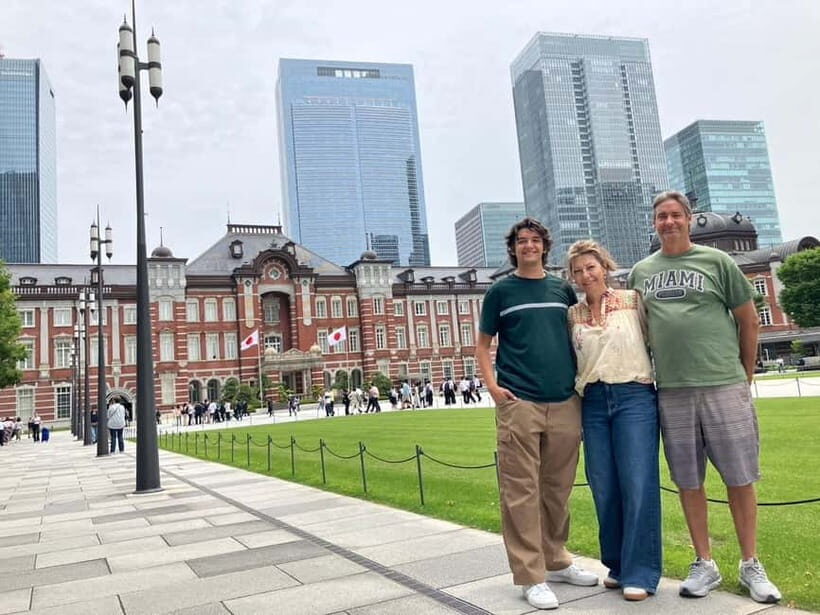
The tour ends at Tokyo Station, with a guided visit that centers on the exterior. The highlight here is the contrast: earlier you’ve been in historic gardens and castle-era storytelling. Now you’re finishing with the restored red-brick look of the station area.
This is a smart ending for practical reasons. Tokyo Station is easy to use afterward. You can head to trains without needing to figure out a complicated final transit plan. It’s also a nice emotional finish: you end with a landmark that feels like the start of another day in the city.
If you like photos, don’t rush this. The station exterior gives you options—symmetry shots, street-level details, and easy framing. And because the tour wraps cleanly at a major hub, you’re not stuck trying to interpret a long walk back.
Price and value: is $38 worth 150 minutes?
At $38 per person for about 150 minutes, this tour sits in the “good value” lane—especially if you care about guidance rather than solo wandering. You’re getting a guided walking experience that includes entry to the Imperial Palace East Gardens (with no admission fee required for this activity), plus structured stops at key landmarks like Ote-mon Gate, Hyakunin Bansho Guardhouse, and Ninomaru Garden.
What makes the price feel fair is the guide component. The reviews emphasize that Yuki-san explains things in an easy-to-follow, humorous way, and that she helps people picture the area as it was in older eras. That’s not a small perk. On a palace grounds walk, the difference between guessing and understanding can be huge.
Also, the tour gives you both sides of Tokyo: the historic palace/castle story and the modern Marunouchi and Tokyo Station finish. For a single ticket and a compact time window, that’s a lot of matching value.
What to bring (and what to leave behind) for a smoother walk
The tour asks you to pack light and move comfortably. Here’s what matters most:
- Comfortable shoes (the route includes moderate walking)
- Water and weather-appropriate clothing
- Hat, sunscreen, and a camera
- Dress for conditions. If it’s hot, plan shade and hydration time during stops.
Rules are simple but important: no smoking, no flash photography, and no backpacks. If you’re used to carrying a daypack everywhere, switch to a smaller crossbody or compact tote so you can comply without feeling stressed.
A small practical tip: when you reach a big viewpoint like the Nijubashi area, pause and let the guide finish the explanation before you start shooting. You’ll end up with better photos because you’ll know what to frame.
Who this tour suits best (and who might want another option)
This is a strong fit if you want a guided understanding of imperial and shogunate-era context and you like seeing history anchored to specific locations. It’s also ideal if you enjoy walking tours where the story comes from the route itself, not just from a slideshow.
It’s especially good for:
- first-time visitors who want palace-area orientation
- history buffs who like specific names of landmarks (gates, guardhouses, garden points)
- culture explorers who enjoy both older sites and modern Tokyo contrasts
A potential mismatch is anyone who strongly dislikes walking or expects a long time inside buildings. This isn’t a slow sit-down tour. It’s a guided walk with moderate pace, and the garden visit is time-limited.
Should you book this Imperial Palace East Gardens to Tokyo Station tour?
If you want a single, guided path that connects Imperial Palace East Gardens, Edo Castle ruins context, Marunouchi modern views, and a Tokyo Station finish, I think you should book it. The combination of landmark-specific guidance and that Nijubashi viewpoint makes the walk feel purposeful instead of just scenic.
Pick it if:
- you enjoy explanations that make old spaces easier to picture
- you want the convenience of ending at a major transit hub
- you like a mix of garden calm and city energy
Skip it if:
- you struggle with moderate walking for 150 minutes
- you rely on backpacks for your day setup and don’t want to change how you pack
- you only want the biggest-ticket sights without narration (because a lot of the value here is the guided story)
If your goal is to see Tokyo through a clear storyline—past to present—this one delivers.
FAQ
Where does the tour start?
It starts at スターバックス コーヒー 皇居外苑 和田倉噴水公園店.
How long is the tour?
The duration is 150 minutes.
How much does it cost?
The price is $38 per person.
Is there an admission fee for Imperial Palace East Gardens?
Entry to the Imperial Palace East Gardens is included, and no admission fee is required for this activity.
What are some of the key stops?
The tour includes stops at Ote-mon Gate, Hyakunin Bansho Guardhouse, Ninomaru Garden, and additional surrounding historical areas such as the Edo Castle ruins and Fujimi-yagura watchtower, plus the Tokyo Station exterior.
What languages are available for the live guide?
The live guide is available in English, Japanese, Spanish, Chinese, and French.
Is the tour wheelchair accessible?
Yes, the tour is wheelchair accessible.
What should I bring?
Bring comfortable shoes, a hat, a camera, sunscreen, and water, plus weather-appropriate clothing.
What is not allowed during the tour?
Smoking is not allowed, flash photography is not allowed, and backpacks are not allowed.
Where does the tour finish?
The tour finishes at 東京駅 (Tokyo Station).