REVIEW · OKAYAMA PREFECTURE
Naoshima Day Tour from Uno Station with Cycling or Public Bus
Book on Viator →Operated by H.I.S.Co., Ltd. · Bookable on Viator
Naoshima is an art island you can plan in one day. This private tour from Uno Station pairs a round-trip ferry with a local English-speaking guide, then adds major works like Benesse House and the Art House Project without making you chase tickets all morning. I also love the practical freedom: you can explore by e-bike or switch to public buses when timing gets tight.
The main thing to watch is cost and scope. Lunch is not included, and Chichu Art Museum is not part of this schedule (you’d need a separate ticket, and there likely isn’t time here to do it properly).
Still, if you want a smart route, clear explanations, and a day that hits the island’s most famous contemporary art, this is a strong way to do Naoshima without stress.
In This Review
- Key highlights worth planning for
- Naoshima in a day: contemporary art built into the island
- Uno Station to Uno Port: getting the ferry piece right
- Cycling Naoshima with an English-speaking guide (and when buses take over)
- Benesse House Museum: the ticketed anchor of your day
- Art House Project in Honmura: multi-site ticket, not unlimited stops
- Port-to-island art stops: Red Pumpkin Round and I❤湯
- Customizing your route without breaking the day
- Price and value: why $233.25 may feel fair or steep
- Weather, physical comfort, and who this suits best
- Should you book this Naoshima day tour from Uno?
- FAQ
- Where do I meet and what time does the tour start?
- What’s included in the ticket price?
- Is lunch included?
- Can I visit Chichu Art Museum during this tour?
- How long is the tour?
- What if bike rental isn’t available during busy times?
- Who can join and what physical needs should I plan for?
Key highlights worth planning for
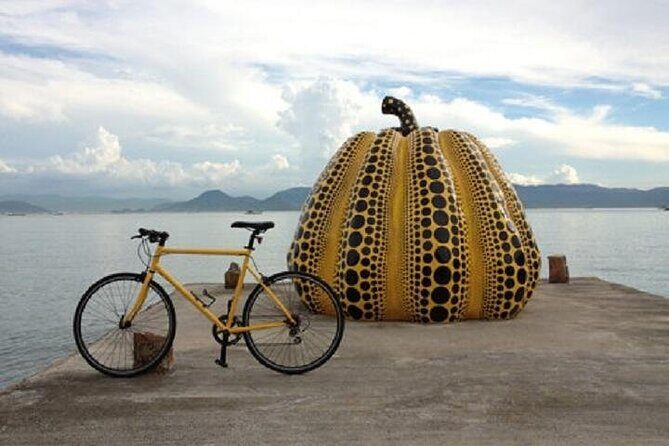
- Private English-speaking guide on Naoshima starting from a meeting point at Uno Station
- Round-trip ferry from Uno Port built into the timing of the day
- Benesse House Museum ticket included, so you skip one big planning step
- Art House Project multi-site ticket included, but not every site
- Cycling rental included (with power-assisted e-bikes), with buses as the backup during busy periods
- You can customize by skipping a stop or swapping another place (pay extra fees if you add sites)
Naoshima in a day: contemporary art built into the island
Naoshima is the main island of a small island cluster administered by Kagawa Prefecture. The area has roots going back to the Heian period, but today it’s best known for contemporary art museums and installations that pull people in from all over the world, especially around the Setouchi Triennale (held every three years).
What makes Naoshima feel different is how the art fits the land. Because the island sits in the Seto Inland Sea National Park, there are strict rules about visual impact. Many museums are designed to be low-profile or built into the ground, which changes how you experience art: you’re not just looking at buildings, you’re noticing how architecture and nature negotiate space.
This tour’s value is that it turns that big concept into an efficient day. You’re not trying to piece together transportation, entrance times, and museum routes on your own.
You can also read our reviews of more tours and experiences in Okayama Prefecture.
Uno Station to Uno Port: getting the ferry piece right
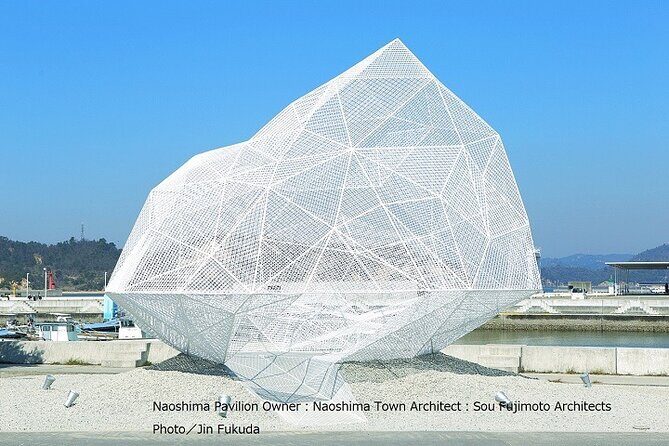
Your day starts with a clear meeting point at Uno Station, then you move to Uno Port for the ferry. The tour includes the round-trip ferry cost between Uno Port and Naoshima, so you don’t have to budget and time that leg separately.
That matters because ferry schedules shape your whole day on Naoshima. Even if you’re an organized traveler, the island is easier when one part of the logistics is handled for you. You also get buffered time built into the day flow, which helps when you want to stop for photos, catch your breath, or slow down near an artwork.
One small practical note: the guide’s service is for Naoshima itself. On the return ferry, the tour guide service ends, so you’ll want to keep your group’s meeting plan simple and stick close to the basics until you reach Uno Port.
Cycling Naoshima with an English-speaking guide (and when buses take over)
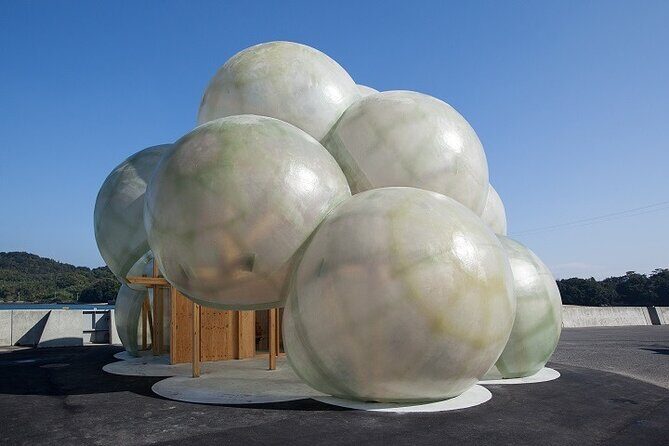
The tour includes rental bicycles on Naoshima, and the experience is designed around easy island mobility. In practice, that means you get to cover more ground than you would on foot, and you can reposition yourself as you learn what you like most.
The cycling setup is especially good for this island because Naoshima is spread out. Museums and art installations aren’t all next to each other, so speed without stress is the whole point of renting a bike.
There’s also a realistic flexibility baked in. During crowded periods, bike rental might be unreservable, and in that case transportation on Naoshima might switch to public buses. That’s not a failure mode; it’s part of how to keep the tour moving even when the island gets busy.
If you’re the kind of traveler who likes explanations while you move, the private guide helps a lot. One review specifically praised a guide named Okita Keisuke, who made the day feel special through art-focused storytelling and solid local navigation. Another review highlighted how guide knowledge helped fit more into the day than you could manage alone.
So yes, you’re paying for contemporary art knowledge—but you’re also paying for coordination. That’s what prevents Naoshima from turning into a stressful map-and-timetable exercise.
Benesse House Museum: the ticketed anchor of your day
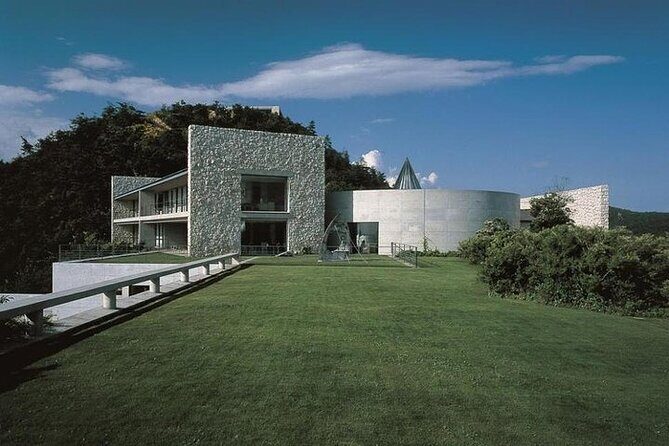
Benesse House Museum is one of the best-known stops on the island, and this tour includes the admission fee (1300 JPY). You also get a planned block of time (about 1 hour 40 minutes), which is key because Benesse House isn’t something you can rush through like a quick photo stop.
What you’ll likely appreciate here is the museum’s reputation for blending art with environment. Even without getting too technical, you can feel the curatorial thinking in how galleries connect to the outside world. The museum experience is not only about what’s on the walls; it’s about how space and light shape what you notice.
A practical tip: if you like taking photos, set expectations. You’ll spend time looking carefully, not just snapping quickly. Plan to move at a museum pace, then use the rest of the day for shorter stops and photo moments.
With Benesse House included, you also avoid one of the most common Naoshima friction points: deciding what to prioritize and then discovering ticketing or timing issues.
Art House Project in Honmura: multi-site ticket, not unlimited stops
Next comes the Art House Project in the Honmura district. Your entry is via a multi-site ticket, and it’s important to understand the limitation: it doesn’t cover every single house or every possible site.
That’s actually useful to know in advance. It changes how you plan your curiosity. Instead of trying to see everything, you can focus on the works that hit your taste during the time you have. The tour block here is about 1 hour 30 minutes, which tends to work well for a concentrated walk-and-look route.
The Art House Project is exactly where a guide can improve the experience. These places can feel quirky and spatially confusing if you’re seeing them for the first time. A good guide helps you know what to look for and how different spaces link together.
If you’re someone who tends to rush when you don’t understand, slow down and ask questions. This tour format gives you time for that kind of engagement.
Port-to-island art stops: Red Pumpkin Round and I❤湯
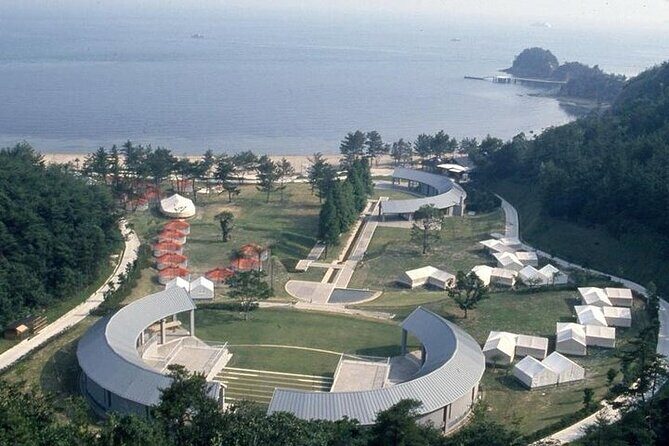
Before you settle into the museum rhythm, Naoshima starts treating your eyes right away.
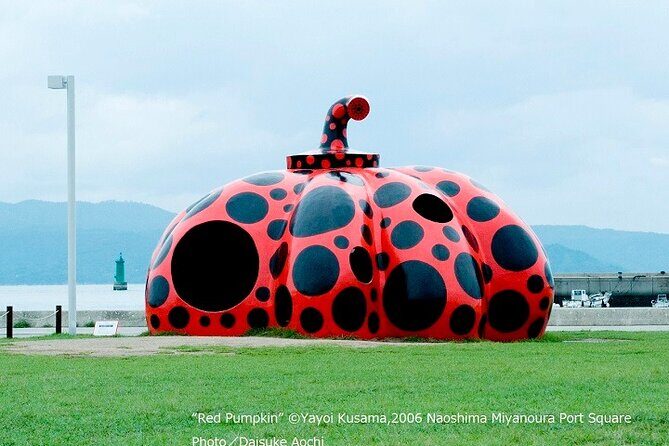
One stop early in the day is Red Pumpkin Round, seen when the ferry enters Naoshima’s Miyanoura Port. It’s the kind of artwork that works well as a “welcome” moment because it frames the island in one bold visual idea before you start walking or biking.
Later, you can also see Naoshima Bath I❤湯. You can view it from the outside only, and that’s important to plan for. It’s still a memorable installation because it connects art and everyday life—an art idea that also relates to the idea of a public bath for locals and visitors.
These two stops are good examples of why this day works. Even if museums are the headline, the small outdoor artworks are what give Naoshima its texture. They’re easy to fit in between bigger ticketed sites, and they keep the day from feeling like a checklist.
Customizing your route without breaking the day
A major practical plus: you can customize. You can skip a spot you don’t want to go to, and you can also change it with another place.
Just be aware of the trade-off: if you add new spots by request, you may need to pay additional ticket fees, and there could be extra transportation costs. In other words, you gain flexibility, but it won’t be free-form.
This flexibility matters because Naoshima is the kind of island where your interests can shift as the day unfolds. If you find one artwork style you love, you might want another stop in the same mood. Or if you’re tired, you can swap a longer walk for something easier to reach.
Also, this is a private tour for your group only. That’s a big difference from joining a big bus tour. It makes it easier to move at a comfortable pace and ask follow-up questions.
Price and value: why $233.25 may feel fair or steep
Let’s talk money honestly. The price is listed at $233.25 per person for an approximately 8-hour day. That’s not cheap, so the value question is real.
Here’s what you’re paying for, based on what’s included:
- Round-trip ferry between Uno Port and Naoshima
- A private English-speaking guide on Naoshima
- Rental cycling fees (with bike included when available)
- Benesse House Museum ticket
- Art House Project multi-site ticket
- Bottled water
Now the parts that cost extra:
- Lunch is not included
- Chichu Art Museum entrance is not included (and the schedule doesn’t give you enough time to do Chichu properly)
So where does that leave you? If you would otherwise pay for a guide or you’d spend time figuring out logistics, this price can start to look reasonable. You’re paying to remove friction—transportation, ticket planning, and routing—while still getting the island’s marquee contemporary art stops.
On the other hand, if you prefer to travel completely on your own, or if you mainly want just one or two sights, the cost can feel high. This is also a premium private-format tour, and the quality of interpretation depends heavily on the guide you get. The best days are the ones where you can ask questions and get clear, art-focused context.
The smartest way to judge it is this: if Naoshima is a top priority, this tour buys you time and structure so you spend more of your day looking and less of it troubleshooting.
Weather, physical comfort, and who this suits best
Naoshima rewards curiosity, but it asks something back physically. The experience notes that you should have a strong physical fitness level. That makes sense with the cycling component and the walking between sites.
If you’re comfortable riding an assisted bike and you can handle a full day outdoors, you’ll likely enjoy it more. If not, you can use the tour’s built-in fallback to buses when bike rental is hard during busy times, but it still remains an active day.
Age notes matter too. Children under 5 or under 135 cm in height are not allowed to participate. And it’s best for small groups who want a private, guided route rather than a casual independent hop.
Finally, this experience requires good weather. If it’s canceled due to poor conditions, you’re offered another date or a full refund.
Should you book this Naoshima day tour from Uno?
I’d book this if you want a structured Naoshima day that still feels human-scale. You get the big-name art stops with tickets handled, you ride or bus efficiently, and you have an English guide to help you read the art and the spaces around it.
I’d think twice if Chichu Art Museum is your non-negotiable must-see. This schedule doesn’t give you enough time to do Chichu well, and the ticket isn’t included. In that case, you’ll likely need to build a separate plan around Chichu.
A good rule of thumb: if you’re comfortable paying for convenience and interpretation, this tour fits nicely. If you’d rather spend less and accept planning work yourself, consider an independent day and build your own museum order.
FAQ
Where do I meet and what time does the tour start?
You meet at Uno Station. The start time is 9:00 am, and the meeting point is listed at Uno Station 1 Chome-1 Chikko, Tamano, Okayama.
What’s included in the ticket price?
Your day includes the round-trip ferry between Uno Port and Naoshima, a private English-speaking guide on Naoshima, rental cycling or public bus fee on Naoshima, and admission tickets for Benesse House Museum and the Art House Project multi-site ticket. Bottled water is also included.
Is lunch included?
No. Lunch is not included, so you’ll need to plan your meal on your own.
Can I visit Chichu Art Museum during this tour?
Chichu Art Museum is not included, and the schedule notes you won’t have enough time to visit it properly on this tour. You’d need to buy the Chichu ticket separately if you want to go.
How long is the tour?
The duration is listed as about 8 hours.
What if bike rental isn’t available during busy times?
If bicycle rental can’t be reserved during crowded periods, transportation on Naoshima might switch to public bus as a substitute.
Who can join and what physical needs should I plan for?
The experience requires strong physical fitness. Children under 5 or under 135 cm in height are not allowed to participate.