REVIEW · OSAKA
Let’s Dance Bon Odori Japanese folk Dance near Tsutenkaku
Book on Viator →Operated by Ebisu-za · Bookable on Viator
Osaka at night is one thing. A Bon Odori dance class is something else. You’ll learn the basic steps, then get a lot of freedom to dance in the circle, guided by a professional instructor at Ebisu-za. I especially like how beginner-friendly the moves are and how the music feels alive with the sounds of shamisen and taiko.
My other favorite part is the location logic: you’re near Tsutenkaku and Isshinji Temple, so the class doesn’t feel like a random detour. One possible drawback: because the whole point is dancing, you’ll want to be comfortable on your feet for about 1 hour 30 minutes, even if the steps are easy.
In This Review
- Key highlights before you go
- Bon Odori in Osaka: what this dance class really feels like
- Ebisu-za meeting point near Tsutenkaku: location that helps your whole day
- The rhythm part: how the instructor teaches Bon Odori (and why it works)
- Live shamisen and taiko: the music makes the class feel real
- What happens at Tsutenkaku and Isshinji Temple (and how to think about it)
- Drinks and comfort: what you should plan for
- Group size and booking timing: why 15 people matters
- Price and value: is $19.60 a good deal?
- Who this Bon Odori class is best for
- Before you book: quick practical tips
- Should you book Let’s Dance Bon Odori near Tsutenkaku?
- FAQ
- How long is the Bon Odori class?
- Where is the meeting point in Osaka?
- Are there both afternoon and evening sessions?
- What drink is included?
- Is this class suitable for beginners?
- How large is the group?
- What if I need to cancel?
Key highlights before you go

- Easy Bon Odori steps taught by an instructor, with a simple progression from basics to free dancing
- Live music in the mix, including shamisen and taiko that set the rhythm
- Drink included, with choices like coffee, tea, water, or a canned alcoholic beverage
- Centrally located at Ebisu-za, close to Tsutenkaku and Isshinji Temple
- Small group size with a maximum of 15 people for a more personal vibe
- Mobile ticket plus flexible session timing with early afternoon and evening options
Bon Odori in Osaka: what this dance class really feels like
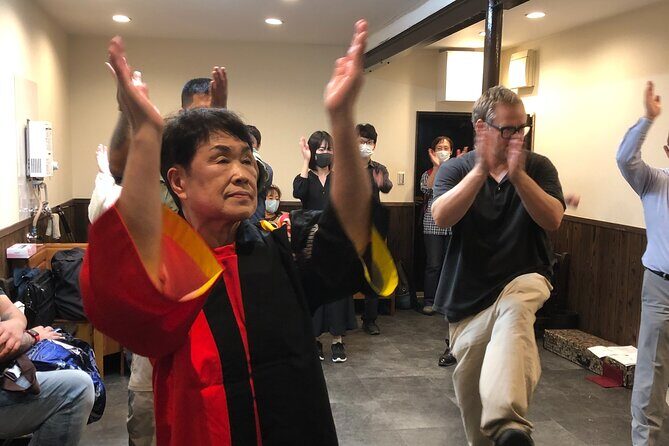
If you’ve only seen Bon Odori from the outside during festival season, this is a different way to understand it. This class is built for participation, not observation. The rhythm is often described as samba-like, and that matters: you don’t need to “know Japanese dance” to move with the beat.
The format is also practical. First, you watch the instructor demonstrate. Then you learn basic steps. In the second half, the rules loosen and you get to dance more freely. That shift from structured basics to playful self-expression is what turns this into a memorable evening, even if you consider yourself rhythm-challenged.
And yes, the mood can feel light. The class includes your choice of drink—coffee, tea, water, or a canned alcoholic beverage—so you can pick what fits your comfort level and still join the fun. The idea isn’t pressure; it’s creating an easygoing atmosphere where you can keep going without overthinking it.
You can also read our reviews of more tours and experiences in Osaka.


Ebisu-za meeting point near Tsutenkaku: location that helps your whole day
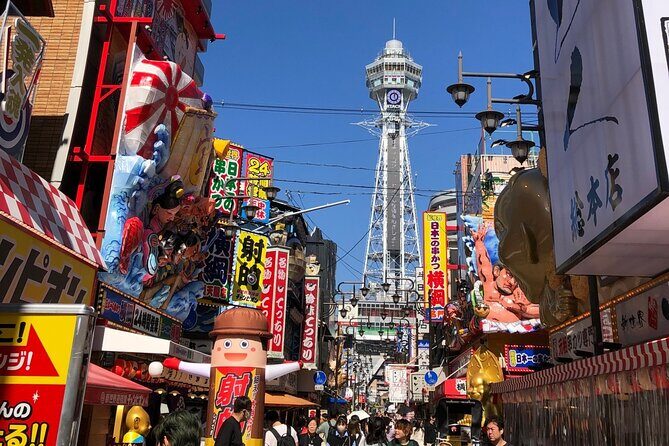
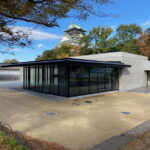
The meeting point is 1-chōme-3-13 Ebisuhigashi, Naniwa Ward, Osaka, 556-0002, Japan. That area is handy because you’re close to two big anchors: Tsutenkaku and Isshinji Temple. So if you’re mapping your Osaka time, this class can plug into an afternoon sightseeing loop instead of eating up your day with long transit.
Ebisu-za is also described as centrally located, and that matches what you’ll experience. Once you’re nearby, you’ll find plenty of food options around the area. It’s the kind of neighborhood where you can get oriented fast and then refuel without hunting.
One small “street smarts” note: since this is a dance class, you may want to wear comfortable shoes and keep your bags simple. The class is the focus, and you don’t want to spend the first part fiddling with gear.
The rhythm part: how the instructor teaches Bon Odori (and why it works)
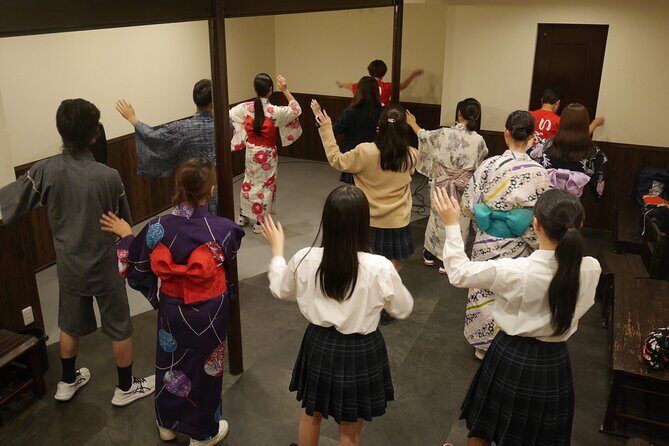
This class has a clear teaching arc. You start with demonstration, then repeat the basics. The dance itself is described as having few rules, which is a big deal for first-timers. When a dance is rule-light, your brain doesn’t freeze halfway through. You can listen to the music, follow the group energy, and adjust as you go.
In my view, that approach is especially valuable for visitors who are used to “watching culture” rather than doing it. This is participation with guardrails: you’re guided enough to get moving, but not controlled enough to feel stiff.
As the session progresses, you move into a more open, freer section where you can dance in a circle and enjoy the collective rhythm. That circle moment is a classic Bon Odori vibe, and it’s also how you stop worrying about individual mistakes. You’re part of the flow.
Live shamisen and taiko: the music makes the class feel real
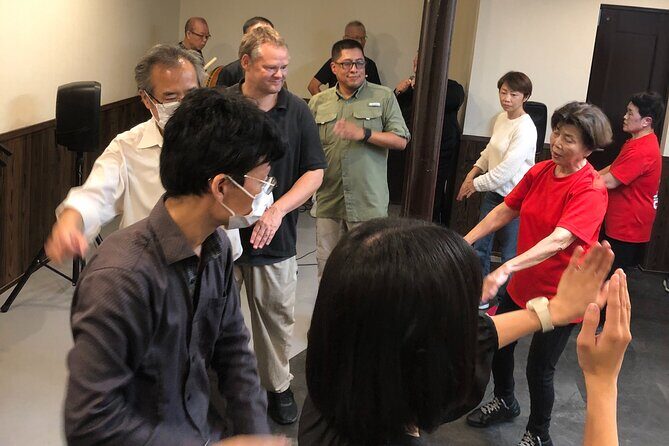
One of the most praised elements is the music. The class includes live performance energy—shamisen and taiko show up during the session. That matters more than people expect. Pre-recorded music can still work, but live instruments change how you feel the beat and timing.
Even better, the experience is designed so you aren’t just watching from a distance. There’s an emphasis on hands-on enjoyment with percussion elements. Some participants specifically highlight the chance to try or touch instruments, which turns the class into more than a dance lesson.
If you’re the kind of person who wants to understand a tradition by experiencing its sound, this is a strong match. You leave with muscle memory for the steps and an audio memory for the instruments.
What happens at Tsutenkaku and Isshinji Temple (and how to think about it)
The itinerary includes two sightseeing stops: Tsutenkaku and Isshinji Temple. Here’s a helpful way to think about these stops.
- Tsutenkaku: This is a famous Osaka landmark, so it’s a good anchor point. For you, it means the class day has an “I was there” sightseeing payoff. It also fits the vibe of this area—street-level Osaka energy right alongside your cultural activity.
- Isshinji Temple: This gives the day a calmer spiritual angle. Even if you don’t spend a ton of time in one place, knowing you’ll pass by a temple helps you balance the excitement of Osaka nightlife with something more grounded.
Because the timing and exact walking detail aren’t spelled out here, don’t assume a long deep-dive at either spot. But as a visitor, you’ll likely appreciate the combination: a recognizable Osaka icon, plus a temple stop that adds variety without derailing your schedule.




Drinks and comfort: what you should plan for
You get to choose your included drink: coffee, tea, water, or a canned alcoholic beverage. That flexibility is great because it means you can match the class to your travel style. Want to keep it simple and stay alert? Water or tea works. Want a lighter, festival-feeling mood? Choose the canned alcoholic option.
On the comfort side, plan like a dancer even if you’re a beginner. The steps are described as easy and the rhythm is approachable, but you’re still moving. Wear shoes that give you grip. If you’re traveling with knee or foot concerns, you’ll want to consider how much standing and stepping you can handle.
Group size and booking timing: why 15 people matters
This experience caps at 15 travelers. In practice, that small size helps the class feel personal. You’re more likely to get clear guidance, and the instructor can manage the flow of the group without it turning into a chaotic crowd.
It’s also described as being booked about 27 days in advance on average, so it’s not a last-minute only activity. If you want a specific session time—early afternoon or evening—booking ahead is smart.
You’ll also receive a mobile ticket, which is convenient if you’re bouncing between activities around Osaka.
Price and value: is $19.60 a good deal?

At about $19.60 per person, this class can be good value for a couple reasons.
First, you’re not just paying for a dance lesson. You’re paying for an instructor-led session, participation-friendly teaching, and the included drink choice. That drink alone makes the price feel more practical than many “experience only” options.
Second, the live music component—shamisen and taiko—adds real experiential value. It’s hard to recreate that feeling with a standard audio track. Add the small group size, and the class becomes more like an intimate cultural evening than a generic activity.
Third, the central location helps you avoid costly time loss. When a class sits near Tsutenkaku and Isshinji Temple, you can turn one block of time into both learning and sightseeing.
Bottom line: if you want an Osaka cultural activity where you actively do something, this price usually makes sense.
Who this Bon Odori class is best for
This fits best if you want to try something hands-on without needing prior experience. It’s also good for:
- Visitors who learn culture faster through movement than through museums
- People who want a fun group activity with small-class attention
- Anyone who loves music and wants to connect shamisen/taiko sound to dance steps
- Travelers who prefer a central Osaka activity near major landmarks
If you’re mainly looking for quiet, seated sightseeing, this won’t match that mood. This is a “get up and join the circle” kind of experience.
Before you book: quick practical tips
Keep these in mind so you don’t overthink it:
- Pick an afternoon or evening session based on your sightseeing plan around Tsutenkaku.
- Wear comfortable shoes. Even easy steps add up after 90 minutes.
- Choose your included drink based on your energy level. Coffee/tea/water keeps you steady; the canned alcoholic option can make the atmosphere feel more festival-like.
- Travel light. You’re likely to move, and you’ll want your hands free.
Should you book Let’s Dance Bon Odori near Tsutenkaku?
Yes, I think you should—especially if you want a genuine cultural activity where you’re not stuck watching. The combination of easy steps, live shamisen and taiko, and a small group makes it feel friendly and doable. And the central area near Tsutenkaku and Isshinji Temple makes it easy to fit into an Osaka day without a lot of wasted transit time.
Skip it only if you dislike moving around, can’t comfortably stand for about 1.5 hours, or you’re looking for a purely sightseeing-focused plan. For everyone else, this is a fun, low-stress way to experience Bon Odori as a participant rather than a spectator.
FAQ
How long is the Bon Odori class?
The class lasts about 1 hour 30 minutes.
Where is the meeting point in Osaka?
The meeting point is 1-chōme-3-13 Ebisuhigashi, Naniwa Ward, Osaka, 556-0002, Japan.
Are there both afternoon and evening sessions?
Yes. You can choose sessions in the early afternoon or in the evening.
What drink is included?
You can choose coffee, tea, water, or a canned alcoholic beverage.
Is this class suitable for beginners?
Most travelers can participate. The steps are taught as easy basics, and the dance is described as having few rules.
How large is the group?
The activity has a maximum of 15 travelers.
What if I need to cancel?
You can cancel for free up to 24 hours in advance for a full refund. If you cancel less than 24 hours before the start time, the amount paid is not refunded.

![[Kyoto Street Shot] Recording every wonderful moment of travel with shutter (free kimono experience) - Price and value: $235.33 per group (up to 6)](https://images.thejapantraveler.com/wp-content/uploads/kyoto-street-shot-recording-every-wonderful-moment-of-travel-with-shutter-free-kimono-experience.jpg)