REVIEW · OSAKA
【Family Friendly】Traditional Mochi Pounding Experience
Book on Viator →Operated by Theosaka · Bookable on Viator
Pounding mochi beats watching it. In Osaka, this traditional hands-on experience takes you from a short history talk straight into using real mortar-and-pestle tools, then rewards you with freshly made mochi and tea. Two things I really like: the family-friendly, small-group size (max 10) that keeps the pace calm for kids and adults, and the fact you get to taste multiple classic toppings right after you make the mochi. One thing to plan for is texture: mochi is chewy, so the experience notes that elderly participants should eat small portions due to choking risk.
You’ll meet at Mochi Pounding Experience Osaka, Oh Mochi, in Dōtonbori (Chuo Ward). The whole activity runs about 1 hour, includes instruction in English and Chinese support, and uses a mobile ticket. If you’re already spending time around Dōtonbori for food and lights, this is a fun way to add something you cannot really DIY at home.
In This Review
- Key Highlights You Should Know
- Mochi Pounding in Osaka: Why This Feels More Than a Snack Stop
- Finding Oh Mochi in Dōtonbori Without Stress
- The First 10 Minutes: Mochi Pounding History Before You Start
- Steaming to Dough: What You Actually Do in the Workshop
- The Pounding Moment: Real Tools, Real Fun for Families
- Five Toppings and Tea: The Tasting That Makes It Worth the Price
- English and Chinese Support: How Communication Works
- Duration and Pacing: About One Hour, With Room for Questions
- Price and Value: Is $32.29 Fair for What You Make?
- Dietary Notes: Vegan and Vegetarian-Friendly Participation
- Who Should Book This (and Who Should Plan Extra Care)
- Timing and Weather: How to Fit It Into an Osaka Day
- Should You Book This Mochi Pounding Tour?
- FAQ
- Is this mochi pounding experience family-friendly?
- How long does the experience take?
- Where do we meet, and do we return to the same place?
- What language support is available?
- What do I get to eat during the experience?
- Can vegans and vegetarians join?
Key Highlights You Should Know

- Traditional mortar-and-pestle pounding with guided instruction, not a rushed demo
- A 10-minute history and cultural significance intro before you start working the dough
- Steaming glutinous rice and shaping mochi using the classic process
- Five topping options plus tea, so you can compare flavors while it’s fresh
- Family-friendly for kids under 13, with adults also welcome
- Small group (max 10), which makes it easier to ask questions and get help
Mochi Pounding in Osaka: Why This Feels More Than a Snack Stop

Osaka does food tours well, but this one is different because you make the food. You’re not just sampling your way through Dōtonbori. You’re using the same basic tools and motions behind mochi that families have used for generations.
What makes it work is the flow. You get a short background piece first, then you jump into the hands-on part. And the best payoff is that the mochi comes right back to you as soon as it’s ready, so you taste it while it still feels soft and freshly formed.
The experience also keeps expectations realistic. It’s about one hour, and it’s structured for mixed ages. So you can fit it into a day that already includes walking Dōtonbori and grabbing normal street food on either side.
You can also read our reviews of more tours and experiences in Osaka.



Finding Oh Mochi in Dōtonbori Without Stress

Your meeting point is Mochi Pounding Experience Osaka, Oh Mochi, at 2-chōme-4-11 Dōtonbori, Chuo Ward, Osaka. This is a solid location because Dōtonbori is already where many visitors end up for neon, canals, and casual eating.
You’ll also get the practical stuff right away: you start and end back at the same meeting point. That matters in Osaka because plans can get messy when you try to coordinate transport after a workshop. Here, you can finish, get your bearings fast, and continue exploring.
The tour says it’s near public transportation, which helps if you’re hopping between areas. And you get a mobile ticket, which is one less thing to print or misplace during a busy day.
The First 10 Minutes: Mochi Pounding History Before You Start
Before anyone hands you a tool, you get a 10-minute talk about the history and cultural significance of mochi pounding. This isn’t just trivia. It gives you a reason to pay attention to each step, because you understand what the action is connected to.
In practice, this short intro also sets the tone. It’s long enough to frame the tradition, but short enough that kids don’t drift off. That timing helps the workshop stay on track and keeps the experience from turning into a lecture.
This is also where you learn what the process is aiming for: steamed glutinous rice that you can pound into mochi. Once you know that, the physical work makes more sense, and the tasting afterward feels earned instead of random.
Steaming to Dough: What You Actually Do in the Workshop

After the talk, you join the process of steaming glutinous rice. That step is important, because mochi doesn’t start as a magical chewy ball. It starts as rice that needs heat and moisture to become workable.
Then you use traditional tools to pound the steamed rice into mochi. This is the part most people picture, and it’s also where the instruction matters. The experience emphasizes patient guidance by experienced instructors, which you’ll appreciate if you’re worried about messing things up.
A useful way to think about it: pounding is both technical and physical. You’re learning how the dough responds and how to work it into shape. Even if you’ve never done anything similar, the structure and small group size make it easier to follow along and get the corrections you need.
The Pounding Moment: Real Tools, Real Fun for Families

Mochi pounding can sound intimidating if you imagine a serious ceremony. In reality, it’s playful and hands-on, especially with a mixed group of adults and kids under 13.
The workshop is limited to a maximum of 10 travelers, which changes the feel. In smaller groups, instructors can check your form and keep you from drifting while everyone waits. That’s a big deal with something sticky and hands-on, where one person getting stuck can slow the flow for everyone.
You’ll likely end up doing some of the classic chant-like call used during mochi pounding. It’s mentioned in written feedback as a highlight, and it’s exactly the kind of moment kids enjoy because it’s part performance, part group bonding. Even if you don’t speak Japanese, the rhythm of the moment is easy to catch.





Five Toppings and Tea: The Tasting That Makes It Worth the Price

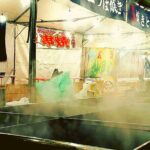
The tasting is included, and it’s not an afterthought. After you pound the mochi, you enjoy freshly made mochi with five beloved Japanese seasonings and ingredients, served alongside a cup of tea.
The menu options listed include:
- Plain mochi
- Kinako (roasted soybean powder)
- Sweet red bean paste
- Nori (seaweed)
- Sweet soy sauce
This lineup is smart because it gives you contrasts. Kinako and red bean are classic sweet routes. Nori and sweet soy sauce add savory-sweet depth that feels very Japanese, especially if you like umami flavors. Plain mochi is your baseline, so you actually understand what each topping changes.
Tea on the side also makes the tasting feel complete. Mochi can be filling because it’s dense and chewy, so tea helps reset your palate between bites.
One practical consideration: if you’re going with older grandparents, plan on smaller portions. The experience explicitly notes choking risk with rice cakes, and it’s good advice. You can still enjoy the activity without turning the tasting into a safety issue.
English and Chinese Support: How Communication Works

Language support is part of the package. The experience offers English, plus Chinese help through slides or interpretation via ChatGPT. That means you’re not left guessing if your Japanese is limited.
For families, that helps the experience feel less stressful. Kids can listen to instructions, and parents can confirm what to do next. And because the activity is about physical steps, communication doesn’t depend entirely on perfect sentences anyway.
If you’re comfortable with English, you’ll likely be fine throughout. If you need Chinese support, you’ll have it through the format stated by the experience.
Duration and Pacing: About One Hour, With Room for Questions

The duration is listed as about 1 hour. Some feedback notes it can take around 45 minutes, so think of it as a short, efficient workshop rather than a half-day commitment.
That matters in Osaka. You can do this in the middle of your day and still have time for Dōtonbori streets and nearby sights. It’s also easier on kids because you’re not asking them to sit through long programming.
The best part is that instruction is built into the timeline: the 10-minute history talk, the steaming, the pounding, then the tasting. When the steps are clearly defined, you don’t feel lost, and you don’t end up waiting around bored.
Price and Value: Is $32.29 Fair for What You Make?
At $32.29 per person, you’re paying for instruction, traditional tools, and the food you actually create and eat. This isn’t just a tasting. It’s a cooking workshop where you touch the process and take part in making the mochi.
For value, here’s what you’re getting:
- A guided session with a 10-minute cultural intro
- Hands-on pounding using traditional tools
- Fresh mochi served with five topping options
- Tea included
If you’ve ever paid for a “watch and sample” food activity, this feels more direct. Your brain and hands work together, and the meal portion is a real part of the experience. You also get small-group attention, which usually costs more when you book in person.
So yes, it’s priced like a workshop. But you’re also getting workshop value: you leave with mochi knowledge, mochi skills, and mochi to taste while it’s still fresh.
Dietary Notes: Vegan and Vegetarian-Friendly Participation
The experience says it accommodates vegans and vegetarians, so you don’t have to sit out just because your diet is different. The exact ingredient substitutions aren’t spelled out in the details you provided, but the promise to accommodate is clearly stated.
What you can do is ask questions during the session (or when confirming your booking details) so you understand what toppings are included for your diet. Since mochi toppings can vary by ingredient, it’s worth being specific.
This is one of those practical points that can make the difference between “we’ll try it” and “we’ll actually do it.”
Who Should Book This (and Who Should Plan Extra Care)
This is a great fit if you’re any of these:
- Mochi lovers who want fresh, freshly pounded texture
- Families with kids under 13 (and adults who don’t mind some mess)
- People looking for a hands-on Japanese tradition, not just a meal
- Vegans and vegetarians who want to participate, not watch
It’s also a smart choice if you’re staying near Dōtonbori because the location makes it easy to slot into a sightseeing day.
The main caution is the elderly choking note. Mochi is chewy by nature, and the experience advises small portions for older participants. If you’re traveling with grandparents or someone who has swallowing concerns, treat that warning seriously and plan for smaller bites.
Also, since the experience needs good weather, build in a little flexibility. If you’re traveling in a season with rain risk, that extra planning time helps.
Timing and Weather: How to Fit It Into an Osaka Day
You’re looking at about an hour, starting and ending at Oh Mochi. That predictability makes it easier to pair with other Dōtonbori plans.
The experience requires good weather, and if it’s canceled due to poor weather, you’re offered a different date or a full refund. That’s especially relevant if your trip lines up with rainy weeks.
A practical approach: keep your schedule around this flexible, especially if you’re booking multiple activities in one area. Dōtonbori is great, but weather can still mess with outdoor walking plans.
Should You Book This Mochi Pounding Tour?
Book it if you want a hands-on Osaka food experience that feels traditional and family-friendly. You’ll get real instruction, a short cultural intro, and freshly made mochi with multiple classic toppings and tea. The small group size also makes it easier to enjoy without feeling rushed.
Skip it or think twice if you’re not interested in chewy rice cakes, or if you’re traveling with older guests who need careful portioning. Also, be realistic about weather impact since the experience depends on good conditions.
If your goal is to do more than eat, this is a strong choice. You’ll leave with a story that isn’t just what you tasted, but what you made with your own hands.
FAQ
Is this mochi pounding experience family-friendly?
Yes. It’s available for children under 13, and the activity is described as family-friendly. Adults can join as well.
How long does the experience take?
The duration is listed as about 1 hour.
Where do we meet, and do we return to the same place?
You start at Mochi Pounding Experience Osaka, Oh Mochi, at 2-chōme-4-11 Dōtonbori, Chuo Ward, Osaka 542-0071, Japan. The activity ends back at the meeting point.
What language support is available?
English is available. Chinese support is provided through slides or interpreted by ChatGPT.
What do I get to eat during the experience?
You taste freshly pounded mochi with five Japanese seasonings/ingredients, served with a cup of tea. Options listed include kinako, sweet red bean paste, nori, and sweet soy sauce, plus plain mochi.
Can vegans and vegetarians join?
Yes. The experience states it accommodates dietary preferences, including vegans and vegetarians.