REVIEW · TOKYO
Shibuya and Harajuku Highlights Walking Tour
Book on Viator →Operated by Kay · Bookable on Viator
Tokyo moves fast, but this tour keeps up. I like the small group size, because you can hear the guide without shouting over the crowd, and I like the included matcha stop near Harajuku Station. In just a few hours, you’ll bounce between big-name Tokyo landmarks and the kind of street-level local flavor you usually only notice when someone points it out.
One thing to plan for: you’ll walk from Harajuku to Shibuya (about 20 minutes), and it’s not a great fit if you can’t walk steadily. Bring comfortable shoes, and treat the day like a light-city hike, not a sightseeing bus ride.
In This Review
- Key Things You’ll Notice on This Walk
- Why This Shibuya–Harajuku Tour Works (Even If You’re Short on Time)
- Before You Go: Meet-Up Spot, Timing, and What to Wear
- Stop 1: Meiji Jingu Shrine and the Power of Starting in a Forest
- Stop 2: Takeshita Street for Harajuku’s Fashion and Street Energy
- Stop 3: Harajuku Station Matcha Shop and the Smart Mid-Tour Break
- Stop 4: Yoyogi Park as a Breather on the Way to Shibuya
- Shibuya PARCO Pass-By: A Fast Look at Modern Shopping Tokyo
- Stop 5: Shibuya Crossing and Why Standing Here Feels Different
- Stop 6: Hachiko Outside Shibuya Station to Close the Loop
- Price and Value: Is $78.04 Worth It for This Walk?
- Who Should Book This Tour (and Who Might Skip It)
- Should You Book This Shibuya and Harajuku Highlights Walking Tour?
- FAQ
- How long is the Shibuya and Harajuku Highlights Walking Tour?
- What’s included in the tour price?
- Where do you meet, and where does the tour end?
- How many people are in the group?
- Do I need comfortable shoes?
- Is there free cancellation?
Key Things You’ll Notice on This Walk
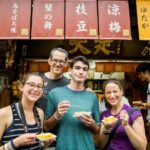
- Small group (up to 10) so the guide’s explanations stay easy to follow
- Meiji Jingu Shrine starts you in a forested Shinto setting before the shopping-energy kicks in
- Takeshita Street gives you front-row access to Harajuku’s fashion and youth culture
- Matcha drink or matcha ice cream included with choices like non-sweet matcha, sweet matcha latte, or ice cream
- Yoyogi Park pass-by on the way toward Shibuya Crossing, with a needed breather from city streets
- Shibuya Crossing and Hachiko statue finish right outside Shibuya Station so you’re set up for easy onward plans
Why This Shibuya–Harajuku Tour Works (Even If You’re Short on Time)
This is a practical Tokyo combo: Shibuya’s modern-life chaos and Harajuku’s fashion-and-food street scene, rolled into a single walk you can finish in about 3–4 hours. The big value here isn’t that it touches famous spots. It’s that the route is designed so you don’t waste time figuring out what’s where, or how to link the areas smoothly.
I also like the pacing. The stops are long enough to look around, but not so long that you feel dragged. You get a real rhythm—shrines, streets, a matcha break, then the famous scramble—so the morning doesn’t turn into one long line of photos.
And yes, the included matcha drink or ice cream is a smart perk. It’s not an add-on you have to hunt down. It’s built into the route, giving you a short break right when the walking starts to add up.
You can also read our reviews of more walking tours in Tokyo
Before You Go: Meet-Up Spot, Timing, and What to Wear

You start at @cosme TOKYO in Jingūmae, Shibuya (1-chōme-14-27). The tour finishes at Shibuya Station near 2 Chome after you hit Hachiko and Shibuya Crossing. Start time is 9:30 am, and the tour is designed for small-group movement on foot.
You’ll be walking enough that your shoes matter. The route includes a walk from Harajuku to Shibuya (around 20 minutes), plus extra strolling between sights. The tour specifically notes moderate physical fitness, so if you’re dealing with mobility limits, plan carefully. This one is best for people who can comfortably handle city sidewalks and short-to-medium stretches.
One more detail that helps: you use a mobile ticket, which is simpler than juggling paper vouchers in crowds. Service animals are allowed, and you’re near public transportation, so you’re not totally stuck if you need to adjust your plan.
If you like to be flexible, the cancellation terms are free cancellation up to 24 hours in advance. That’s useful in a city where weather and energy levels change fast.
Stop 1: Meiji Jingu Shrine and the Power of Starting in a Forest
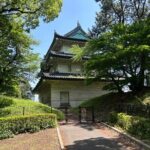
The tour begins at Meiji Jingu Shrine, a Shinto shrine dedicated to Emperor Meiji and Empress Shoken. Even before you reach the main grounds, the setting does the work. You’re in a forested area, and the mood shifts quickly from city noise to a quieter, more grounded atmosphere.
What I like about starting here is contrast. After Shibuya and Harajuku, it’s easy to think Tokyo is only neon and crowds. Meiji Jingu reminds you that Tokyo also makes room for ritual, nature, and reflection—even in the middle of a megacity.
You’ll have about 50 minutes here. That’s enough time to slow down, walk the pathways, and take in the shrine area without feeling rushed. Admission is free, so you can focus on the experience rather than budgeting for entry fees.
A consideration: this stop sets the tone. If you arrive already exhausted, aim to treat the first part as a reset, not just another checklist item. Let the calm start do what it’s meant to do.
Stop 2: Takeshita Street for Harajuku’s Fashion and Street Energy
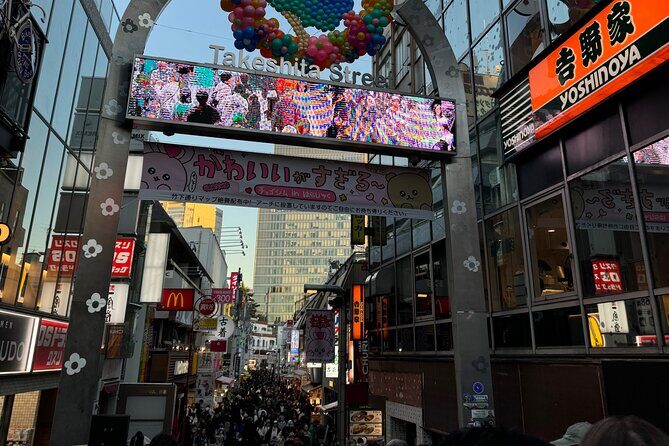
Next up is Takeshita Street in Harajuku. This is the pedestrian shopping lane most people imagine when they picture Harajuku: lots of trendy shops, fashion trends tied to the idea of kawaii, and a strong youth-culture presence.
You’ll get about 50 minutes here. That’s an ideal window for real browsing. You can look at storefronts, spot the styles that catch your eye, and grab a snack if you’re inclined—without feeling like you’re locked into a long queue.
The trade-off is crowd density. This is Harajuku, and it’s busy. The small-group size helps here because you’re not constantly getting separated. You also get your bearings faster than you would wandering on your own, especially if it’s your first time in the neighborhood.
Stop 3: Harajuku Station Matcha Shop and the Smart Mid-Tour Break
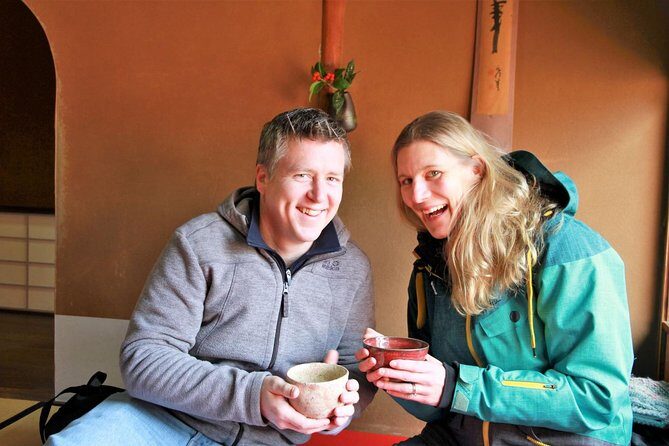
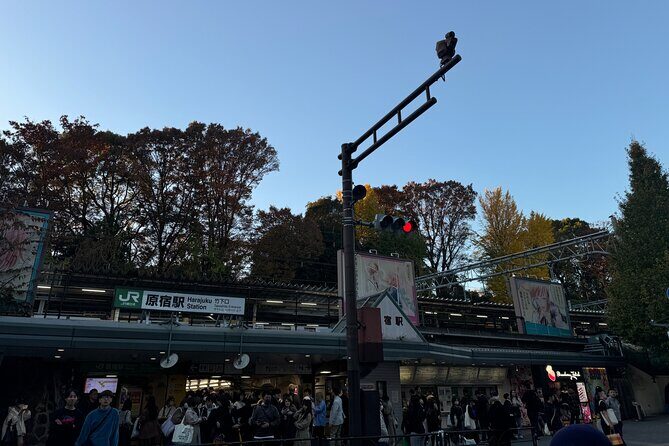
Right near Harajuku Station, you’ll stop at an authentic matcha shop. Here’s the best part: you get to choose what you want from matcha options—non-sweet matcha, matcha latte (sweet), or matcha ice cream. Your 30-minute stop isn’t just a snack break. It’s a chance to recharge before the tour swings toward Shibuya’s bigger spectacle.
This is where the tour’s value shows. Matcha in Tokyo can be easy to find, but it’s not always simple to pick what you actually want—especially if you’re trying to avoid surprises in sweetness. Having choices listed clearly makes it less stressful.
Practical tip: if you’re unsure, pick the option that matches your energy level. Non-sweet matcha tends to feel lighter, while a matcha latte or ice cream gives you more of a comfort-food effect.
Admission for this stop is effectively handled by the tour since the matcha drink or ice cream is included. You’re not paying extra during this part, which keeps the tour feel like a set plan instead of a string of individual purchases.






Stop 4: Yoyogi Park as a Breather on the Way to Shibuya
On your way walking toward Shibuya Crossing, you pass Yoyogi Park. This is one of Tokyo’s larger parks and a common spot for outdoor activities like jogging and picnics.
The time is shorter here—about 20 minutes—but it still matters. Tokyo can feel relentless when you’re moving shop-to-shop. Passing Yoyogi Park gives you breathing room, and it also creates a sense of Tokyo geography. You start to see how these neighborhoods connect through large public spaces, not just streets and crossings.
Admission here is free, and the main goal is atmosphere. Take a few minutes to look around, reset your legs, and prepare for the main event: Shibuya Crossing.
Shibuya PARCO Pass-By: A Fast Look at Modern Shopping Tokyo
Along the route, you’ll pass Shibuya PARCO, a large shopping complex known for fashion boutiques, dining options, and entertainment. Even if you’re not shopping, it helps to understand Shibuya beyond the famous intersection.
This pass-by is valuable because it ties the tour’s big-city energy to something you can actually recognize later. Once you’ve seen PARCO from the outside, Shibuya feels less like chaos and more like a defined place with anchors you can return to.
No admission details are given for this pass-by, so treat it as a sight-and-context moment, not an attraction you need tickets for.
Stop 5: Shibuya Crossing and Why Standing Here Feels Different
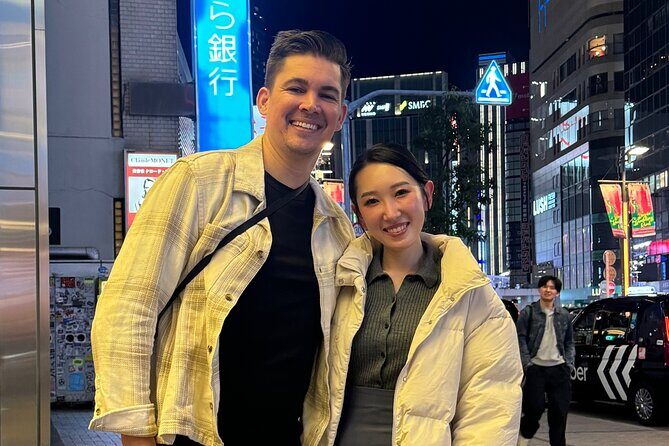
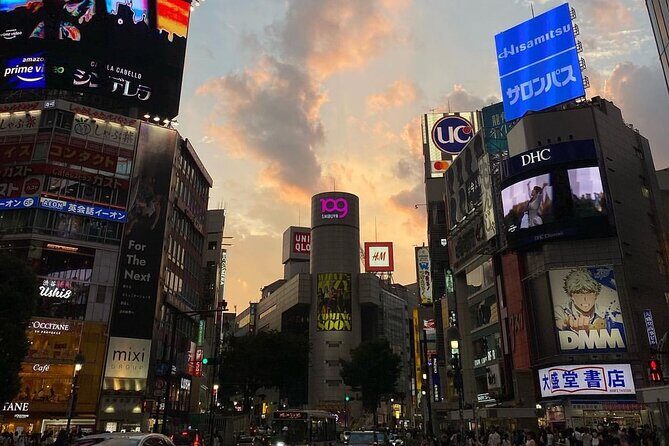
Then comes Shibuya Scramble Crossing, in front of Shibuya Station. It’s one of the world’s busiest and most iconic intersections, surrounded by neon lights and huge screens that turn the whole area into a visual spectacle.
You’ll have about 30 minutes here. That’s enough time to:
- watch the crowd flow,
- find a safe spot to stand and take photos,
- and understand the intersection as a system, not just a single frame.
What makes this worth a guided visit is timing and orientation. If you approach Shibuya Crossing on your own, you often end up at a spot that doesn’t match where the action is. A guide helps you get your bearings fast, so your photos and your understanding come together.
Admission is free, so the only real cost is your attention. Stay present for a few minutes. It’s one of those places where Tokyo’s modern pace becomes physical.
Stop 6: Hachiko Outside Shibuya Station to Close the Loop
After the crossing, you finish at Hachiko, the loyal Akita dog who waited for his deceased owner near the station for nearly te—well, the story is why the statue became a symbol of loyalty and remembrance. You’ll spend about 10 minutes here.
This ending makes sense. The tour concludes at Shibuya Station, so you’re not stuck figuring out logistics while tired. You can hop onto trains right after, grab something to eat, or continue your day without adding extra stress.
If you’re the kind of person who likes stories behind famous monuments, this stop is a nice emotional counterpoint to the neon-heavy crossing. It brings Tokyo’s modern image back to a human scale.
Price and Value: Is $78.04 Worth It for This Walk?
At $78.04 per person, this tour isn’t the cheapest way to sightsee. But it can still be good value because several things are bundled into one price.
Here’s what you’re paying for, in practical terms:
- a professional English-speaking guide, so you get context instead of only photos,
- a small group (maximum of 10), which keeps it conversational and easier to follow,
- and the matcha drink or matcha ice cream, which is a real included cost rather than a suggested purchase.
The itinerary also leans heavily on free admission sights like Meiji Jingu Shrine, Shibuya Crossing, and the Hachiko statue. That means you’re not paying ticket-by-ticket. You’re paying for the route planning, pacing, and explanations.
If you’re already comfortable navigating Tokyo and you’re mainly after landmarks, you could DIY parts of this route. But if you want someone to point out what matters and keep you moving efficiently between Harajuku and Shibuya, the price starts to look more reasonable.
Who Should Book This Tour (and Who Might Skip It)
This tour fits best if:
- it’s your first time in Shibuya and Harajuku and you want a structured way to hit the key points,
- you want a small group experience rather than a big crowd tour,
- you’re excited about matcha and want a scheduled break that’s included,
- you like mixing a calm start (Meiji Jingu) with high-energy city scenes (Takeshita and Shibuya Crossing).
You might skip or choose something else if:
- walking is difficult for you, because the route includes about 20 minutes of walking between areas,
- you’re looking for a deeply specialized experience focused on one niche topic (fashion only, shrine culture only, etc.), since this is intentionally a highlights-and-broad-overview style walk.
Should You Book This Shibuya and Harajuku Highlights Walking Tour?
If you want an efficient, friendly introduction to two of Tokyo’s most famous neighborhoods, I’d book it. The small-group format and included matcha make it feel like a true “tour,” not just a route you could copy on a map. And ending at Shibuya Station is a big bonus for continuing your day.
Just go in with the right expectations: this is a walk, not a slow museum tour. Wear comfortable shoes, plan for crowds around Harajuku and Shibuya Crossing, and treat the early shrine stop as your mental warm-up before the city kicks into gear.
FAQ
How long is the Shibuya and Harajuku Highlights Walking Tour?
It runs for about 3 to 4 hours.
What’s included in the tour price?
The tour includes a professional English-speaking guide and a matcha drink or matcha ice cream. Mobile ticket is also used.
Where do you meet, and where does the tour end?
You start at @cosme TOKYO in Jingūmae, Shibuya, and you end at Shibuya Station near Hachiko and Shibuya Crossing.
How many people are in the group?
The tour has a maximum of 10 travelers.
Do I need comfortable shoes?
Yes. You’ll walk from Harajuku to Shibuya (about 20 minutes), so comfortable shoes are recommended. It’s not recommended for people who cannot walk properly.
Is there free cancellation?
Yes. You can cancel for a full refund up to 24 hours in advance of the experience start time.