REVIEW · BEPPU
Experience the Koto (Traditional Japanese Harp) in Beppu
Book on Viator →Operated by Space Beppu · Bookable on Viator
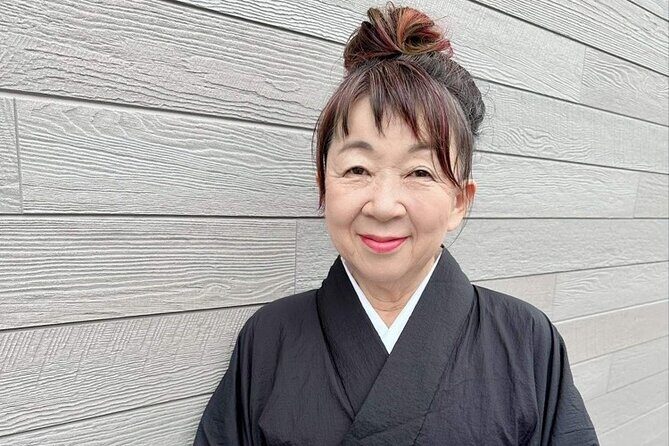
A harp lesson inside a real home. This is a guided koto experience in Beppu that brings you into the world of the instrument through the eyes of Hara-san, an instructor who has played since childhood and shares her background from her own house. It’s one of the rare chances to hear a koto story told face to face, not just from a textbook.
I love two things most: the instructor’s decades of playing experience—about fifty years—and the hands-on moment where you learn and play a recognizable tune like Sakura Sakura. You’re not just watching; you’re actively participating.
One consideration: the total feel of the experience can run longer than the listed 1 hour, especially when kimono, tea, and origami time are included. Also, you’ll need to handle getting to the meeting point since transportation isn’t included.
In This Review
- Key Things You’ll Notice
- Why This Beppu Koto Experience Feels More Personal
- Finding Hara-san: The Traditional House Welcome
- The Story Side: What You Learn Before You Play
- Tea, Sweets, and Origami: The Hospitality That Makes It Stick
- The Koto Performance Moment: Listening Before Touching
- The Basic Lesson: How First-Timers Actually Play
- Kimono and Photos: Fun Extras, Not Just a Costume
- Price and Value: Is $58.53 Worth It?
- Practical Tips Before You Go
- 1) Plan for time, not just a clock
- 2) Use the meeting point address and arrive calmly
- 3) Go in as a first-timer
- 4) Bring a phone only when it helps
- 5) Expect a gentle pace
- Who This Beppu Koto Lesson Is Best For
- Is This the Right Book for Your Beppu Day?
- FAQ
- How long is the koto experience in Beppu?
- What is the price per person?
- Is this activity private or shared?
- Where do we meet for the experience?
- What’s included in the price?
- What is not included?
- Do I get a mobile ticket?
- When will I receive confirmation after booking?
- Is the experience suitable for beginners?
- Can I cancel for a full refund?
- Should You Book This Koto Experience in Beppu?
Key Things You’ll Notice
- Hosted by Hara-san in her traditional home, not a generic studio
- Hands-on koto playing as part of the basic lesson
- Learning Sakura Sakura for a satisfying first-time result
- A calm, lived-in atmosphere with artworks and even a cat appearing during the visit
- Tea, sweets, and origami conversation that make it feel like hospitality, not a class
Why This Beppu Koto Experience Feels More Personal
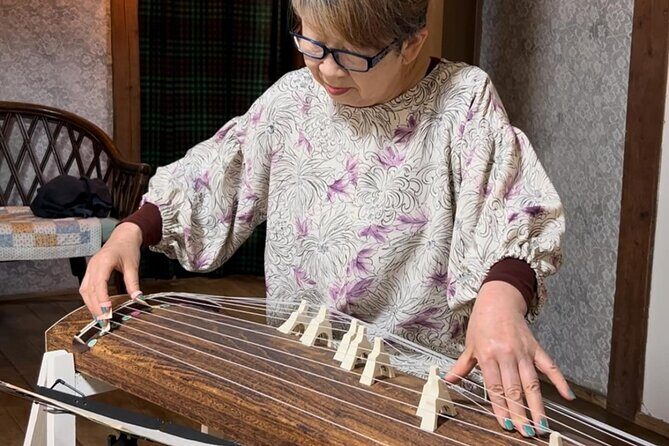
If you want Japanese culture that isn’t staged for a crowd, this is a strong pick. The biggest difference here is simple: you’re in the instructor’s own home for a guided koto experience. That changes the vibe. The music lands softer. The explanations feel more grounded. You’re not just a visitor passing through; you’re a small group invited to sit, listen, and try.
And yes, you’ll get the basics. But this isn’t only a “press play and copy notes” situation. Hara-san’s approach focuses on the enjoyment of playing the koto, especially for first-timers. That matters, because the koto can look intimidating at a glance. Under patient guidance, it becomes something you can actually make sound with.
You also get a mix of moments: a performance, a story, and a lesson. That’s a good formula for first-time visitors. You hear the instrument with context, then you try it yourself while the memory is fresh.
You can also read our reviews of more tours and experiences in Beppu.

Finding Hara-san: The Traditional House Welcome
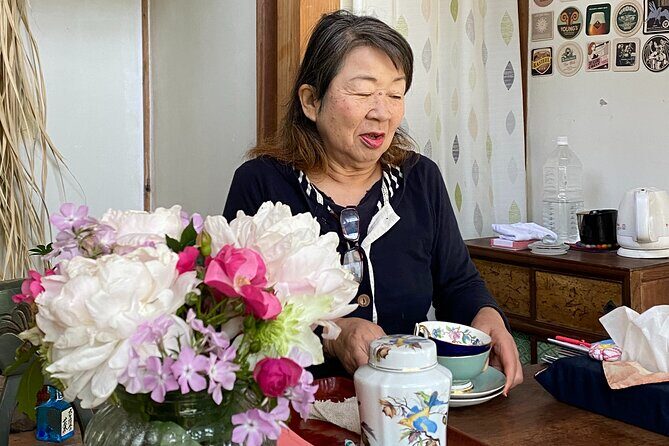
Your experience starts at 7-18 Hikarimachi, Beppu, Oita 874-0930. The activity ends back at the same meeting point, so you’re not left to figure out your next step while your brain is still full of music details.
This is described as a private experience with only your group participating. That’s a real plus if you’re traveling with friends and want questions answered without waiting your turn. It also tends to make the lesson feel less rushed.
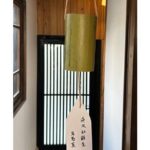
Inside, you’ll be in an old traditional Japanese house setting. Based on participant descriptions, there are artworks in the space, and a friendly cat may be part of the background action. On a rainy day in Beppu, that kind of quiet indoor setting is exactly what you want.
What I’d watch for as you arrive: go in with an open mind. This isn’t about “performing correctly on demand.” It’s about learning how the instrument works in a calm, guided way.
The Story Side: What You Learn Before You Play
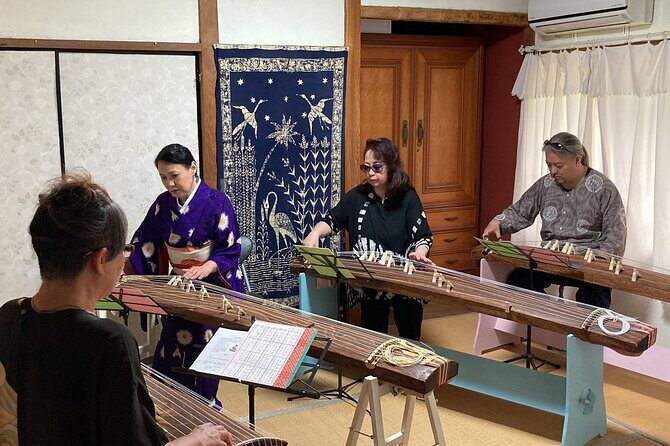
A standout feature is the chance to hear the instructor’s background story, shared from her own home. Hara-san has played the koto since childhood and kept playing as a hobby even after retirement. That long connection shows in how the lesson is framed: as a lifelong craft and a source of enjoyment, not only a skill to show off.
You’ll also learn basic cultural context around the koto itself—its history and how songs fit into that world. This helps first-timers understand what they’re hearing. When you know the why behind the music, you listen differently during the performance and you practice with more confidence during the lesson.
One practical upside: the story piece slows the experience down. It gives your brain time to adjust from travel mode to music mode.
Tea, Sweets, and Origami: The Hospitality That Makes It Stick
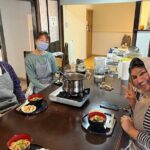
Not every cultural activity includes food-and-conversation time that feels part of the experience. Here, tea shows up as a genuine pause in the schedule, along with sweets.
From participant descriptions, you may also spend time on origami discussion—not just a quick craft at the end, but a conversation moment that continues the relaxed tone. That combination—tea, talk, then music—creates a rhythm that makes the whole visit feel more like visiting someone than taking a class.
If you enjoy small sensory details, this part will land well:
- a calm indoor atmosphere
- quiet tea time
- chances to ask questions while everyone’s still relaxed
And the photos can be part of that memory-making too, especially if you add the kimono option.
The Koto Performance Moment: Listening Before Touching
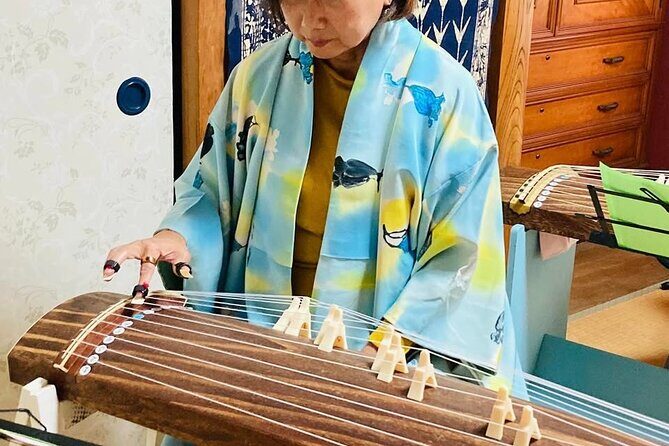
You’ll hear the koto before you start playing yourself. That order is smart. The koto has a distinctive sound, and it helps to hear it first with context—what the song is, why it matters, and what kind of feel you’re aiming for.
In particular, the tune Sakura Sakura comes up as a key song you’ll learn. Participants describe learning it and then enjoying Hara-san’s playing of it. That means you get a “listen first, then try” setup, which is ideal for first-timers.
When the performance happens, don’t rush to multitask. Put your phone away for a few minutes if you can. You’ll remember the details better, and you’ll be less frustrated when you move into the lesson.
This also gives you a model for posture and technique. Even if you don’t fully master it immediately, seeing what the hands and strings are doing makes your own attempt feel more doable.



The Basic Lesson: How First-Timers Actually Play
The lesson part is the heart of this experience. You’re guided through a basic lesson with enough structure to help you play a song with clarity.
What’s encouraging here is that the instruction is designed for people encountering the koto for the first time. That’s important because the koto isn’t like a guitar where the basics transfer instantly. The instrument has its own feel and its own approach.
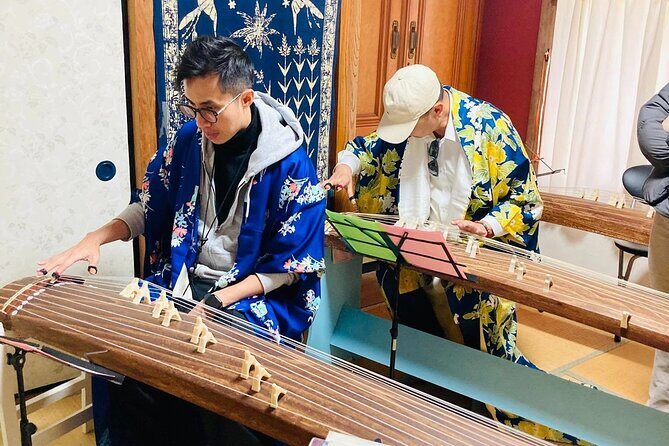
In the hands-on segment, you’ll get a chance to play after you’ve heard the instrument. That’s one reason the experience can be so satisfying: the sound you get in your hands lands as a real achievement, not a token moment.
Also, because the group is small (private with your party), you’re more likely to get individual help if something doesn’t feel right. That’s a better setup than crowded group workshops.
If you’re the kind of person who gets tense about making mistakes: good news. This kind of quiet, traditional setting usually helps people relax enough to focus on sound and timing rather than perfection.
Kimono and Photos: Fun Extras, Not Just a Costume
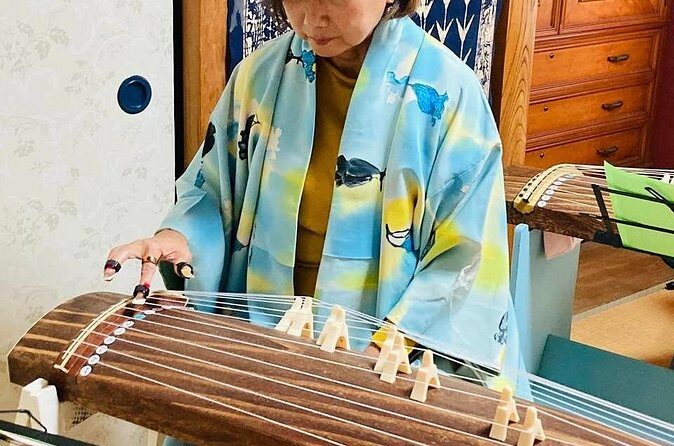
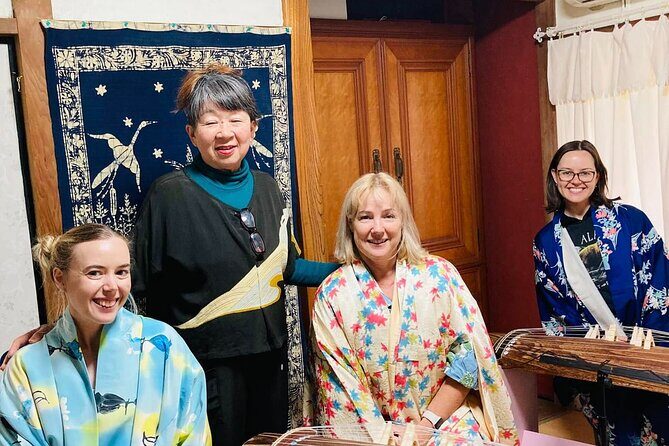
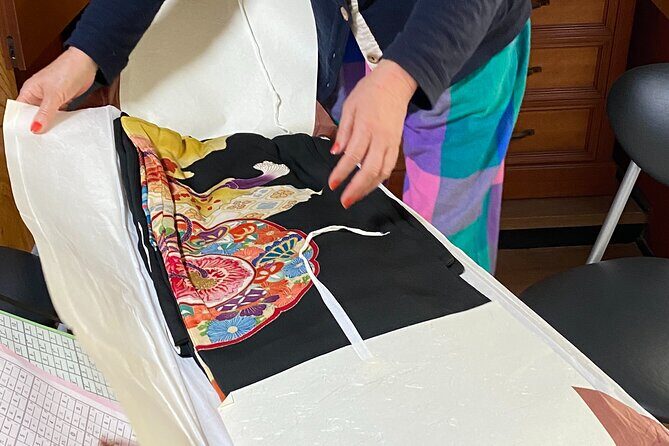
Some participants mention a kimono option as part of the experience. If that’s available during your visit, it’s a fun way to lean into the cultural side without making the whole day about photos.
The best part of adding kimono here is that it matches the setting: an old traditional Japanese house, tea time, and a live instrument. It all feels coherent.
Photo-wise, you may find plenty of chances for cute pictures, especially around the performance and the calm indoor environment. Just remember: photos are great, but don’t let them swallow the music. You’ll enjoy the lesson more if you’re present for the technique and the sound.
Price and Value: Is $58.53 Worth It?
At $58.53 per person, this sits in the “treat yourself” category, but it doesn’t feel overpriced once you look at what’s included.
The price covers:
- all fees and taxes
- the koto itself (so you’re not paying extra just to use the instrument)
- guided instruction that includes both listening and hands-on playing
Then there’s the value you can’t easily quantify: access to Hara-san’s home and her personal approach to teaching. You’re not only learning a musical instrument; you’re being welcomed into someone’s space with story time, tea, and conversation.
Timing is the one variable you should plan around. The activity is listed at about 1 hour, but some participants describe a longer overall experience (around 3-ish hours) depending on what’s included in the visit flow. That doesn’t mean you’re stuck for ages. It just means this can be more like a half-day cultural interlude than a quick stop. If you’re planning your day in Beppu, give yourself buffer time so you’re not rushing off right after.
Group discounts are mentioned too, which can make it an even better deal if you’re traveling with friends.
Practical Tips Before You Go
Here are the details that will help you enjoy this more, with less stress.
1) Plan for time, not just a clock
Even if the session is listed at about an hour, the felt experience can stretch with tea, origami conversation, and optional kimono. If you have a strict schedule, leave a cushion.
2) Use the meeting point address and arrive calmly
The start is at 7-18 Hikarimachi, Beppu. It’s listed as near public transportation. That helps, but don’t assume it’s “right next to” where you’re staying. Give yourself time to get there without rushing.
3) Go in as a first-timer
You don’t need musical experience. The experience is designed for people who are new to the koto. Your job is to listen, ask questions if you have them, and try the instrument during the lesson.
4) Bring a phone only when it helps
You’ll likely want photos (kimono time and the setting). But try to keep long filming to a minimum during the performance, so you actually absorb what the koto sounds like.
5) Expect a gentle pace
This is a tranquil atmosphere, in a home setting. It’s not a high-energy show. If you like calm cultural experiences, you’re in the right place.
Who This Beppu Koto Lesson Is Best For
This is perfect for:
- first-time visitors to Japan who want one clear, authentic cultural activity
- people who like live music plus hands-on learning
- small groups of friends who want a private, low-pressure class
- travelers who enjoy quieter experiences in traditional spaces
It’s less ideal if:
- you want a loud, high-impact activity that fills every minute with action
- you’re trying to cram too many stops into a tight schedule
- you hate the idea of sitting and listening for a bit before touching the instrument
If you love the sound of Japanese music, this will feel especially meaningful. And even if you don’t, the structure—listen, learn, play—keeps it engaging.
Is This the Right Book for Your Beppu Day?
I’d book it if you want a memorable cultural experience that’s personal, calm, and practical. The combination of Hara-san’s long playing background, the chance to learn Sakura Sakura, and the home setting with tea and origami makes it more than a “see and leave” stop. At $58.53, the value is strongest when you factor in the instruction, included instrument, and the hospitality angle.
If you’re booking, plan your day with buffer time and treat it like a small Japanese cultural visit, not a quick photo op. You’ll walk away with a tune you can recognize—and a clearer sense of what the koto is beyond its look.
FAQ
How long is the koto experience in Beppu?
It’s listed as about 1 hour (approximately). Some visitors describe a longer overall visit depending on the flow of the experience.
What is the price per person?
The price is $58.53 per person.
Is this activity private or shared?
It’s private. Only your group will participate.
Where do we meet for the experience?
The meeting point is 7-18 Hikarimachi, Beppu, Oita 874-0930, Japan.
What’s included in the price?
All fees and taxes are included, and the Japanese harp is included.
What is not included?
Public transportation and private transportation are not included.
Do I get a mobile ticket?
Yes, mobile ticket is part of the experience.
When will I receive confirmation after booking?
Confirmation is received within 48 hours of booking, subject to availability.
Is the experience suitable for beginners?
Most travelers can participate, and it’s designed as a basic lesson with a chance to play even if it’s your first time.
Can I cancel for a full refund?
Yes. You can cancel up to 24 hours in advance for a full refund.
Should You Book This Koto Experience in Beppu?
Book it if you want a calm, hands-on cultural activity with real instruction and a personal home setting led by Hara-san. The included harp, the focus on Sakura Sakura, and the hospitality details like tea and origami make it feel like more than a standard lesson. If your schedule is tight, just plan extra time so the experience doesn’t collide with your next stop.