REVIEW · KOBE
Kobe: Guided Tour of Nunobiki Waterfalls and Herb Garden
Book on GetYourGuide →Operated by DeepExperience, Inc. · Bookable on GetYourGuide
Cascades and herbs, right next to Kobe. I love how this tour pairs Nunobiki Waterfalls (Mentaki, Meotodaki, Ontaki) with a calm, scenic breather at the Miharashi Observation Deck above the city and harbor. You also get the ropeway ride up to one of Japan’s biggest herb gardens, then an hour to wander fragrant themed paths.
The main catch is physical: expect a lot of stairs and inclines on uneven ground, so it’s not the right pick if you want a mostly level walk.
In This Review
- Key things to know before you go
- Kobe’s Nunobiki Waterfalls: a fast nature reset from the city
- Where you start: JR Shin-Kobe and finding your guide fast
- The waterfall hike: Mentaki, Meotodaki, and Ontaki (and yes, it’s steep)
- Miharashi Observation Deck: skyline and harbor views mid-hike
- Ropeway time: Kaze no Oka to the Herb Garden area
- Kobe Nunobiki Herb Garden: themed paths, fragrance, and an hour that feels like breathing
- Time and pace: why 3 hours can feel like more
- What you’re really paying for: guidance and easier decision-making
- Who this tour is perfect for (and who should skip it)
- Tips to make your day easier
- Should you book this Nunobiki Waterfalls and Herb Garden tour?
- FAQ
- Where do I meet the guide?
- How long is the tour?
- What is included in the price?
- Are meals and drinks included?
- Is this tour wheelchair accessible?
- What should I bring?
- What language is the tour guide?
Key things to know before you go
- Three named falls, all tucked into forest scenery: Mentaki, Meotodaki, and Ontaki are the focus.
- Miharashi Observation Deck for city-and-harbor contrast: great payoff when the trail gets steep.
- Ropeway views on the way to the Herb Garden: mountains, city, and sea show up from above.
- About an hour inside Kobe Nunobiki Herb Garden: you’ll have time to slow down and smell the flowers.
- Private English guiding: you’ll be with a guide who can set the pace and explain what you’re seeing.
- Comfort matters: bring water and plan for moderate walking, uneven surfaces, and steep steps.
Kobe’s Nunobiki Waterfalls: a fast nature reset from the city
Kobe can feel like a classic city day—ports, neighborhoods, coffee stops—and then, if you want it, you can get your feet dirty in real greenery without going far. This tour is built for that reset. You start near JR Shin-Kobe Station, then you transition from urban movement into a forest walk where the sound of water does most of the talking.
Two parts really earn their keep. First, the waterfall trail isn’t just pretty—it’s quiet and shaded, which makes photos better and the walk less exhausting mentally. Second, the timing works: you get a payoff view at the Miharashi Observation Deck before you head to the ropeway and the herb garden. That rhythm keeps the whole outing from feeling like one long climb.
One more thing I like: the pace is guided, not hiked-for-hiking’s-sake. In past groups, guides like Naoko-san, Kanako Matsumoto, and Benoit are described as patient and willing to adjust when people need breaks. If you’re a slower walker, that matters.
You can also read our reviews of more guided tours in Kobe



Where you start: JR Shin-Kobe and finding your guide fast
You meet in front of the ticket gate at JR Shinkobe Station. Your guide will be holding a sign with the DeepExperience logo. The meeting is straightforward, and it helps that you’re starting from a major rail hub—so you’re not trying to hunt down a van in a maze of side streets.
Plan to arrive a few minutes early and give yourself time to settle. Once you link up, you’ll start with a scenic stretch that takes you away from the station area and into the Nunobiki approach. This is the kind of first segment where you don’t rush. You’ll want your legs warm before the stairs show up.
The waterfall hike: Mentaki, Meotodaki, and Ontaki (and yes, it’s steep)
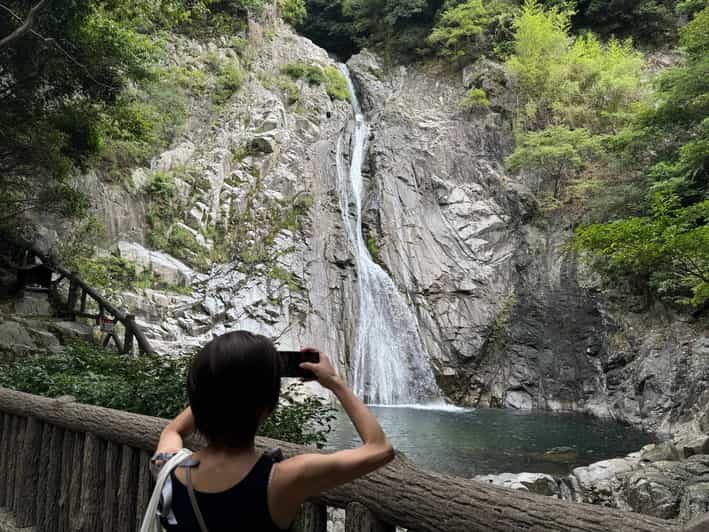
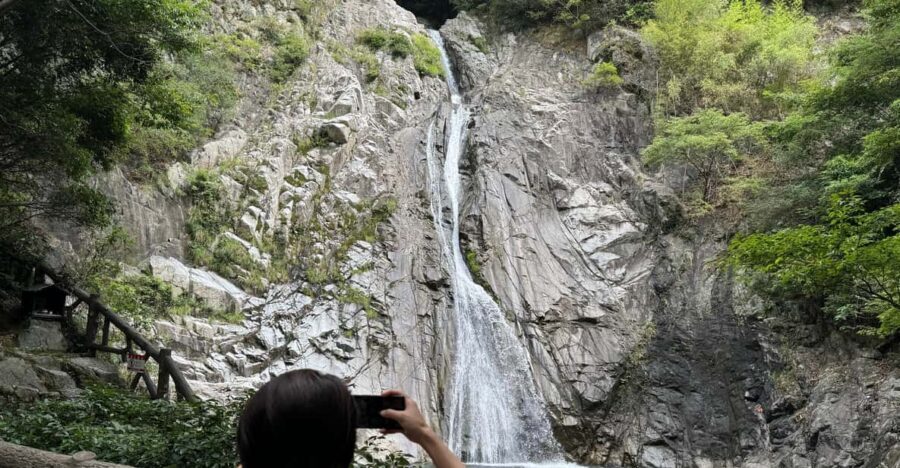
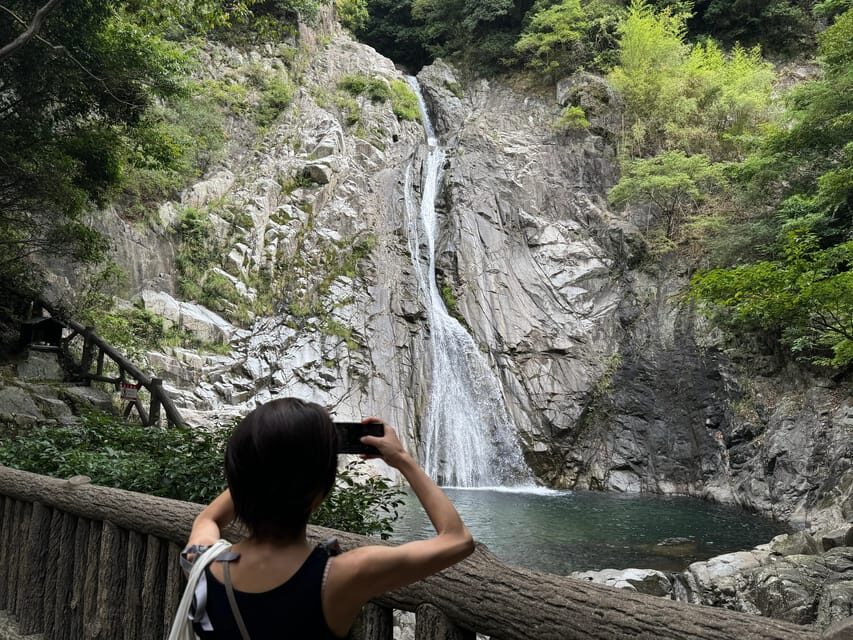
The heart of the experience is the forest walk to three scenic falls: Mentaki, Meotodaki, and Ontaki. The tour focuses on these named spots, and each one is framed by lush greenery that makes the water feel tucked away rather than staged.
Here’s the practical reality: this is not a flat stroll. Expect inclines and stairs, plus walking on uneven surfaces. Even if the trail looks short on a map, the elevation change will feel real once you start moving.
What makes it worth it is the mix of sounds and scenes. Waterfalls give you constant visual variety—spray, rock edges, different angles—and the guide’s explanations add meaning, not just directions. People have highlighted how guides explain what you’re seeing and how to navigate the route, which helps you avoid that moment where you’re tired and wondering whether you’re at the right viewpoint.
If you’re not an experienced hiker, do yourself a favor:
- Wear comfortable walking shoes with grip.
- Bring water.
- Consider bug spray, especially if you’re sensitive to bites.
- Take breaks on purpose, not just when you’re already cooked.
Miharashi Observation Deck: skyline and harbor views mid-hike
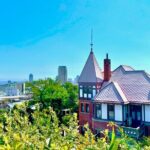
Right after the waterfall portion, you stop at the Miharashi Observation Deck. This is a smart break built into the route. You go from hearing water in the trees to looking out over Kobe’s skyline and harbor—city power, then forest calm.
The value here is contrast. In a short time, you’re seeing how Kobe wraps its natural surroundings around a working port. Even if you’ve already visited the waterfront, this view hits differently because you’re above it, with the greenery behind you.
Also, this stop is the moment you can reset your energy. Sit, take photos, and catch your breath before you head to the ropeway. It’s one of those “you’ll thank yourself later” segments.
Ropeway time: Kaze no Oka to the Herb Garden area
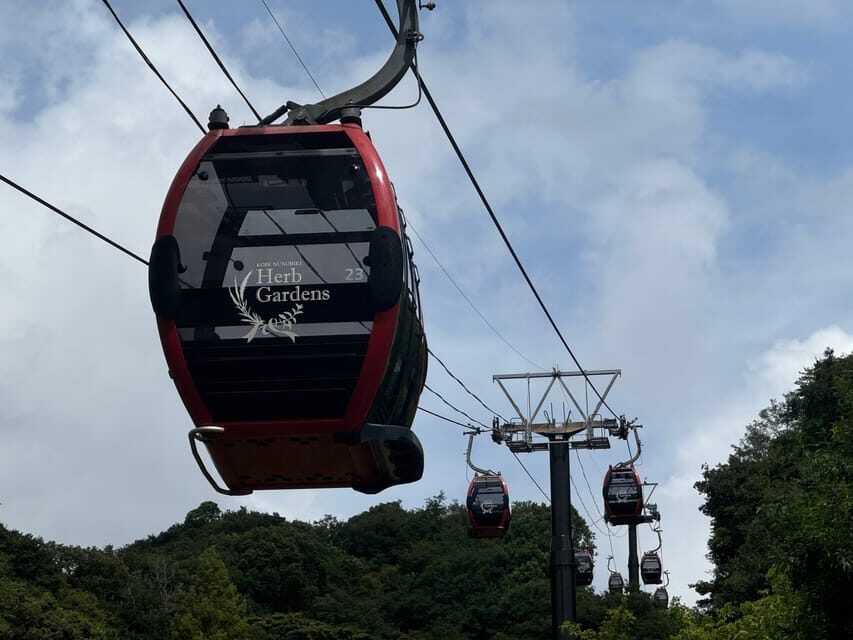
Next comes the ropeway ride. You hop on from Kaze no Oka Station and ride up to the Kobe Nunobiki Herb Garden area. The ropeway is more than transport—it’s a moving viewpoint.
From above, you can see mountains, city, and sea, and that aerial perspective changes how you understand the geography. Instead of only following a trail upward, you feel how Kobe’s coastline and hills connect. It’s also a welcome break for your legs if the waterfall hike left them grumpy.
On the way back, you’ll take the ropeway down again, ending at Herb Garden Sanroku Station. So you get two rides: one up, one back down, which keeps the total experience from turning into a full day of walking.


Kobe Nunobiki Herb Garden: themed paths, fragrance, and an hour that feels like breathing
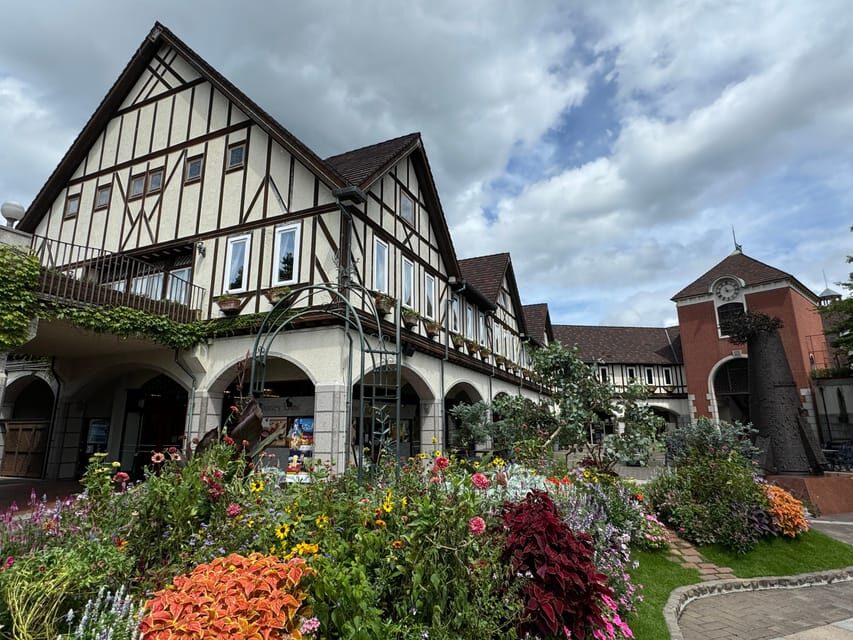
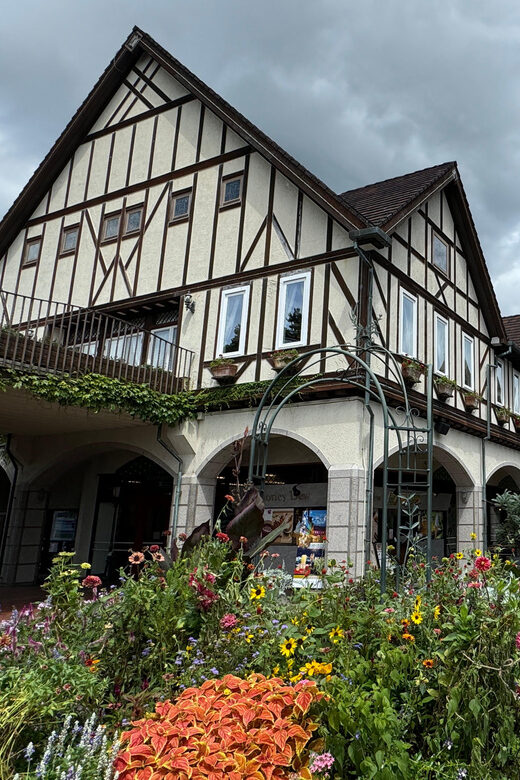
After the ropeway, you’ll spend about one hour exploring the Kobe Nunobiki Herb Garden. It’s described as one of Japan’s largest herb gardens, and that size matters because it gives you time to wander without feeling like you’re sprinting for checkmarks.
What I’d expect you to enjoy most is not just the visuals, but the sensory shift. Herbs and flowers smell strong in open-air beds, and your eyes catch the color in sections designed around themes. You’ll have time to relax, explore themed areas, and take in seasonal beauty.
A practical note: this part still involves walking. It’s gentler than the waterfall steps, but you’re still moving on garden paths. Bring your shoes, not sandals, and keep an eye on your footing on any damp sections.
One helpful detail from experience reports: some people describe being able to ride the ropeway more than once as long as they don’t go all the way down to the station. I can’t promise that on every day, but it’s worth knowing as a possibility if you want extra time with the views.
Time and pace: why 3 hours can feel like more
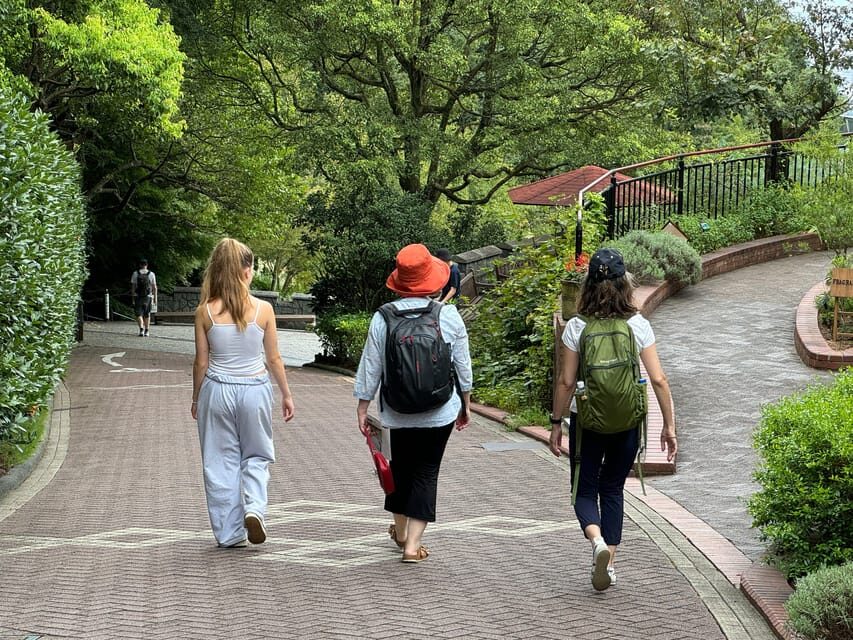
The tour runs about 3 hours. That’s half-day energy without eating your whole afternoon. The schedule is compact:
- a scenic start walk (about 30 minutes),
- short transfer time,
- guided waterfall/forest time (about 1 hour),
- then the ropeway and herb garden exploration with the remaining time.
So what feels like “value” isn’t only the stops. It’s the sequencing. You’re not spending all day hiking up and then all day hiking down. You get:
1) nature first (waterfalls),
2) a view break (observation deck),
3) a transport-as-view moment (ropeway),
4) a slower sensory wander (herb garden).
At $120 per person, that’s a fair bundle for a guided, English-led outing that includes guide time, herb garden admission, and ropeway rides to and from the garden. Meals aren’t included, so plan to grab something after. But you’re not paying extra for the key movement parts of the day.
What you’re really paying for: guidance and easier decision-making
The guide isn’t just there to point at scenery. When you’re in a place with stairs, turns, and multiple viewpoints, a good guide saves mental energy. That’s especially true if you’re not a confident hiker.
In past groups, guides have been praised for being patient, setting a comfortable pace, and explaining local details—herbs, how to navigate, and what you’re looking at during the waterfall route. That kind of attention can make a “moderate hike” feel manageable instead of stressful.
Also, the tour is private group. That can matter more than people expect. You’re not constantly negotiating crowd spacing at viewpoints. You can pause for photos, rest when you need to, and keep your attention on what you came for.
Who this tour is perfect for (and who should skip it)
This is a great match if you:
- want a short, scenic nature outing close to a major station,
- enjoy waterfalls plus gardens (not just one type of scenery),
- like panoramic viewpoints without a separate city tour plan,
- can handle moderate walking and uneven paths.
It’s less ideal if you:
- have mobility impairments or need wheelchair access,
- prefer fully level routes,
- don’t tolerate steep stairs and inclines well.
The tour information is clear that it involves uneven surfaces and steep steps to reach waterfall viewpoints. If stairs are a problem for you, you’ll feel it here.
Tips to make your day easier
This tour goes smoother with a few simple choices:
- Wear good traction shoes. You’ll be grateful on stairs.
- Bring a small bottle of water.
- Add bug spray if you’re prone to bites.
- Bring a camera (or at least your phone with enough storage).
- Dress for outdoors weather. The forest walk and open views can feel different temperature-wise.
If it looks like a lot of climbing, trust your eyes. Pace yourself early. The guide can help you slow down, especially if you’re newer to hiking.
Should you book this Nunobiki Waterfalls and Herb Garden tour?
Book it if you want a structured half-day that mixes three distinct moods: forest waterfalls, a skyline viewpoint, and an herb-garden stroll. The ropeway and garden time make it feel balanced rather than one-note hiking, and the inclusion of admission and ropeway rides keeps the day streamlined.
Skip it if you need an easy, flat walk. With steep steps and uneven surfaces, this is not the tour to test your limits. You’ll get more enjoyment if your legs are happy with inclines.
If you’re the right fit, I think you’ll come away with that rare combo: fresh air, satisfying views, and a garden that lets you slow down for a full hour instead of just snapping a few photos and moving on.
FAQ
Where do I meet the guide?
Meet your guide in front of the ticket gate of JR Shinkobe Station. The guide will be holding a sign with the DeepExperience logo.
How long is the tour?
The tour is about 3 hours.
What is included in the price?
Included are an English live guide, admission to the Kobe Nunobiki Herb Garden, and ropeway rides to and from the Herb Garden.
Are meals and drinks included?
No, meals and drinks are not included.
Is this tour wheelchair accessible?
No. The tour is not suitable for wheelchair users or people with mobility impairments due to uneven surfaces and steep stairs.
What should I bring?
Bring comfortable shoes, a camera, and water. It also helps to be ready for outdoor conditions (for example, bugs).
What language is the tour guide?
The tour offers a live English-speaking guide.