REVIEW · HIROSHIMA
Miyajima Highlights: Itsukushima Shrine & Island Nature
Book on Viator →Operated by Local Gem Tour Hiroshima · Bookable on Viator
Tide timing is everything on Miyajima. This private walking tour strings together Itsukushima Shrine and Daishoin Temple with time to see the calmer side of the island, plus a guide who helps the spiritual meaning make sense instead of feeling like random sights. I like that you can ask questions as you go, so the day feels personal rather than scripted.
I also like the flexibility to help you time the day for the floating torii gate, since the order can change between Miyajima and Peace Park. One thing to plan for: the base price covers the guide and key entrance(s), but you’ll still pay for local transportation (public transit is listed at ¥1,340 per person), and any optional faster boats or taxis cost extra.
In This Review
- Key highlights at a glance
- Miyajima’s spiritual rhythm: why this day feels different
- Price and value: what $141.23 includes (and what doesn’t)
- Getting started in Hiroshima and moving by public transit
- Stop-by-stop: Itsukushima Shrine, the torii gate, and UNESCO details
- Miyajima first: deer, shrine energy, and island mood
- The floating torii gate: why tide is the star of the show
- Itsukushima Shrine: ebb, flow, and a national treasure setting
- Senjokaku: large halls and wall-less calm
- Daishoin Temple: the oldest stop with a nature-filled pace
- Omotesando shopping street: food and souvenirs without losing the day
- The ride toward Peace Memorial Park (and how to choose your route)
- Why the private guide makes the difference (names you might recognize)
- Practical tips so your day stays smooth on foot
- Should you book this Miyajima and Itsukushima private tour?
- FAQ
- How long is the Miyajima Highlights tour?
- Where do we meet in Hiroshima, and is pickup offered?
- Are entrance fees included for Itsukushima Shrine and other sights?
- What transportation costs should I expect?
- Is this tour private?
- How does the floating torii gate depend on timing?
- What if the weather is bad or I need to cancel?
Key highlights at a glance
- Floating torii gate timing: the view changes with the tide, and the tour order can be adjusted to help you catch it well
- Private guide attention: you get undivided time and cultural context, not just a headset reciting facts
- UNESCO-focused stops: Itsukushima Shrine areas plus Senjokaku, with explanations of what makes them special
- Quieter island experiences: you go beyond the landmark rush to get a feel for everyday Miyajima life
- Daishoin Temple in nature: a rare, older temple setting with a calm pace for photos and reflection
- Photo data included: you receive tour photo data, which is handy on a walking day
Miyajima’s spiritual rhythm: why this day feels different
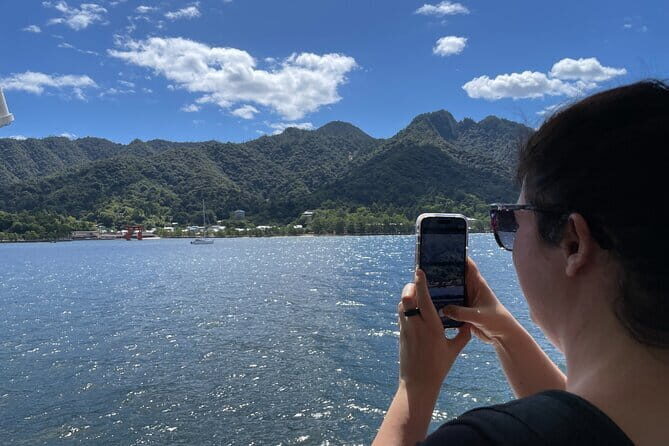
Miyajima is famous for the big photo moments, but the real payoff of this tour is the pace. Instead of racing, you move through sacred space with time to look up, look around, and ask why things are arranged the way they are. The island is revered as the gods’ island since ancient times, and your guide helps that idea land in your day-to-day walking experience.
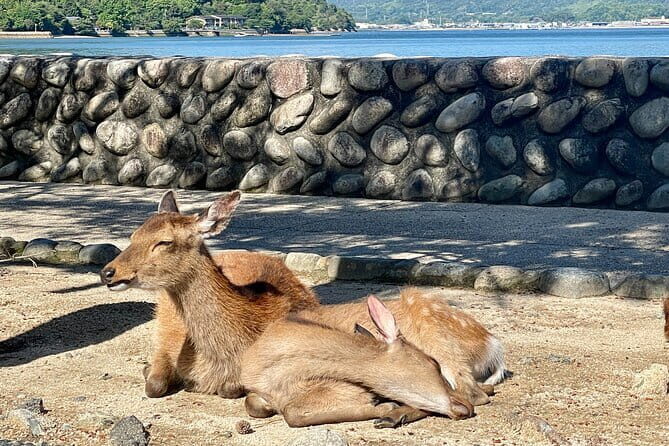
You’ll also get a taste of Miyajima beyond the postcard. Even with major landmarks on the route, the flow of stops gives you a chance to see quieter corners and how people actually move through the island. And yes, deer show up as part of the welcome on Miyajima—expect them to be part of your visual background more than a one-time gimmick.
You can also read our reviews of more tours and experiences in Hiroshima.
Price and value: what $141.23 includes (and what doesn’t)
At $141.23 per person for about 5 hours, the value is strongest if you care about context and flexibility, not just checking boxes. You’re paying for a private, live local guide, plus some direct cost coverage: the entrance fee for Itsukushima Shrine is included, along with tour photo data and an advance customization consultation.
What you should budget separately is transportation and anything food-related. Lunch isn’t included. Public transportation is listed at ¥1,340 per person, and optional private transportation like fast boats, direct boats, or taxis can add more (the listing gives ranges from about ¥2,300–¥8,000 one way). If you’re trying to keep costs tight, stick with the standard public connections.
A smart way to think about the price: you’re buying time with a guide who can turn each stop from scenery into meaning. If you’re the type who likes to ask questions (and get answers on the spot), this style of tour usually feels worth it.
Getting started in Hiroshima and moving by public transit
The tour starts in Hiroshima City, with pickup offered from a hotel or train station. Your meeting point is described as meet up with the guide in Hiroshima on foot, and the day is built around walking plus public transportation.
That matters because it keeps the route flexible. You’re not stuck with one rigid schedule. Also, public transit is usually the most straightforward way to stitch Hiroshima City to Miyajima and then onward toward the Peace Memorial Park area.
Timing note: the tour plan allows the order to change between Miyajima and Peace Park so you can improve your chances of seeing the floating torii gate in the right tidal window. That’s a big deal here, because the shrine’s signature look is tide-driven.
Stop-by-stop: Itsukushima Shrine, the torii gate, and UNESCO details
Miyajima first: deer, shrine energy, and island mood
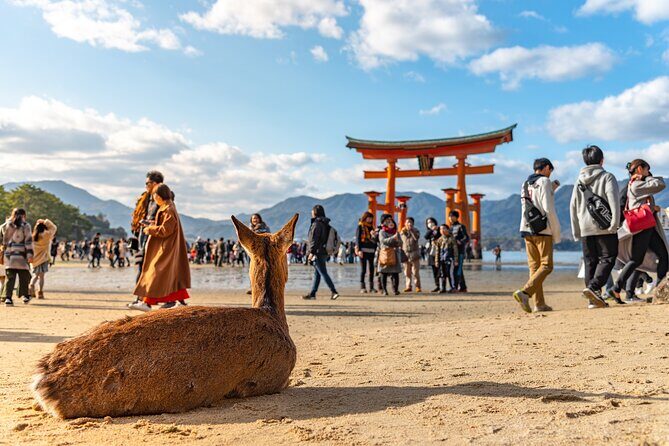
After you travel from Hiroshima, you reach Miyajima, where the island’s sacred reputation is part of what you feel immediately. There’s a calm, reverent tone to the way the space is used, and deer often appear as a welcome. You’re not just walking through a theme park; you’re arriving on a place that locals and visitors treat with respect.
This is also a good moment to slow down. The tour’s whole concept is about not rushing the spiritual core, so use this time to get your bearings and start asking questions early. A private guide can point out small things you’d otherwise overlook.

The floating torii gate: why tide is the star of the show
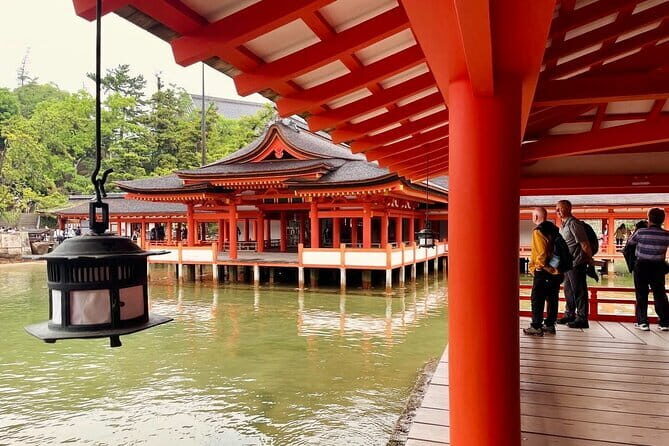
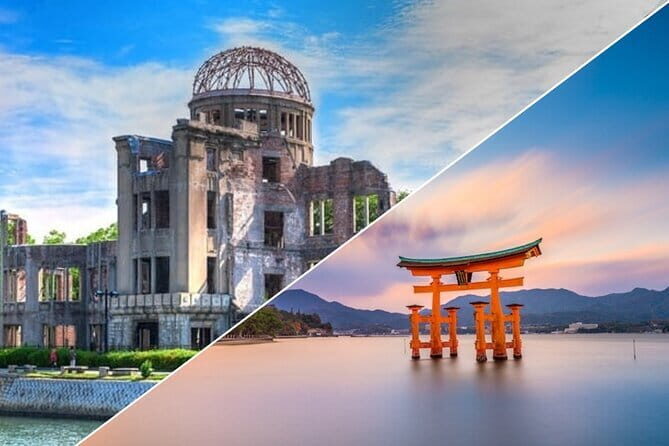
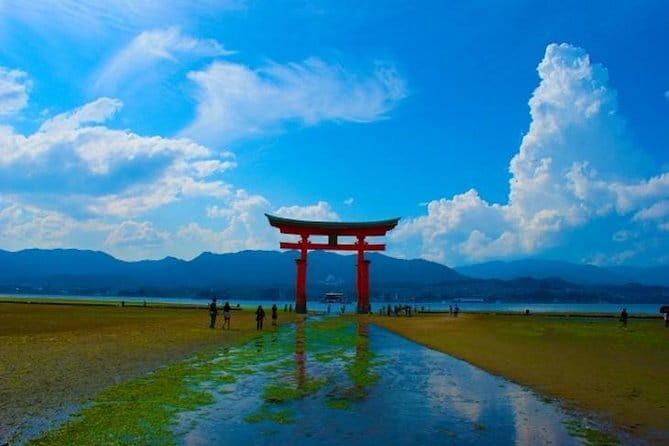
One of the shortest stops in time can still be the most important visually: the torii gate area. The listing explains the key detail—when the tide is high, the torii appears on the sea. At low tide, you can walk by it and be impressed by its size and beauty.
Here’s the practical takeaway: don’t plan your day around a single view and assume it will happen. The tour is designed to account for that by changing the order between Miyajima and Peace Park. If you’re flexible with where you fit Peace Memorial Park in the day, you have a better chance of seeing the torii in the look you want.
Itsukushima Shrine: ebb, flow, and a national treasure setting
Next comes Itsukushima Shrine, a UNESCO-listed World Heritage site. Your guide will help you notice how the shrine’s appearance shifts with the ebb and flow of the tide, which is part of why this place is so distinctive. The shrine is also described as a national treasure, so you’re not just visiting something old—you’re visiting something protected and carefully valued.
Time here is listed as about 30 minutes. That can be enough if you use the private advantage: ask what to look for first (materials, arrangement, tide cues), then enjoy the rest at your own pace.
Possible drawback: if you’re the kind of person who wants long, quiet reflection or who hates moving through crowds, you’ll feel the limited time. But the private pacing still helps—rather than getting dragged along, you can linger where your eyes keep returning.
Senjokaku: large halls and wall-less calm
You also visit Senjokaku, part of the Itsukushima Shrine UNESCO area, built in the 16th century. The listing highlights wall-less spaces, plus large halls that tend to feel quiet and peaceful. That description is exactly why this stop can be a relief after the shrine focus: it gives your day a different mood.
In the route, Senjokaku is listed with admission not included. If you want to avoid surprises, factor that in when you budget for entrance fees. Still, it’s worth it if you like architectural scale and open space.
Daishoin Temple: the oldest stop with a nature-filled pace
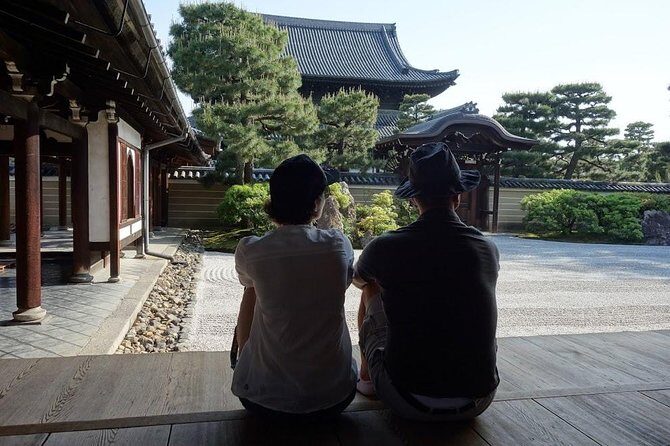
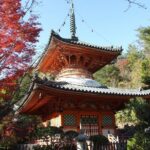
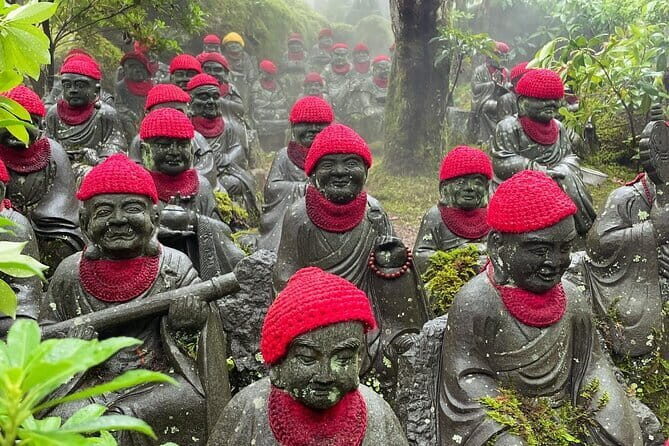
Daisho-in Temple is where the day slows down again. It’s described as the oldest temple on Miyajima and located in the midst of rich nature, with many attractions. You’ll also hear that it was loved by Shogun Hideyoshi.
This is one of the places I’d prioritize if you want more than just the iconic torii scene. The setting tends to feel less like a single landmark you stand in front of and more like a temple experience you move through with pauses for views, details, and shade. With 45 minutes here, you can move at a comfortable speed without feeling rushed off to the next photo spot.
If you’re short on energy, this is also the stop where you can choose how much to do. You don’t have to sprint for every corner; the guide can help you pick what fits your interests.
Omotesando shopping street: food and souvenirs without losing the day
The route includes Miyajima Omotesando Shopping Street, about 40 minutes. This is where you get the island’s practical side—snacks, small meals, and iconic sweets. The listing calls out specialty foods and souvenir items like oysters, conger eel rice bowl, and momiji manju (steamed buns).
For many people, this is where the day becomes real. You’re not just looking at history; you’re tasting it. Still, because lunch isn’t included, treat this as your chance to decide on your own plan: a quick bite to keep your walking energy up, or a snack break to slow down the day.
One caution: if you need calm, this street can feel more active than the shrine areas. Plan to browse for a few items, then step back into quieter lanes when you can.
The ride toward Peace Memorial Park (and how to choose your route)
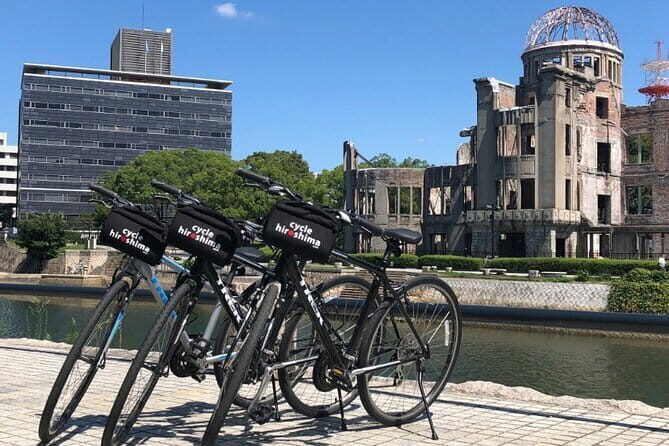
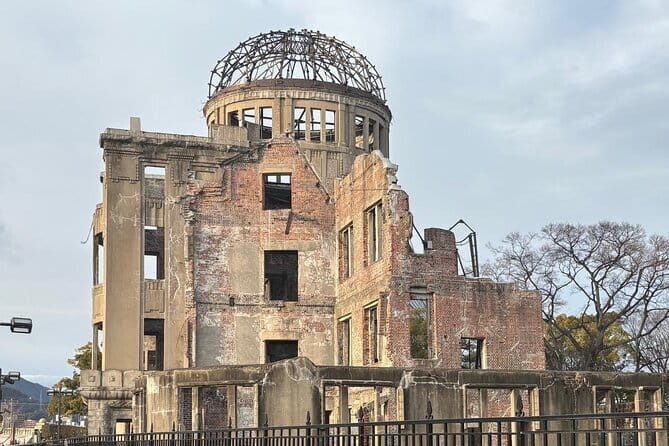
After the Miyajima experience, the tour moves toward the Peace Memorial Park area. The listing says you basically use a ferry, JR, or train, and it takes about 1 hour. There’s also an option to take a direct boat in about 45 minutes.
This part matters because it connects two very different sides of Hiroshima tourism: spiritual Miyajima and historical Hiroshima. If you care about making the day feel cohesive, keep your energy steady here by grabbing water and a snack if you skipped lunch earlier.
A practical note: transportation costs for this segment aren’t included, so you should expect to pay out of pocket. If you’re pressed for time (or travel with older family members), the direct boat option can be a smart trade for fewer transfers—but it costs more.
Why the private guide makes the difference (names you might recognize)
The headline feature is private guiding, but the real benefit is how the day gets translated. Your guide doesn’t just point; they connect each place to larger cultural meaning and local context.
The reviews you provided include guide names like Aya-san, Yuka, Mana, Masayo Kobayashi, and Masa—and they’re described as punctual, friendly, and flexible, with strong English in some cases. One guide, Mana, is noted for sharing family experience tied to Hiroshima’s history, which can add a human layer to the Peace Memorial Park portion of the day.
Even if you don’t want heavy discussion, you’ll still benefit. You can ask small questions like:
- What tide cues should I watch for at the torii?
- Why is Daishoin’s age or setting important?
- What does Senjokaku’s open layout suggest in how people use the space?
This is the kind of tour where those questions can shape the whole day.
Practical tips so your day stays smooth on foot
This is a walking tour, and you’re using public transit. That’s a good combination, but it does mean you’ll want to be ready for uneven island paths, lots of stair steps in temple areas, and time spent outdoors.
Here’s how I’d prep:
- Wear comfortable shoes you trust on stone and slopes.
- Bring a layer for sudden sea breeze, especially since the itinerary includes water-linked areas where wind can pick up.
- Use the guide early. Ask questions at the first major stop so you don’t lose context later when you’re moving faster.
- Plan your food decision during Omotesando. Since lunch isn’t included, decide whether you want a proper snack or a meal there.
Also, the listing is clear that the experience requires good weather. If you’re traveling in a rainy window, you’ll want to stay realistic about flexibility. If you feel sick, the listing asks you not to join.
Should you book this Miyajima and Itsukushima private tour?
Book it if you want Miyajima to feel like more than a checklist. This tour is best when you value private time, tide-timed experiences, and cultural context you can actually ask about in the moment. The inclusion of Itsukushima entrance and tour photo data sweetens the deal, and the Daishoin stop adds welcome variety beyond the headline torii view.
Skip it (or at least reconsider) if your goal is only quick landmark photos and you dislike paying extra for transportation and separate entrance items like Senjokaku. This is not an all-inclusive, sit-and-ride package. It’s an intentional walking day with real add-on costs for getting around.
If you match the style—curious, okay with walking, and interested in meaning—this is an excellent way to see Miyajima and still connect back toward Hiroshima’s Peace Memorial Park area in one smooth half-day.
FAQ
How long is the Miyajima Highlights tour?
It runs about 5 hours.
Where do we meet in Hiroshima, and is pickup offered?
You meet the guide in Hiroshima on foot, and pickup is offered from a hotel or train station in Hiroshima City.
Are entrance fees included for Itsukushima Shrine and other sights?
The entrance fee of Itsukushima Shrine is included. Senjokaku is listed as admission ticket not included, and other stops are shown as free.
What transportation costs should I expect?
Public transportation costs are not included, listed as ¥1,340 per person. The day mainly uses public transportation, and optional private transportation (fast/direct boats or taxis) costs extra.
Is this tour private?
Yes, it’s a private tour/activity, and only your group participates.
How does the floating torii gate depend on timing?
The torii gate appears on the sea when the tide is high. At low tide, you can walk by it. The order between Miyajima and Peace Park can be changed to help you see the torii gate.
What if the weather is bad or I need to cancel?
The experience requires good weather. If it’s canceled due to poor weather, you’ll be offered a different date or a full refund. Free cancellation is available up to 24 hours in advance for a full refund.