REVIEW · TOKYO
Tokyo 6 hour Tour : English Speaking Driver Only, No Guide
Book on Viator →Operated by Japan Guide Agency · Bookable on Viator
Tokyo can feel like a puzzle with too many pieces. This private 6-hour chauffeur tour lets you pick 3 to 4 sights and ride between them without the stress of trains, maps, and timing.
I especially like two things about the setup. Hotel pickup and drop-off means you start and end calmly, and the day is truly your plan because you choose the stops. You also get a private van or minivan, which is handy if your group wants to stay together.
The main drawback to think about is communication. The tour is driver-only (no licensed local guide), so English can range from easy to a bit tough, and some stops involve walking that may not suit everyone.
In This Review
- Key points at a glance
- Your private chauffeur in Tokyo: what self-guided really means
- Price per group and how to get good value for 6 hours
- Pickup, timing, and how to plan a smooth route
- Stop-by-stop: Kappabashi Dogugai and Imperial Palace grounds
- Kappabashi Street (Kappabashi Dogugai)
- Imperial Palace (grounds only)
- Tokyo Tower main deck: the view without the extra commitment
- Meiji Jingu Shrine, Takeshita Street, and Shibuya Crossing
- Meiji Jingu Shrine
- Takeshita Street
- Shibuya Crossing (Shibuya scramble) and Hachiko
- How to handle the no-local-guide setup (language, walking, and lunch pressure)
- Group size, vehicle choice, and comfort matters more than you think
- Who this tour suits best (and who should rethink it)
- Should you book this 6-hour Tokyo chauffeur tour?
- FAQ
- Is there a licensed local English-speaking guide included?
- Can I choose which sights to visit?
- Does the tour include hotel pickup and drop-off?
- What parts of the Imperial Palace and Tokyo Tower are included?
- How big is the vehicle and what’s the group limit?
- Are car seats available for children?
Key points at a glance
- Design your own route using 3 to 4 sights from the provided list
- Driver-only day: no licensed guide, so you guide the conversation and pace
- Hotel pickup and drop-off keeps your 6 hours from getting eaten by transit
- You pick the comfort level: more sightseeing moments or more ride time, your call
- Tokyo Tower and Imperial Palace have limits (main deck only; grounds only, no interior)
- Language support varies since the driver is the only English-speaking contact
Your private chauffeur in Tokyo: what self-guided really means
This is not a traditional guided tour where someone leads you point-by-point. Instead, you get an English-speaking driver and a private vehicle, and you shape the itinerary around what you want to see that day.
In practice, that means you’re doing the thinking. You’ll want a short list ready before you go—three or four “must-sees” that fit together logically. When you plan like that, the driver becomes your logistics helper: getting you to the right area, timing rides through traffic, and handling the car-side details you don’t want to manage.
The upside is flexibility. If you look at the plan at 10:30 and decide you’d rather spend extra time around Meiji Jingu Shrine than elsewhere, you can usually do that. Several drivers are described as friendly and willing to explain what they can while they drive. One name that comes up in examples is Kim, noted for being friendly and making things easy for the day’s flow.
The trade-off is context. A licensed local guide often brings extra layers—history, symbolism, local customs, and food explanations. Here, you’re relying on what the driver can communicate and what you can learn on your own at each stop.
You can also read our reviews of more guided tours in Tokyo

Price per group and how to get good value for 6 hours
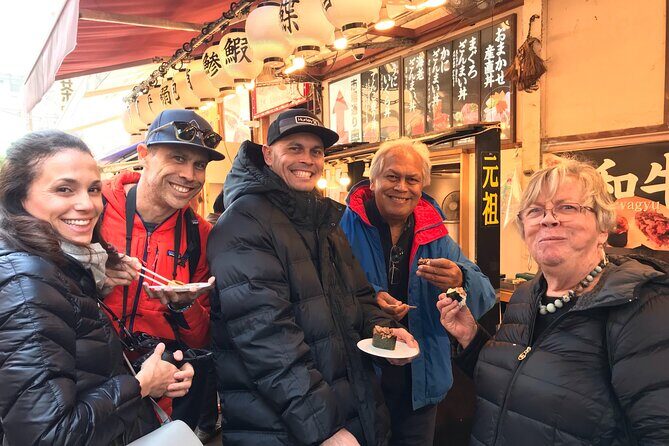
The price is $311.36 per group up to 5, for about 6 hours. That number looks “big” at first glance, but here’s how it can still be value in Tokyo.
Tokyo isn’t cheap, and time is expensive. If you’re doing multiple neighborhoods with trains plus transfers plus walking, your day can get pricey fast in small ways—taxis here and there, extra paid attractions, and the time cost of figuring routes on the fly.
This tour gives you a focused window where you’re paying to avoid friction. You’re renting a chauffeur and private vehicle for the day so you can spend your energy actually looking around.
A smart way to judge value is your group size and your patience level. If you’re traveling as a duo or small family and you want three to four major stops, the private car can feel like a bargain compared with spending the day piecing together transit plans. If you’re a group of five, it becomes even easier to justify.
Also, the day is customizable. You’re not paying for a fixed script that doesn’t match your interests.
One practical cost note: there have been situations where a driver charged parking fees and tolls and the amount was later reimbursed by Viator in at least one case. Since your data doesn’t spell out the exact rule for every driver, I’d treat it as a good question to ask before you go: how are parking/tolls handled, and what documentation or reimbursement process should you expect.
Pickup, timing, and how to plan a smooth route
The tour is set up around meeting at your hotel for pickup and ending with hotel drop-off. That matters because Tokyo is large, and “just one more stop” can turn into a long ride if you misplace neighborhoods.
You’ll be choosing from a list of sights that are spread across areas. The default example route includes:
- Kappabashi Dogugai (Ueno/Asakusa side)
- Imperial Palace (Chiyoda)
- Tokyo Tower (Minato area)
- Meiji Jingu Shrine (Shibuya area)
- Takeshita Street (Harajuku)
- Shibuya Crossing (Shibuya)
You won’t necessarily do all of these, since you’re selecting 3 to 4 sights. The best strategy is to pick stops that cluster by geography. That keeps your ride time reasonable and your walking time manageable.
This tour is also popular, with an average booking lead time of 87 days. If your dates are fixed (especially around busy seasons), it’s wise to book earlier so you can still get the exact schedule you want.
Finally: the tour uses a mobile ticket. That’s a small thing, but it usually means less hassle on arrival. Keep your phone charged and your confirmation ready.
Stop-by-stop: Kappabashi Dogugai and Imperial Palace grounds
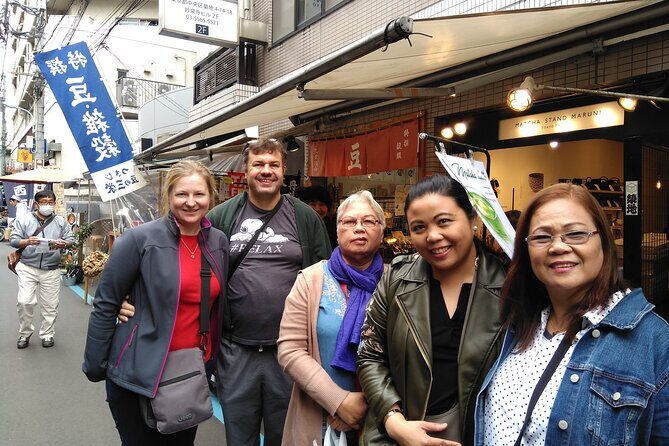
Kappabashi Street (Kappabashi Dogugai)
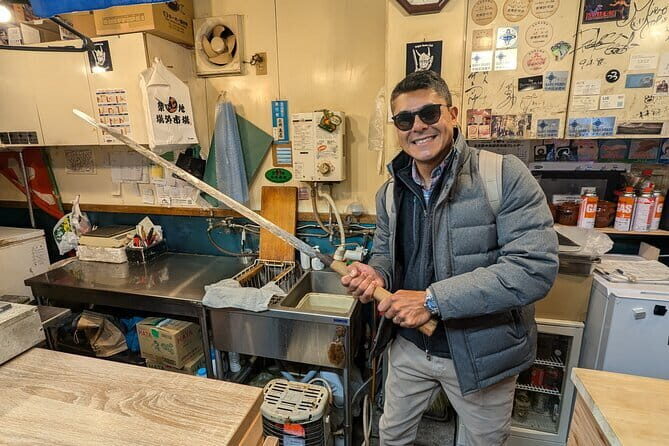
This is the place for food-operator style shopping: tools, kitchen supplies, and the kind of goods you’d expect restaurants to stock. Think of it as a Tokyo shopping stop with a specific theme, between Ueno and Asakusa.
I like Kappabashi when I want a break from the usual souvenir loop. Instead of buying another generic magnet, you can look for practical items, display food replicas, or kitchen curios that make sense when you get home.
Plan about 30 minutes for a quick browse. If you’re shopping seriously (or hunting for something particular), you may want more time and should consider dropping one of the other shorter stops.
A few more Tokyo tours and experiences worth a look


Imperial Palace (grounds only)
The Imperial Palace area is large and park-like, and it works well as a calmer middle stop between busier neighborhoods.
But there’s an important limitation: this tour does not include access inside the Imperial Palace. So you’re experiencing the grounds from the outside areas you can reach, not stepping into the buildings.
Expect around 1 hour if you want time to walk and absorb the setting. It’s especially useful if your day needs a “pause moment” before you head toward shrines, fashion streets, and busy intersections.
If you’re sensitive to walking distances, plan your route here. Even without interior access, the grounds can encourage you to keep moving.
Tokyo Tower main deck: the view without the extra commitment
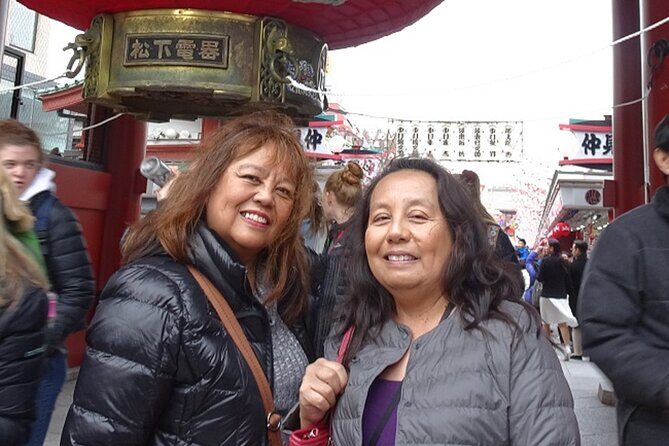
Tokyo Tower is one of those sights that instantly reads Tokyo on a map. It’s 333 meters tall and a standout landmark in the city.
For this tour, the entry limit is specific: you’ll have access to up to the main deck, while the top deck is not included.
That’s not necessarily a downside. The main deck is typically enough for skyline views and photo angles without spending extra money or time. It also gives you a clean “box” for the day: you can commit to Tower time without worrying about ballooning schedules.
A practical tip: plan for queues and timing uncertainty around major attractions in Tokyo. The chauffeur helps with logistics, but you’re still relying on how busy the site is that day. Build in buffer by keeping your remaining stops flexible.
Meiji Jingu Shrine, Takeshita Street, and Shibuya Crossing
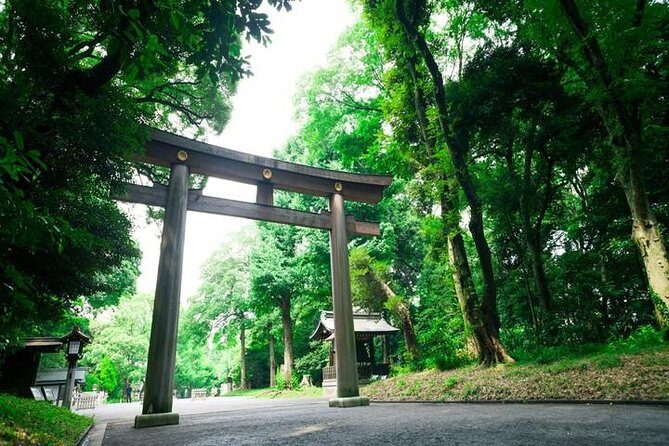
This is where Tokyo shows off its range. In one day you can go from shrine quiet to youth fashion energy to one of the world’s most famous crossing crowds.
Meiji Jingu Shrine
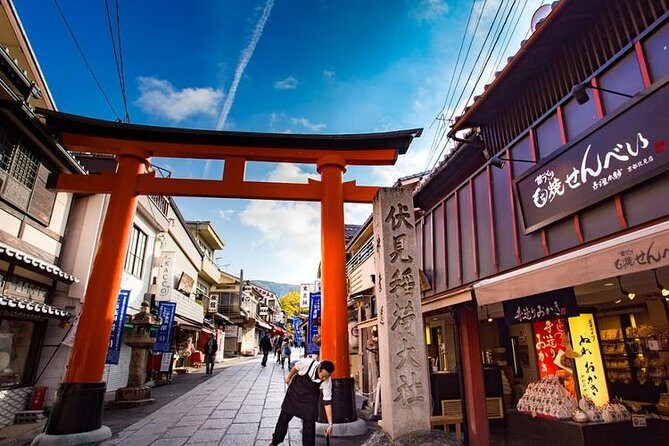
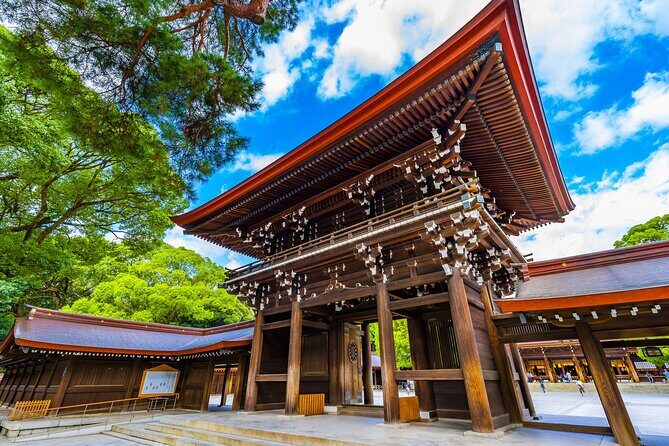
Meiji Jingu Shrine is dedicated to Emperor Meiji and Empress Shōken, and it’s a Shinto shrine with a calm, respectful feel.
This stop is marked at about 1 hour, and it’s a good use of time because it doesn’t require you to climb stairs or sprint. It’s also free to visit within the planned experience.
I like adding a shrine stop because it gives your day contrast. Tokyo is intense; having one place where you naturally slow your pace makes the rest of the itinerary more enjoyable.
Takeshita Street
Then you swing into Harajuku around Takeshita Street, a hub for teen fashion culture in the Harajuku area near the station.
This is about 30 minutes on the example schedule. It’s short enough to handle even if you’re not into shopping, because you’re mostly there for atmosphere—signs, styles, and the buzz of people-watching.
If you’re traveling with someone who doesn’t like crowds, this is the stop where you might reduce your time or swap it for something calmer from the list, if your operator allows substitutions among the approved sights.
Shibuya Crossing (Shibuya scramble) and Hachiko
Shibuya Crossing is iconic, and locals call it the Shibuya scramble. It’s also associated with the Hachiko statue, the loyal dog symbol that’s easy to find and easy to photograph.
This is another stop where the value is simple: you see Tokyo’s modern pace right in front of you. It’s also a good finale because it sits in a dense transport area, which helps your driver transition you back to your hotel.
If you’re sensitive to crowds, go with the mindset of short-and-sweet. You don’t need to stay at the crossing forever to get the experience.
How to handle the no-local-guide setup (language, walking, and lunch pressure)
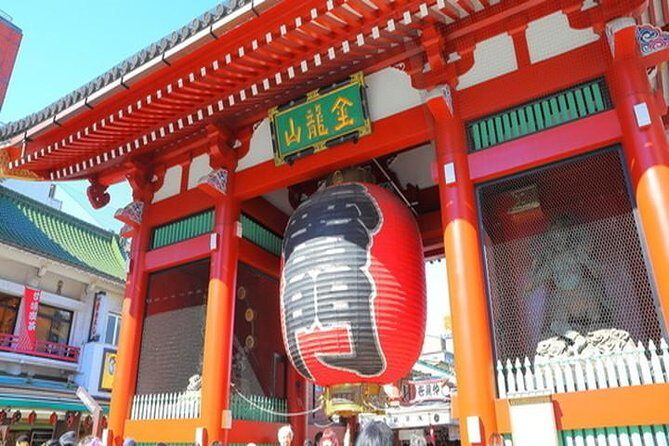
Because this tour uses a driver-only model, the biggest variable is communication. In some cases, drivers have been described as helpful and cheerful, including support with navigating and translating when needed.
But English ability can be inconsistent. I’ve seen situations where the driver’s English was barely enough to understand instructions. I’ve also seen cases where a driver was friendly but communication required more effort than expected.
So here’s how to protect your day:
- Share your plan in advance with a short written list of the 3 to 4 stops you want.
- Use a translation app for key phrases like parking, restrooms, and timing. Keep it simple.
- Ask for a mid-day checkpoint: after your first stop, confirm what time you’re likely to finish.
Walking is the other practical issue. Even when the driving is excellent, some stops naturally involve walking corridors and moving through crowds. One example issue described difficulty for a spouse due to the walking volume, not the driving. If mobility is a factor, choose stops that feel manageable for your pace and ask your driver for a realistic plan early.
Food can also get awkward with no guide. One report described the driver joining lunch plans without being invited and trying to persuade the group to eat at a sushi restaurant he preferred. This isn’t something you can fully control, but you can steer it by making your lunch preference clear early: whether you want to eat independently, and what kind of place you want.
Bottom line: you don’t need to be an expert in Tokyo logistics to enjoy this. You just need to be proactive about communication and pacing.
Group size, vehicle choice, and comfort matters more than you think
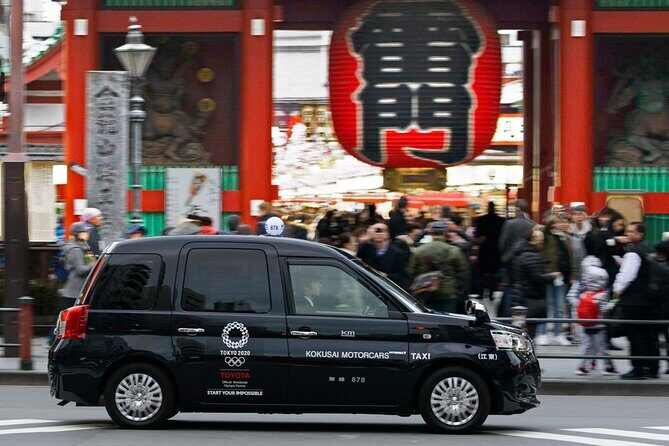
Your vehicle can be a van or minivan that accommodates groups up to eight people, though the price is for up to five per group.
That means you can end up with a roomy ride even with a small group, which is a real comfort benefit during long city days. Tokyo traffic and stop-and-go travel can wear you out. Having space to relax between stops makes the sightseeing feel less frantic.
There are also car-seat considerations. There are only a limited number of car seats and booster seats, and rear-facing car seats are not available. If you’re traveling with a child who needs one, you must contact the provider directly. This is worth doing early so you don’t end up scrambling last minute.
Service animals are allowed, which is good to know for travelers with accessibility needs.
Who this tour suits best (and who should rethink it)
This tour fits best if you want:
- A private day without the stress of route planning
- A flexible itinerary with 3 to 4 core sights
- Hotel pickup and drop-off so your day starts smoothly
- An option that works well for small groups who prefer their own pace
It may be less ideal if:
- You need detailed, guided explanations at every stop (since there’s no licensed local English-speaking guide)
- Your group has tight mobility needs and you can’t handle walking at multiple stops
- You expect perfect English with deep commentary (since the driver is the only English support)
If you’re the type who likes to ask questions as you go, you’ll do well—just bring your questions. If you want someone to do most of the talking, you might prefer a guided alternative.
Should you book this 6-hour Tokyo chauffeur tour?
I’d book it if your top goal is a smooth, private Tokyo day where you control the pace and you’re happy to do some of the learning yourself at each stop. The hotel pickup, the custom stop selection, and the fact that Tokyo Tower and Imperial Palace have clear participation limits make it easier to plan a satisfying day without overstuffing your schedule.
I would hesitate if English communication quality is a deal-breaker for you, or if walking distances are likely to be tough for your group. In those cases, consider asking specific questions in advance about the driver’s English level and confirming how they handle rest breaks.
If you can balance flexibility with planning, this is one of those tours that can feel like a friend who knows how to get you from place to place—while you decide what matters most in Tokyo.
FAQ
Is there a licensed local English-speaking guide included?
No. This tour includes an English-speaking driver, but it does not include a licensed local English-speaking guide.
Can I choose which sights to visit?
Yes. You design your own itinerary by choosing 3 to 4 sights from the provided list of what to expect.
Does the tour include hotel pickup and drop-off?
Yes. Hotel pickup and drop-off are included.
What parts of the Imperial Palace and Tokyo Tower are included?
The tour does not include access inside the Imperial Palace. For Tokyo Tower, it includes access only up to the main deck, not the top deck.
How big is the vehicle and what’s the group limit?
A van or minivan can accommodate groups up to eight people. The tour price listed is per group up to five.
Are car seats available for children?
There are only limited car seats and booster seats available, and rear-facing car seats are not available. You need to contact the provider directly if you need them.