REVIEW · KOBE
KOBE, SHIOYA, a quaint fishing town walking tour
Book on Viator →Operated by face to face · Bookable on Viator
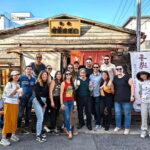
Shioya’s calm feels miles from crowds. I love the harbor views and the easy chatting with locals with guide Sumile, and that makes the whole 3 hours feel personal. The main catch is the outing depends on good weather, so plan with a flexible mindset.
This is a small-group walk (max 10 people) with a mobile ticket, starting and ending at Shioya Station. It’s a practical day-trip length too, since it takes about 15 minutes from JR Kobe Station and about 40 minutes from Osaka by train.
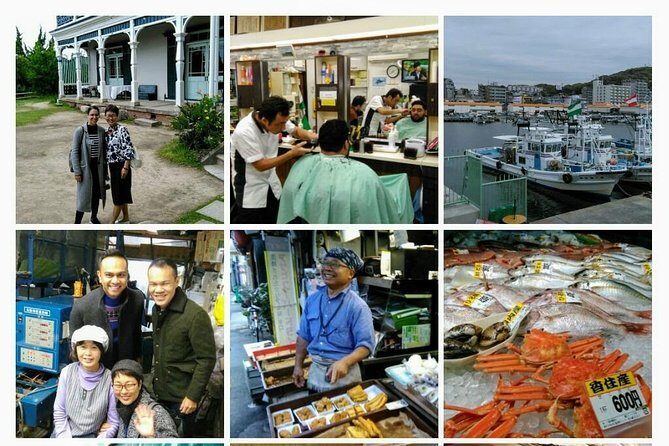
You’ll start at the harbor for big-photo scenery like Mt Rokko, Awaji Island, the Pearl Bridge, and even Kansai Airport across the sea on a clear day. Then you’ll move through a tunnel into Shioya town for real day-to-day life—things like a classic barbershop with 100+ years of history, plus a tatami workshop and the heritage Old Guggenheim House when they’re open.
In This Review
- Key things that make this walk worth your time
- Shioya in Three Hours: Why This Walk Works
- Finding the Harbor: Mt Rokko, Awaji and Pearl Bridge Views
- Nori at the Factory Edge: When the Seaweed Shop Moment Happens
- The Old Guggenheim House: Colonial Architecture Over the Shioya Coast
- Through a Tunnel Into Daily Routine: Barber Shop and Tatami Craft
- Snacking Like a Local: Coffee Stops and Small Treats
- How Far Is It, and What Should You Wear?
- Price and Value: What $98.93 Buys in Shioya
- Who Should Book This Shioya Walk
- Should You Book This Tour? My Bottom Line
- FAQ
- Where does the tour start and end?
- How long is the Shioya walking tour?
- How big is the group?
- What views will I see at the harbor?
- Is the nori/seaweed factory visit guaranteed?
- Is the ticket digital?
- What happens if the weather is bad?
Key things that make this walk worth your time
- Mt Rokko and Awaji Island harbor views that feel cinematic on a sunny morning
- Nori/seaweed factory chance in season (Dec–Mar, weather-dependent) with outlet-price shopping
- Old Guggenheim House stop (free admission) on a hill overlooking the coast
- A guided chat-focused route built around people, not just sights
- Seasonal local businesses like a 100+ year barbershop and a tatami factory when open
- Snack-and-drink breaks paced so you actually talk with the town, not rush past it
Shioya in Three Hours: Why This Walk Works
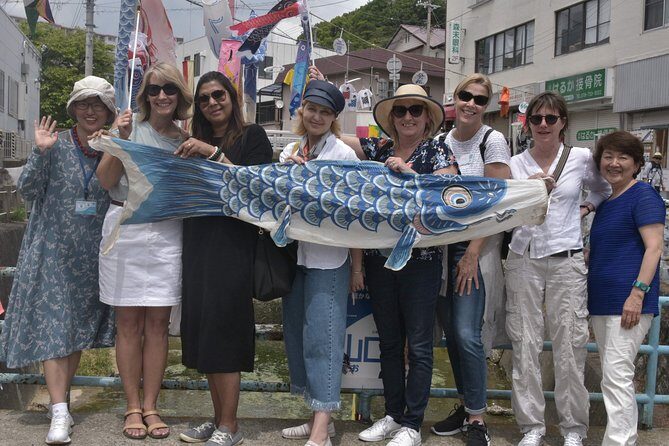
This walk works because it’s built for conversation. You’re not sprinting from photo spot to photo spot; you’re walking through Shioya while your guide, Sumile, shares what daily life looks like here and helps you connect with locals in a comfortable way.
The group size matters. With a maximum of 10 people, questions don’t get swallowed. You can slow down when something grabs your attention, like how the town looks from the coast or what people do during a normal day.
The other thing I like is that it’s not trying to perform tourism in a costume. Shioya is a peaceful fishing village in a valley, and the route reflects that rhythm—harbor first, then the town life—so you feel the contrast as you walk.
You can also read our reviews of more walking tours in Kobe

Finding the Harbor: Mt Rokko, Awaji and Pearl Bridge Views
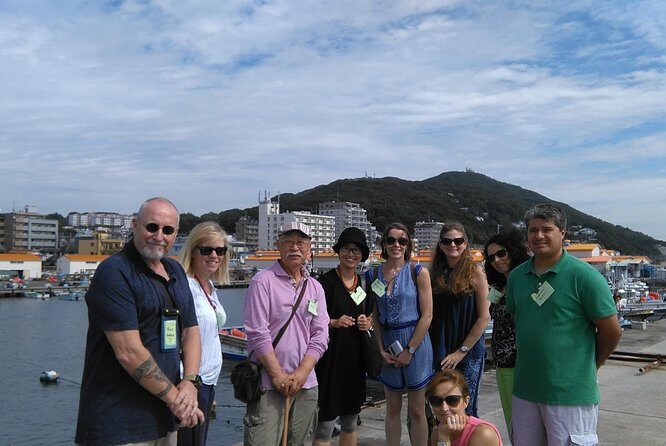
You start at Shioya Station, and the route quickly pushes you toward the water. That’s smart. Harbor time gives you wide angles, fresh air, and those long sightlines that make coastal Japan feel bigger than it is.
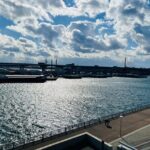
On a sunny day, you get a stack of recognizable landmarks to look for: Mt Rokko, Awaji Island, and the Pearl Bridge. The view can even stretch to Kansai Airport across the sea, depending on conditions. It’s the kind of moment where your camera is busy, but so is your brain—because it looks like the Kansai region is all talking to itself across the water.
One practical tip: wear something comfortable and bring a light layer. Coastal mornings can swing from bright to cool fast, even when the sky is clear.
Nori at the Factory Edge: When the Seaweed Shop Moment Happens
One of the most memorable parts here is the chance to visit a nori (seaweed) factory, but it’s seasonal. The seaweed factory is said to open from December to March, and whether you can see it depends on weather.
If it’s open, you also get a practical bonus: you can buy nori at an outlet price. That’s not a souvenir gimmick. It’s closer to tasting the local supply chain—how the sea turns into something you actually eat at home.
Even if the factory isn’t operating on your date, the walk still keeps the theme of sea life in front of you. The whole area makes sense once you’ve seen how closely food, work, and the shoreline connect.
The Old Guggenheim House: Colonial Architecture Over the Shioya Coast
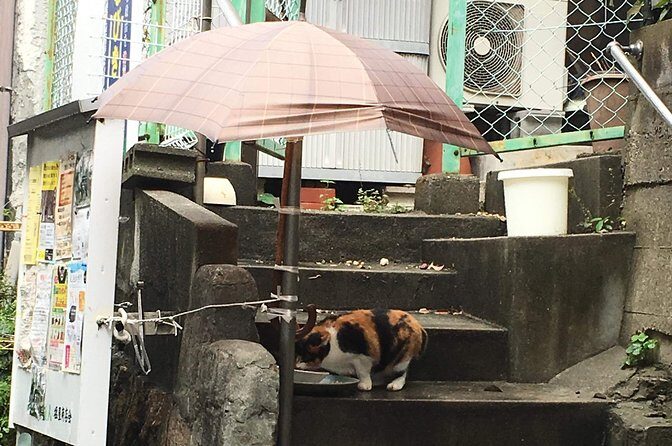
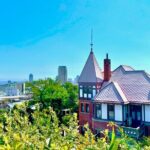
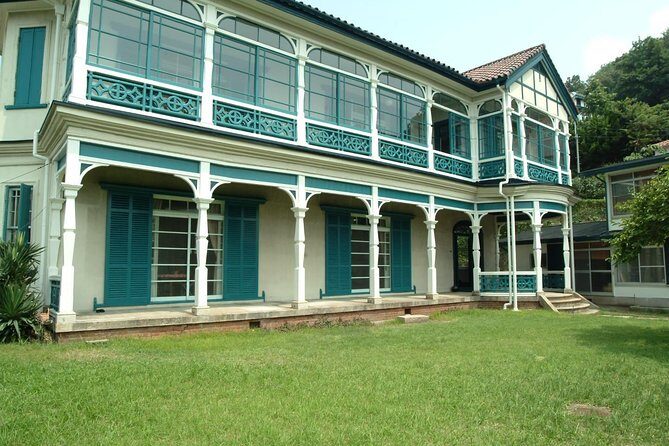
The tour includes a quick visit to the Old Guggenheim House—a colonial-style Western building on a coastal hill with views over Shioya Bay. The time you spend here is short (about 10 minutes), and admission is free.
Why include a building like this on a fishing-town walk? Because it adds an extra layer of history and contrast without needing a museum ticket. You’re in a working village, then you step near architecture that signals outside influence from another era. The result feels less like a lesson and more like a real place where different eras coexist.
If you’re the type who likes details, look around the viewpoint and imagine the town from that elevation. It’s a different perspective than you get at the harbor.
Through a Tunnel Into Daily Routine: Barber Shop and Tatami Craft
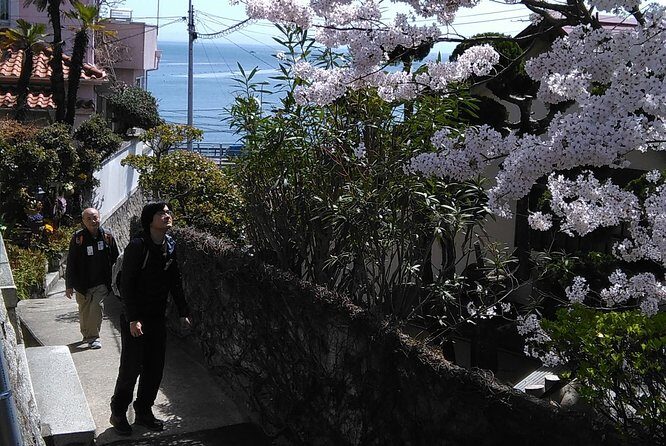
After the harbor, you’ll head through a tunnel into Shioya town. I like this part because it changes the feel fast. The view narrows, the pace gets more local, and the focus shifts from scenery to people and small businesses.
Depending on openings, you may see or visit places like:
- A barbershop with 100+ years of history
- A tatami factory
- Other local stops that are available only when they’re operating
The key word here is when open. That’s normal for town life. Hours aren’t built around tour schedules, and that’s exactly why this walk feels more authentic than a checklist route.
If you’re visiting on a weekday morning, your odds of hitting more open-door moments are usually better on any walking tour like this—just keep your expectations flexible.
Snacking Like a Local: Coffee Stops and Small Treats
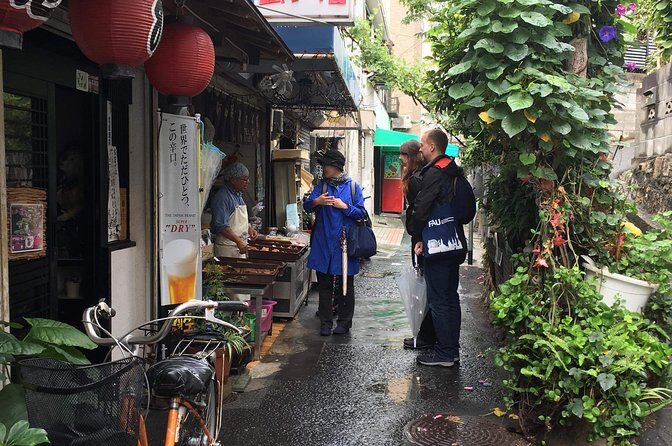
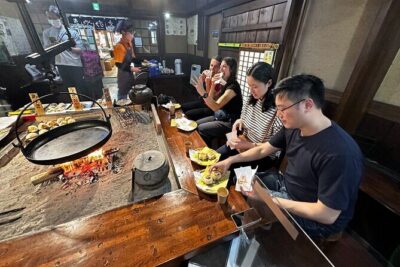
This is a food-and-chat experience, not a sit-down restaurant tour. Along the walk, you’ll have local snacks and drinks with time to talk. That matters because in Shioya, the food isn’t an add-on. It’s part of how people share everyday life.
In practice, many departures include a traditional café stop, and the experience is described as including time for coffee and even lunch at a small local coffee shop. So while you shouldn’t plan this as a full restaurant meal guaranteed every day, you can reasonably expect to leave fed and happy.
A good move: pace yourself. Take a small bite, then talk. The tour format is designed so you don’t feel rushed while you’re tasting.
How Far Is It, and What Should You Wear?
The tour runs about 3 hours. You’re walking, with multiple short stops, and it’s best approached like a comfortable neighborhood stroll rather than a hike.
Because the experience depends on weather, plan for the real world:
- Comfortable walking shoes
- A light rain layer if your forecast looks uncertain
- Sun protection if it’s bright at the harbor
Also, the meeting point and end point are the same: back at Shioya Station. That keeps things simple, especially if you want to eat afterward or continue exploring Kobe.
Price and Value: What $98.93 Buys in Shioya

At $98.93 per person, this isn’t a budget snack walk. But for what you’re getting, it can still feel like solid value—especially if you care about meeting real people and getting local context.
Here’s where the value comes from:
- A local guide (Sumile) focused on conversations and daily life, not just narration
- A small group setting (max 10), which increases the odds of meaningful exchanges
- Multiple place-based moments: harbor viewpoints, a free Old Guggenheim House stop, and town-business visits when open
- Food and drink tastings included as part of the flow
- A seasonal chance to see the nori factory and buy nori at an outlet price (Dec–Mar, weather-dependent)
Timing matters too. The experience is commonly booked about 55 days in advance, which usually signals demand. If you like “get in early” travel planning, this is one to reserve sooner rather than later.
Who Should Book This Shioya Walk
This is ideal if you want:
- Off-the-beaten-track Japan with an actual community feel
- A guided walk where you can ask questions and talk to locals
- Coastal views plus everyday culture in one morning
- Food experiences that come from places people actually use
It’s also a good fit for visitors who find big-city sightseeing tiring. Shioya gives you space to slow down. If you’re chasing constant motion and nonstop attractions, you might prefer a more packed itinerary. But if you want calm, conversation, and a real rhythm, you’ll likely love this.
Should You Book This Tour? My Bottom Line
Book it if you’re excited by the idea of a small fishing village walk, harbor views with landmarks like Mt Rokko and the Pearl Bridge, and a guide like Sumile who focuses on people as much as places.
Hold off or choose another option if you want guaranteed indoor stops or you’re traveling during a time when you can’t be flexible with weather. Since the experience requires good conditions, cloudy/rainy days can affect what you can see—especially the nori factory piece in winter.
If your travel style is “I want Japan that feels lived-in,” this is an easy yes. It’s the kind of morning that sticks because you remember faces, not just photos.
FAQ
Where does the tour start and end?
It starts at Shioya Station (1 Chome-2 Shioyacho, Tarumi-ku, Kobe, Hyogo 655-0872, Japan) and ends back at the same meeting point.
How long is the Shioya walking tour?
The duration is about 3 hours.
How big is the group?
The experience has a maximum of 10 travelers.
What views will I see at the harbor?
You’ll enjoy photogenic harbor views on a sunny day, including Mt Rokko, Awaji Island, the Pearl Bridge, and potentially Kansai Airport across the sea.
Is the nori/seaweed factory visit guaranteed?
It depends on the season and conditions. The seaweed factory is mentioned as opening from December to March, and it’s also described as weather-dependent.
Is the ticket digital?
Yes. You receive a mobile ticket.
What happens if the weather is bad?
The experience requires good weather. If it’s canceled due to poor weather, you’ll be offered a different date or a full refund.
If you tell me your travel dates (and whether you’re coming from Osaka or staying in Kobe), I can help you gauge whether the nori factory timing is likely to work for your day.