REVIEW · TOKYO
Tokyo: Meiji Jingu Cultural Walking Tour with Japanese Historian
Book on Viator →Operated by Ryota · Bookable on Viator
Tokyo can feel overwhelming.
This Meiji Jingu cultural walking tour turns the shrine visit into a story about Shinto—with a Japanese student historian guiding the walk. What I liked most is that it’s not a photo sprint. It’s built for understanding: why the shrine still matters, what’s behind the rituals and spaces, and how Shinto ideas show up in daily Japanese life.
I really like the way the guide brings the topic down to Earth. You’ll get clear English explanations of key Shinto concepts like kami, plus why Meiji Jingu was built and who it enshrines. The second big win for me is the relaxed pace and personal interaction from a small group/private format—plus the guide genuinely welcomes questions.
One possible drawback: if you’re the type who wants lots of stops, fast sightseeing, or a highly photo-focused route, this may feel more like a thoughtful lesson at one place than a big tour day. Also, it’s about 2 hours, so you’ll want to arrive with curiosity, not just a checklist.
In This Review
- Key things to know before you go
- Why Meiji Jingu feels different once you understand Shinto
- Meeting near Harajuku: a tour that starts where you already are
- Entering Meiji Jingu: the 90 minutes that make the whole shrine click
- What you may hear from the guide (real examples from the experience)
- The big ideas: kami, rituals, and sacred spaces (translated into everyday sense)
- Time, pace, and how the “one place” focus helps (not hurts)
- Price and value: $19.55 for a guided cultural explanation
- Who should book this tour (and who might skip it)
- Practical tips to get more out of your Meiji Jingu walk
- Should you book this Meiji Jingu Shinto cultural walking tour?
- FAQ
- FAQ
- How long is the Meiji Jingu cultural walking tour?
- What does the tour cost and what’s included?
- Where does the tour start?
- Is it a private tour?
- What language is the tour in?
- What is the cancellation policy?
Key things to know before you go
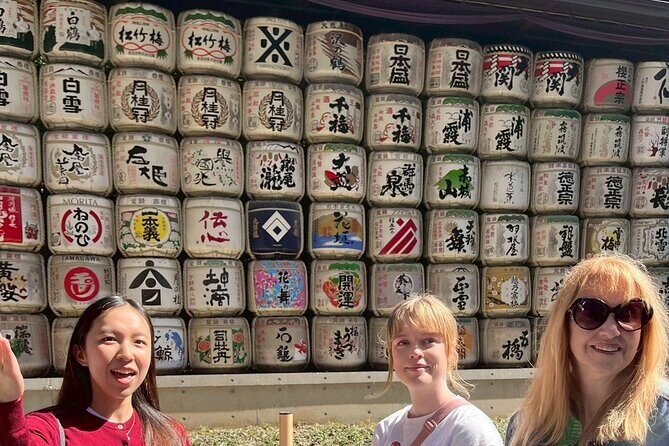
- A private or small-group format keeps questions easy and the pace calm
- English explanations by Japanese student historians help you understand Shinto beyond the basics
- Admission is included as you explore Meiji Jingu’s grounds with a trained guide
- Focus is cultural understanding, not photo ops and rapid-fire sightseeing
- Start is near Harajuku so you can combine it with a day in that neighborhood
- Mobile ticket makes arrival straightforward
Why Meiji Jingu feels different once you understand Shinto
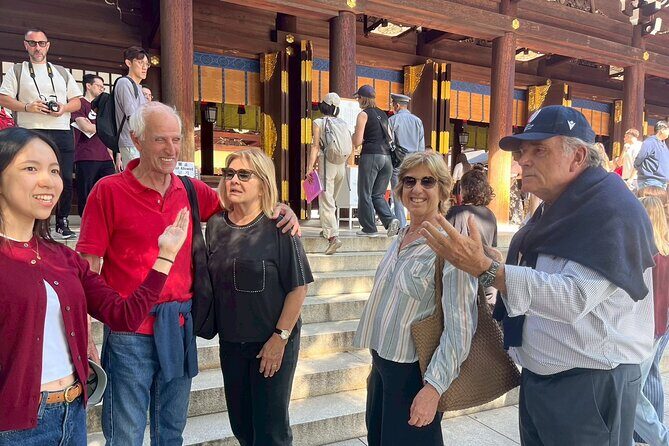
Meiji Jingu is one of those places where your brain instantly says calm down. Big trees, quiet footpaths, and that layered feeling that you’re not just visiting a landmark—you’re stepping into something that still matters. But the real payoff of this tour is what happens after that first impression.
The guide helps you connect the dots between the shrine and Shinto. You’ll learn core Shinto ideas like kami, along with how Shinto links nature and ancestors and why shrines are more than old buildings you pass by. Instead of treating Shinto like a museum topic, the tour frames it as a living way of thinking that influences what people value and how they behave.
That matters because Tokyo can be very modern in your face. Streets, neon, trains—fast. Meiji Jingu slows everything down, and the tour makes that contrast feel purposeful, not random.
You can also read our reviews of more walking tours in Tokyo


Meeting near Harajuku: a tour that starts where you already are
This is an easy meeting setup if you’re staying around Shibuya/Harajuku. The start point is WITH HARAJUKU (1-chōme-14-30 Jingūmae, Shibuya, Tokyo 150-0001), and the tour ends back at the meeting spot.
A couple practical notes that will help you enjoy the walk:
- You’re using a mobile ticket, so have it ready on your phone.
- The meeting point is near public transportation, so you’re not stuck planning a long trek just to begin.
- You’re not joining a huge crowd. The format is private for your group (so you won’t be herded into a noisy mass).
In the reviews, guides were described as warm and attentive, and even when the information got detailed, the tone stayed friendly. I like that mix for a cultural tour: you want clarity, but you also want the guide to feel like a real person you can ask things of.
Entering Meiji Jingu: the 90 minutes that make the whole shrine click
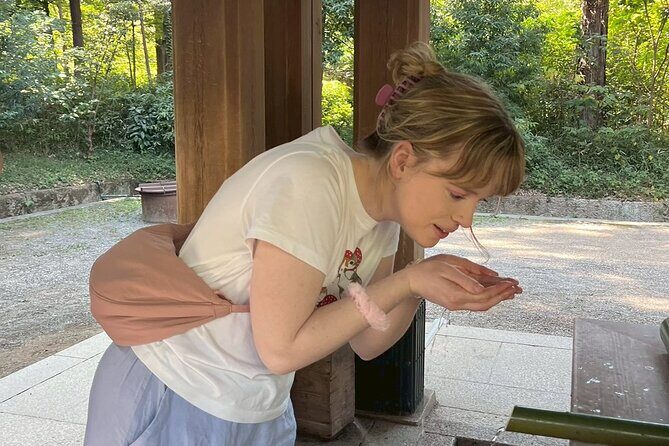
The main stop is Meiji Jingu Shrine. Plan on about 1 hour 30 minutes exploring the grounds with your guide, with admission included. In other words, you’re not rushing through a long list of sights. You’re spending real time where the meaning lives.
Here’s what the guide helps you notice during the walk:
- What a Japanese shrine is, and why it functions the way it does
- Why Meiji Jingu was built and what it enshrines
- How the shrine reflects Shinto ideas through ritual, architecture, and sacred space
- How those ideas connect to Japanese values that show up in everyday life, not just religious practice
That last point is the one I found most useful. It’s easy to go to a shrine, nod, and move on. This tour gives you a mental framework so you can see what you’re looking at without feeling lost.
Also, the experience is described as calm and refreshing, with plenty of greenery around you. That matters for learning. If you’re stressed or distracted, you miss the small details that make the explanation land. The setting helps you focus.
What you may hear from the guide (real examples from the experience)
In past guide teams, names like Noriko and Shota came up in feedback, and their teaching style was described as clear and friendly, with good English. That’s a strong sign the tour is designed for visitors who want both accuracy and accessibility.
The guide is trained for this specific site—there’s mention of being trained by Meiji Jingu, which is exactly what you want when you’re learning about why a particular shrine is the way it is. A generic “Tokyo tour” guide might give you facts. A guide trained for Meiji Jingu can connect those facts to the physical place you’re walking through.
The big ideas: kami, rituals, and sacred spaces (translated into everyday sense)
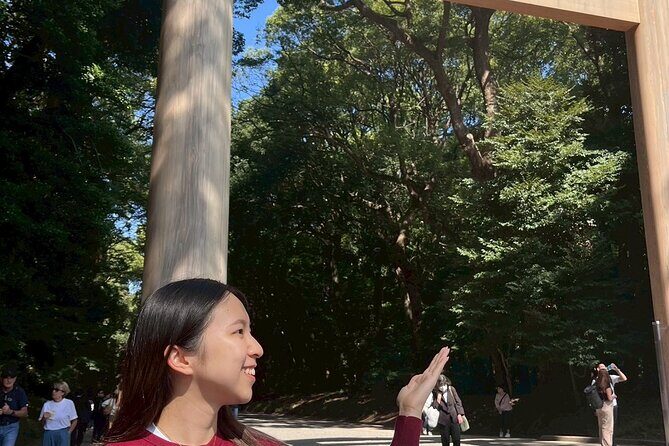
Shinto can sound vague if someone explains it only at a headline level. Kami. Nature. Ancestors. Spiritual energy. You can nod and still feel like you’re missing the point.
This tour tackles that head-on. You’ll go beyond definitions and learn why Meiji Jingu matters to Japanese people today. That’s not just spiritual-sounding language. It’s about understanding what people are doing and why they’re doing it, and what those actions reflect culturally.
You’ll also learn how Shinto shapes ideas that show up in daily life. That’s the difference between religion-as-history and religion-as-current-life. The tour is explicitly framed around Shinto’s influence on values, so you’re not left wondering how to connect a shrine visit to the Japan you’re actually experiencing on the street.
And yes, rituals and architecture come up. The guide explains the meaning behind what you see, so the shrine doesn’t become a series of pretty structures you can photograph but not interpret.






Time, pace, and how the “one place” focus helps (not hurts)
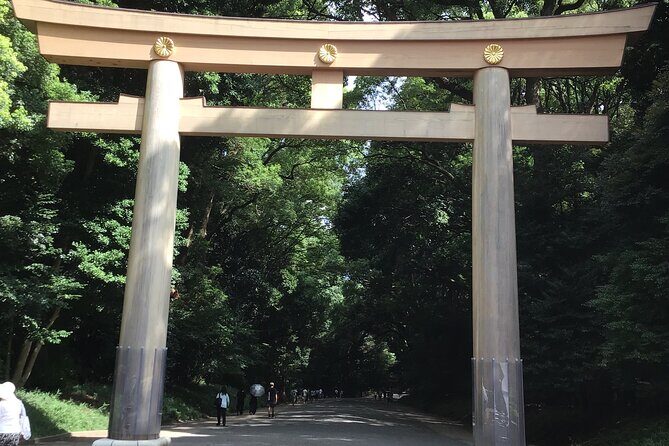
A lot of Tokyo tours feel like a timer race: arrive, photograph, shuffle, repeat. This one flips that. With about 2 hours total, and a big chunk of it spent at Meiji Jingu, you get time to actually absorb the explanations instead of cramming.
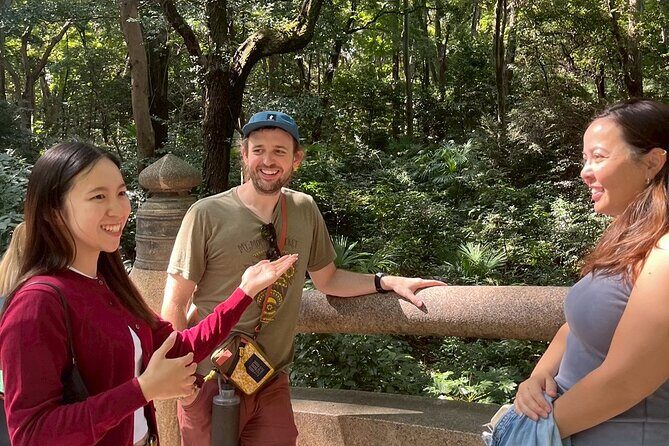
The small-group/private format is part of that. When you’re not sharing attention with a large crowd, you can ask follow-up questions without feeling like you’re interrupting. That’s a big deal if Shinto is new to you and you keep running into the same questions: What does this symbolize? Why is this set up this way? How should I interpret what I’m seeing?
Also, because the tour doesn’t revolve around constant photo stops, you can take the explanations seriously. You’re still free to look around and notice details, but the goal stays learning-focused.
The tradeoff is straightforward: you’re not getting a big multi-stop route. If your ideal day is stacking different neighborhoods and landmarks, you’ll probably want to pair this with other plans before or after. But if your ideal day is understanding one major site well, this fits nicely.
Price and value: $19.55 for a guided cultural explanation
At $19.55 per person, this tour is priced in a way that feels made for value-minded travelers. You’re not paying for a transportation-heavy day. You’re paying for a trained guide experience, delivered in English, for about 2 hours.
Two things make that price feel reasonable:
- Admission is included, which reduces the “tour price vs. what you actually get” mismatch you sometimes see.
- You’re paying for cultural context, not just access to a site. The tour is designed to explain why Meiji Jingu still matters, not just to tell you it exists.
One more detail that supports the value: it’s commonly booked about 42 days in advance, which suggests a steady demand for this type of guided understanding. That can be a good sign for reliability, but it also means you’ll want to reserve ahead if your dates are firm.
Who should book this tour (and who might skip it)
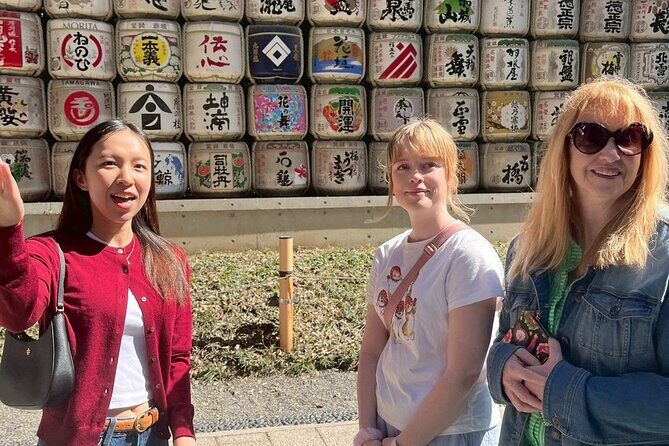
I think this tour is a great fit if:
- You’re visiting Tokyo for the first time and want one spiritual/cultural anchor site
- You care about Japan’s identity—how tradition connects to modern values
- You want Shinto explained clearly in English, with room for questions
- You prefer a slower, guided walk over a checklist of stops
You might consider skipping or pairing it with other plans if:
- You want a long, multi-location sightseeing itinerary
- You mainly want photo moments and don’t care about explanations of rituals/meaning
- You’re short on time and need to pack multiple neighborhoods into one day
Practical tips to get more out of your Meiji Jingu walk
You’ll likely enjoy the tour more if you show up ready to slow down.
- Wear comfortable walking shoes. You’re spending real time on shrine grounds.
- Bring a curious mindset. If Shinto concepts like kami are new to you, the guide can help you organize them.
- Use the question time. If something feels confusing—like how rituals connect to values—ask. That’s part of what the tour is built to support.
- Plan your day so you’re not rushed afterward. Two hours goes fast when you’re listening well, and you may want time to continue exploring nearby areas on your own.
Should you book this Meiji Jingu Shinto cultural walking tour?
Yes, I’d book it if you want a calmer, smarter way to visit one of Tokyo’s most important spiritual sites. The strongest reason is the approach: it’s not just about seeing Meiji Jingu—it’s about understanding the Shinto framework that makes the shrine make sense. Add in the English guidance, the focus on meaning behind rituals and sacred spaces, and the private/small-group feel, and the value gets even easier to justify.
I’d hold off only if you’re chasing a packed sightseeing schedule or you only want photo-friendly stops with minimal talking. If that’s your style, you can still visit Meiji Jingu on your own—but with this tour, you’re paying for the explanations that turn a pretty shrine visit into real understanding.
FAQ
FAQ
How long is the Meiji Jingu cultural walking tour?
It’s about 2 hours total.
What does the tour cost and what’s included?
The price is $19.55 per person, and admission is included for the Meiji Jingu visit.
Where does the tour start?
The meeting point is WITH HARAJUKU, 1-chōme-14-30 Jingūmae, Shibuya, Tokyo 150-0001, Japan.
Is it a private tour?
Yes. It’s private for your group, so only your group participates.
What language is the tour in?
The walk is guided in English.
What is the cancellation policy?
You can cancel for a full refund up to 24 hours before the experience’s start time.