REVIEW · TOKYO
Tokyo: Super Local Private E-bike Cycling Tour from Asakusa
Book on GetYourGuide →Operated by Tokyo Bike Bliss · Bookable on GetYourGuide
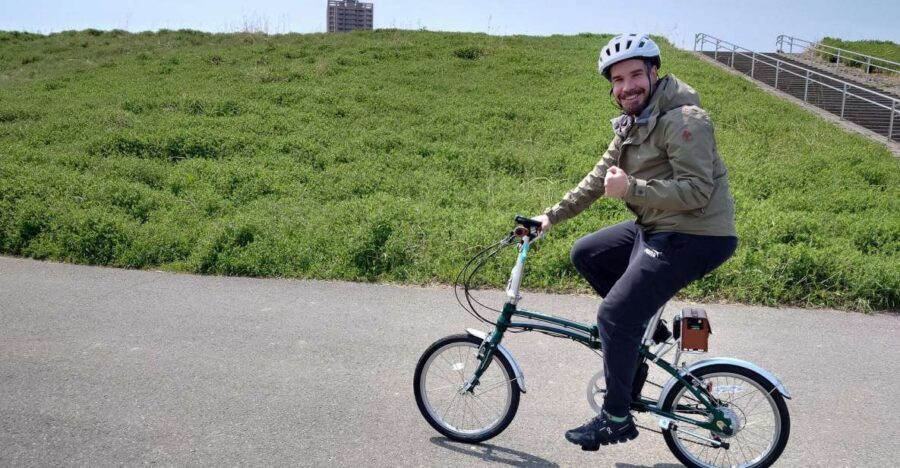
Cycle Tokyo where the crowds thin fast. This private e-bike tour from Asakusa is built for real neighborhoods, not checklists, and it mixes short sightseeing photo stops with easy riding through backstreets and riverside paths. I also love that it’s your pace: you’re not stuck moving with a big group, and the guide can steer the route toward what you care about.
One important consideration: it’s not for everyone. You must follow the clothing rules (no flip-flops, skirts, or smoking), and the tour isn’t recommended for people heavier than 100kg.
In This Review
- Key Things That Make This Tour Worth Your Time
- Why This Asakusa Private E-bike Tour Feels Like Tokyo (Not a Script)
- Getting Started: Asakusa Culture Tourist Information Center Setup
- Kaminarimon and Imado Shrine: The Quick Photo Stops That Set the Tone
- Kaminarimon Gate
- Imado Shrine
- The Middle Photo Stops: Temples, Local Lanes, and City Corners
- Sumida Park and the River Breath: Why This Route Feels Calmer
- Arakawa and Sumidagawa Riverside Sections
- Why the Skytree View Fits Here
- Adachi Fish Market and Market-Energy Streets
- Kitasenju and Neighborhood Life: The Real Payoff of Going Beyond Asakusa
- E-bikes on Tokyo Streets: Easy Riding, Clear Rules
- Who the ride is good for
- The Private Guide Factor: Stories, Humor, and Route Adjustments
- What’s Included and What You Need to Bring
- Included
- Not included
- Price Check: Is $141 Worth a Private 3-Hour E-bike in Tokyo?
- Who Should Book This Tour (and Who Should Skip It)
- Quick Should-You-Book Verdict
- FAQ
- Where do I meet for the tour?
- Is this tour private?
- How long is the experience?
- What’s included in the price?
- What should I bring since food and drinks aren’t included?
- What shoes and clothing are allowed?
- Are there height, weight, or age limits?
- Is there a refund if plans change?
Key Things That Make This Tour Worth Your Time
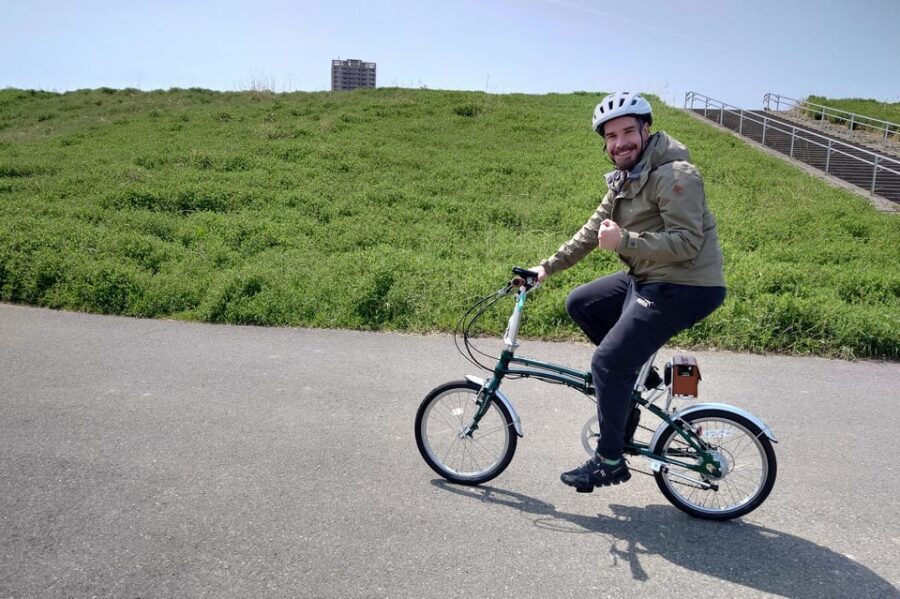
- A super-local route from Asakusa into everyday Tokyo: shopping streets, temple areas, and riverside air.
- Electric assist that keeps the ride relaxed: you pedal, but the bike helps when needed.
- Private means no other guests: you get freedom to slow down, stop, and ask questions.
- Short photo stops that don’t wreck your momentum: sightseeing without dragging out the whole day.
- Riverside sections and Sumida Park breaks: a calmer rhythm after city lanes.
- Guides who mix story and local know-how: guides like Kazuma are known for humor, anecdotes, and adapting stops.
Why This Asakusa Private E-bike Tour Feels Like Tokyo (Not a Script)
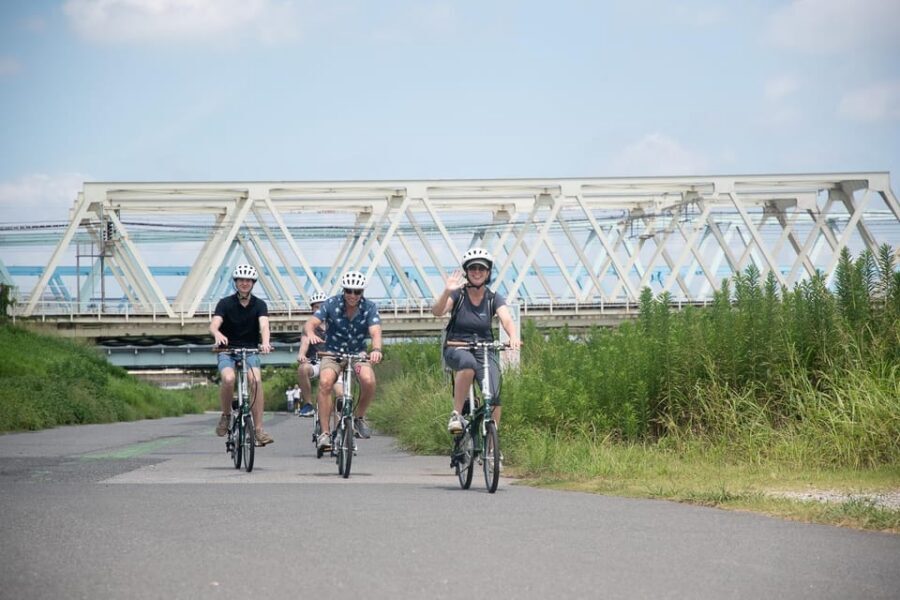
Tokyo can be incredibly good at doing “same-same” sightseeing. This tour takes a different path. You start in Asakusa and then move into areas that feel more like where people actually live their days: small streets, local shopping roads, and pockets of temple and shrine atmosphere.
What’s especially appealing is the blend of sights and movement. You’re not just looking. You’re riding through the city’s layout—how side streets connect, where pedestrians spill out, how the river shapes travel routes. It’s city design in motion, and it makes Tokyo feel more understandable fast.
And yes, the e-bike matters. Tokyo has slopes and bridges, but with motor assist, you can focus on seeing and listening instead of fighting your legs the whole time.
You can also read our reviews of more cycling tours in Tokyo
Getting Started: Asakusa Culture Tourist Information Center Setup
The meeting point is straightforward: Asakusa Culture Tourist Information Center. Plan to arrive a bit early so you can get fitted, settled, and briefed without feeling rushed.
You’ll be provided with the essentials you need for a smooth ride:
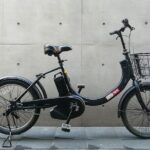
- E-bike
- Helmet
- Safety instruction
- Insurance
- Live guide (English and Japanese)
No hotel pickup is included, so you’ll want to get yourself to Asakusa on your own. This is usually a good thing—less waiting around, more actual time in the saddle.
The operator will contact you by WhatsApp/iMessage/SMS for communication. That’s useful in a city where meeting points can be easy to miss if you’re only using one map app.
Kaminarimon and Imado Shrine: The Quick Photo Stops That Set the Tone
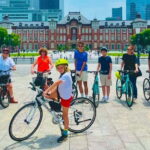
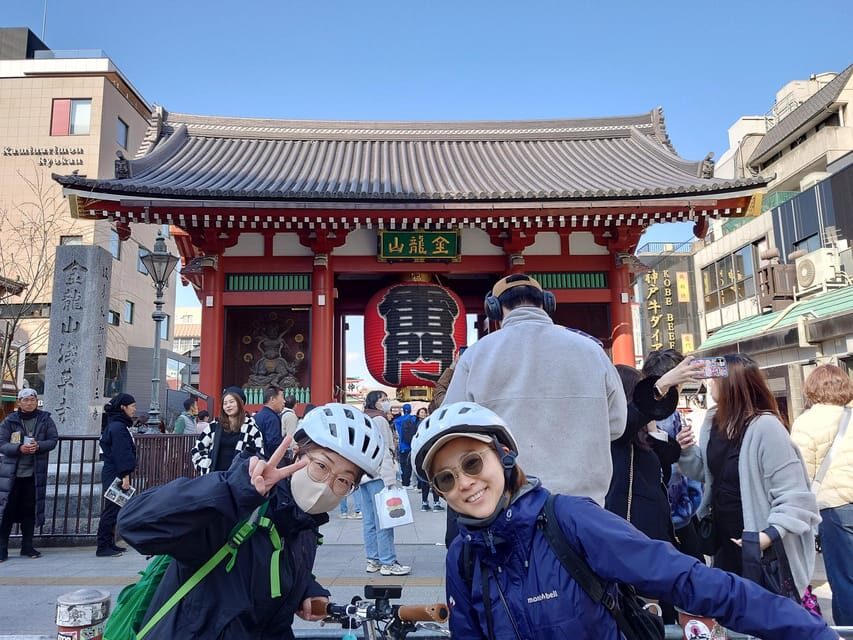
The tour starts with classic Asakusa landmarks, but it doesn’t linger like a museum line.
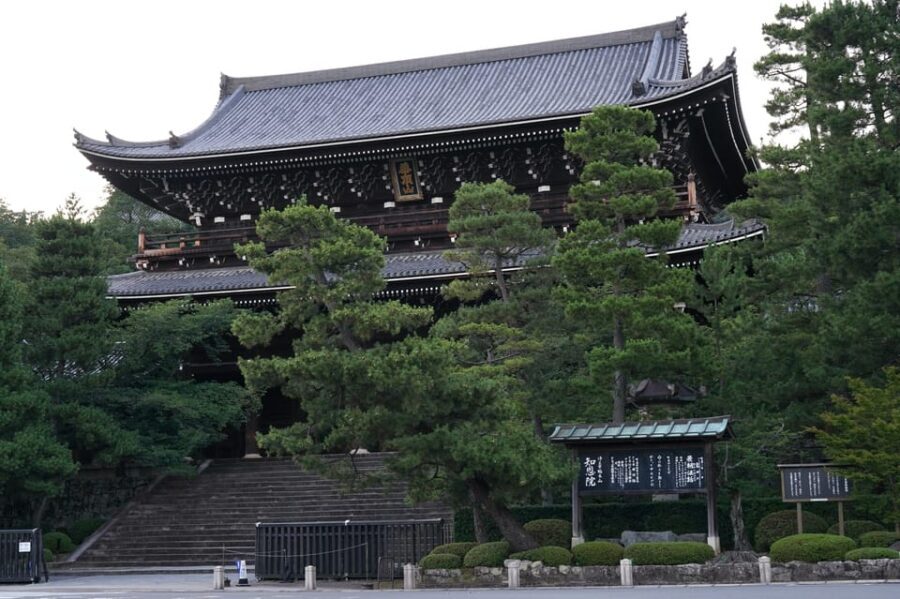
Kaminarimon Gate
You’ll have a short photo stop right at Kaminarimon Gate (about 10 minutes). This is a good “orientation stop”—it helps you get your bearings before you head into the maze of smaller lanes.
Why it’s worth it: You’ll see the gate as a marker, not just a postcard. From there, you can better understand how neighborhoods connect outward from the famous core.
Possible drawback: If you love long temple walks and deep reading time, the first stop is intentionally brief. The point is to move on to quieter streets.
Imado Shrine
Next comes Imado Shrine, also with a photo stop around 10 minutes. Shrines here often have that unmistakable mix of everyday rhythm and ceremonial feel—people pass by, shops turn on, and the street life keeps going.
Why it works on an e-bike day: it gives you culture context early, then you shift into riding while the energy is still high.
You can also read our reviews of more private tours in Tokyo

The Middle Photo Stops: Temples, Local Lanes, and City Corners
After the early Asakusa anchors, you’ll hit several additional photo stops (some around 10 minutes, one around 15 minutes). The exact “which corner, which lane” can vary day to day, but the spirit stays the same: short pauses to capture key visuals, then back onto the bike to keep momentum.
You may encounter places like:
- Matsuchiya Shoden Temple
- areas tied to the Old Red Light District
- and other local shrines/temple zones that don’t dominate tourist brochures
How to think about these stops: Treat them like bookmarks. Each one gives you a snapshot of what makes this part of Tokyo feel distinct—street scale, architecture details, and the way people flow through narrow areas.
A practical tip: No photo/video shooting while cycling. You’ll stop for the camera moments, but don’t plan on recording during motion. If you like video, save it for the stops where you’re allowed to shoot.
Sumida Park and the River Breath: Why This Route Feels Calmer
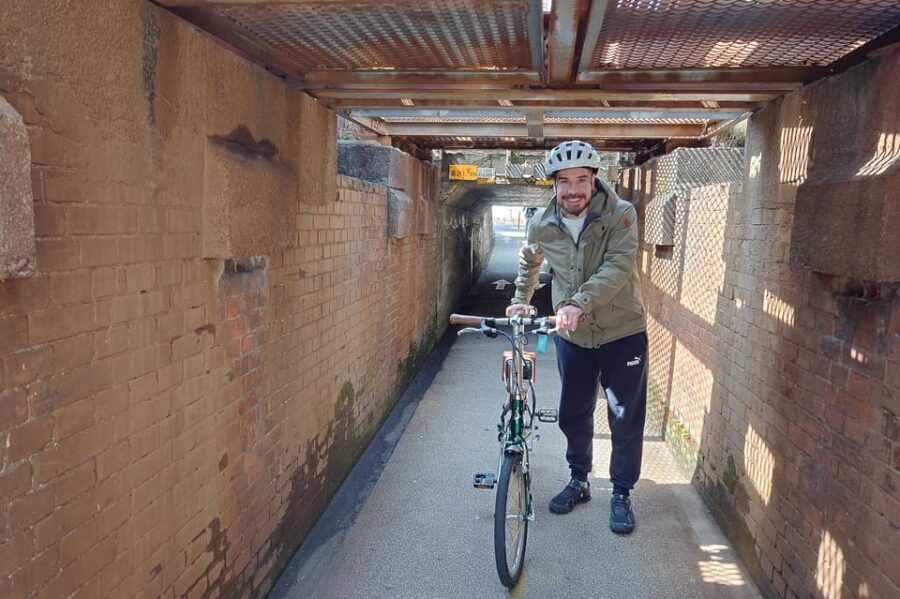
One of the best “mental reset” parts comes later: Sumida Park for a photo stop of about 10 minutes.
Even a short park stop does something important on a bike tour. It lets you catch your breath, smooth out your pacing, and get a clearer sense of Tokyo’s river geography. You’ll also be riding through riverside stretches during the day (including Arakawa Riverside and Sumidagawa Riverside, depending on the route).
Arakawa and Sumidagawa Riverside Sections
These river sections matter because they change the feel of the ride. Streets can be tight and busy; riverside paths usually bring more open air and calmer movement. It’s a break from “stop-and-start” without becoming a slow sightseeing day.
Why the Skytree View Fits Here
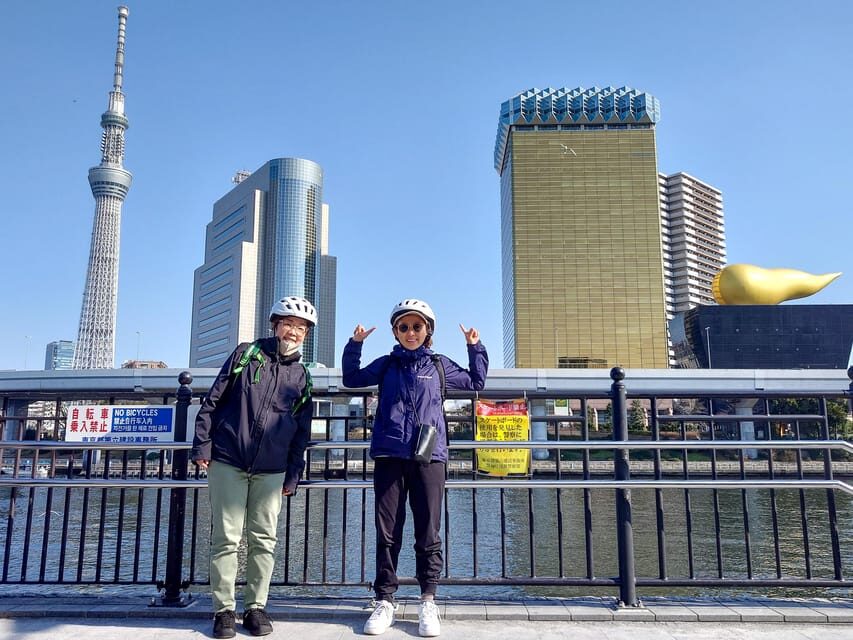
You may also get a chance for a view of Tokyo Skytree. Instead of seeing Skytree only from a distant vantage point, you’re getting a sense of how it sits inside the city’s physical layout—where it appears when you’re moving, not just standing still.
Adachi Fish Market and Market-Energy Streets
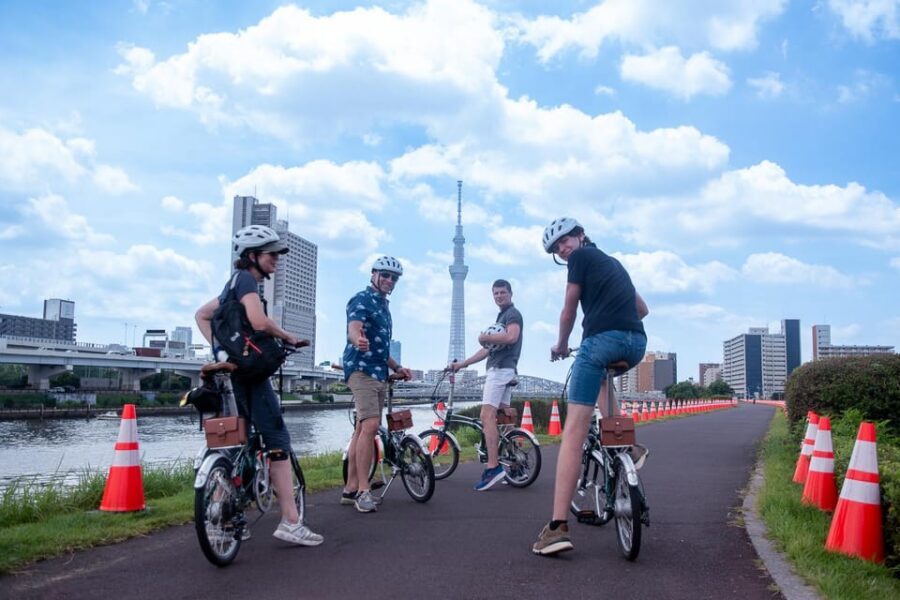
A standout possibility on this ride is Adachi Fish Market. Markets in Tokyo can feel like a different city engine—fast, focused, and full of texture.
What you get from a market stop in a bike tour: You’re not just learning about “food culture” from a guide’s script. You’re seeing how local supply chains show up in everyday neighborhoods—how the market connects to nearby streets and movement patterns.
What to watch for: Market areas can be busy and sometimes visually intense. Since the tour is private and paced, you can spend a moment longer if you want, but you’ll still be working within the overall ~3-hour structure.
And if you’re hoping for snacks: food and beverages are not included. Still, one nice upside of this tour style is that a good guide can point you toward easy, local places to grab something nearby after a stop.
Kitasenju and Neighborhood Life: The Real Payoff of Going Beyond Asakusa
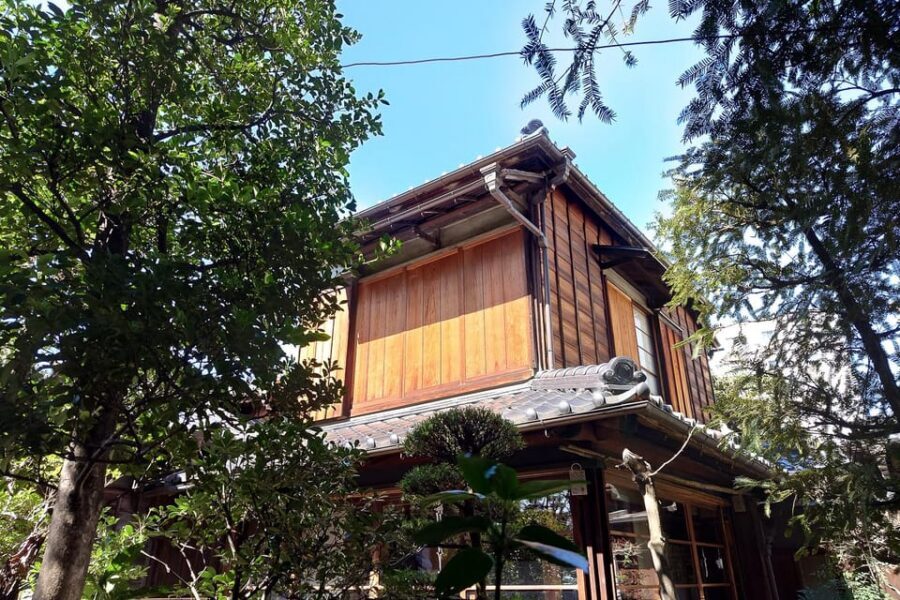
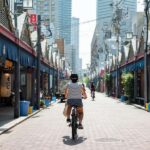
This tour is called Super Local for a reason. A place like Kitasenju (a lively local neighborhood) is the kind of area that often feels far more “Tokyo” than the most famous attractions—less about posing, more about daily life.
You may also cycle through:
- backstreets that most visitors never find on their own
- local shopping streets where you can sense the neighborhood economy
- lanes that connect shrines, small temples, and daily commuting paths
Why this matters: If you’ve only seen Tokyo’s headline sites, you might have trouble picturing how the city actually functions. This tour helps you connect the dots by showing the in-between areas where Tokyo’s character lives.
E-bikes on Tokyo Streets: Easy Riding, Clear Rules
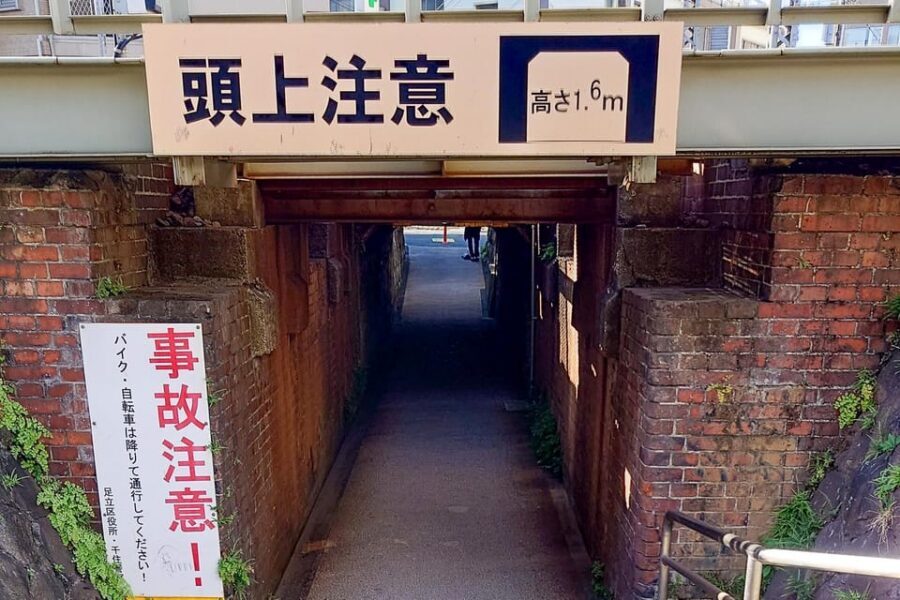
E-bikes make this kind of tour realistic for a lot more people. You pedal, but the motor assist helps when you need it—so you can handle small hills and longer distances without arriving wrecked.
That said, there are real rules. You’re expected to ride safely and follow the operator’s boundaries:
- No smoking
- No alcohol or drugs
- No alcohol in the vehicle
- No high-heeled shoes
- No sandals or flip-flops
- No skirts
These rules aren’t random. They’re about safety and control while riding. You’ll want closed, stable footwear and clothing that doesn’t get tangled or restrict movement.
Who the ride is good for
- Ideal height: 145cm–185cm
- Not suitable for children under 12
- Not good for people heavier than 100kg
If you fit within those ranges, the e-bike is one of the easiest ways to get “neighborhood miles” in a short time.
The Private Guide Factor: Stories, Humor, and Route Adjustments
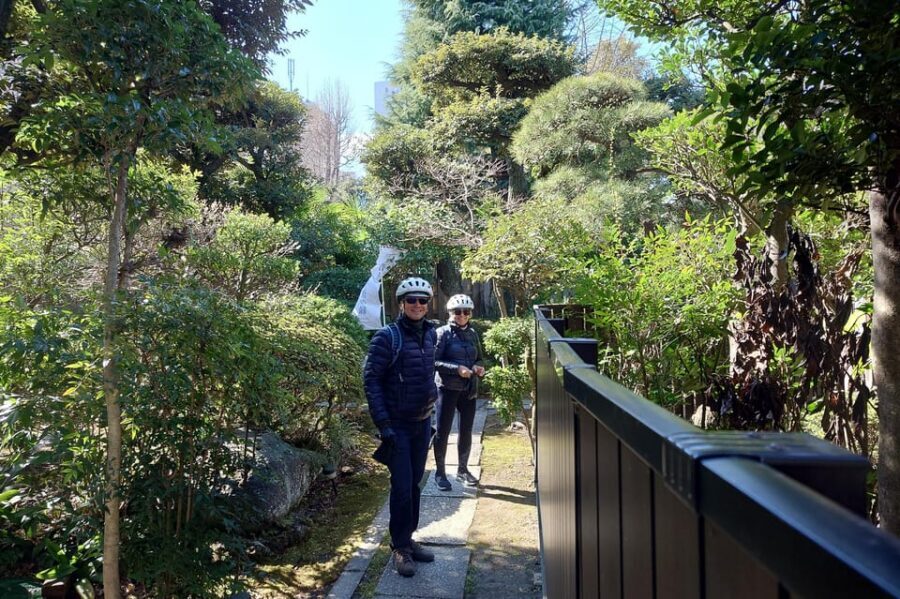
This is a private tour, which changes the whole experience. You don’t just get a guide talking over you; you get a guide working with your interests.
Guides such as Kazuma are described as kind and funny, with personal anecdotes that make the streets feel more human. Even better, the route can be adapted to your preferences—like adding more local food stops if that’s what you want more of.
Why that matters in Tokyo: Local neighborhoods reward curiosity. If you’re the type who asks questions—Why is that shrine here? What’s that street for?—a guide who can pivot makes the ride feel personal instead of scripted.
Also, the tour is available with English and Japanese guidance, so language shouldn’t be a stress point.
What’s Included and What You Need to Bring
Included
You’re covered for the core ride elements:
- E-bike
- Helmet
- Safety instruction
- Insurance
- Live guide (English/Japanese)
Not included
- Food
- Beverages
- Hotel pickup
Bring yourself, plus whatever you like for hydration and personal comfort. Since food isn’t included, this tour works best if you think of it as sightseeing-by-bike and then plan any meals around it.
Price Check: Is $141 Worth a Private 3-Hour E-bike in Tokyo?
At $141 per person for about 3 hours, you’re paying for three things you don’t always get together:
- Privacy: no other guests, which is a huge quality-of-life upgrade in a city known for crowds.
- The bike setup and safety support: helmet, safety instruction, and insurance are bundled in.
- A real local guide: not just pointing at attractions, but steering you through the super-local network of streets.
If you compare this to standard group walking tours, the biggest difference is time efficiency. You cover more ground without exhausting yourself, and you can access areas that are hard to navigate on foot. If you’re trying to make Tokyo meaningful without spending the entire day in transit, this pricing can feel fair.
If you’re on a tight budget, you may feel the cost is high. But if your goal is neighborhood Tokyo over tourist Tokyo, the private ride is where the value shows up.
Who Should Book This Tour (and Who Should Skip It)
This tour is a strong fit if:
- you want local neighborhoods instead of only famous landmarks
- you’re curious about how Tokyo works street by street
- you’d like an active day that isn’t physically punishing thanks to e-bike assist
- you prefer private pacing and flexibility
Skip it or choose something else if:
- you can’t meet the footwear/clothing rules (flip-flops and skirts won’t work here)
- your group includes children under 12
- you’re outside the recommended size range, especially the 100kg limit
Quick Should-You-Book Verdict
If you like the idea of mixing Asakusa landmarks with everyday Tokyo backstreets, this is a smart way to spend a half day. The combination of e-bike comfort, private control, and a guide who can shape the ride toward your interests is what makes it feel worth it.
If you want a purely relaxed sightseeing loop with no cycling and no rules, this won’t be that. But if you want active Tokyo with a strong local angle, I’d book it.
FAQ
Where do I meet for the tour?
Meet at Asakusa Culture Tourist Information Center. You should look for the guide with a white bike helmet.
Is this tour private?
Yes. It’s a private group, so there are no other guests involved.
How long is the experience?
It runs for about 3 hours.
What’s included in the price?
Included are the e-bike, helmet, safety instruction, insurance, and a live guide.
What should I bring since food and drinks aren’t included?
Plan on bringing or buying your own snacks and water. Food and beverages are not included.
What shoes and clothing are allowed?
High-heeled shoes are not allowed, and you also can’t wear sandals or flip-flops. Skirts are not allowed either.
Are there height, weight, or age limits?
The ideal height is 145cm to 185cm. Children under 12 aren’t suitable, and the tour isn’t good for people heavier than 100kg.
Is there a refund if plans change?
You can cancel up to 24 hours in advance for a full refund.