REVIEW · KYOTO
Kyoto: Kiyomizudera, Higashiyama and Yasaka Discovery Tour
Book on GetYourGuide →Operated by TripGuru Japan · Bookable on GetYourGuide
Kyoto temples in three hours, done right. This guided walk bundles the big-hitters—Kiyomizudera plus Higashiyama streets and Yasaka Shrine—so you get context, not just photos. I like that guides such as CC, Miyake, and Jasmine keep the pace friendly while adding stories you can actually use.
I also love the chance to slow down and wander the old lanes around Sannenzaka and Ninenzaka, with traditional shopfronts and plenty of good photo angles. One possible drawback: it’s not a sit-and-stroll tour. Expect a lot of walking, including uneven ground and temple stair steps, so it’s not a great match if you have mobility limits or breathing or heart concerns.
In This Review
- Key highlights that make this tour worth your time
- Why this Kiyomizudera–Higashiyama–Yasaka route is such a smart 3 hours
- Kiyomizudera: UNESCO first stop, with Kannon and the sacred blue dragon
- Sannenzaka, Ninenzaka, and Nene no Michi: how the tour turns streets into stories
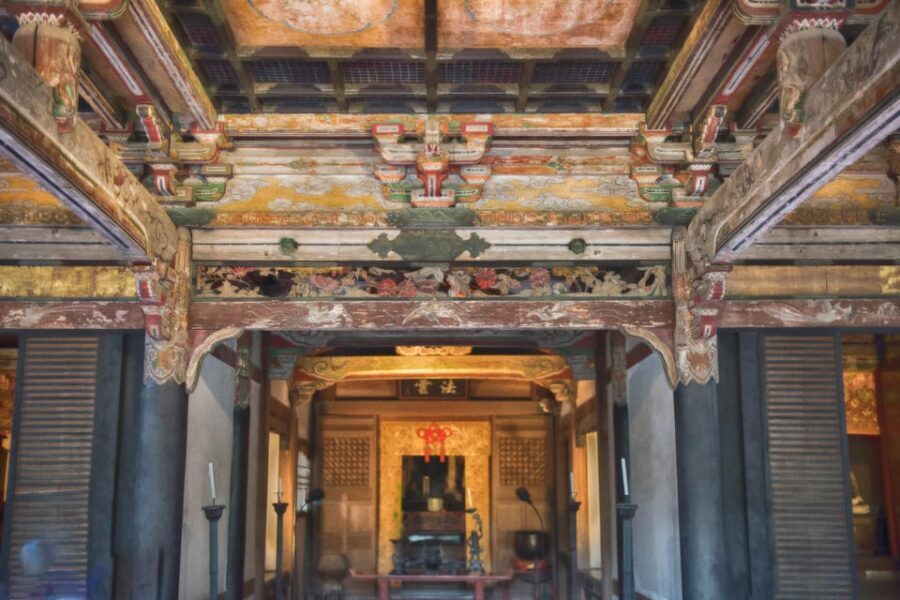
- Kodaiji Temple: Hideyoshi’s wife memorial, plus Zen gardens and lavish interiors
- Yasaka Shrine and Maruyama Park: Shinto context in the Gion neighborhood
- Price and value: what $54 buys you (and what it doesn’t)
- The guides make the difference: English explanations that actually help you look
- Timing, pacing, and what to bring so the walk feels easy
- Who this Kyoto tour fits best (and who should skip it)
- Should you book this Kyoto Kiyomizudera, Higashiyama and Yasaka Discovery Tour?
- FAQ
- How long is the Kyoto Kiyomizudera, Higashiyama and Yasaka Discovery Tour?
- Where does the tour start and where does it end?
- Which temples and shrines are included in the tour?
- Are entrance fees and snacks included?
- What group size should I expect?
- Who should not book this tour?
Key highlights that make this tour worth your time
- Kiyomizudera UNESCO site with views, plus the deity Kannon (peace and mercy) and the sacred blue dragon (seiryuu)
- Sannenzaka, Ninenzaka, and Nene no Michi for a proper Higashiyama lane-walk through traditional streets
- Kodaiji Temple tied to Toyotomi Hideyoshi’s wife, with Zen gardens and lavish interiors on the itinerary
- Yasaka Shrine plus Shinto history, culture, and practices explained by your local guide
- Maruyama Park after the shrine visit, a popular stop during cherry blossom season
- Small group size (up to 9) and entrance fees for Kiyomizudera and Kodaiji Temple included, plus snacks
Why this Kiyomizudera–Higashiyama–Yasaka route is such a smart 3 hours
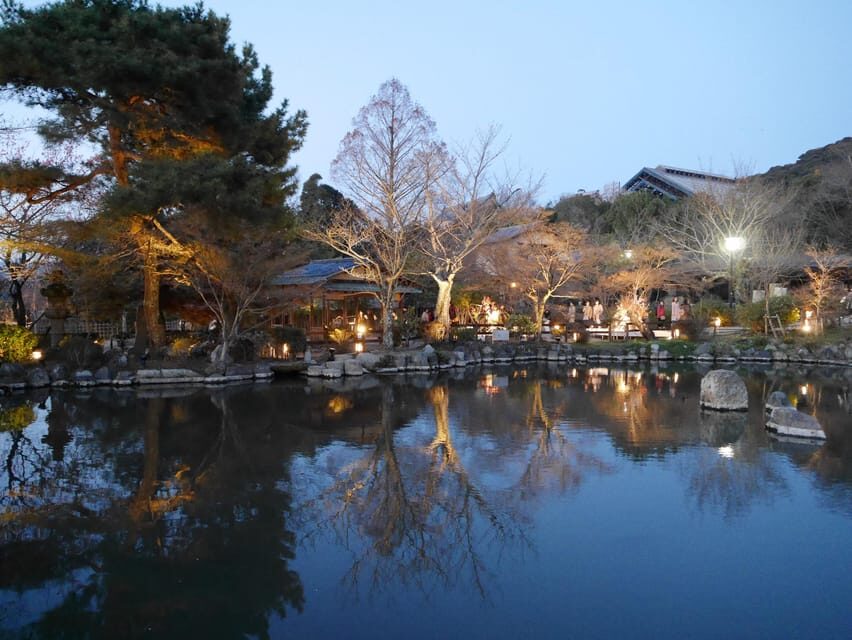
Kyoto can chew up your day fast. Between lines, wandering, and trying to decode temple signage on the fly, you can end up moving but not learning. This tour solves that by building a tight route with logical flow: start with Kiyomizudera, work through the classic Higashiyama streets, then finish in the Gion orbit near Gion-Shijo Station.
The biggest value here is not speed. It’s focus. You’re not trying to hit everything on your own. You’re walking the right corridor of sights in a time window that usually fits well with a first or second day in Kyoto.
And because it’s a small group limited to 9 people, you’re not stuck behind a parade. You can ask quick questions, take photos when the guide suggests it, and keep things moving without feeling rushed.
You can also read our reviews of more tours and experiences in Kyoto.


Kiyomizudera: UNESCO first stop, with Kannon and the sacred blue dragon
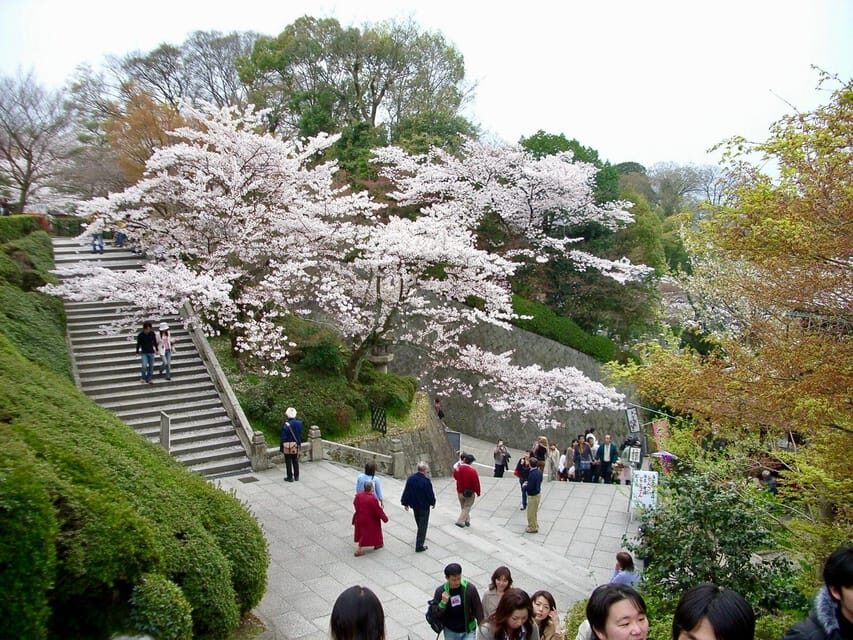
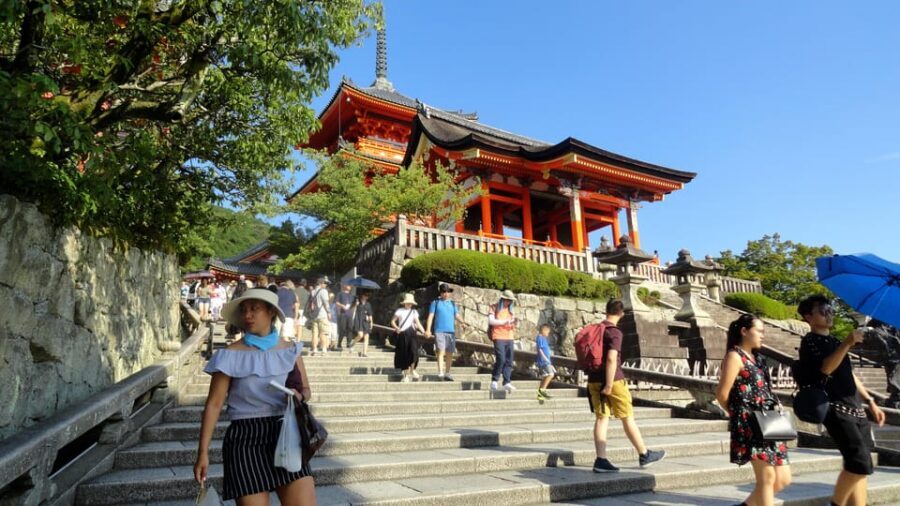
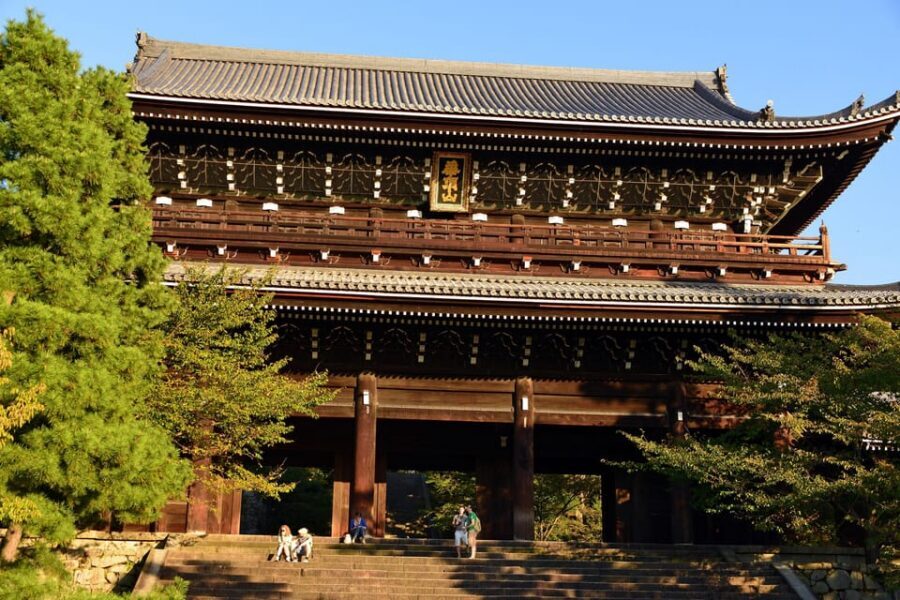
Most tours say they visit Kiyomizudera. This one starts there, and it spends about an hour with a guide at the UNESCO World Heritage Site. That matters. Kiyomizudera is one of those places where the visual impact is instant, but the meaning takes a bit more time to catch.
What makes this stop especially strong is the way the guide frames what you’re seeing. You’ll learn about Kannon, the deity of peace and mercy, while you’re on-site. You’ll also hear about the sacred blue dragon (seiryuu), tying the temple’s atmosphere to specific beliefs rather than leaving you with general impressions.
You can also expect panoramic views. That’s not just a photo opportunity. It’s the kind of moment that helps you understand why this spot became such a landmark in Kyoto. The guide’s explanations help you look past the crowd and notice the details that people rush right over.
Practical tip: wear shoes you trust. The area around major temple landmarks often means tight turns, uneven stone, and waiting your turn for the best viewpoints. A comfortable walking shoe is not optional here.
Sannenzaka, Ninenzaka, and Nene no Michi: how the tour turns streets into stories
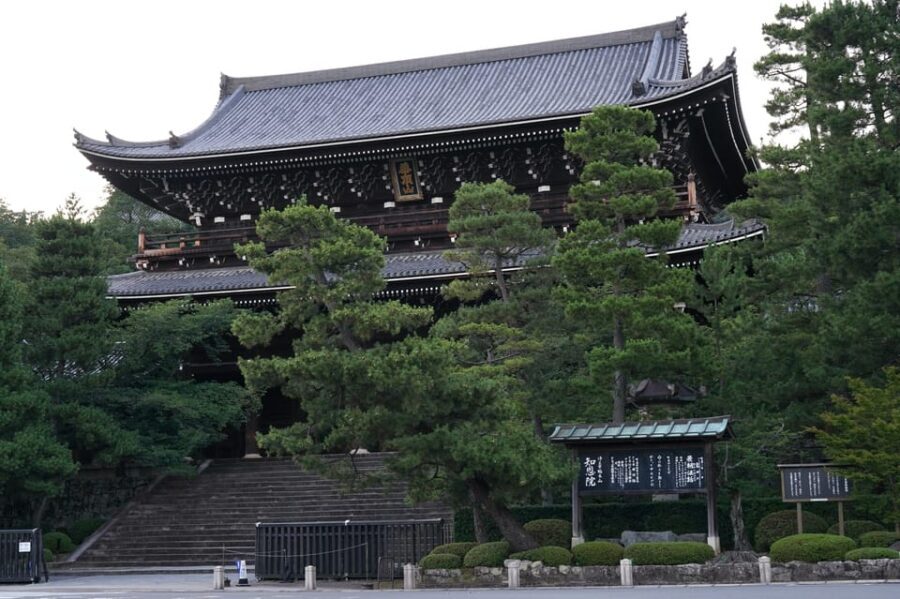
After Kiyomizudera, you shift from big landmark energy to a slower Higashiyama street rhythm. The tour includes time for Sannenzaka, Ninenzaka, and Nene no Michi. This is where Kyoto feels more like a living neighborhood than a museum district.
This part of the tour is about walking the approach lanes—quaint, traditional, and lined with shophouses. Even if you’re not shopping, these streets give you that texture that makes Kyoto different from other temple cities. You’re moving through the same kind of environment that people associate with classic Kyoto atmosphere.
The guide also helps you time your photo stops. Instead of you hunting around and losing minutes, you follow a route that naturally cycles through viewpoints and interesting street corners.
One extra plus: some guides build in flexibility. In past tours on this route, guides like CC were happy to divert briefly for quick matcha or shopping stops while still keeping the full sight list on track. If you’re the kind of traveler who needs a small break to keep your legs happy, this is the segment where that works.
Practical tip: if you want snacks or treats, keep cash handy. The tour includes snacks, but personal purchases usually aren’t part of the deal.
Kodaiji Temple: Hideyoshi’s wife memorial, plus Zen gardens and lavish interiors
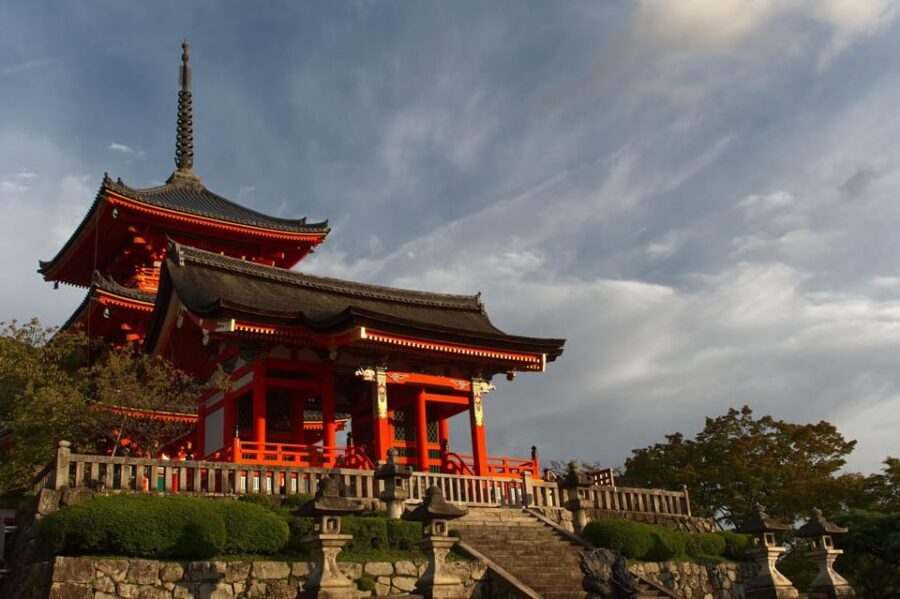
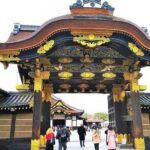
Next up is Kōdaiji Temple, with a guided visit timed for about 30 minutes. This is a good length for a second major site in a three-hour tour. Long enough to understand why it matters, not so long that you feel stuck.
What you’ll learn here is specific and memorable: Kodaiji was built in memory of Toyotomi Hideyoshi’s wife. That historical anchor helps the experience feel personal instead of abstract. You’ll also see features that make this stop visually distinct—Zen gardens and lavish interiors.
This combination is a great contrast inside a short timeframe. You get the calm of the garden setting and then the change of pace when you move into the more ornate interior spaces. Even if you’re not a hardcore garden person, the guided framing helps you notice the design choices and why people linger.
A timing note: 30 minutes passes quickly at temples. If you’re trying to get photos, go where the guide suggests first, then use what’s left for your own shots. That prevents you from missing the key moments while chasing one perfect angle.
Yasaka Shrine and Maruyama Park: Shinto context in the Gion neighborhood
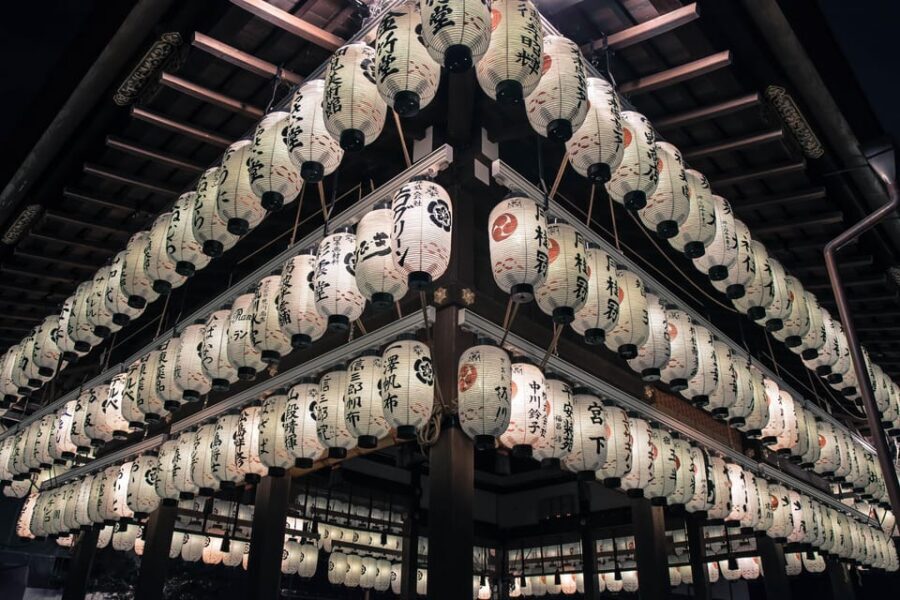
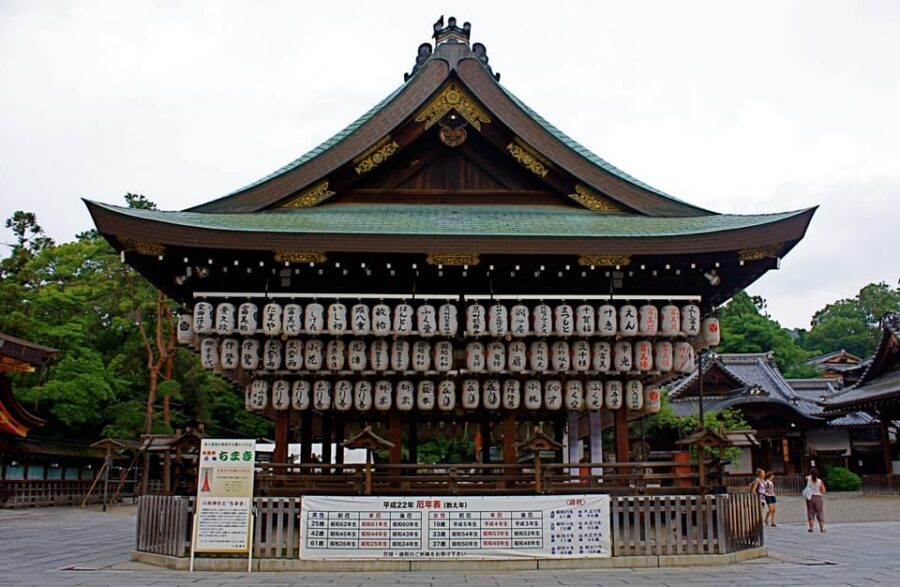
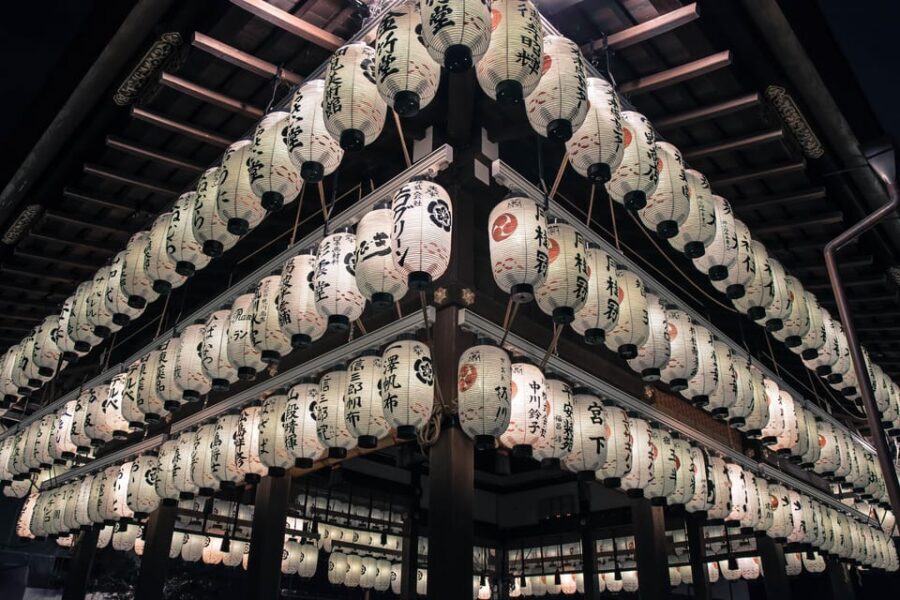
Then you walk to Yasaka Shrine, another highlight with about 30 minutes of guided time. Here, the focus turns from temple architecture into Shinto history, culture, and practices. You don’t just see the shrine space—you’re given stories and explanations that help you understand what you’re observing.
This is often the moment where a temple-heavy itinerary becomes more balanced. Kiyomizudera and Kodaiji carry a lot of visual weight. Yasaka brings in cultural context, so you come away with more than a checklist of landmarks.
After Yasaka, the tour has you exit through the east and head into Maruyama Park. This park is especially meaningful during cherry blossom season, when it becomes a popular spot. Even if you’re not visiting in peak blossoms, the inclusion makes the route feel more like a real Kyoto walk through the city rather than a closed loop of indoor sights.
Practical tip: if your camera battery dies, this is the section where you’ll want it most. The shrine area plus the park stop creates a natural shift from structured grounds to open views.

Price and value: what $54 buys you (and what it doesn’t)
At $54 per person for a 3-hour small-group tour, the value comes from three things working together:
- Guide time in English for the full route, not just a quick escort between stops
- Entrance fees included for Kiyomizudera and Kodaiji Temple
- Snacks provided, so you’re not stuck hunting for food immediately after a major temple visit
What’s not included is also straightforward: no hotel pickup or drop-off, and meals or other drinks are on you. Personal expenses are separate too.
So who is this price best for? If you want to see these key sights without mapping it all yourself, and you’d rather pay for clarity than spend time researching, this is a solid deal. If you’re the kind of traveler who loves self-guided strolling and you’re already comfortable getting around on your own, you might feel it’s pricey for a short walk. But the included entrances and the cultural explanations are the difference-maker.
The guides make the difference: English explanations that actually help you look
Small-group tours stand or fall on the guide. This route is consistently strong in that department, with guides like CC, Miyake, Jasmine, Alex, Yuko, and Rafael showing up in past experiences. The common thread is energy and story clarity—guides who are willing to explain what you’re seeing without turning it into a lecture.
In particular, some guides have shown flexibility, like CC’s willingness to pause for quick matcha or shopping breaks while still hitting everything. That kind of “helpful, not rigid” approach is ideal in Kyoto, where your eyes and curiosity can pull you off the strictest path.
Also, guides here tend to share practical tips for what to do in the Gion area afterward—useful when you’re trying to decide where to wander next without wandering in circles.
Timing, pacing, and what to bring so the walk feels easy
This tour lasts 3 hours. That’s short enough to avoid fatigue overload, but long enough that you’ll want to keep your legs ready. The tour isn’t listed as suitable for pregnant women, people with mobility impairments, heart problems, or respiratory issues, which tells you the pacing involves real walking and time spent on temple grounds.
If you go, bring:
- Comfortable shoes
- Camera
- Cash
The cash point is practical. Entrance fees for Kiyomizudera and Kodaiji are included, but you’ll likely want to buy small things along the traditional streets or during any spontaneous stop for snacks.
For timing: build in buffer after the tour. It finishes at Gion-Shijo Station, which is a good launch point for your next Kyoto move. If you have reservations later, make sure you give yourself time to get oriented and walk.
Who this Kyoto tour fits best (and who should skip it)
This tour is a strong match for you if:
- You’re seeing Kyoto for the first time and want the classic Higashiyama cluster in one organized loop
- You want English explanations tied directly to the sights, including religious and cultural context
- You prefer a small group (limited to 9) so the experience stays human-sized
It’s not a good match if:
- You’re pregnant, have mobility impairments, or you’re managing heart or respiratory issues
- You need a mostly seated tour or a low-movement plan
If you fall in the “I can walk, but I want it comfortable” category, plan on moving with purpose and taking quick stops when the guide suggests them.
Should you book this Kyoto Kiyomizudera, Higashiyama and Yasaka Discovery Tour?
Book it if you want a compact way to see major sights—Kiyomizudera, Kodaiji, and Yasaka—plus the classic street walk through Sannenzaka and Ninenzaka. The route makes sense, the group is small, and the included entrance fees and snacks help the price feel fair.
Skip it if walking on uneven temple ground and stair steps will be uncomfortable for you. Also skip it if you prefer fully self-guided exploration where you can wander at your own pace with no scheduled structure.
If you’re deciding between doing this as a tour or trying to piece it together alone, here’s the practical test: if you’d benefit from having someone point out the meaning behind Kannon and the sacred blue dragon, and translate the Shinto context at Yasaka into plain language, then paying for the guide saves you time and confusion.
FAQ
How long is the Kyoto Kiyomizudera, Higashiyama and Yasaka Discovery Tour?
The tour runs for 3 hours.
Where does the tour start and where does it end?
The meeting point is a 7-Eleven, and the tour finishes at Gion-Shijo Station.
Which temples and shrines are included in the tour?
You’ll visit Kiyomizu-dera, Kōdaiji Temple, and Yasaka Shrine, plus a walk through Sannenzaka, Ninenzaka, and Nene no Michi.
Are entrance fees and snacks included?
Yes. Entrance fees for Kiyomizudera and Kodaiji Temple are included, and snacks are provided.
What group size should I expect?
The group is limited to 9 participants.
Who should not book this tour?
The tour is not suitable for pregnant women, people with mobility impairments, people with heart problems, or people with respiratory issues.