REVIEW · TOKYO
Tokyo: Evening Tour – Temples, Neon Streets & Culture
Book on GetYourGuide →Operated by ShogunTours · Bookable on GetYourGuide
Tokyo changes after dark. This evening walk is where the city’s temples, neon, and local routines start to feel like one story. I like it because it hits the big-name neighborhoods at the time of day most people rush past, and it does it with a guide who can steer you around your interests and comfort level.
Two things I really appreciate: you get photo-friendly lighting without the daytime crush, and the route is flexible enough to slow down if you need to (one guide even adjusted plans for a guest recovering from knee surgery). The one drawback to consider is also the point: it’s a walking tour, so comfy shoes matter, and you’ll be on your feet for the full evening pace.
In This Review
- Key highlights worth showing up for
- Why 4 PM (not noon) makes this Tokyo tour work
- Asakusa after sunset: lanterns on the oldest-temple area
- Shibuya Crossing at night: neon chaos with clearer footing
- Shinjuku nightlife streets: izakayas, games, and the alley maze
- Akihabara after dark: anime, gaming, and tech culture in lights
- How you move between neighborhoods without burning your night
- What you really get for $83 per person
- Guide quality: where the best nights come from
- What to pack so the night stays easy
- Should you book this after-dark Tokyo walk?
- FAQ
- What time does this tour start?
- How long is the Tokyo evening tour?
- What neighborhoods and sights does the tour include?
- How does transportation work during the tour?
- Is this tour private and how big is the group?
- Are photos included?
- What languages are offered?
- Is the tour wheelchair accessible and is there a child discount?
- Is it easy to change plans if my schedule shifts?
Key highlights worth showing up for
- After-4 PM Tokyo glow: see iconic spots when lanterns and signs turn on and the air cools down.
- A guide who can tailor the night: pace and stops can shift based on your interests and needs.
- Asakusa with softer lighting: oldest-temple area feels calmer once the lanterns are lit.
- Shibuya Crossing without the full daytime surge: neon billboards and night traffic energy in a more manageable rhythm.
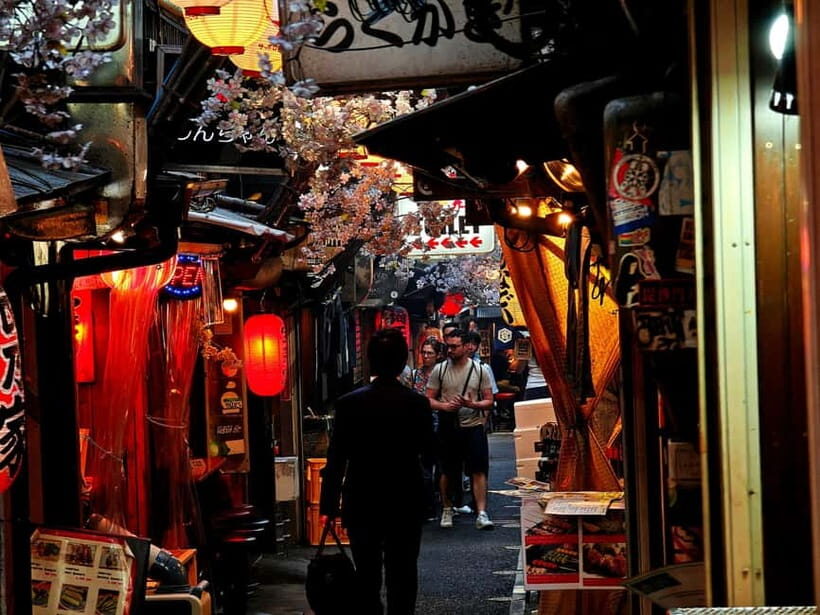
- Shinjuku alley-hopping: time in izakayas and side streets like Omoide Yokocho and Kabukicho.
- Akihabara at night: anime, gaming, and tech culture with chances for backstreet photos.
Why 4 PM (not noon) makes this Tokyo tour work
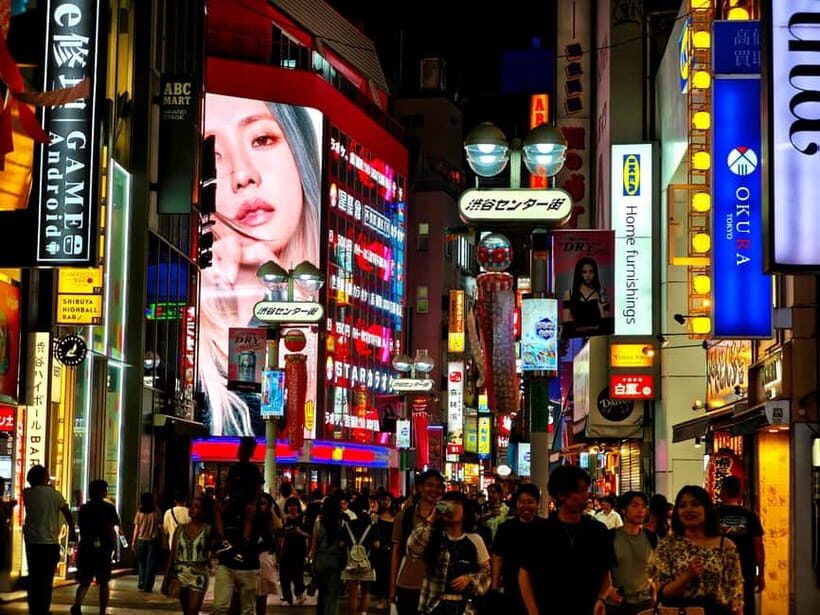
Tokyo is easy to “see,” but harder to feel. The late-afternoon start is a smart move: you dodge the harshest heat and you avoid the worst crowd spill that happens when tour groups pile into the same sights at the same time. By the time evening hits, shops and temples look different. Shadows lengthen, lanterns glow, and signage has the punch you came for.
I also like that the tour is designed as a walking route using Tokyo’s public transit. That means you’re not stuck in a bus window guessing where you are. You move like a local—short transfers, then feet-on-the-street time—so the neighborhoods don’t feel like a checklist. Your guide can also adjust how far you go based on your energy, which is a real quality-of-life feature if you’re traveling with anyone with mobility limits or you just want a slower night.
You can also read our reviews of more evening experiences in Tokyo


Asakusa after sunset: lanterns on the oldest-temple area
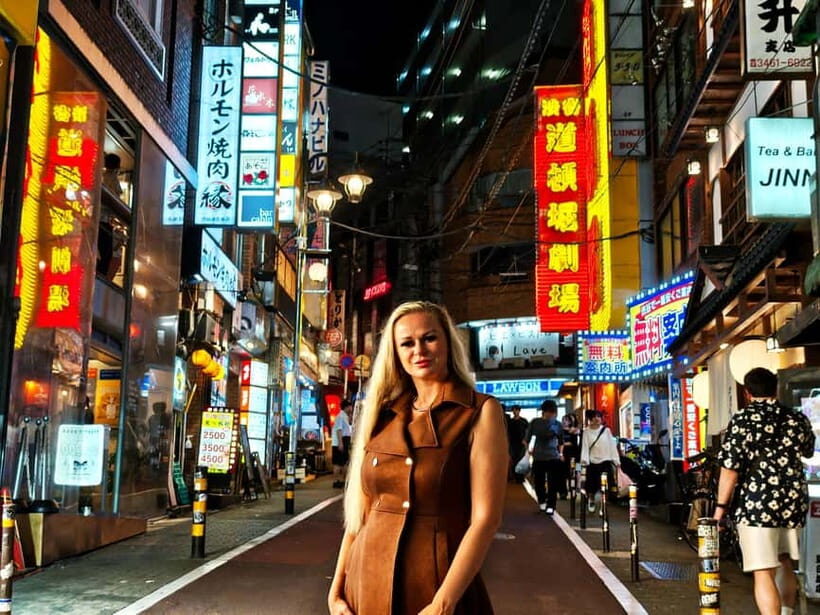
Asakusa is the place where Tokyo’s older traditions show up in a way you can’t fake with photos. In the evening, it shifts from daytime sightseeing mode to something gentler. With the lanterns lit and crowds thinner, the temple area feels more peaceful, and you can actually look at details instead of fighting your way to the front of the line.
What makes this stop special is the contrast. You’re likely to see people buying snacks, families wandering, and street energy that still feels grounded in routine rather than pure tourism. For your camera, evening works because the light is warm and directional. Temple lighting tends to look flattering, and you can catch a glow that’s tough to recreate at midday.
The only consideration: because the route runs at night, you should plan for some uneven walking surfaces around older streets. You’ll want shoes you trust—not fashion shoes.
Shibuya Crossing at night: neon chaos with clearer footing
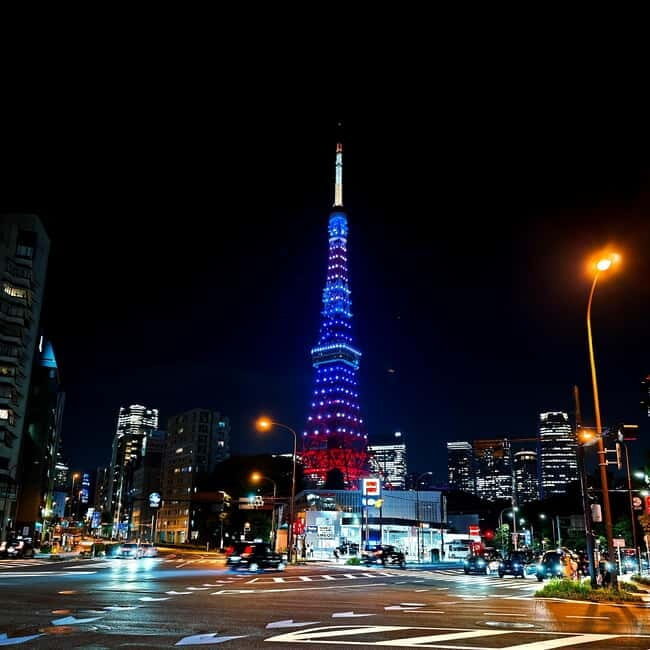
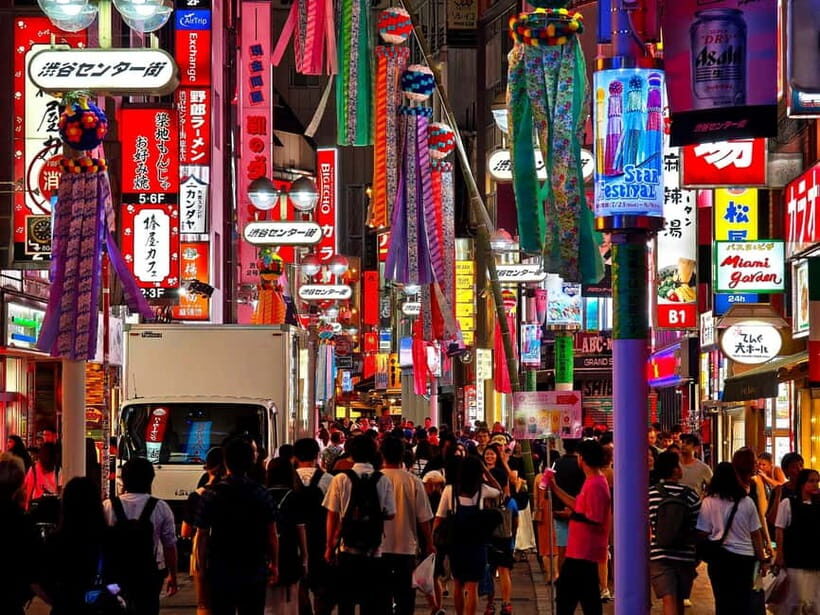
Shibuya Crossing is one of those “you’ve seen it on screens” places that still surprises you in person. At night, the crossing becomes more about light than motion. Billboards and shop signs wrap around you, and the street-level view feels like a live video feed.
This is also where the tour’s evening timing pays off. Daytime can feel like constant jostling. At night, you still get the crossing’s intensity, but you’re more likely to be able to pause, frame a shot, and watch the pulse without feeling rushed. Your guide can help you position yourself and understand the flow—where to stand so you get the look, not the elbow.
If you’re sensitive to crowds, this is the stop where you’ll feel the most people nearby. The tour is private, but Shibuya is still Shibuya. Go in with the expectation that you’ll have to navigate shoulder-to-shoulder pockets.
Shinjuku nightlife streets: izakayas, games, and the alley maze
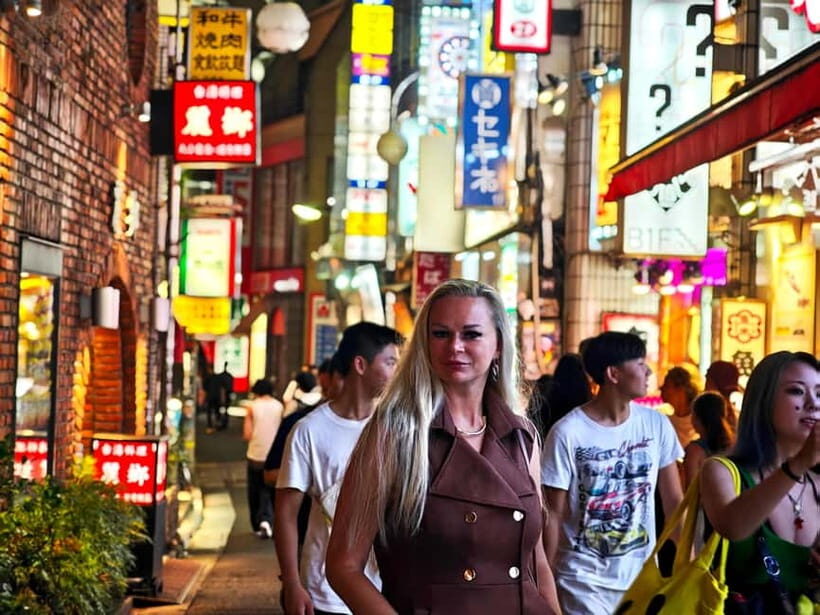
Shinjuku is Tokyo’s night playground, but the real win is how you get there. Instead of treating it like one big landmark, you move through the nightlife district in a way that helps you understand how people actually spend evenings. That includes izakayas, game arcades, karaoke bars, and the glowing signage that makes this area so recognizable.
Two streets named for a reason are Omoide Yokocho and Kabukicho. Omoide Yokocho is the narrow-alley vibe—small spots, big atmosphere, and that sense that you’re stepping into a different layer of the city. Kabukicho is the neon-heavy entertainment zone where the signs and crowds tell their own story.
What I like most here is that a guide can help you read the neighborhood. You’re not just walking past doors; you’re getting context for what you’re seeing and where it fits. In one itinerary adjustment I heard about, the guide tailored the pace to match the group’s comfort level instead of bulldozing forward on a fixed schedule. That’s the difference between “we walked past” and “we understood.”
Drawback to keep in mind: nightlife areas tend to encourage detours for photos, snacks, and side streets. That’s fun, but it can also slow your timing. If you have a hard deadline for your night, tell your guide early so the route stays on track.
Akihabara after dark: anime, gaming, and tech culture in lights
Akihabara at night feels like the city’s nerdy power plant. The lighting is often more dramatic because so many storefronts rely on screens, glowing displays, and bright signage. Even if you’re not a die-hard anime fan, you’ll probably recognize the energy: gaming culture, electronics, and people browsing with purpose.
This stop works well in an evening tour because it’s one of those areas where nighttime makes the theme clearer. At night, it’s less about “shopping district” and more about “scene.” You’ll likely get time in the main area, but the guide may also swing you toward less obvious backstreets for photo opportunities.
Here’s where the tour’s flexible style becomes useful. Depending on what’s going on that day, you might find quieter alleys for better pictures, or routes that feel more “local” than the most obvious main drag. If you care about photos, have your charged smartphone ready, and don’t forget that darker streets often make steadier hands (and stable footing) more important.
The consideration: if you want a calm, low-sensory evening, Akihabara might feel like a lot. It’s not loud nonstop, but the visual intensity is real.





How you move between neighborhoods without burning your night
A 3-hour walking tour in Tokyo sounds simple—until you factor in transfers and the reality of evening crowds. The good news here is that the plan uses Tokyo’s public transit system to connect areas. That keeps the walking time focused and prevents the night from turning into a long grind.
Expect the distance to vary based on pace and what you choose to emphasize. That’s not a failure of planning—it’s the point of a flexible guided route. If your legs are fine, you can cover more. If you need breaks, your guide can shift the route so you still get the key sights.
I also appreciate that hotel or location pickup is optional on foot. That reduces the hassle of finding your meeting point in a busy district, and it makes the tour feel like it starts clean rather than “figure it out first.”
Practical tip: bring a small water bottle or plan a stop for drinks on your own. The tour isn’t described as food-included, so you’ll want to handle snacks and meals separately.
What you really get for $83 per person
Let’s talk value in plain terms. $83 for a 3-hour evening walk is not “cheap,” but it also isn’t random sightseeing markup. You’re paying for three things that matter:
- Timing: after sunset, lighting is better and crowds are different.
- Local guidance: a guide helps you navigate big pedestrian areas and choose routes that make sense for pictures.
- Photo support: the tour includes photos taken by your guide during the tour if available, and a professional photographer if available.
That photo piece is a big value-add. Even a handful of good photos can make the experience feel more “yours” instead of a blurry memory from someone else’s camera. One guide experience I heard about involved a guest getting help finding souvenirs and gifts, which is another practical benefit—your guide’s eye can save time and help you buy something you actually want to bring home.
A note to keep expectations realistic: entrance tickets, public transit fees, and meals are not included. So the all-in number depends on how you handle those parts. Still, this pricing can work well if you want less stress, a smoother route, and better photos than self-guided wandering.
Guide quality: where the best nights come from
When a tour feels personal, it usually boils down to the guide. From what I’ve seen reflected in guide-led experiences, the guides here pay attention to the group’s needs and interests.
Deen, for example, handled customization on the fly for a party member recovering from knee surgery and still managed to keep the experience fun and informative. That’s not just “nice service”—it changes the tone of the whole evening, because you’re not stuck pushing through discomfort.
Sofia is another standout name tied to tailored pacing and interest-based routing. In one experience, she adjusted the tour to match ability level, had an easy, friendly way of talking, and used a sharp eye to help someone find gifts to bring back to the States.
Those stories add up to a simple idea: you’re not signing up for a rigid script. You’re hiring a local to help you make better choices with your time.
What to pack so the night stays easy
You’ll be walking, often in areas where sidewalks can be crowded. So pack like you’re going out for a real evening.
- Comfortable shoes (most important)
- A camera if you like photos beyond your phone
- Comfortable clothes for night walking
- A charged smartphone for easy updates and photos
Also consider bringing a small extra layer. Even in summer, nights can feel cooler once you’re out for a while.
Should you book this after-dark Tokyo walk?
You should book if you want a Tokyo night that feels guided, not random. This works especially well if you’re the type who likes photos, cares about both older and modern Tokyo, and doesn’t want to fight daytime crowds for the same landmarks.
You might skip it if you hate walking, want a fully self-paced itinerary, or plan to spend most of your night eating and shopping on your own without much structure. Also, if you need a perfectly quiet evening, keep in mind the tour goes through high-energy neighborhoods like Shibuya and Shinjuku.
My quick take: if you’re in Tokyo for a short time and you want the city’s day-to-night personality switch, this is a strong use of your evening—especially because the route is designed to adapt to you.
FAQ
What time does this tour start?
The tour can start anytime after 4:00 PM, with the exact meeting time and location confirmed after booking.
How long is the Tokyo evening tour?
It runs for 3 hours (with a note that tours typically last 3–4 hours, until 11PM latest).
What neighborhoods and sights does the tour include?
The tour covers Asakusa (oldest-temple area), Shibuya Crossing, Shinjuku nightlife streets including Omoide Yokocho and Kabukicho, and Akihabara after dark. Depending on the day, the guide may include lesser-known alleys or photogenic backstreets.
How does transportation work during the tour?
You’ll use Tokyo’s public transit system to move between neighborhoods, then walk during the stops. Entrance tickets and transit fees are not included, but the movement between areas is part of the plan.
Is this tour private and how big is the group?
It’s listed as a private group.
Are photos included?
Photos taken by your guide during the tour are included if available. A professional photographer may also be available.
What languages are offered?
The live guide is available in English and Spanish (Italian and Spanish availability is also mentioned).
Is the tour wheelchair accessible and is there a child discount?
It’s wheelchair accessible. Children under 12 join for free if included in the booking.
Is it easy to change plans if my schedule shifts?
Free cancellation is offered up to 24 hours in advance for a full refund, and you can reserve now and pay later.
![[Shibazakura / Tulip] Going by private car, Shibazakura Takinoue Park and Kamiyubetsu Tulip Park (from Sapporo) - Midday Seafood Stop at Marukaichi Suisan and the Kanimeshi Moment](https://images.thejapantraveler.com/wp-content/uploads/shibazakura-tulip-going-by-private-car-shibazakura-takinoue-park-and-kamiyubetsu-tulip-park-from-sapporo.jpg)