REVIEW · KOBE
Kyoto Full-Day Excursion from Kobe (Osaka) Port
Book on Viator →Operated by Mike Masaki Hira · Bookable on Viator
Quiet Kyoto fits into one day. What makes this excursion different is the focus on quieter, scenic spots instead of just rushing from one “must-see” to another, with a port pickup and a guide keeping your day organized. I especially like the Gion Shirakawa riverside walking paired with the Furukawa Local Market vibe.
I also love how the route builds a story, not just a schedule. At Shoren-in Temple, you get the kind of Kyoto history that explains why certain areas matter, including the big fire that damaged much of the city and how the emperor’s life shifted east of the Kamogawa River.
One possible drawback: the headline price doesn’t cover everything, since entrance fees (and your food/lunch) are mostly on you, and there’s some walking—incline terrain included—so plan for a moderate fitness day.
In This Review
- Key points that matter before you book
- Port-to-Station Convenience (and Why It Changes the Day)
- Private Group Time with Mike Masaki Hira (The Human Part)
- Stop 1: Gion Shirakawa and Furukawa Local Market Riverside Walking
- Stop 2: Shoren-in Temple (Shoren-in Monzeki) and Kyoto’s Turning Points
- Stop 3: Nanzen-ji Temple, Konchiin Zen Garden, and the Water Bridge
- Stop 4: Old Mitsui Family Shimogamo Villa and Shimogamo Shrine
- Price and Logistics: Is $490 Good Value?
- Getting Around in Kyoto: Walking Versus Transit
- What You’ll Actually Feel During This Route
- Tips to Make the Most of Your 7 Hours
- Should You Book This Kyoto Day Trip from Kobe Port?
- FAQ
- Where is the meeting point for the tour?
- Is port pickup included?
- How long is the Kyoto excursion?
- Is this a private tour?
- Is there a mobile ticket?
- What are the main stops on the itinerary?
- Are entrance fees included?
- What costs are not included in the tour price?
- What fitness level do you need?
- Can I cancel for a full refund?
- Who is the tour provider?
Key points that matter before you book
- Port pickup + Kyoto Station meeting: You start with help from the port side and finish back at Kyoto Station.
- Private tour timing: Only your group goes along, so you can keep moving without the “ship group bottleneck.”
- Four distinct Kyoto zones: Gion Shirakawa → Shoren-in → Nanzen-ji → Shimogamo area, with different vibes at each stop.
- Zen garden and Water Bridge: Nanzen-ji’s sights are the kind you can’t really recreate on your own in a short day.
- Admissions are mixed: Some temple entries are included, others aren’t—so your final spend depends on what you choose to pay.
- Moderate walking: Incline walking is part of the plan, so comfortable shoes are not optional.
Port-to-Station Convenience (and Why It Changes the Day)
A full-day Kyoto trip lives or dies by logistics. This one starts from the Kobe (and Osaka) port side with pickup included, but you’re also given a clear meeting/end point at Kyoto Station. That matters if your ship arrival is tight, because you avoid the extra mental load of finding your way through central Kyoto while you’re already on a schedule.
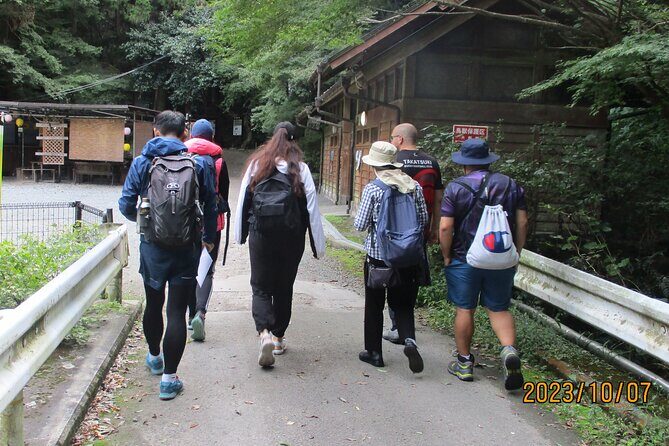
The route is designed for a long day, but it’s not structured as a marathon of constant transit. You’ll be walking at multiple stops, including at least one area with an incline, so the flow feels more like guided sightseeing with breaks rather than nonstop “go, go, go.”
Best use-case: you want Kyoto in one day, but you don’t want the day to feel like a line at every landmark. This itinerary leans toward calm corners—temples, gardens, river walking—so your photos and your mood both benefit.
A few more Kobe tours and experiences worth a look
Private Group Time with Mike Masaki Hira (The Human Part)
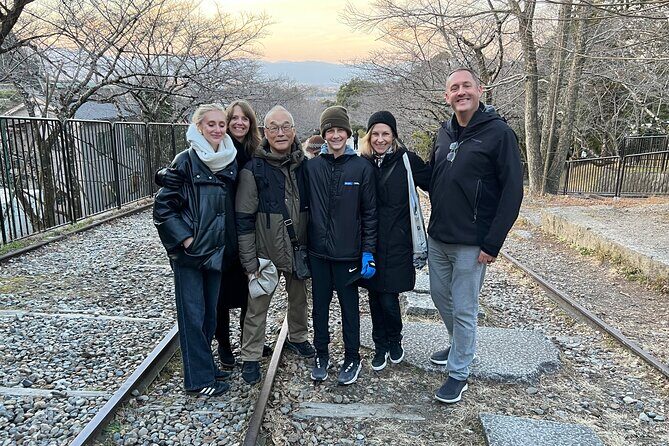
This is a private tour, meaning it’s only your group. That sounds obvious, but in Kyoto it changes everything: you can ask questions at the right moment, linger when a garden detail catches your eye, and move on when everyone’s ready.
The experience provider listed is Mike Masaki Hira. Several write-ups mention guides like Mike, and they highlight the practical side of guiding—explaining what you’re seeing and also helping with real-world tasks when the day changes (like ship timing).
If you’re the type who likes context—why a temple layout looks the way it does, what Kamogawa’s role was in imperial movement, and how Shinto and Zen traditions coexist—you’ll probably find this day feels more meaningful than a simple checklist.
Stop 1: Gion Shirakawa and Furukawa Local Market Riverside Walking
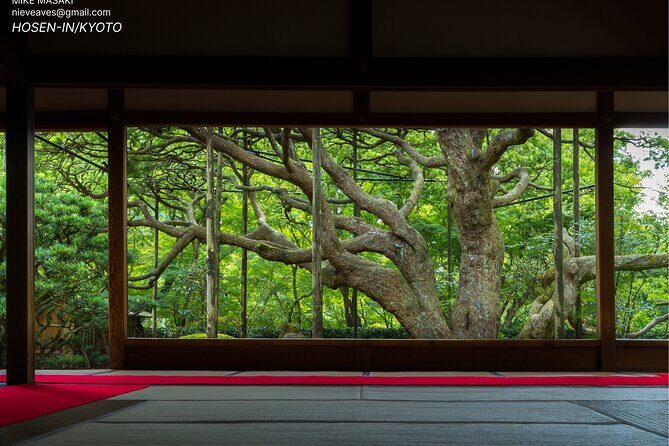
Gion can be loud, crowded, and touristy. This start choice helps you dodge some of that energy. You begin with Gion Shirakawa, plus a Furukawa Local Market stop and riverside walking.
Why it works: Kyoto’s riverside areas feel like living neighborhoods, not museum sets. The Shirakawa corridor also gives you a natural rhythm early in the day—small scenes, water reflections, quiet corners—before the temples and gardens take over later.
What to expect here is low-pressure sightseeing. The time block is about an hour, and the admission ticket is listed as free for this stop, so you’re not burning time or cash just to stand in a line.
Practical tip: if you want market snacks, grab them here rather than saving everything for later. The market portion is brief by design, and the day continues with temple entrances and walking.
Stop 2: Shoren-in Temple (Shoren-in Monzeki) and Kyoto’s Turning Points
Shoren-in is where the day starts to feel truly Kyoto. You get about an hour here, with the admission listed as included.
What makes this stop stand out is the historical framing. Shoren-in is connected to a major fire that happened downtown about 300 years ago, with knock-on effects that included the Imperial Palace burning. The emperor later moved to the east of the Kamogawa River and lived here for some years, and Shoren-in’s role grew from that shift.
Even if you don’t memorize dates, you’ll feel how Kyoto’s geography relates to power and survival. That’s the kind of context that makes temple names and locations stick in your head long after you leave.
A balanced note: Shoren-in is still a temple visit. If you’re hoping for big wow-factor scale like a giant castle, this stop is more about atmosphere, details, and interpretation. The payoff is in how the guide helps you read what you’re looking at.
Stop 3: Nanzen-ji Temple, Konchiin Zen Garden, and the Water Bridge
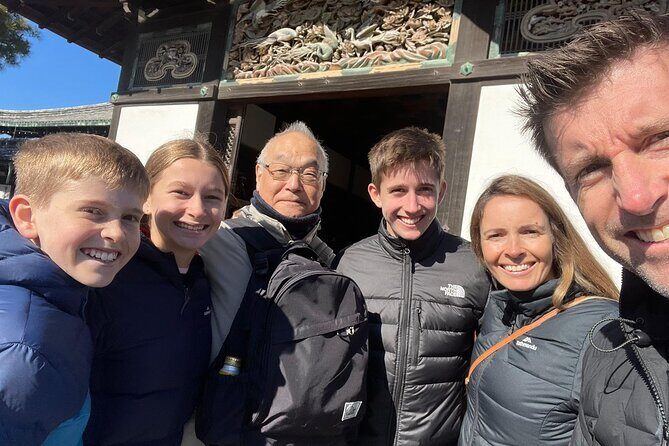
Nanzen-ji is one of those Kyoto stops where you can’t fully get the feel from a photo. Here, you get about an hour, and the admission is listed as included.
This segment includes Konchiin Zen Garden, the Water Bridge, and incline walking. That mix is important. Zen gardens reward close attention—small composition choices, quiet pacing, and a sense of stillness—while the Water Bridge gives you a structural scene you can actually walk through and see from angles.
The Water Bridge also gives you a breather from the pure garden mood. It’s more architectural, more open, and it changes the way light hits the space. And because this stop includes incline walking, it’s a good point in the day to decide how you want to spend your energy.
Practical tip: bring shoes with real grip. Incline walking in temple areas can be slick, especially if the weather turns.
Stop 4: Old Mitsui Family Shimogamo Villa and Shimogamo Shrine
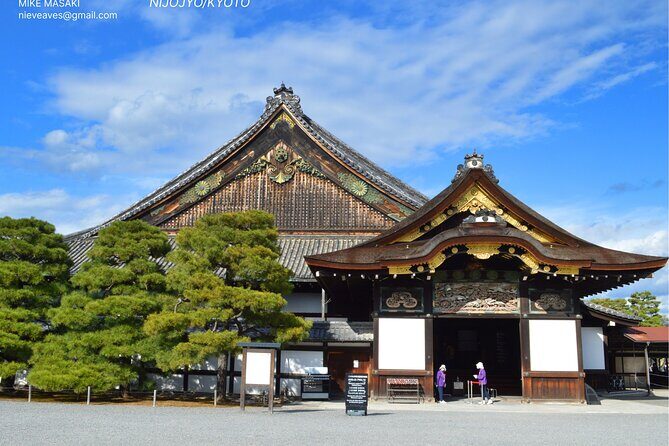
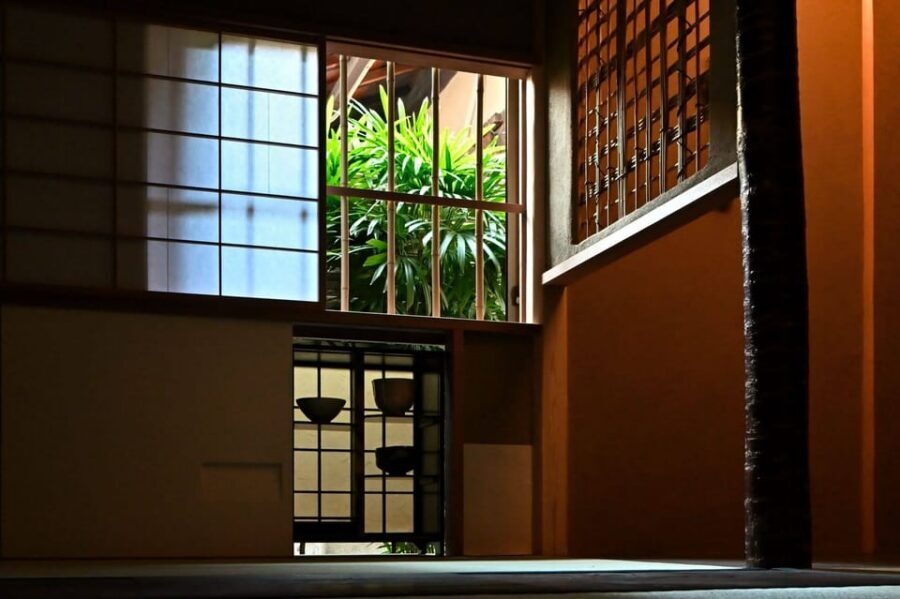
The final stop goes for a different flavor: aristocratic Kyoto roots plus shrine atmosphere. You’ll spend about an hour at the Old Mitsui Family Shimogamo Villa (noted with historical reference to 1909) and then connect with Shimogamo Shrine.
Here’s the key detail: the admission for this stop is listed as not included. So you should treat this as a “budget to choose” moment. If you’re the kind of traveler who loves seeing how residences were designed and lived in, this can be a satisfying close to the day.
Why Shimogamo works as an ending: shrine areas tend to feel grounded and timeless. After temples and gardens, you finish with a place that feels deeply tied to place and ritual, not just sightseeing.
Timing note: this is the last official segment. If you’re planning to buy souvenirs, eat later, or take extra photos, do it with the end time in mind so you’re not rushing back.
Price and Logistics: Is $490 Good Value?
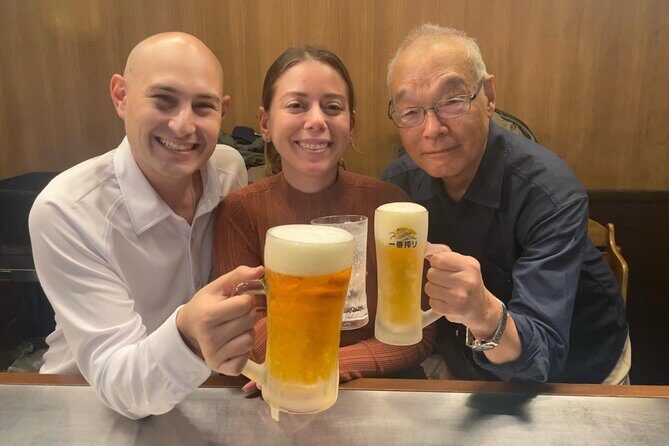
Let’s talk money straight. The price is listed as $490, and the day runs about 7 hours with a private group plus port pickup. That already sets a baseline value: private time plus structured routing in Kyoto can be worth it, especially if you’re coming from a ship and want less friction.
But you should also plan for the items not included:
- entrance fees (not everything is covered)
- transportation fee
- lunch
- food and drink estimated at ¥7,000 per person
- private transportation
So the real total cost depends on your choices and how you move between stops. If your guide uses public transit, you’ll pay transit costs. If you switch to taxis at any point, expect those costs to rise—traffic can make taxis expensive, which is something you’ll want to remember in Kyoto.
How I’d judge value: if you want a calm, curated-feeling day with a guide handling pacing and history, the price can make sense. If you’re a DIY planner who’s comfortable jumping between temples and paying entrance fees one by one, you might feel the cost more sharply.
Getting Around in Kyoto: Walking Versus Transit

This tour is built around walking time, not just sitting in transport. You’ll have incline walking at Nanzen-ji, plus normal temple walking at other stops. That’s why the physical fitness note is a moderate level—this is doable for many people, but it won’t feel like a stroll across flat pavement.
What to do with that info:
- Wear comfortable shoes you trust on uneven ground.
- Bring a small bag for water and a layer (temples can feel cooler than street level).
- If you’re sensitive to stairs and slopes, ask your guide how to manage the incline segment.
Since transportation fees aren’t included, you should also be ready to pay something for moving between areas. Kyoto’s traffic can make taxi rides costly, so I’d plan to use transit when possible and save taxis for a worst-case scenario.
What You’ll Actually Feel During This Route
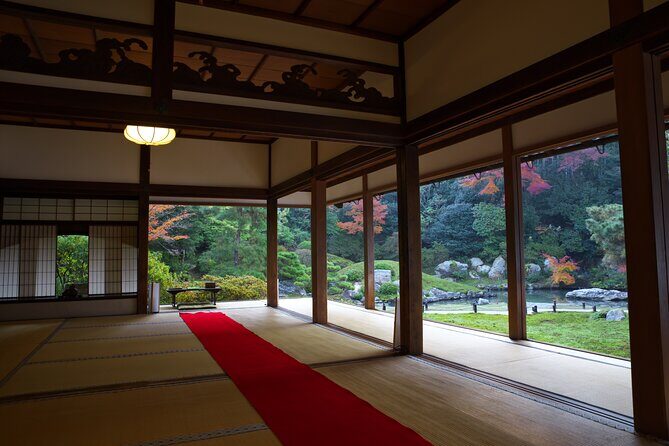
This day trip is designed around atmosphere: riverside softness early, temple spirituality mid-morning, Zen garden quiet plus an architectural pause, then shrine grounding to close. You won’t just see places—you’ll understand why Kyoto puts its energy into these exact corners.
The itinerary also has a nice rhythm for a port day. You’re not stacking only the biggest headline sites. Instead, you’re balancing nature, religious space, and neighborhood-feeling streets. That kind of structure helps you avoid feeling “done” after two stops. By the end, you’re more likely to remember details: water, moss, stone, and the way a story about imperial movement connects to a temple location.
One more practical benefit: because it’s private, it’s easier to match the pace to your group. If your group wants photos and questions, you can slow down. If you’re ready to move, you won’t be stuck waiting for other people’s pace.
Tips to Make the Most of Your 7 Hours
Here are a few things that will pay off on a day like this:
- Start the day mentally flexible. Port days can shift, and the ability to adapt is part of what you’re buying with a guided plan.
- Plan your entrance-fee expectations. Some admissions are included, and some aren’t—so set aside extra cash for the Old Mitsui Family Shimogamo Villa and any other entrances that fall outside included items.
- Don’t skip shoes and water. Incline walking shows up at least once, and Kyoto weather can shift fast.
- Use the guide for context. Ask one or two history questions per stop. The stories about the Kamogawa area and Shoren-in’s connections will make the walking feel less random.
If you’re traveling with older relatives or anyone who tires quickly, the private format is a strong advantage. You can request shorter breaks and adjust pace without disrupting a whole group.
Should You Book This Kyoto Day Trip from Kobe Port?
Book it if you want a private, guided Kyoto day that leans toward calm temple gardens, river walking, and meaningful context—without the nonstop chaos of a typical crowded ship itinerary.
Skip it (or at least rethink it) if your travel style is DIY-first and you hate paying extra once you arrive. With entrances, transportation, and lunch/food largely not included, your final spend can creep upward from the base price. Also, if walking inclines are a big issue for your group, this one may feel too active.
If you’re trying to get the Kyoto you remember from quieter moments—stone paths, water, history you can actually place in your head—this route is a strong match.
FAQ
Where is the meeting point for the tour?
The start and end point is Kyoto Station at Higashishiokoji Kamadonocho, Shimogyo Ward, Kyoto.
Is port pickup included?
Yes. Port pickup is included.
How long is the Kyoto excursion?
It runs for about 7 hours.
Is this a private tour?
Yes. It’s private, and only your group participates.
Is there a mobile ticket?
Yes. The tour includes a mobile ticket.
What are the main stops on the itinerary?
The tour includes Gion Shirakawa (plus Furukawa Local Market and riverside walking), Shoren-in Temple, Nanzen-ji Temple (Konchiin Zen Garden and Water Bridge), and the Old Mitsui Family Shimogamo Villa plus Shimogamo Shrine.
Are entrance fees included?
Some are included and some are not. Gion Shirakawa is listed as free, Shoren-in and Nanzen-ji are listed as included, and the Old Mitsui Family Shimogamo Villa and Shimogamo Shrine are listed as not included.
What costs are not included in the tour price?
Not included are entrance fees (and transportation fees), food and drink (¥7,000 per person), lunch, and private transportation.
What fitness level do you need?
The tour notes moderate physical fitness is required, since there is walking and incline walking.
Can I cancel for a full refund?
Yes. You can cancel up to 24 hours in advance for a full refund.
Who is the tour provider?
The experience provider listed is Mike Masaki Hira.