REVIEW · KYOTO
Kyoto: Private Tea Ceremony at local home with tea master
Book on GetYourGuide →Operated by Kangetsu Kyoto · Bookable on GetYourGuide
Quiet rituals in Kyoto, up close. This private tea ceremony happens in a local home near Nijo Castle, guided by a certified tea master who explains each gesture and the calm thinking behind it.
What I like most is the personal attention in a real neighborhood setting, not a showroom vibe. You get real context as you learn how tea, tools, and etiquette fit Japanese culture.
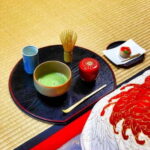
My second favorite part is the tea itself: you’ll drink high-quality matcha made in Uji, Kyoto, plus two types of seasonal Japanese sweets served as part of the ceremony.
One thing to consider: the experience runs on a tight 1-hour schedule, so the pace can feel a bit quick near the end if timing overlaps with others arriving.
In This Review
- Key things you’ll care about
- A Kyoto Tea Ceremony in a Real Home, Not a Performance
- Getting There Near Nijo Castle: Simple, Central, Walkable
- What the Tea Room Asks of You (And Why It’s Not Just “Rules”)
- Dress and personal-care basics
- Inside the room
- Recording and personal behavior
- The 1-Hour Flow: What Happens From Hello to Final Sip
- Step 1: Warm welcome and a tea ceremony introduction
- Step 2: A detailed guided demonstration
- Step 3: Utensils and what they mean
- Step 4: Etiquette for holding, serving, and appreciating tea
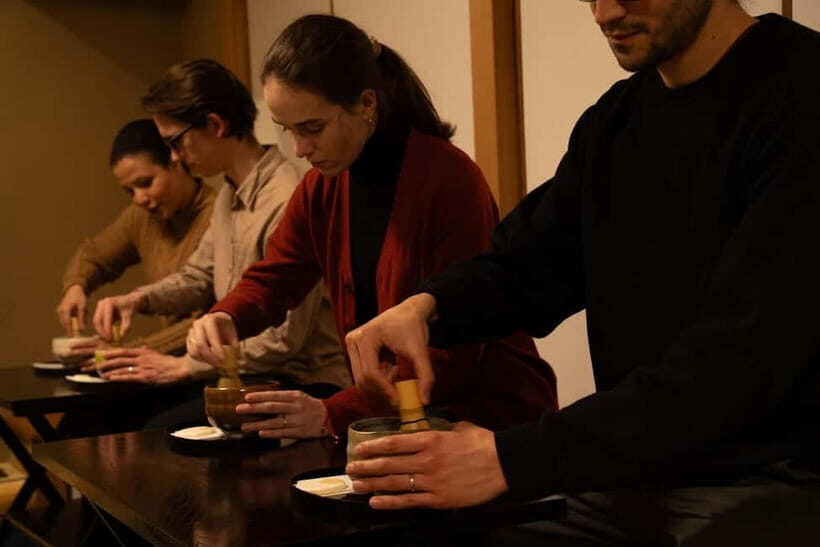
- Step 5: Hands-on matcha preparation
- Step 6: Matcha and sweets, in the ceremony order
- Step 7: Q&A and reflection
- Uji Matcha and Seasonal Sweets: The Taste Part That Teaches Too
- Private Group Coaching: Why It Feels So Personal
- Price and Value: Is $101 for 1 Hour Fair?
- Timing Tips and What Might Feel Tight at the End
- Who This Tea Ceremony Suits Best
- Should You Book This Private Tea Ceremony in Kyoto?
- FAQ
- How long is the Kyoto private tea ceremony?
- What is the price per person?
- What’s included in the experience?
- Where do I meet for the tea ceremony?
- What languages does the instructor speak?
- What should I wear or bring?
- Is there free cancellation, and can I record video or audio?
Key things you’ll care about
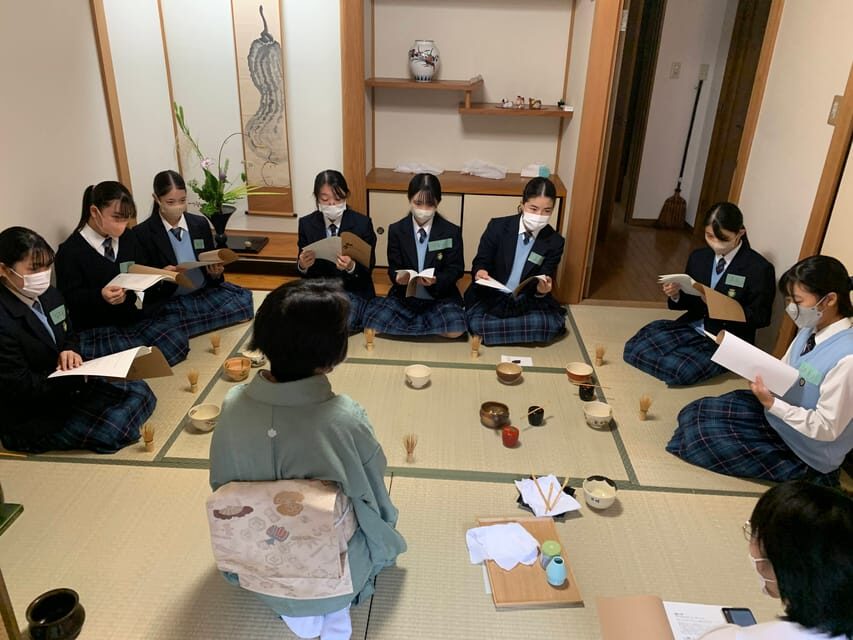
- Local-home setting near Nijo Castle: easy to pair with other central Kyoto sights.
- Certified tea master coaching: clear explanations in English and Japanese.
- Uji matcha and a structured serving: you’ll enjoy 2 cups of matcha during the ceremony.
- Hands-on matcha preparation: you get taught the steps, then you try whisking yourself.
- Seasonal sweets included: 2 kinds served as part of the tea flow.
- Rules that protect the atmosphere: no perfume, socks required, and shoes off indoors.
A Kyoto Tea Ceremony in a Real Home, Not a Performance
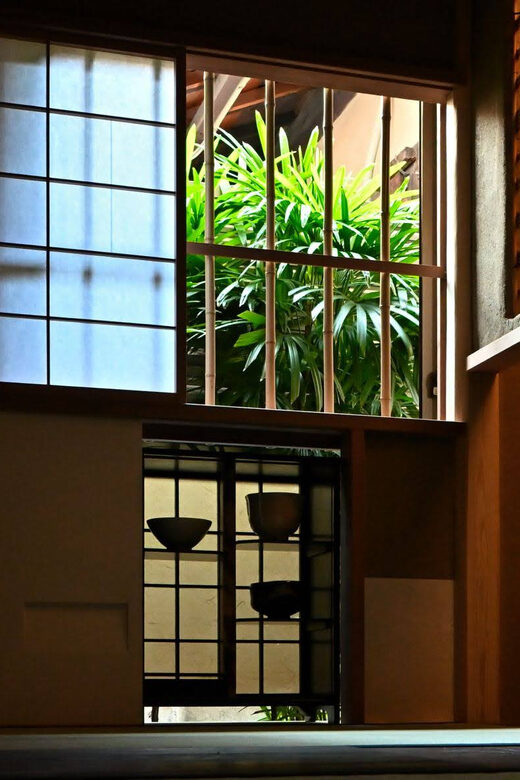
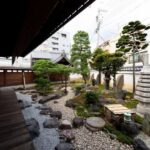
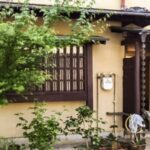
Kyoto’s tea ceremony is usually sold as a calm, scenic activity. This one adds something practical: it’s hosted in a local home setting, so the experience feels less like watching a show and more like learning a tradition in someone’s space.
The big payoff is that you’re not just tasting matcha. You’re learning the logic behind the movements—why the tea room matters, why certain steps come in a specific order, and why hospitality is part of the ritual. A tea master born and living in Kyoto leads this, which matters because you get a living explanation rather than a generic script.
Also, this is a private group. That changes the whole tone. Instead of forcing yourself to ask questions at the right moment, you can get answers during the Q&A and reflection part of the session.
You can also read our reviews of more private tours in Kyoto



Getting There Near Nijo Castle: Simple, Central, Walkable
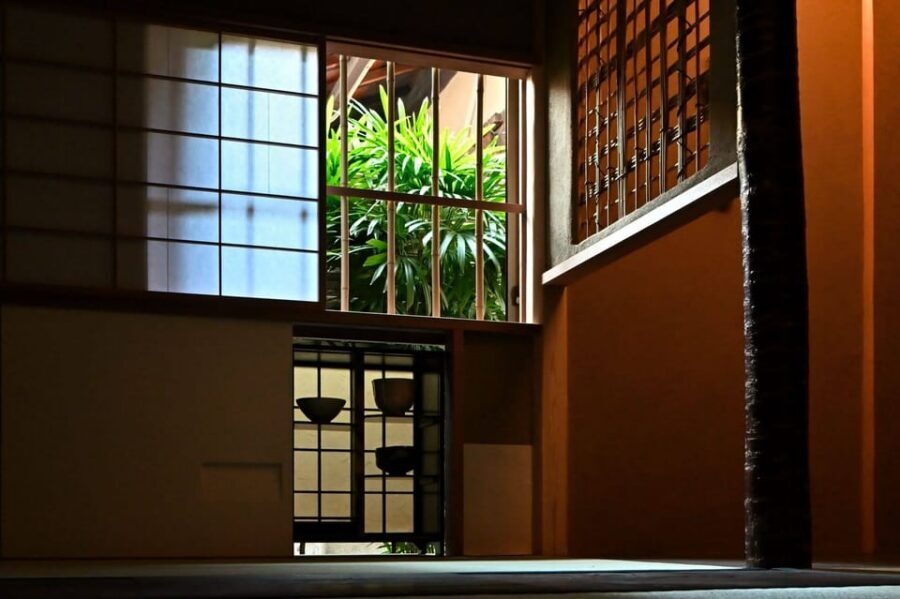
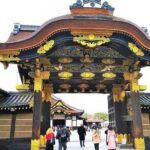
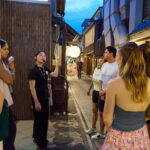
You meet at さくら 日本文化体験, with a convenient location for central Kyoto. The main area to remember is that it’s close to Nijojomae Station, and it’s also near Nijo Castle and the Kyoto Imperial Palace area.
Here’s the practical picture:
- About 3 minutes from Nijo Castle area, and about 3 minutes from the Kyoto city bus stop Nijojomae (on foot).
- About 10 minutes from JR Kyoto Station by taxi.
- About 15 minutes on foot from the Hankyu Shijo area.
This location is helpful because you can plan this tea ceremony as part of a day that already includes nearby landmarks. You won’t lose your afternoon to long transit time.
What the Tea Room Asks of You (And Why It’s Not Just “Rules”)
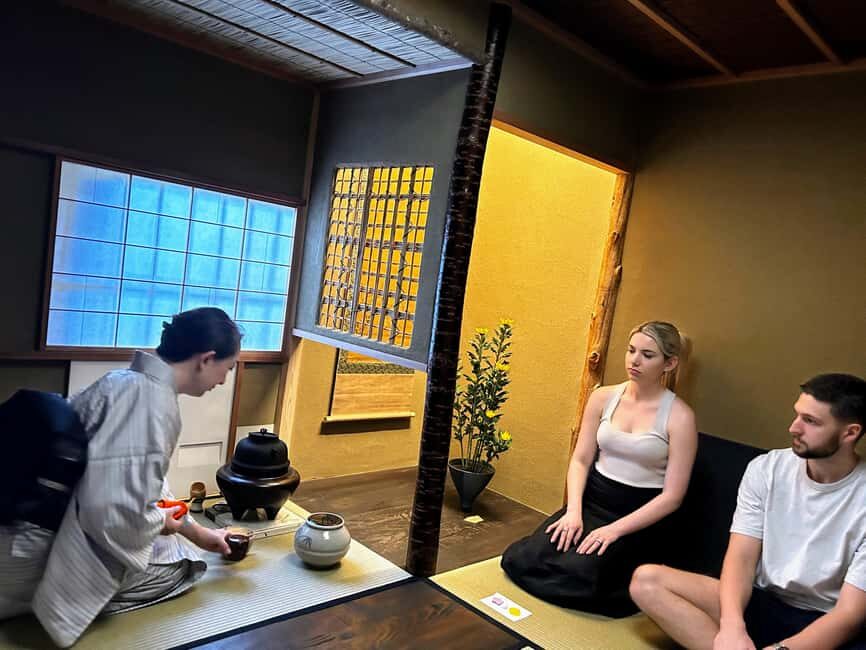
Tea ceremony spaces take comfort seriously, but they also protect the mood—quiet, clean, and respectful. That’s why the expectations are strict, and it’s worth reading them carefully before you show up.
Dress and personal-care basics
Plan on:
- Long trousers or a long skirt (shorts and short skirts aren’t allowed).
- Socks. If you don’t have them, socks can be provided for a fee.
- No hats, no sleeveless shirts, and no jewelry.
- Come without perfume and avoid strong fragrances.
Inside the room
- No shoes indoors.
- No bare feet.
- No smoking or vaping indoors.
- No alcohol and no drugs.



Recording and personal behavior
- Video recording is not allowed.
- Audio recording is not allowed.
I actually like that these guidelines are clear. When you know what’s off-limits, you can focus on the ritual instead of worrying whether you’re breaking some invisible rule.
The 1-Hour Flow: What Happens From Hello to Final Sip
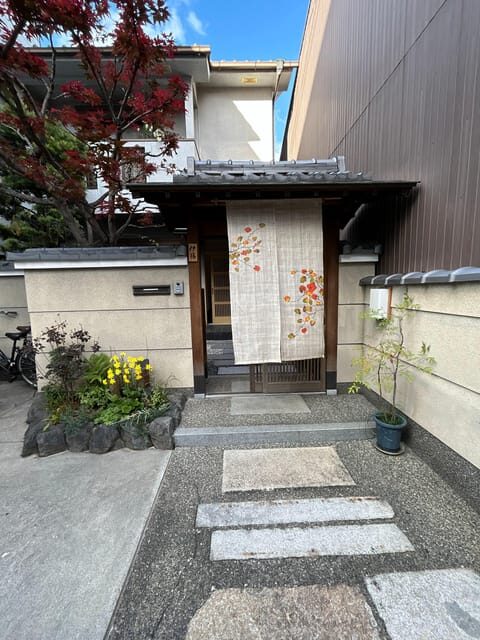
This is a private tea ceremony lasting about 1 hour, built to teach you step-by-step, not just let you taste matcha and go.
Step 1: Warm welcome and a tea ceremony introduction
Before you even start moving through the ritual, you receive an explanation that sets the context. The tea master walks you through what the tea ceremony is and how it developed into a practice tied to Japanese culture.
This intro matters because it turns the rest into something you can understand, not just copy.
Step 2: A detailed guided demonstration
You’ll watch a demonstration that connects the graceful motions to the idea of seasonal hospitality and respect. You’re not just observing; you’re learning the reason behind the gestures.
At this point, you’ll understand that the calm atmosphere isn’t accidental. It’s part of the teaching.
Step 3: Utensils and what they mean
You’ll learn about tea tools and their significance, including:
- The tea bowl (chawan)
- The tea whisk (chasen)
- The tea scoop (chashaku)
You also get practical advice on how to use and care for these utensils. Even if you never buy the tools yourself, this helps you read what you’re seeing and appreciate craftsmanship.
Step 4: Etiquette for holding, serving, and appreciating tea
You’ll be taught how to handle the tea bowl and how to enjoy the tea properly. This isn’t about strictness for its own sake—it’s about creating a respectful rhythm between host and guest.
You’ll also be shown how the mindset part works: tea isn’t just a drink; it’s a moment.
Step 5: Hands-on matcha preparation
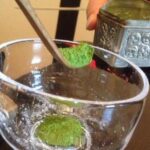
This is one of the best parts because it’s active. You get the chance to prepare matcha yourself, using what you just learned—so you experience the effort and care behind each cup.
Step 6: Matcha and sweets, in the ceremony order
During the session, you’ll be served matcha and enjoy sweets that match the season’s mood. You’re guided through enjoying them as part of the flow, not as an afterthought.
Step 7: Q&A and reflection
The session ends with time for questions and reflection, which is where this kind of private learning becomes really valuable. If something still feels unclear—history, tools, etiquette—you can ask and get a direct answer.
Uji Matcha and Seasonal Sweets: The Taste Part That Teaches Too
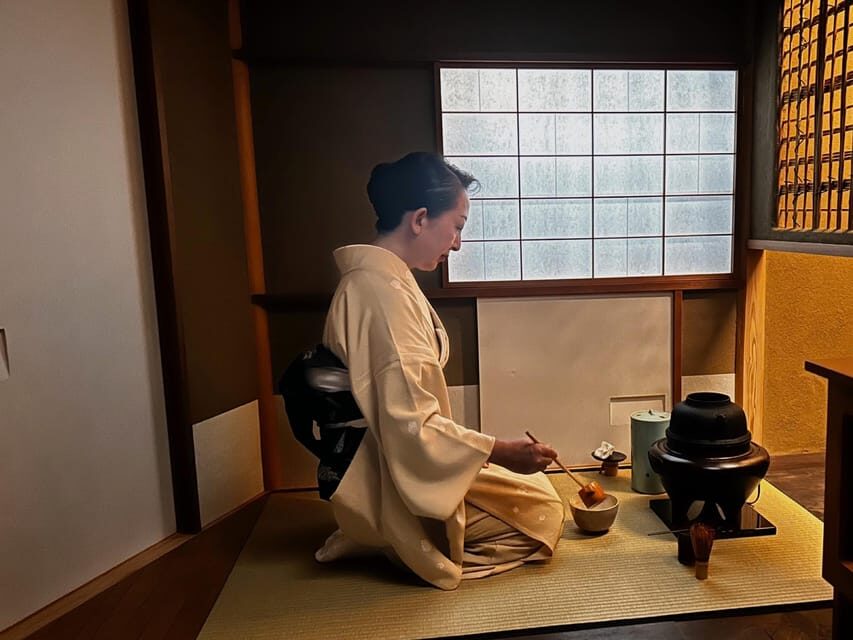
The tea isn’t random. You’ll enjoy 2 cups of matcha, made in Uji, Kyoto—and that alone is a major value piece. Uji is strongly connected with matcha culture, and in a tea ceremony, the matcha is the center of gravity.
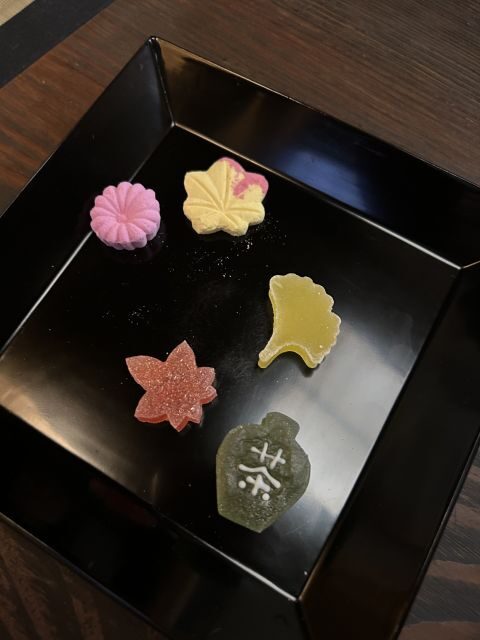
Alongside that, you’ll have two types of order-based seasonal Japanese sweets. The information here describes them as traditional dried sweets, and they’re served in a way that supports the tea tasting experience—think of them as palate partners for matcha rather than a separate snack break.
What I like about pairing tea with sweets in a structured way is that you can taste more than one thing. You start noticing balance: sweetness, bitterness, and how the ritual flow shapes your attention.
If you have dietary needs, this is where you should feel comfortable. The experience states it accommodates LGBTQ, Halal, Vegan, and various allergies. Still, it’s wise to share your needs clearly when booking so the host can plan properly.
Private Group Coaching: Why It Feels So Personal
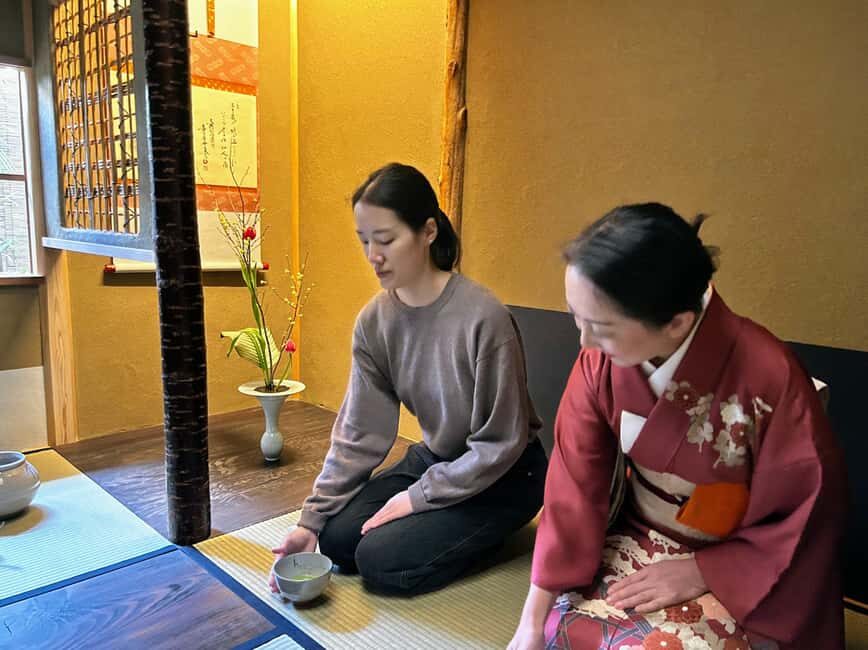
Private doesn’t just mean no strangers nearby. It means you get a calmer pace and better communication.
This ceremony is offered with an instructor who speaks English and Japanese, and you’re guided through the meaning of steps as you go. In the real world, that’s often the difference between understanding tea and just taking photos.
It also helps that the host is connected to Kyoto life. One past participant specifically mentioned being welcomed into the host’s home by Aya-san (English-friendly name Aya-san), which matches the feeling you’re going for here: a real Kyoto home experience.
Price and Value: Is $101 for 1 Hour Fair?
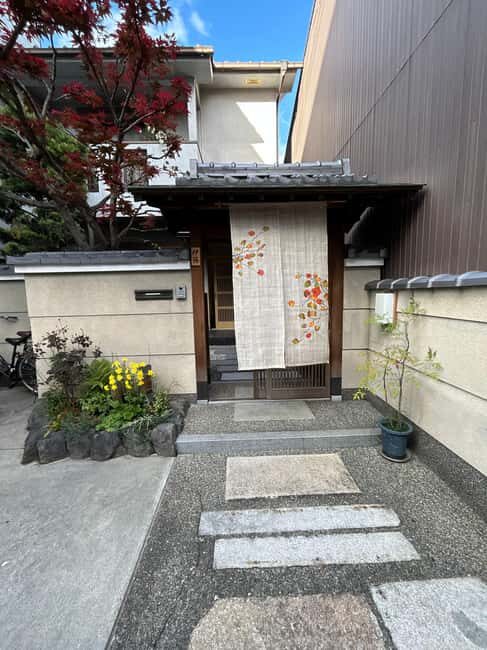
At $101 per person for a 1-hour private ceremony, you’re paying for several things at once:
- A certified tea master’s guided instruction
- A private learning environment
- Uji matcha served as 2 cups
- Two types of traditional seasonal sweets
- A provided certification from the tea master
The value is strongest if you want more than a quick tasting. If you’re curious about tea history, tools, and etiquette—and you like having your questions answered—this format makes sense.
If you only want a casual snack and a mild cultural stop, you might find cheaper tea experiences elsewhere. But for a learning-focused session with high-quality matcha and real instruction, this pricing sits in the reasonable range for Kyoto.
Timing Tips and What Might Feel Tight at the End
Because it runs on a set schedule, you should plan for the possibility that the session feels a little faster near the finish—especially if the next group arrives right after.
My practical advice:
- Arrive early enough to settle in and follow the room rules without stress.
- Ask any key questions during the Q&A portion rather than trying to fit them in at the very end.
- Wear what you can move comfortably in, since you’ll be doing hands-on preparation and sitting throughout.
If you show up ready to slow down, the pace won’t feel like a problem—it’ll feel like a focused lesson.
Who This Tea Ceremony Suits Best
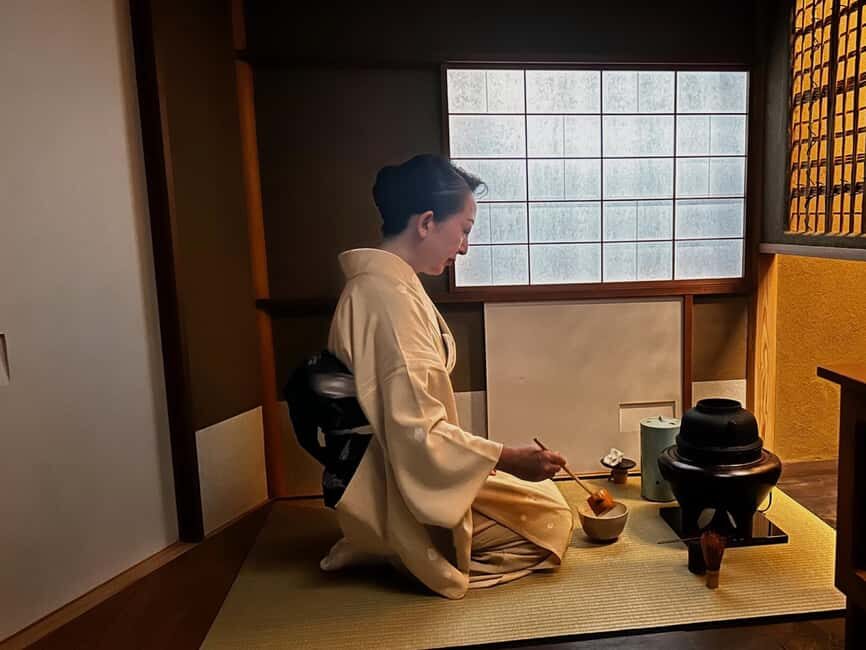
This is especially good for you if:
- You’re a beginner who wants a structured introduction to tea ceremony basics.
- You want the meaning behind tools, etiquette, and the ritual—not just a beverage.
- You care about inclusivity and need accommodations such as Halal, vegan options, or allergy handling.
- You want a calm, respectful experience in central Kyoto without complicated planning.
It’s not suitable for children under 13, based on the activity rules.
Should You Book This Private Tea Ceremony in Kyoto?
I’d book it if your goal is to learn how tea ceremony works—history, tools, etiquette, and the simple discipline behind the gestures—while actually tasting Uji matcha with seasonal sweets.
Skip it if you dislike strict room rules, don’t want to prepare or sit through a structured 1-hour flow, or you’re only looking for a casual photo stop.
If you want one experience in Kyoto that teaches you to slow down and pay attention, this private ceremony in a local home is a strong choice.
FAQ
How long is the Kyoto private tea ceremony?
The duration is about 1 hour.
What is the price per person?
The price is listed as $101 per person.
What’s included in the experience?
You’ll get 2 cups of matcha, 2 kinds of traditional Japanese dried sweets, and a certification from the tea master.
Where do I meet for the tea ceremony?
You meet at さくら 日本文化体験, which is about 3 minutes from the Nijo Castle area and the Nijojomae station area on foot, and about 10 minutes from JR Kyoto Station by taxi.
What languages does the instructor speak?
The instructor offers English and Japanese.
What should I wear or bring?
Wear comfortable clothes with long trousers or a long skirt (shorts and short skirts aren’t allowed). Bring socks, since you can’t go in barefoot and you won’t wear shoes indoors. Also come without perfume, and avoid jewelry, hats, and strong fragrances.
Is there free cancellation, and can I record video or audio?
You can cancel up to 24 hours in advance for a full refund. Video recording and audio recording are not allowed during the experience.