REVIEW · OSAKA
Osaka: Japanese Zen Massage and Facial at the Temple/180-min
Book on GetYourGuide →Operated by japanese massage 唯一無二 -the one&only- · Bookable on GetYourGuide
A temple spa day feels like time slowing down. You’ll get bamboo fascia release plus a matcha facial and head spa, all set inside a calm Osaka temple. It’s one of those rare experiences where culture and comfort move together, not in separate boxes.
I especially love how the hands-on care is paired with quiet temple rituals, from incense offering to bell meditation, so you actually feel you’re in the right headspace before the massage starts. The main thing to plan for is that the tea ceremony part may be shared with other guests, so it’s not always fully private.
In This Review
- Key highlights to look forward to
- Osaka Zen Massage in a Temple: What Makes It Different
- The 180-Minute Flow: From Yukata to Tea Ceremony
- 1) Welcome drink, change into yukata
- 2) Temple visit with incense offering and worship culture
- 3) Meditation with bell and kneaded incense
- 4) Foot bath and scrub massage
- 5) Warm bamboo and hand oil massage for full-body relief
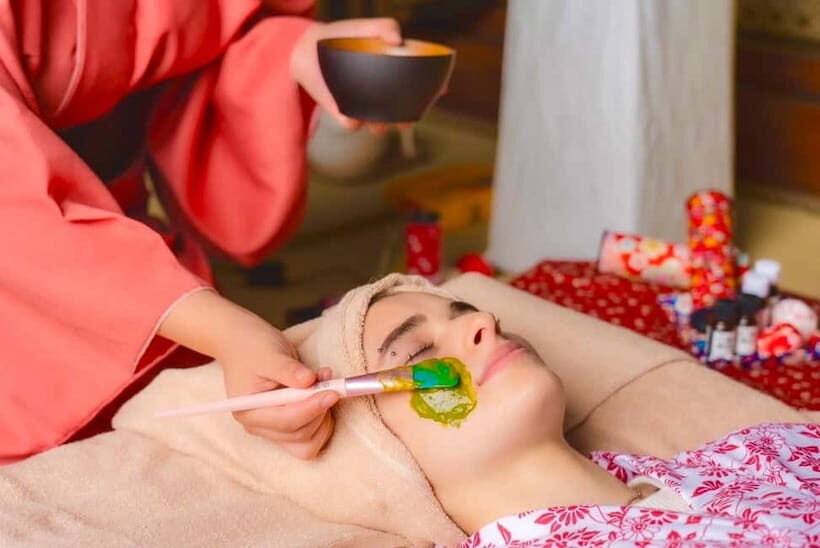
- 6) Matcha facial treatment and head spa
- 7) Tea ceremony with original sweets
- 8) Commemorative photos in yukata
- Bamboo Fascia Release: What It Feels Like and Why It’s Worth It
- Matcha Facial + Head Spa: A Travel Stress Reset
- Foot Bath and Scrub Massage: The Most Underappreciated Part
- Tea Ceremony and Sweets: Closing the Loop
- Yukata + Photo Keepsake: A Fun Osaka Memory With Real Meaning
- Price and Value in Osaka: Is It Worth $258?
- Who This Osaka Temple Massage Fits Best
- Before You Go: Small Tips That Make a Big Difference
- Getting to the meeting point without stress
- Should You Book This Zen Massage and Facial?
- FAQ
- How long is the Osaka Zen Massage and Facial at the Temple experience?
- What is included in the 180-minute package?
- Is it a private experience?
- Where do I meet the provider?
- Is this experience suitable during pregnancy?
- Do I get photos from the experience?
Key highlights to look forward to
- Small group (up to 3 people): personal attention without feeling rushed or lost in a crowd
- Incense + bell meditation in the temple: gentle rituals that set the tone before treatment
- Warm bamboo and fascia release: bamboo stick work with warm oils aimed at muscle relief and circulation
- Matcha facial plus head spa: facial massage and scalp care in one continuous wellness flow
- Foot bath with scrub massage: warm start that makes the whole session feel smoother
- Yukata experience and photo keepsakes: you’ll change into a yukata and get complimentary smartphone photos
Osaka Zen Massage in a Temple: What Makes It Different
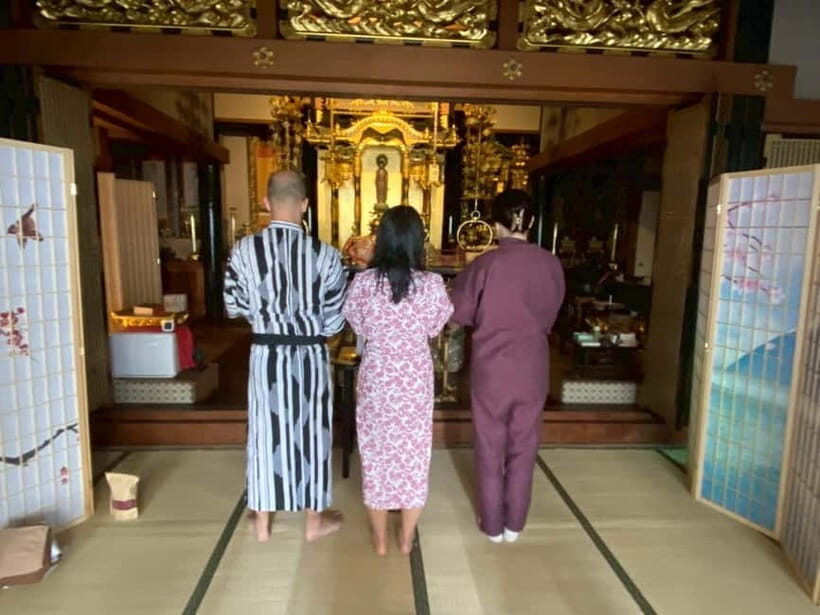
If you’ve had massages in hotels, this will feel different fast. This isn’t just a massage with a pretty room. It’s a temple-based wellness routine that mixes body care with Japanese mindful rituals, so the experience doesn’t start with lotion. It starts with context.
The first big win for you is that the day doesn’t bounce between too many activities. Everything is tied together: incense, meditation, warm foot care, oil massage, then matcha facial and tea. That flow matters because your body relaxes faster when your mind has been guided first.
The second win is the style of bodywork. This isn’t the typical quick “relaxing” rub. You get full-body oil massage, plus fascia release with a bamboo stick and warm oil that’s designed for muscle relief and improved circulation. You’ll feel it most in areas that hold tension (often shoulders, neck, and back), and the fascia work can make you feel looser in a way that plain kneading sometimes doesn’t.
One more practical note: you’ll wear a yukata, and you’ll leave with photos. It’s a nice souvenir that doesn’t require awkward posing for a full photo session, and it adds to the feeling that you truly stepped into temple life for a few hours.
You can also read our reviews of more tours and experiences in Osaka.
The 180-Minute Flow: From Yukata to Tea Ceremony
Your total time is about 3 hours (the core treatment track is listed as 180 minutes). The order may feel deliberate rather than strict, because the temple rituals and the bodywork take turns being the main event.
Here’s the practical flow you can expect, step by step:
1) Welcome drink, change into yukata
You’ll begin with a welcome drink and then change into a yukata. This is more than a costume moment. In practice, putting on a yukata signals a shift from sightseeing mode to slow, grounded mode. Your body starts to accept the pace.
If you’re wearing anything restrictive, you’ll appreciate having a few minutes to settle into lighter clothing before the care begins.
2) Temple visit with incense offering and worship culture
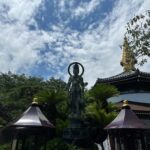
Next comes a temple visit that includes an introduction to the temple’s history and Japanese worship culture. You’ll also do an incense offering experience. Even if you’re not an expert in Buddhism or Japanese customs, this is designed to help you understand what you’re doing while you’re doing it.
In practical terms, this section helps you avoid the common problem: standing around feeling like you’re in the way. When someone explains what incense offerings represent and how the ritual is performed, you feel confident and respectful.
3) Meditation with bell and kneaded incense
After that, there’s meditation with a bell, plus kneaded incense. This part is often the mental turning point. Your mind gets an off switch, and your body follows.
Don’t expect intense chanting or anything dramatic. The emphasis is calm participation. The goal is to help you show up for the massage with less tension and more patience.



4) Foot bath and scrub massage
Then you shift from ritual to physical comfort. You get a foot bath and scrub massage. Starting with your feet makes the whole session easier because it signals to your nervous system that you’re safe and supported.
If you’ve been walking a lot in Osaka, this is the section you’ll feel immediately. Warm water plus gentle scrubbing can be surprisingly effective at loosening the whole lower body.
5) Warm bamboo and hand oil massage for full-body relief
Now the main massage work begins. You’ll receive warm bamboo work along with hand oil massage for muscle relief and improved circulation. This is a fascia release style, using a bamboo stick.
Some people are familiar with oil massages. Fewer have had fascia-focused bamboo work, so it’s worth going in with an open mind. The point isn’t to punish tight muscles. It’s to encourage softer movement in the tissue layers that feel stuck.
6) Matcha facial treatment and head spa
After the body massage, you’ll move into face and scalp care. The package includes matcha facial treatment and a head spa with head massage.
This is a great pairing. Massage to the body relaxes your overall system, and then the head spa targets one of the most common stress zones: scalp and temples. If you get headaches from travel, you’ll likely understand why people love this part.
7) Tea ceremony with original sweets
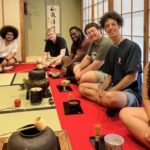
Finally, you finish with a tea ceremony experience, accompanied by original Japanese sweets. This is the “keep your calm going” ending. Instead of being thrown back into normal life right away, you sit with warmth, taste, and quiet.
One consideration: the tea ceremony can be shared with other guests. So if you want a fully private, no-one-else-here experience, you should contact the provider in advance.
8) Commemorative photos in yukata
You’ll also get complimentary smartphone photos of your experience in the temple. This is a nice touch. You don’t have to rely on your own selfie skills to remember the day.
Bamboo Fascia Release: What It Feels Like and Why It’s Worth It
Let’s talk about the “wow” technique, because the bamboo work is the signature here.
You’ll have fascia release with a bamboo stick, combined with warm bamboo and hand oil massage. That combination matters. Warmth tends to make the tissue more receptive, and the bamboo stick work focuses on the layers that can create that tight, stuck feeling you can’t shake with regular rubbing.
For you, the payoff is usually one of these:
- You feel less rigid through the shoulders and upper back
- Your movement feels smoother after the session
- Tight spots feel less sharp, even if they aren’t fully gone
Now, a balanced heads-up: massage quality can vary depending on the therapist’s approach and your expectations. If you’re picky about pressure or you have a specific problem area, it helps to communicate clearly about what feels good. The best results happen when you and the therapist are aligned.
Matcha Facial + Head Spa: A Travel Stress Reset
The matcha facial treatment and head spa are built for people who want beauty care that also functions like stress care.
The matcha element is part of the theme, but what you’ll really notice is the massage rhythm: soothing pressure that encourages circulation and relaxation in the face and scalp area. After a full-body massage, facial and head care can feel extra effective because your body is already in a calmer state.
If you spend your days in Osaka moving between neighborhoods, trains, and long walks, your head can end up feeling tight even when your legs feel fine. This section targets that hidden tension.
Also, the head spa plus scalp massage tends to help you feel refreshed without needing extra stimulation afterward. In plain terms: you’ll likely finish the experience feeling more human, not just temporarily relaxed.
Foot Bath and Scrub Massage: The Most Underappreciated Part
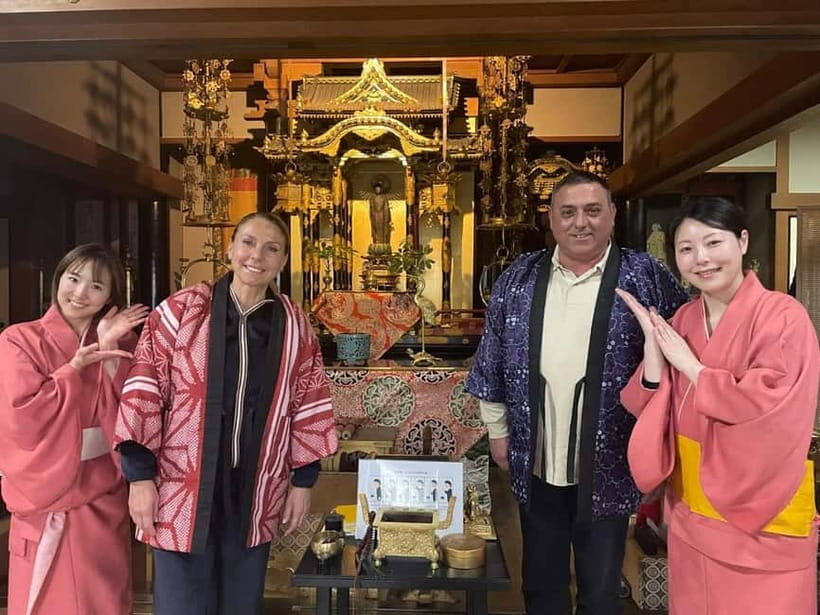
Foot care sounds minor until you try it after a few days of walking. The session includes a foot bath and scrub massage, plus warm care before the main massage begins.
Why I think this is smart for your day:
- Feet are packed with nerves and sensory input
- Warm water can calm the whole body faster
- Scrub massage can make you feel lighter on your feet
If you’re the type of traveler who loves “I can feel the difference” moments, this will get your attention early. And once your feet feel good, you tend to relax more easily when you get on the table for the full-body oil massage and bamboo work.
Tea Ceremony and Sweets: Closing the Loop
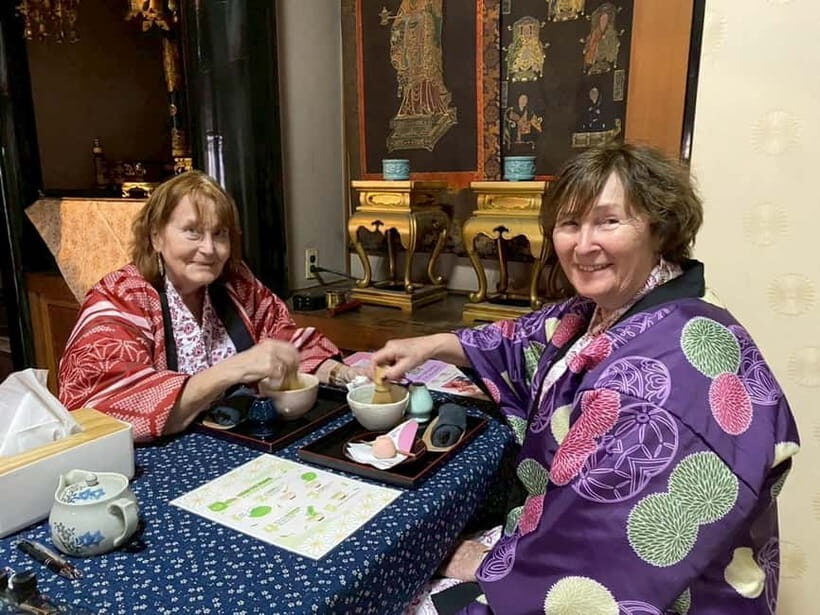
The tea ceremony isn’t just an add-on. It’s the soft landing after physical care.
You’ll be guided through the experience and served tea with original Japanese sweets. This is the point where you slow down and let the stress drop rather than rushing out to your next plan.
Because the tea ceremony may be shared with other guests, think of it as a calm group moment, not a one-on-one performance. That shared setup can still feel serene if you’re in the right mindset.
Tip for you: treat the tea like part of the treatment. Don’t use the tea break to check your phone nonstop. Let the quiet actually do its job.
Yukata + Photo Keepsake: A Fun Osaka Memory With Real Meaning
Wearing a yukata in a temple setting is a practical joy. It makes the day feel ceremonial, and it also helps you “be present” instead of drifting through the day as another tourist.
You’ll also get complimentary smartphone photos. That’s a win for two reasons:
- You don’t need to manage your own camera setup
- The photos are tied to the moment, not just generic travel snapshots
It’s a nice balance of culture and a tangible keepsake.
Price and Value in Osaka: Is It Worth $258?
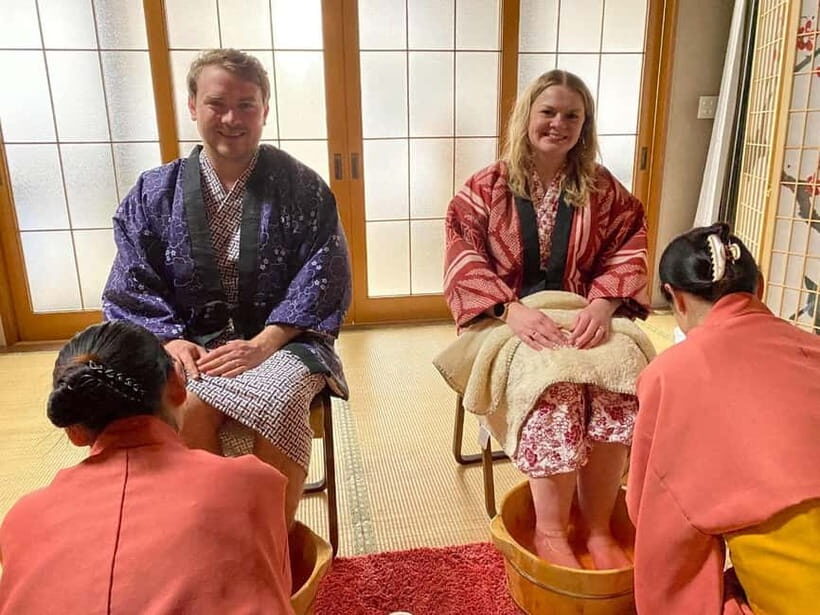
At $258 per person for a 3-hour experience, you should judge this by what’s included, not just the headline number.
Here’s the value math in plain terms:
- You’re paying for a full guided temple ritual segment (incense offering, bell meditation, temple introduction)
- You get multiple bodywork components: full-body oil massage, bamboo fascia release, warm bamboo work
- You also receive facial and head care: matcha facial plus head spa
- You get foot bath and scrub massage
- You finish with tea ceremony and Japanese sweets
- You receive yukata experience and complimentary photo keepsakes
In other words, you’re not just buying a single treatment. You’re buying a structured wellness block that combines cultural guidance, multiple modalities, and a calm ending.
Could you find a cheaper massage in Osaka? Sure. But if you want a session that feels like more than a spa visit—something that includes ritual and a gentle cultural frame—this price starts to make sense.
For best value, book it on a day when you don’t have a tight schedule afterward. You’ll enjoy it more, and you’ll get more from the relaxed momentum afterward.
Who This Osaka Temple Massage Fits Best
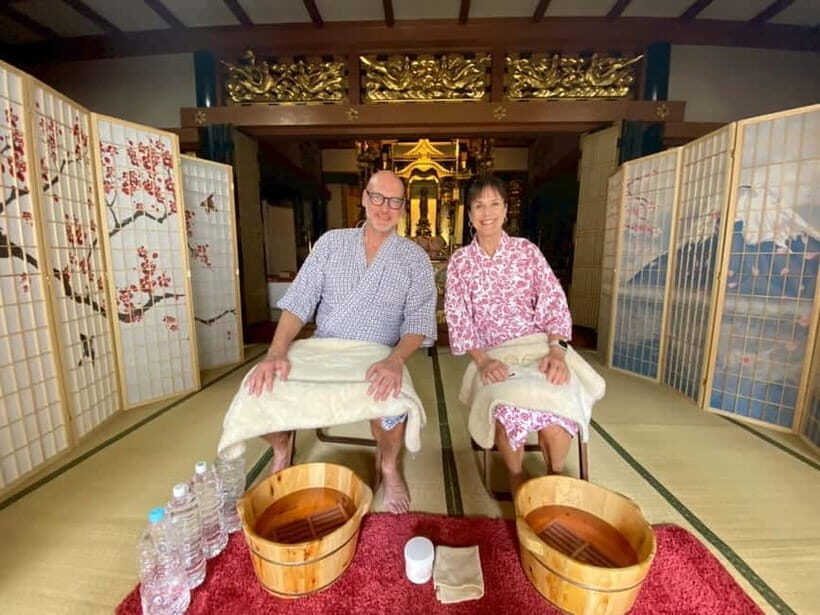
This works especially well for you if:
- You want a calm, structured experience instead of a DIY temple visit
- You’d like wellness that includes mindfulness and ritual, not only physical therapy
- You’re chasing that head-to-toe stress relief feeling after city walking
- You enjoy cultural activities like tea ceremony and incense offerings
It’s also a good option when you want a break that doesn’t require a full hotel spa day.
It’s not suitable for pregnant women, so if that applies to you, you’ll want another kind of wellness day.
Before You Go: Small Tips That Make a Big Difference
A few practical things will help your day go smoothly:
- Wear comfortable clothing until you’re able to change into the yukata.
- Keep your phone charged and ready only for the photo moment, since the experience is meant to be calm.
- If you have areas that are especially tight (neck, shoulders, lower back), think about that before the massage begins so you can communicate clearly.
Getting to the meeting point without stress
This matters more than people think. Use Google Maps carefully:
- Search for Japanese Massage -the one&only-
- If you can’t find it, search for the restaurant Tossa de coracao and look next to it
The instruction is straightforward, and following it will save you time and confusion.
Should You Book This Zen Massage and Facial?
I’d book it if you want the rare combination of temple culture plus practical physical relief in one calm, guided afternoon. The bamboo fascia release, matcha facial, and head spa are the kind of “full reset” lineup that tends to stick with you, especially after walking Osaka for days. Add in the tea ceremony and yukata photo, and it feels like a complete experience rather than a quick appointment.
Don’t book it if you’re looking for a totally private event, because the tea ceremony may be shared. And don’t book it if you’re pregnant.
If you want a meaningful wellness break with more intention than just a massage menu, this one is easy to recommend.
FAQ
How long is the Osaka Zen Massage and Facial at the Temple experience?
It lasts about 3 hours, with the treatment portion listed as 180 minutes.
What is included in the 180-minute package?
It includes a welcome drink and yukata change, a temple visit with incense offering and introductory context, meditation with bell and kneaded incense, foot bath and scrub massage, warm bamboo and hand oil massage, matcha facial treatment and head spa, a tea ceremony with sweets, and complimentary smartphone photos.
Is it a private experience?
It’s a small group limited to 3 people. The tea ceremony part may be shared with other guests, so it may not be fully private.
Where do I meet the provider?
In Google Maps, search for Japanese Massage -the one&only-. If you can’t find it, search for the restaurant Tossa de coracao, and the meeting point is right next to it.
Is this experience suitable during pregnancy?
No. It is not suitable for pregnant women.
Do I get photos from the experience?
Yes. You receive complimentary smartphone photos of your experience in the temple, plus a commemorative photo in your yukata.