REVIEW · OSAKA
Osaka & Kyoto & Nara Top Hightlights English Speaking Tour
Book on Viator →Operated by Scenic Bend · Bookable on Viator
Japan turns into a highlights reel in one long day. This tour strings together Kiyomizu-dera in Kyoto, the Senbon Torii at Fushimi Inari, and classic Nara deer time, with a local driver and an English-speaking guide who’ll help you keep your bearings. I like the tight logistics for first-timers and the amount of walking landmarks you get without having to plan trains or transfers. The catch: it ends in Osaka (not Kyoto), and the “highlights” format means you may feel the day is fast at times, especially if a site is crowded or weather slows things down.
If you’re chasing photos of famous places plus a chance to ask questions, this format works well. You’ll also get built-in strolling time through Kyoto’s older lanes near Kiyomizu-dera, then a big free window at Fushimi Inari and Nara Park. One more thing to consider: two major temple entrances are not included, so you should expect a little extra spending on top of the $54 price.
Speaking of value, $54 is low for a full-day cross-city day trip with vehicle fuel, tolls, and a guide included. Just remember what’s not in that number: food, drinks, and some admissions like Kiyomizu-dera and Todaiji. In short, you’re paying mostly for transport + guided timing, and you’ll pay a bit more once you’re at specific temples.
In This Review
- Key highlights you’ll actually feel
- A one-day hit list: Osaka to Kyoto to Nara
- Kiyomizu-dera and the old-street walk in Higashiyama
- Fushimi Inari’s Senbon Torii: why timing and free time matter
- Nara Park deer time and the Todaiji sprint
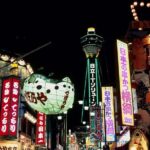
- Shinsaibashi in Osaka: ending near food, lights, and shopping
- Guide support: what English-speaking help looks like in practice
- Price and value: what $54 covers, and what you’ll likely add
- Comfort, crowds, and walking: your real checklist before you go
- Should you book this Osaka Kyoto Nara highlights tour?
Key highlights you’ll actually feel
- A true one-day Osaka–Kyoto–Nara route that avoids you hunting down trains and transfers
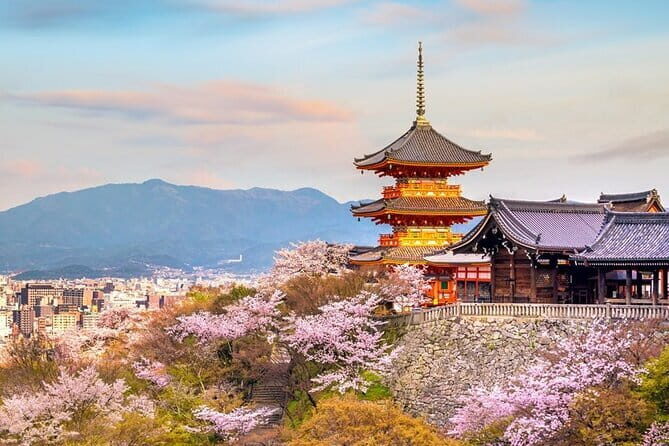
- Kiyomizu-dera + Higashiyama lanes like Nineizaka/Sanneizaka and Hanamikoji Street are built into the flow
- Fushimi Inari’s torii gates with admission included and time to wander at your own pace
- Nara Park is generous (free time for deer encounters), even if Todaiji itself is a shorter stop
- Ending in Shinsaibashi (Namba area) can be great for shopping and dinner, but it is not a return to Kyoto
A one-day hit list: Osaka to Kyoto to Nara
This is a classic “see the best, move smart” day. You start in the Osaka Nihonbashi/Namba area and travel by vehicle to Kyoto first, then continue to Nara, and finally come back into Osaka for some downtime in Shinsaibashi.
The big reason this kind of tour is popular is simple: you compress three separate regions into one day. That’s perfect when you have limited time in Kansai. It’s also why the schedule is tight. The day is built around a mix of guided walking and free time windows, with travel time folded in and the rest used for sightseeing.
One practical detail that matters: the tour ends in Osaka and does not return to Kyoto. If you’re staying in Kyoto and wanted your day to end back near your hotel, you’ll have to plan your own ride or train after the tour finishes.
You can also read our reviews of more tours and experiences in Osaka.
Kiyomizu-dera and the old-street walk in Higashiyama
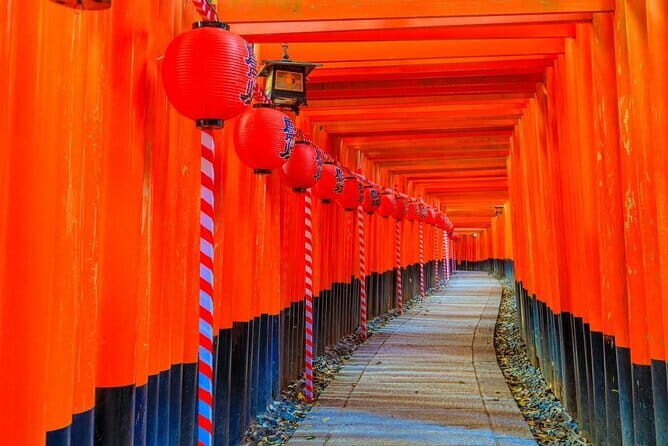
Kiyomizu-dera is the heart of the Kyoto portion, and you get a real chunk of time—about 2.5 hours total at this stop including lunch time. Admission for Kiyomizu-dera is not included, so bring cash or be ready to pay on-site.
What you’re really buying here isn’t just the temple. The route also includes Kyoto’s famous “old streets” vibe: Nineizaka and Sanneizaka, Ishibei-koji Alley, and Hanamikoji Street, plus Yasaka Shrine. That matters because it changes how the day feels. Instead of only standing in temples, you get the in-between moments: narrow lanes, traditional storefront streets, and the sense that Kyoto is still living its history.
What to watch for: the stop is long enough to enjoy, but it still includes walking through crowded pedestrian zones. If you’re the type who likes slow museum-style pacing, you might feel you’re moving at “good speed.” Also, because Kiyomizu-dera admission isn’t included, you should budget a bit for that add-on.
Fushimi Inari’s Senbon Torii: why timing and free time matter
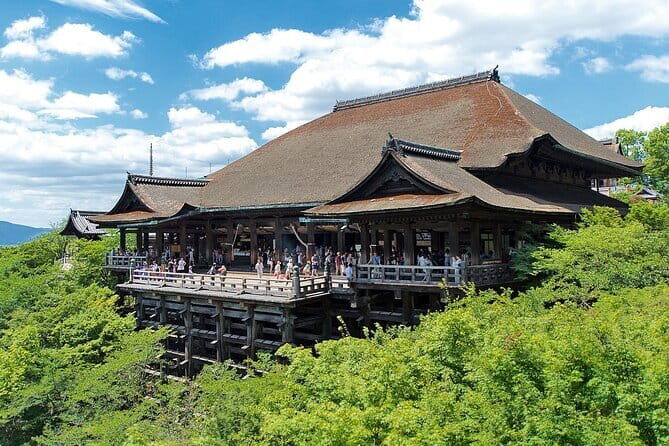
Then you head to Fushimi-Inari Taisha. This is the torii-gate experience people come to Kyoto for: the Senbon Torii. The good news is that admission is included, and you get about 70 minutes total with free time.
This is a smart arrangement. Fushimi Inari is famous for a reason, but it’s also easy to feel rushed there. A guided “show and go” approach wouldn’t work well, because the best part is choosing your own path upward (or not) and pausing for the photo angles you like.
My advice for making the most of your window: treat the time like a mini trek with flexible goals. If you want big views, aim to go farther up. If you’re more into atmosphere and photos at the lower gates, you can still have a great experience without exhausting yourself.
Possible drawback: it’s a popular stop. Even with a guided day, you’ll still need to share space with other visitors. If you hate crowding, go in with patience and plan to stop when the flow is thick rather than fighting it.
Nara Park deer time and the Todaiji sprint

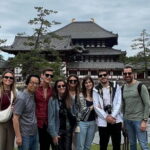
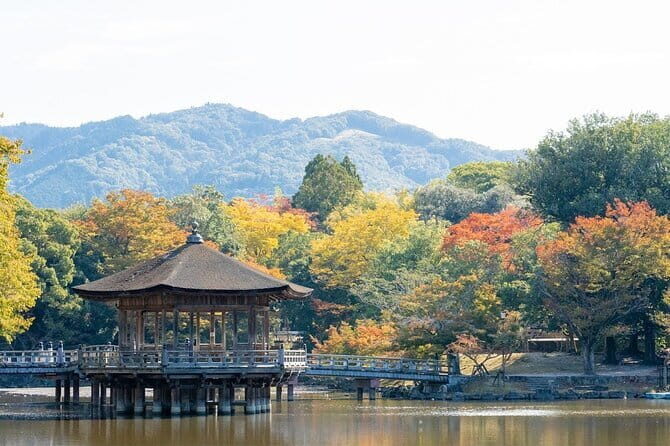
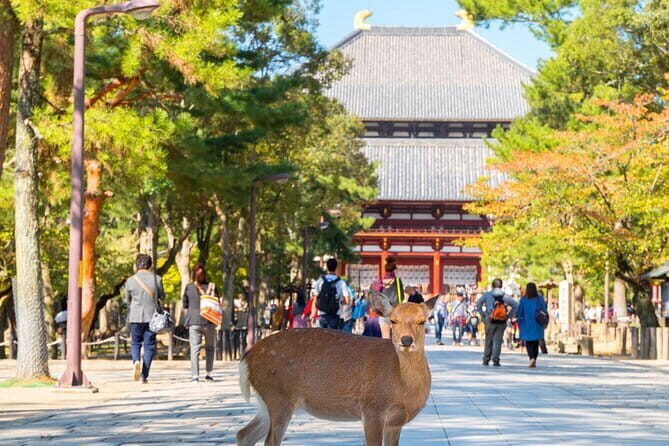
Nara Park is one of the most charming “right place, right animals” experiences in Japan. You get about 1.5 hours of free time there, which is enough to find deer, take photos, and wander around at a relaxed pace.
This is also where the day can feel most memorable. The deer encounter is lighthearted and immediate, and it works well even if you don’t know much about Japanese cultural specifics beforehand.
Then you have Todai-ji Temple. Here’s the trade-off: the stop is short (about 20 minutes), and admission is not included. So you’re not getting a full temple circuit; you’re getting a quick hit.
How to think about that: if your top priority is Nara deer and the iconic big-feel of Todai-ji, this stop structure works. If you’re hoping for slow, detailed time inside the complex, you may wish the Todaiji portion was longer. That’s not a deal-breaker—just know what “highlights” means today.
One more reality check: traffic and crowds can shift timing. If you’re visiting when routes or sidewalks are slow, you may end up with even less time at the last stops. That’s why the Nara free time buffer is valuable.
Shinsaibashi in Osaka: ending near food, lights, and shopping
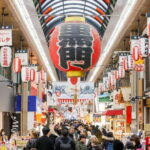
After Nara, you finish back in Osaka with about an hour in Shinsaibashi. This is a practical way to end the day. You get somewhere lively for dinner and walking without having to immediately figure out your next transport step.
The tour ends at Osaka Nihonbashi Exit 2 in the Shinsaibashi area in Namba. That can be a win if your hotel is in that general area, or if you want to go straight from sightseeing into street life and shopping.
If you’re heading back to Kyoto: plan your onward trip after the tour ends. Some people expect a shuttle back to Kyoto, but the tour itself stops in Osaka. That mismatch is one of the main sources of frustration in feedback you’ll see about this kind of itinerary.


Guide support: what English-speaking help looks like in practice

This tour runs with a local professional driver and a tour guide. The guide’s job is to keep you oriented—explaining what to see, offering tips, and helping you navigate between stops. Some guides are described as energetic and very story-driven, with names like Anna, Amy Ono, Lou, Yang, Liu, Jason, and Eigai popping up in feedback.
It can also be a multilingual day. One review specifically called out a translator doing a great job across multiple languages, which is reassuring if your Japanese is limited.
What you should expect day-to-day: the schedule is fixed, but the depth of commentary can vary depending on the guide and the pace of the day. Some guides feel like a moving classroom with clear, helpful direction. Others may focus more on timing and logistics. If you want deep historical context, it helps to do a little reading before you go, so the highlights land even if the commentary is lighter.
Also, the tour is capped at a maximum of 45 travelers. That size is big enough to be efficient, but not so huge that it turns into chaos at every stop. Still, you’ll want to stay aware when boarding and when meeting the bus again, especially after free time.
Price and value: what $54 covers, and what you’ll likely add
$54 is what you pay for the vehicle and guiding support: vehicle fuel and highway tolls, driver and guide service fees, vehicle service charges, and the tour guide. You also get a mobile ticket, which is convenient.
But the day is not “all-inclusive.” Food and drinks are not included. And temple admissions for Kiyomizu-dera and Todai-ji are not included. Fushimi Inari’s admission is included, so at least one major ticket is handled.
How I’d judge value for you: if you’d otherwise spend money and time on train transfers between Osaka, Kyoto, and Nara, a $54 guided transport day can be a bargain. You’re paying for convenience and structure. If you already planned your own itinerary and are comfortable with public transit, the value depends on how much you want the guided timing and how much you want more time in Kyoto instead of cramming.
Comfort, crowds, and walking: your real checklist before you go
This is a walking day. It mixes temple steps, lane strolling, and getting around where buses can park farther from the main sights. You should be ready for long stretches on foot.
Here are the main comfort points to keep in mind based on what people run into:
- Air-conditioning complaints can happen on hot days. One feedback mentioned weak bus AC feeling uncomfortable in summer. If you travel in warm months, plan for that possibility.
- Traffic can slow everything down on weekends and red-day holidays. The tour itself notes traffic jams may occur, which can steal a few minutes from sightseeing.
- New Year crowds can change temple access. One feedback described a New Year trip that ended up with less temple time due to heavy worshiper crowds.
- You may not get your exact time fantasy. The total day length is roughly 9 hours 20 minutes. Time at stops can be adjusted for weather and road conditions.
Also, pack light. The tour specifically says it’s not recommended to bring luggage. If you must, you can bring one luggage piece per person, and extra charges may apply if you didn’t note luggage during booking or if you bring more than allowed. Foldable strollers can be carried, but you need to inform customer service in advance.
Finally: carry your passport and valuables with you and keep them safe. It’s a practical reminder that matters in crowded areas.
Should you book this Osaka Kyoto Nara highlights tour?
Book it if you want a fast, guided taste of Osaka, Kyoto, and Nara with Fushimi Inari and Nara Park as your anchor stops. It’s a good fit for first-time Kansai visitors, people on a tight schedule, and anyone who prefers structure over figuring out transfers. At $54, the transport and guiding value can be very hard to beat.
Skip it (or book with expectations set) if you’re hoping for a slow, deeply explained Kyoto day, or if you specifically need to end back in Kyoto. The tour finishes in Osaka near Shinsaibashi, not at your Kyoto lodging. If you’re sensitive to crowd flow, know that popular sites like Fushimi Inari and the Kiyomizu-dera area can get packed, and your time can compress further when conditions are tough.
If you’re the type who likes control, one smart compromise is this: plan to enjoy the tour for the logistics and major highlights, then use your free time windows to go at your own pace. That way you still get the big-name moments without feeling like you’re rushing through everything on someone else’s script.