REVIEW · OSAKA
Osaka: Traditional Japanese Ikebana Flower Art Experience
Book on GetYourGuide →Operated by Evesson Inc. · Bookable on GetYourGuide
Flowers, rules, and calm in Osaka. This hands-on Ikebana workshop in a modern gallery is guided by Fooraku, a Sogetsu senior master with 30+ years of experience, so you get real technique and real philosophy in plain English. I love the practical focus: you’re not just watching, you’re making an arrangement step by step, then leaving with a commemorative photo.
If you’re hunting for classic Osaka sightseeing, this is not that kind of day. It’s a concentrated art session, and the payoff is the skills you take home and the calm you experience in the gallery, not extra time out in town. Still, that focus is a plus if you like hands-on culture.
VADE MECVM Showroom #2 keeps things quiet and modern, and the small group size (up to 6) helps you actually get guidance. One more thing I liked: the after-workshop cultural exchange, where you can talk freely and swap stories in a relaxed setting.
In This Review
- Key highlights worth knowing
- Ikebana 101: what you’re really learning in Osaka
- VADE MECVM Showroom #2: the modern space that fits Ikebana
- Meet Fooraku and the Sogetsu School method
- Your hands-on workshop flow: from simple materials to a finished arrangement
- The principles that make Ikebana work (and why you can reuse them)
- The commemorative photo: a small detail with big payoff
- The after-class cultural exchange: a real human bonus
- Price and value: is $103 fair for this Osaka experience?
- Practical details that affect your day
- Who should book this Ikebana workshop, and who might not love it
- Should you book this Osaka Ikebana experience?
- FAQ
- How long is the Ikebana workshop?
- What is the price per person?
- Where does the workshop take place?
- Is the workshop taught in English?
- Who teaches the class?
- Is it a small group class?
- What’s included in the workshop?
- Is the venue wheelchair accessible?
- Do I need prior experience or special tools?
- What if I have plant allergies, or I want a private session?
Key highlights worth knowing
- Learn from Fooraku’s Sogetsu background: 30+ years, senior master teaching style.
- Make a full arrangement yourself using provided flowers, containers, and scissors.
- Understand the structure of Ikebana through core ideas like line, form, balance, and space.
- Get a commemorative photo so you have a memory you can share.
- Small group format limited to 6, with English instruction.
- Cultural exchange time right after you finish your arrangement.
Ikebana 101: what you’re really learning in Osaka
Ikebana is Japanese flower arrangement, but it’s not about making something busy or colorful. The goal is to shape nature into design—how lines move, how forms sit, and how empty space matters.
In this workshop, you’ll learn the basics behind that thinking. Expect to work with key Ikebana ideas like balance, line, form, and space, not just “where to put the stems.” That’s what makes the skill feel usable later, because you can apply the same thinking even when your materials change at home.
Also, Ikebana has long roots—over a thousand years—and it keeps evolving. The Sogetsu approach is modern-minded, so you’ll see how tradition can still feel current, especially in a clean, contemporary gallery setting.
You can also read our reviews of more tours and experiences in Osaka.
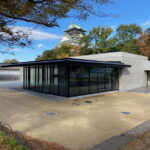

VADE MECVM Showroom #2: the modern space that fits Ikebana
Your class happens at VADE MECVM Showroom #2 in Kyomachibori, Osaka. The venue is described as a simple, modern gallery space with a quiet atmosphere, which matters more than you’d think.
Ikebana isn’t loud. You need a calm environment to notice proportions, spacing, and subtle adjustments. A minimalist space also helps you focus on what you’re making instead of distractions around you—especially if you’re coming in from the busy pace of Osaka streets.
From what people highlighted afterward, the setting felt stylish and easy to reach. That’s a small but real comfort: you want the effort to be getting there, not figuring out where to be once you’re already tired.
Meet Fooraku and the Sogetsu School method
The instructor is Fooraku, a senior master of the Sogetsu School. That detail matters because Sogetsu is known for giving students a clear way to think about arrangement while still leaving room for personal expression.
In practice, that usually means two things. First, you’ll get guidance that’s structured enough to help beginners move confidently. Second, you’ll be encouraged to make choices with your own materials instead of copying a single exact design.
You’re also not stuck with a translation problem. The workshop is taught in English, so you can follow the why behind each step. That’s one of the biggest “value” drivers here: understanding beats memorizing.
Your hands-on workshop flow: from simple materials to a finished arrangement
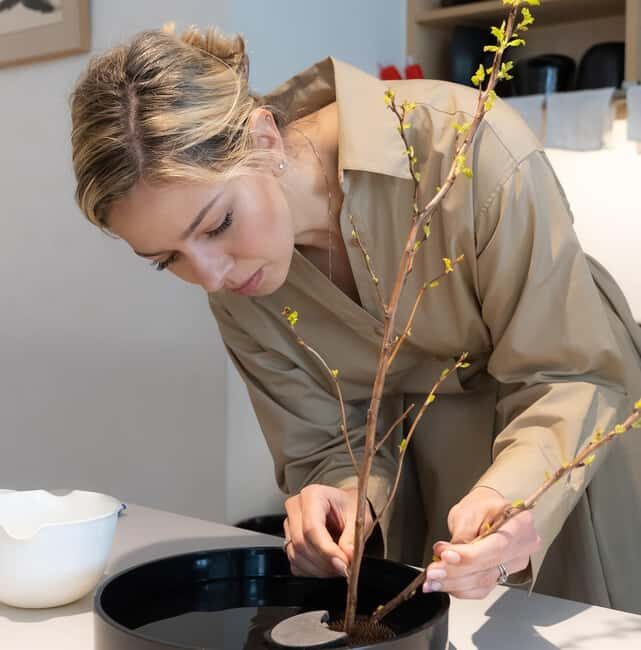
Here’s what the session is built around: you learn the principles, then you make your own Ikebana arrangement. Everything you need is provided, so you’re not hunting for tools.
You’ll be using everyday-style materials supplied by the workshop, including:
- flowers
- containers (vases or similar)
- scissors
No prior experience is required. The class is designed for beginners and art lovers alike, which is great if you’re worried about feeling awkward with a craft you’ve never tried.
A typical session follows this rhythm:
1) You learn the basic principles and how they connect to what you see.
2) You start building your own composition using the materials you’re given.
3) You make adjustments as you go, guided by the instructor.
4) Once you finish, you capture the moment with a commemorative photo.
What I like about this format is that it forces learning through doing. You’ll probably make a few small decisions—angles, spacing, the relationship between line and form—and those choices are exactly how you “get” Ikebana.
And since it’s a small group limited to 6 participants, the instructor can help in a way that doesn’t feel rushed.
The principles that make Ikebana work (and why you can reuse them)
If you take only one thing from this workshop, let it be the way Ikebana teaches space and line.
Most flower arrangements focus on “fullness.” Ikebana often emphasizes what’s not crowded—how breathing room shapes the final look. That’s where the learning gets useful at home. When you’re working with whatever stems you can find, you can still ask the same questions:
- What is the main line and direction?
- What is the form doing visually?
- Where does space help the whole composition feel balanced?
The workshop is also designed to show the connection between nature and design. You don’t just place flowers. You shape a living composition that reflects harmony between materials, intention, and expression.
That’s why people come away feeling like it was more than a craft class. It’s a way of seeing.
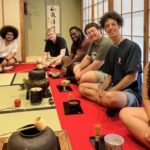



The commemorative photo: a small detail with big payoff
You’ll get a commemorative photo of your arrangement. It sounds minor, but it’s actually one of the easiest ways to preserve the learning.
If you’re the type who forgets how you placed things five days later, a photo gives you a reference. Even better, it turns your experience into a keepable memory rather than something you only remember as a blur of stems and glue-free creativity.
This is also helpful if you want to share what you made. You can show the result without having to explain the entire thought process first.
The after-class cultural exchange: a real human bonus
One part I especially appreciate is what happens after the workshop. There’s a cultural exchange session where you can relax and talk freely—about Japanese traditions, food, daily life, and more.
This is the kind of add-on that can make a short workshop feel bigger. You’re not just “consuming” culture by watching from a distance. You get a low-pressure conversation with other participants and the room’s shared interest in the same art form.
It can also give you quick context for what you just learned. Ikebana isn’t only technique; it sits inside everyday ideas about seasons, nature, and aesthetics.
From what’s been shared by participants afterward, this chat time can be one of the most memorable parts of the experience. If you like meeting people and asking simple questions, you’ll likely enjoy it.
Price and value: is $103 fair for this Osaka experience?
At $103 per person for about 2 hours scheduled time (with roughly 1 hour 45 minutes for the workshop), this isn’t a bargain-basement activity. But it also isn’t a “pay for a ticket, watch a demo” situation.
Here’s where the value comes from:
- A senior master instructor (Fooraku) with 30+ years of experience
- Small group size capped at 6, which supports real coaching
- All materials included, including scissors and containers, so you’re not adding extra costs
- A take-away skill you can keep using, because you’re learning principles, not just copying a preset
- A commemorative photo to make the outcome feel tangible
If you compare it to how much you’d spend on an art class plus supplies plus an instructor, the pricing feels more grounded. And if you’re staying in Osaka and want one cultural activity that’s active instead of passive, this is exactly the kind of experience that makes the money feel worth it.
Practical details that affect your day
A few specifics make planning easier.
The workshop runs in English and lasts about 1 hour 45 minutes for the session itself, with the full experience scheduled at around 2 hours. The group is small, limited to 6 participants.
The location is VADE MECVM Showroom #2 in Kyomachibori. That’s a convenient setup if you want something calmer than the busiest tourist lanes, without losing the convenience of being in Osaka.
If you have plant allergies, you should inform the team in advance. Ikebana uses real plant materials, so this is not the time to “wait and see.”
Wheelchair accessible access is listed, which is a practical plus if you need that information early.
Private and custom sessions are available upon request, which can be helpful if you’re traveling with a special schedule or want more direct time.
Who should book this Ikebana workshop, and who might not love it
You’ll likely be happy booking this if:
- you want hands-on culture rather than a tour with lots of standing around
- you enjoy learning through small principles you can reuse
- you like art that’s calm, structured, and quietly expressive
- you want English instruction and a small group setting
- you’re interested in a living Japanese tradition taught by a Sogetsu master
You might want to skip or pair it with something else if:
- you expected a full-day Osaka itinerary with lots of sightseeing
- you strongly prefer activities that don’t involve handling flowers or using scissors
- you have plant allergies and can’t accommodate the workshop materials
A good way to decide is to ask yourself what kind of day you want: a calm creative focus, or a checklist of big attractions.
Should you book this Osaka Ikebana experience?
I’d book this if you want one memorable Osaka moment that’s cultural and creative, with guidance from Fooraku and a modern, calm setting. The small group format and included materials are the kind of details that reduce stress, so you can focus on learning.
Skip it only if your ideal trip day is nonstop sightseeing or if allergies are a problem for you. Otherwise, this is one of the best ways to experience Japanese aesthetics in a form you can actually carry home—both as a photo and as a skill that works with whatever flowers you find later.
FAQ
How long is the Ikebana workshop?
The session is about 1 hour 45 minutes, with the full experience scheduled at around 2 hours.
What is the price per person?
It costs $103 per person.
Where does the workshop take place?
It takes place at VADE MECVM Showroom #2 in Kyomachibori, Osaka.
Is the workshop taught in English?
Yes, the instruction is in English.
Who teaches the class?
The instructor is Fooraku, a senior master of the Sogetsu Ikebana School.
Is it a small group class?
Yes. It is limited to 6 participants.
What’s included in the workshop?
All necessary tools and materials are included, including flowers, containers, and scissors, plus a commemorative photo of your arrangement.
Is the venue wheelchair accessible?
Wheelchair accessibility is listed for the experience.
Do I need prior experience or special tools?
No. The workshop is open to beginners, and no special tools are required because everything is provided.
What if I have plant allergies, or I want a private session?
You should inform the organizers in advance if you have plant allergies. Custom and private sessions are available upon request.