REVIEW · OSAKA
SUSHI Making Experience at Restaurant
Book on Viator →Operated by 善-zen- · Bookable on Viator
The sharpest part is the teaching style. This private sushi-making session in Osaka is led by Chef Shinichi Kono, a sushi professional with 30+ years of experience, with one-on-one instruction that helps you keep up. You’ll work with quality tools and ingredients in a calm Japanese restaurant setting, but it’s not the cheapest meal on your Japan list.
You’ll learn the steps for making sushi, including hand-rolled sushi, and beginners get careful guidance person by person. The format is simple: learn, make, then eat your creations—very satisfying, and not just a demo.
In This Review
- Key things to know before you go
- Sushi Making With Chef Shinichi Kono in Osaka’s Restaurant Setting
- The 12:00 Start: What You’ll Do in About 2 Hours
- Nigiri, Hand-Rolled Sushi, and the Skills That Stick
- Nigiri: the touch is the lesson
- Hand-rolled sushi: fast, flexible, and beginner-friendly
- You’ll likely get more than the bare minimum
- The Tools, Ingredients, and Why the Quality Matters
- A calm Japanese space
- Eating What You Made: Lunch That Feels Like a Reward
- Price and Value: Is $195.46 Really Worth It?
- Who Should Book This Sushi Class in Osaka
- Getting There and Making the Most of Your 12:00 Appointment
- Should You Book This Sushi-Making Experience?
- FAQ
- How long is the sushi making experience?
- What time does the experience start in Osaka?
- Is this a private tour?
- Where is the meeting point?
- What age can children participate?
- Will I eat the sushi I make?
- What if I have food allergies or dislikes?
- What is the cancellation policy for a full refund?
Key things to know before you go
- Chef Shinichi Kono’s 30+ years of sushi experience drive the pace and technique.
- Private class format means you’re not sharing attention with strangers.
- Hands-on sushi rice, nigiri, and hand-rolled sushi are the core skills.
- Restaurant-quality tools and ingredients are part of the lesson.
- You eat the sushi you make at the end, turning class time into lunch/dinner.
- Allergy and preference info matters, so tell the team in advance.
Sushi Making With Chef Shinichi Kono in Osaka’s Restaurant Setting
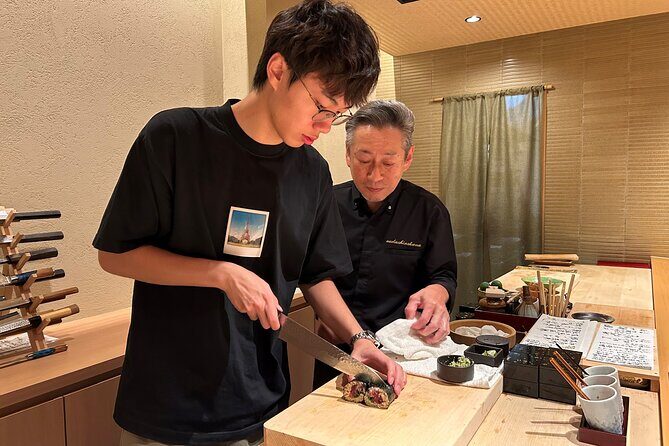
Osaka is famous for food, but this is different. It’s not you wandering for snacks. It’s you at the counter, learning the process like a real sushi craft lesson.
The big draw is the teacher: Shinichi Kono, a sushi chef for over 30 years. That matters because sushi isn’t just about taste. It’s about timing, temperature, texture, and technique. When the instructor has decades behind the cutting board, you get cleaner habits fast.
I also like the fact that the class is private. That usually means two things: you can ask questions without feeling rushed, and the chef can slow down when your hands need a beat. The reviews also point to a personal approach—including the idea that the chef may tailor what you make to your level. That’s the kind of detail that turns a class from educational into actually useful.
The one consideration I’d flag is the price. At $195.46 per person, this is a premium experience. You’re paying for a master chef, restaurant tools, quality ingredients, and the fact that it’s a true hands-on class, not a rushed tasting.
A few more Osaka tours and experiences worth a look

The 12:00 Start: What You’ll Do in About 2 Hours
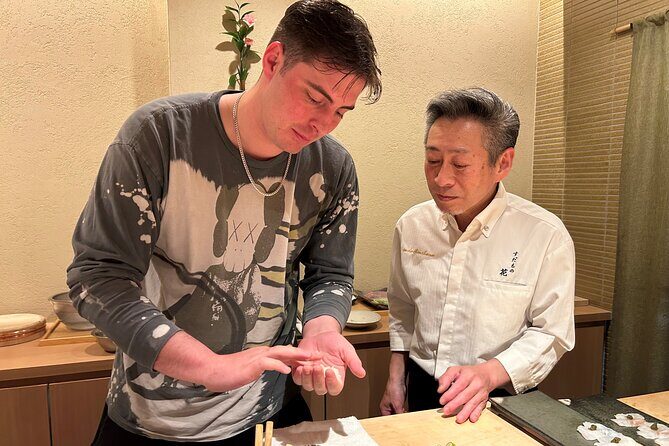
The session runs about 2 hours, starting at 12:00 pm. You meet at:
Japan, 〒540-0005 Osaka, Chuo Ward, Uemachi, 1-chōme−23−1 エミネンスMATOBA
It ends back at the same meeting point.
In a class like this, time is the enemy—because sushi steps pile up quickly. The good news is the teaching style is built for your clock. One helpful detail: the chef and instructor prepare key components in advance so you can get moving right away. Reviews describe having sushi rice and fish cuts handled before the main shaping and rolling steps. That means less waiting, and more real technique in the time you have.
Here’s how the flow typically feels:
1) Setup and step-by-step instruction
You’ll be shown the process carefully, with attention to how your hands move. Expect a calm pace, and expect the chef to correct small technique issues early—because sushi is picky.
2) Making the sushi you’ll eat
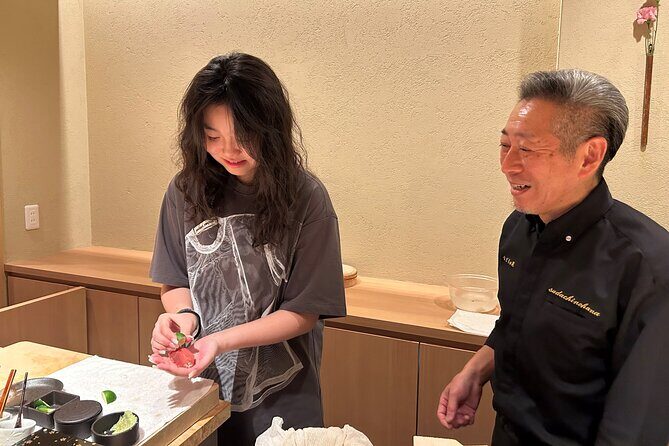
You’ll learn core sushi forms, including nigiri-style pieces and hand-rolled sushi (often called hand roll sushi). If you’re a beginner, that’s not a problem. The whole point is that the chef instructs each person one by one.
3) Cooking-to-table payoff
Once you’ve finished your pieces, the experience turns into a meal. The sushi you make becomes the centerpiece.
There’s no “walk from stop to stop” here. It’s one focused session in a real restaurant space, which I like when you’re trying to avoid wasting a half day on logistics.
Nigiri, Hand-Rolled Sushi, and the Skills That Stick
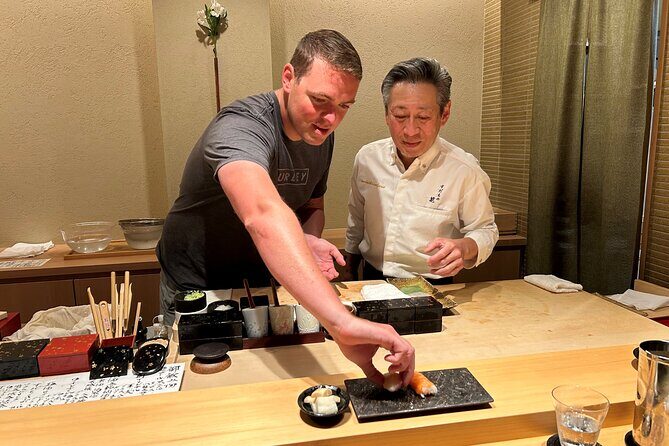
If you’re hoping to come away able to make something at home, focus on the method—not just the finished pieces. This class is built around steps you can repeat later: rice handling, shaping pressure, and rolling technique.
Nigiri: the touch is the lesson
Nigiri looks simple. It isn’t. The rice needs to be the right temperature and texture. Your shaping needs to be steady—firm enough to hold, gentle enough not to compact the rice into sadness.
In a master-led class, you’re taught what “good” feels like. That kind of feedback is hard to get from a cookbook, and it’s exactly what makes these lessons worth it.
Hand-rolled sushi: fast, flexible, and beginner-friendly
Hand-rolled sushi is a staple of Japanese cuisine, and it’s a smart choice for a class like this. You can usually get the basics quickly, then improve details with guidance.
This matters for you because you’ll finish the class knowing what you did right. You won’t just taste something impressive and move on.




You’ll likely get more than the bare minimum
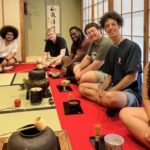
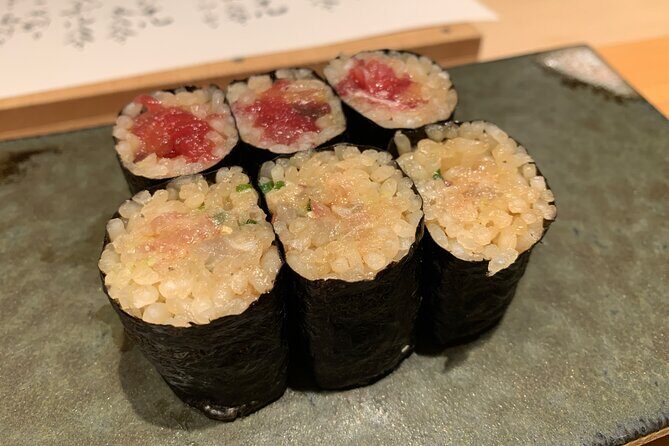
The structured description emphasizes making sushi and hand-rolled sushi. Reviews also mention extra Japanese dishes and items during the meal part—things like soup, sashimi, ramen, mochi, and even Japanese egg rolls. I wouldn’t count on every extra item every time, but the takeaway is clear: the class is not just a quick snack. It’s a full food experience after the hands-on part.
The Tools, Ingredients, and Why the Quality Matters
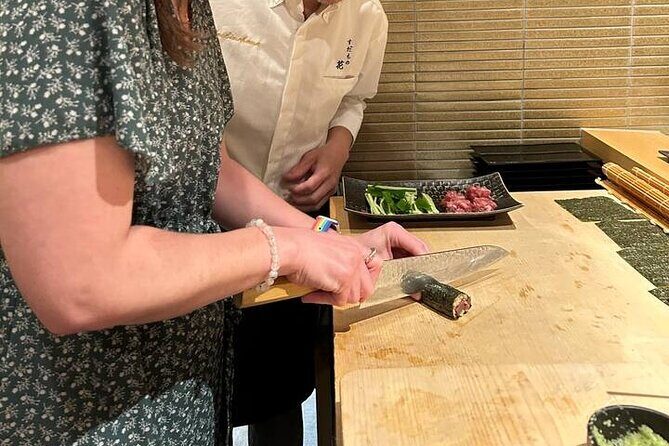
The lesson happens in a real sushi restaurant setting, not an office or a teaching kitchen with toy equipment. That makes a difference, because the tools and ingredients aren’t “stage props.”
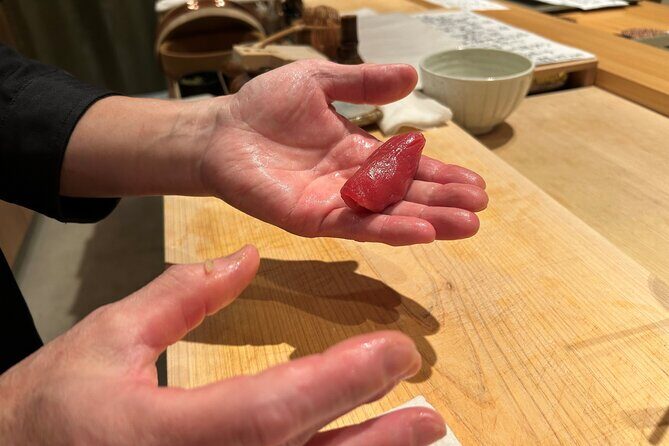
You’ll use knives and ingredients that are described as high quality. Even if you’re new, high-quality ingredients help you learn the technique the right way. If the fish is fresh and the rice is properly prepared, your mistakes show up as technique issues rather than ingredient problems.
The same goes for rice handling. If you’re learning how to manage moisture and texture, you need ingredients that behave like real sushi ingredients. This class leans into that.
A calm Japanese space
Another point that comes up: the setting is calm and Japanese. That matters more than people think. When the environment isn’t chaotic, you can focus on what the chef is correcting—how you hold something, when you press, when you stop.
And yes, calm is rare in food experiences. It’s usually all motion and noise. Here, the emphasis seems to be on careful work.
Eating What You Made: Lunch That Feels Like a Reward
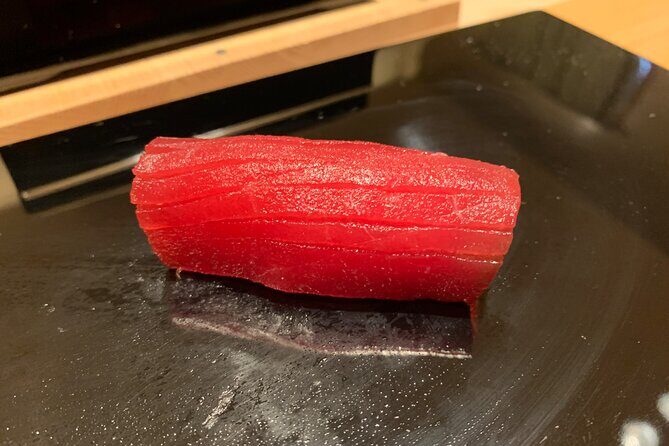
After the experience, you’ll eat the sushi you made yourself. That’s one of the best parts, because it closes the loop.
Instead of thinking, I learned something but I’m still hungry, you taste directly what your hands produced. It also helps you understand the recipe logic. If something tastes off, you can remember the step you struggled with and how you fixed it.
One practical tip: because the class starts at 12:00 pm, you’ll want to arrive with your appetite under control. It’s a learning session, but it ends in food. Going in too snacky can make it feel less rewarding. Going in hungry usually works better.
Also, the experience notes that if you have food allergies or dislikes, you should let the provider know in advance. That’s not just polite—it’s the difference between a smooth meal and a difficult one.
Price and Value: Is $195.46 Really Worth It?
Let’s talk money in a straight line.
At $195.46 per person, this costs more than typical group cooking classes. Why? Because you’re paying for:
- A private experience (your group only)
- A chef with 30+ years of experience
- Restaurant-level tools and quality ingredients
- A focused 2-hour session that ends with eating what you made
If you compare it to “buy lunch and watch a cooking video,” it’s obviously pricier. But if you compare it to the real cost of learning, it starts to make sense. Sushi technique is hard to self-teach, and having the right teacher stand close by is a real advantage.
Also, the personal one-on-one approach shows up in the feedback. When instruction is tailored—especially for beginners—that reduces frustration. You don’t leave feeling like you only watched.
One more value angle: timing. In Japan, a well-run class saves you time searching for ingredients and trying to match “authentic” methods at home. This gives you the method with direct coaching.
Who Should Book This Sushi Class in Osaka
This class fits a few clear types of people.
Best for beginners (and confident cooks too)
The chef instructs step by step and works with you person by person. Beginners are welcome because the goal is to teach technique, not test you.
Best for food lovers who want technique, not just tasting
If you love eating in Japan but always wondered what makes sushi rice work, you’ll like this.
Best for small groups who want privacy
Since it’s private, it’s ideal for couples, friend groups, and families where everyone can share attention. (One note: children must be 11 or older.)
Maybe less ideal if you want big sightseeing time
This is a focused restaurant experience. If you want a lot of Osaka walking and landmark hopping, you’ll need to pair it with other plans. The class itself is about making sushi, not seeing the city.
Getting There and Making the Most of Your 12:00 Appointment
The meeting point is in Osaka’s Chuo Ward, in Uemachi. It’s also described as near public transportation, which helps. Still, location can feel a bit “local” rather than tourist-central.
If you’re using a rideshare or taxi, plan for a short trip rather than assuming you’ll wander comfortably from the nearest sightseeing cluster. One review describes it as about 2 miles from Osaka Castle, which lines up with the idea that you may want a fast ride to save energy for class time.
When you arrive:
- Bring questions. Ask early so you don’t forget later.
- Don’t try to multitask. This kind of class runs on small corrections.
- If you have allergies or strong dislikes, message the provider ahead of time so the menu and ingredients can be handled properly.
And yes—dress in comfortable clothes. You’ll be working at a table, handling food, and you’ll want flexibility.
Should You Book This Sushi-Making Experience?
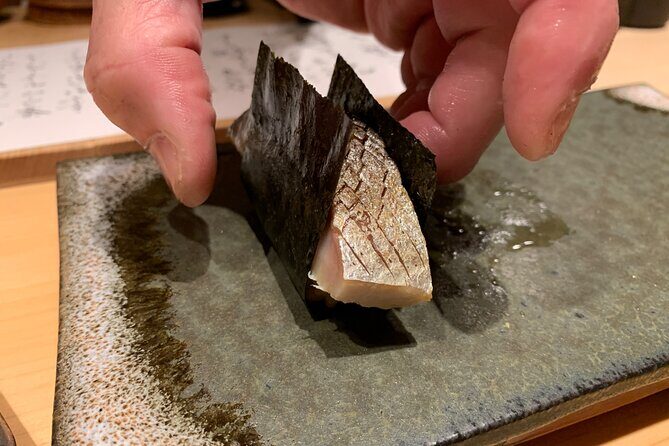
Book it if you want real technique from a real sushi chef. The one-on-one instruction and the 30+ years of experience of Shinichi Kono are the heart of the value here. You’re not just paying for food—you’re paying to learn how sushi is put together, then eating your results.
Skip it if you’re chasing the cheapest way to eat in Osaka or if you only want casual, hands-off entertainment. This is a structured, hands-on class with a premium price for a reason.
If you’re 11 or older, a beginner or intermediate, and you like the idea of making sushi in a restaurant with proper tools, this is an easy yes.
FAQ
How long is the sushi making experience?
It lasts about 2 hours.
What time does the experience start in Osaka?
The start time is 12:00 pm.
Is this a private tour?
Yes. It’s a private tour/activity, and only your group participates.
Where is the meeting point?
The meeting point is in Osaka, Chuo Ward, Uemachi at Japan, 〒540-0005 Osaka, Chuo Ward, Uemachi, 1-chōme−23−1 エミネンスMATOBA.
What age can children participate?
Children must be 11 years old or older to participate.
Will I eat the sushi I make?
Yes. After the experience, you will eat the sushi you made yourself.
What if I have food allergies or dislikes?
Let the provider know in advance if you have any food allergies or dislikes.
What is the cancellation policy for a full refund?
You can cancel up to 24 hours in advance for a full refund. Cancellation less than 24 hours before the start time is not refunded.