REVIEW · OSAKA
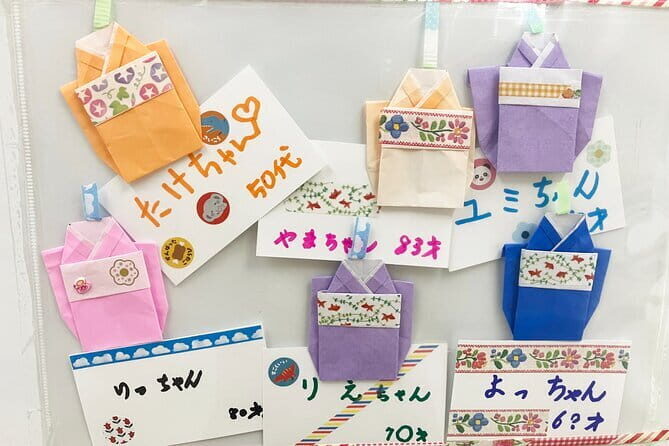
Japanese miniature kimono made with origami in Osaka
Book on Viator →Operated by Shuminavi Inc. · Bookable on Viator
Origami turns into wearable art in Osaka. This 90-minute workshop helps you make a miniature kimono step-by-step, using origami paper and a pattern that feels special to the instructor. I like that it is beginner-friendly and even small kids can join in, without you needing any prior skills.
Two things I really like: you get clear, calm coaching (often credited to Dr. Hiroko), and you leave with a QR code video plus a folding diagram so you can keep practicing after you go home. One drawback to consider: because you are folding something precise and small, it can feel fiddly if you hate slow, careful work.
If you want a creative break between Osaka sights, this is a solid pick. It also sits right near Abeno Station, so you can tack it onto a day that includes Abeno Harukas, Tsutenkaku Tower, or Tennoji Zoo.
In This Review
- Key things to know before you go
- Entering the class near Abeno Station (Exit 7)
- How the 90 minutes actually runs, step by step
- The fun part: choosing your paper and the kimono pattern
- Instruction style: gentle, patient coaching when you get stuck
- What you take home: QR video and folding diagram
- Price and value: $65.32 for 1.5 hours of handmade instruction
- Pickup, private group setup, and how to plan your Osaka day
- Who this class is best for (and who might hesitate)
- Practical tips so your kimono turns out neatly
- Should you book the Japanese miniature kimono origami class in Osaka?
- FAQ
- Where is the meeting point?
- How long is the workshop?
- Is pickup available?
- What do I get included in the price?
- Do I receive instructions after the class?
- Can beginners and kids participate?
- Is this private, and do I get a refund if plans change?
Key things to know before you go
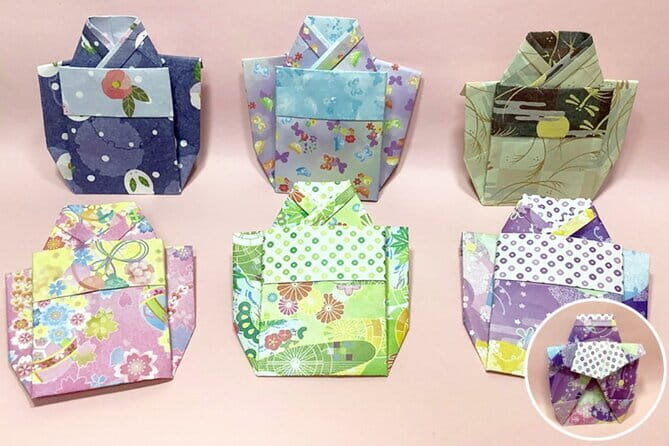
- Abeno Station Exit 7 is your anchor point: meet at the bottom of the stairs and head to the classroom together.
- Practice fold first, real kimono second: you do a quick warm-up fold before the final pattern.
- You choose paper and designs: you’ll pick from the materials on site, and if you have extra time you can select from 20 traditional works.
- The final piece is cute and functional: the miniature kimono design can include details like pockets for holding small items.
- Take-home instructions matter: you get a QR video code and a folding diagram, not just a finished souvenir.
- Private group feel: it’s set up for just your group, with pickup offered if needed.
Entering the class near Abeno Station (Exit 7)
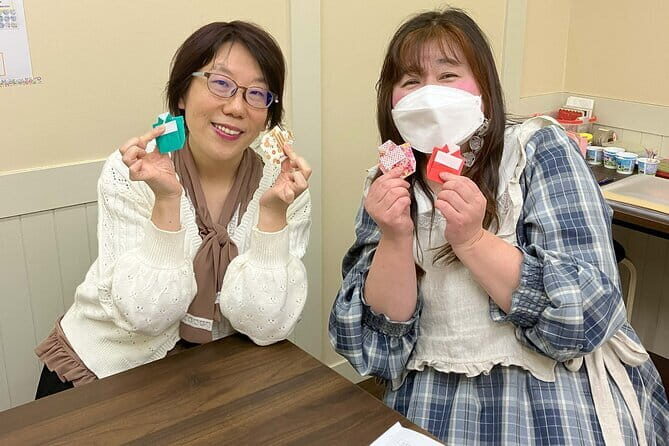
The meeting point is easy to find: you’ll meet at the bottom of the stairs at Abeno Station (Osaka Metro Tanimachi Line), Exit 7. From there, the instructor gathers the group and walks you to the classroom. Since the venue is close to the station and inside a general building with other shops, it is a convenient stop even if your Osaka day is already packed.
This area is also a practical base. You’re not stuck in some far-off workshop district with limited transport. Abeno Harukas is nearby if you want a tall-view payoff before or after class, and Tsutenkaku Tower plus Tennoji Zoo are also in the wider mix. That means this origami session can fit into an itinerary without forcing a major detour.
You can also read our reviews of more tours and experiences in Osaka.



How the 90 minutes actually runs, step by step
The workshop is about 1 hour 30 minutes, and it moves in a clear rhythm. The structure matters, especially if you have never folded origami before.
First, you start with an introduction using origami, then you head into the classroom. After you sit down at a table, you choose an origami paper. That choice is more than cosmetic—it makes it feel like your kimono, not a one-size project.
Next comes the key training moment: you fold together once for practice. Think of this as learning the motions without pressure. Then you do the real work with the instructor guiding you as you build a miniature kimono using the pattern.
By the end, you’ll have a finished origami kimono with a decorative look that feels more “designed” than typical paper crafts. The small size is part of the charm, but it is also why the pace is calm and deliberate.
If you have more time during your session, you can choose your favorite piece from 20 traditional works. This is a big deal for value because it turns the class from a one-and-done souvenir into a chance to make more than one thing.
The fun part: choosing your paper and the kimono pattern
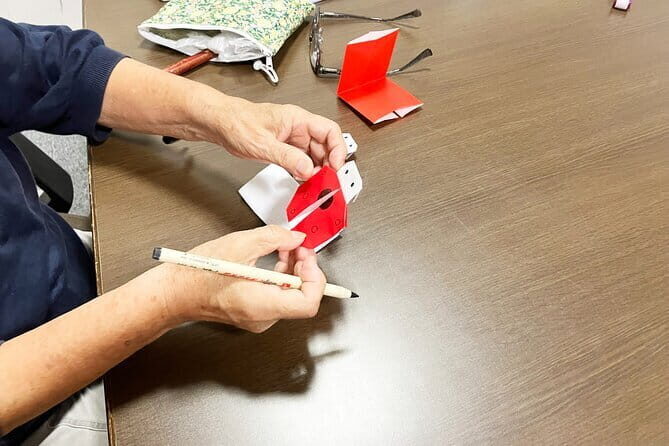
In class, you do not just follow instructions in a vacuum. You get to pick your origami paper, and the instructor sets you up with a design that has its own personality.
This is also where the “why this feels rare” factor shows up. A miniature kimono made with origami is not the usual souvenir craft. The instructor’s designs have that special feel that comes from being original work, not a generic template.
Details matter, too. One common highlight is that the miniature kimono design can include pocket-like features meant to hold small items. That turns the final object into something you can actually use for a tiny gift or keep as a desk charm rather than only displaying it.
Instruction style: gentle, patient coaching when you get stuck

Origami looks simple from the outside. It is not always simple when you are the one folding. What makes this class work for first-timers is the way instruction is delivered: calm, patient, and easy to follow.
You are guided through each step, with a reset available if you get stuck. People who are new to folding often need extra reassurance with alignment and creases. The teaching approach in this workshop seems built around that reality—especially if you are learning in a group setting while others are also working.
A name that comes up in this experience is Dr. Hiroko. The style described is gentle and careful, and it helps a lot if you worry you’ll ruin the piece. The whole class environment aims to keep you moving forward without feeling rushed or embarrassed.
What you take home: QR video and folding diagram

The take-home part is one of the smartest reasons to book this class. You do not just get a paper souvenir and a photo.
You receive a QR code for a video plus a folding diagram. That means you can replay the steps later, which is especially useful for origami because muscle memory and crease order can slip when you’re back home.
And since the kimono is miniature, learning the method matters more than the final look. If you want to repeat it, the QR video gives you a path back into the folding logic. The diagram supports it when you want to pause, check, and try again.
Also, the class encourages the kimono to be gift-ready. You can put small items into it, and examples mentioned include picks, coins, or otegami placed inside. So you can take the craft home with a purpose: a tiny gift container, a note holder, or a charming keepsake.






Price and value: $65.32 for 1.5 hours of handmade instruction
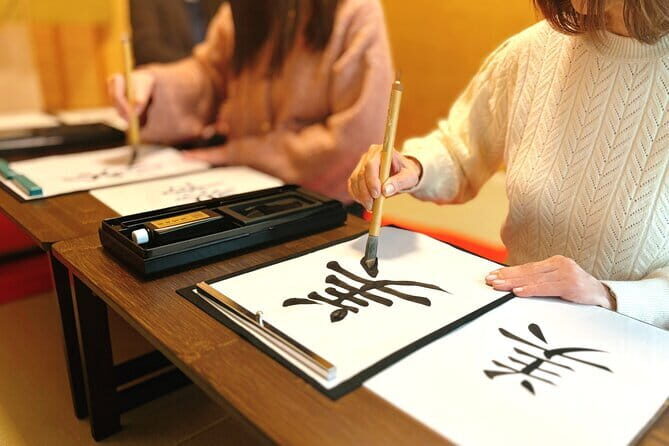
At $65.32 per person, you should evaluate this as a structured mini lesson plus a take-home learning kit—not just a one-time craft.
Here is what you are really paying for:
- Guided instruction with practice before the final fold
- Materials and tools provided
- A finished miniature kimono you can keep
- Extra option to choose from more traditional works if time allows
- The QR video and folding diagram for ongoing practice
If you have tried DIY origami from books or apps, you already know how frustrating it can be when the steps do not match your exact fold. This workshop gives you that missing layer: a teacher who can help you get the creases right while you’re in the middle of it.
Time also matters. At about 90 minutes, you get a full project without burning half a day. That is good value in a city like Osaka where your time is often the limited resource.
Pickup, private group setup, and how to plan your Osaka day
This experience offers pickup, and it also uses a mobile ticket. It is listed as a private tour/activity, meaning it is only your group. For many people, that private feel is the difference between feeling “on display” and feeling relaxed while you fold.
Because the workshop meets at a central station (Abeno Station), planning is straightforward. If you want a simple day flow, you can pair it with nearby sights rather than building a special half-day around a distant location.
A practical approach:
- Do your big-ticket view first (like Abeno Harukas if you’re going)
- Then come to class for a quieter, hands-on activity
- Finish with a casual walk around other nearby landmarks
Even if you are the type who usually books “see things, take photos,” this class gives you something different: you leave holding a tiny object you made yourself.
Who this class is best for (and who might hesitate)

This workshop is a great fit if:
- You are a beginner and want guided origami steps
- You want a small, portable souvenir that is more than generic
- You like crafts that include a learning follow-up (QR + diagram)
- You are traveling with kids, since the format is beginner-friendly
- You want a gift that is personal, not store-bought
You might hesitate if you:
- Need a fast, high-energy activity (this is careful folding time)
- Dislike very small, precision work
- Have a short fuse for patience—origami rewards calm focus
The overall tone from the experience descriptions points to patience being part of the package, which helps a lot. But it is still origami, so slow hands win.
Practical tips so your kimono turns out neatly
You’ll get the most out of the workshop if you come in ready to focus. Origami paper rewards steady attention.
A few practical ideas:
- Wear sleeves that won’t snag on paper edges.
- Give your hands a minute to settle; the first practice fold sets the pace.
- If you get stuck, ask for the step reset instead of pushing through with guesses.
- If you want a second piece, watch the time and be ready to choose from the additional traditional works if you have extra time.
Since this is taught with a structured progression (practice fold, then final fold), you do not have to be confident at the start. The class is designed to help you get there.
Should you book the Japanese miniature kimono origami class in Osaka?
Book it if you want a memorable Osaka activity that is hands-on, not just sightseeing. The best reason is the combination of gentle instruction and the take-home QR video plus folding diagram. You do not just leave with a cute piece of paper art—you leave with a way to repeat it later.
Skip it only if you want something fast and high energy. This is a calm craft class, and the fun comes from learning the fold and finishing with something you can actually hold and gift.
If you are in the Osaka area anyway—especially around Abeno—this fits naturally. It is close to transport, easy to slot into a day, and it gives you a souvenir with real effort behind it.
FAQ
Where is the meeting point?
You meet at the bottom of the stairs of Abeno Station, Exit 7 in Osaka. The group then walks to the classroom together.
How long is the workshop?
The experience is approximately 1 hour 30 minutes.
Is pickup available?
Yes, pickup is offered.
What do I get included in the price?
The price includes the tools and materials needed for the activity. You just bring yourself.
Do I receive instructions after the class?
Yes. You get a QR code video and a folding diagram so you can fold again after you return home.
Can beginners and kids participate?
Yes. The class is described as beginner-friendly, and small children can also enjoy the experience.
Is this private, and do I get a refund if plans change?
It’s listed as a private tour/activity for your group, and free cancellation is available up to 24 hours in advance for a full refund. Confirmation is received within 48 hours of booking, subject to availability.