REVIEW · NAGANO
2-Day Zenkoji Overnight Tour with ‘Shukubo’ Temple Lodging
Book on Viator →Operated by Snow Monkey Resorts Tours (Machinovate Japan Ltd.) · Bookable on Viator
Zenko-ji feels different when you light the fire. On this 2-day plan in Nagano, I especially liked performing the goma prayer fire ritual and then sleeping in a real shukubo temple lodging with included meals and food stops built in. The one thing to plan for is that day two is not guided, so you’ll be charting your own Zenko-ji time.
This is a small-group experience (max 10), and the guide work is a big part of the value. You meet at Nagano Station at 12:15 pm, and the guides I’ve seen associated with this tour (including Dai, Kevin, and Joyce) are the type who can answer questions and keep the pace friendly. You’ll also go home with practical souvenirs: a shichimi spice can and a guided sake tasting at Yoshinoya.
In This Review
- Key things that make this tour worth your time
- Starting 12:15 at Nagano Station: small-group pace and what you’re really buying
- Saiko-ji Temple: the Kamakura-era warm-up stop
- Yawataya Isogoro Honten: shichimi shopping outside the temple gate
- Zenko-ji’s Daikanjin goma fire ceremony: doing the ritual yourself
- Guided Zenko-ji walking plus free time to make it your own
- Nishimon Yoshinoya: sake tasting with miso, tsukemono, and real local flavor
- Shukubo overnight lodging: futon-on-the-floor reality and meal timing
- Day two at Zenko-ji: o-asaji morning service is optional and not guided
- Price and value for $306.96: what’s included (and why it adds up)
- Who this tour fits best (and who might want a different plan)
- Should you book this Zenko-ji shukubo experience?
- FAQ
- What does the tour include for meals and lodging?
- Is the goma prayer fire ceremony guided, and do I participate?
- What kind of room is the shukubo lodging?
- What happens on day two?
- Is the o-asaji morning service included?
- Do I get a sake tasting, and is there food with it?
- Do I get shichimi as a gift?
- Can I cancel for a full refund?
Key things that make this tour worth your time
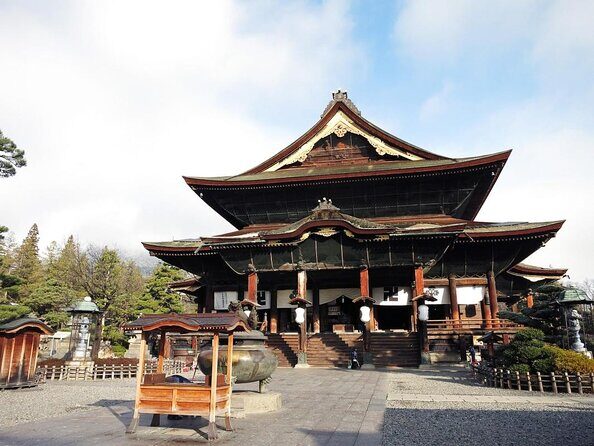
- Perform the goma prayer fire ritual inside Zenko-ji’s Daikanjin complex
- Sleep in shukubo style with a Japanese room and futon bedding on the floor
- Take home a Nagano shichimi gift can (12–14g) from Yawataya
- Small group size (up to 10) with an English-speaking guide during the guided parts
- A guided sake tasting plus regional food samples at Yoshinoya
- Day two lets you enjoy Zenko-ji at your pace, with an optional o-asaji morning service
Starting 12:15 at Nagano Station: small-group pace and what you’re really buying
The schedule starts at 12:15 pm at Nagano Station. That timing is handy because it gives you most of the day to settle into Nagano and still be in Zenko-ji’s orbit without rushing from one place to the next all day long.
The headline value is simple: you’re not just paying for a guided walk-through. Your money also covers temple lodging (shukubo), three included meals (dinner on day one, breakfast on day two, plus lunch), and guided temple time that includes the goma ceremony. The tour is capped at 10 people, which matters because Zenko-ji isn’t the kind of place where you want to be herded.
Everything also runs on a mobile ticket, which is a nice modern touch. One small practical note: you’ll check in at your shukubo lodging where the guide says goodbye, and after that you’re on your own for the evening.
A few more Nagano tours and experiences worth a look
Saiko-ji Temple: the Kamakura-era warm-up stop
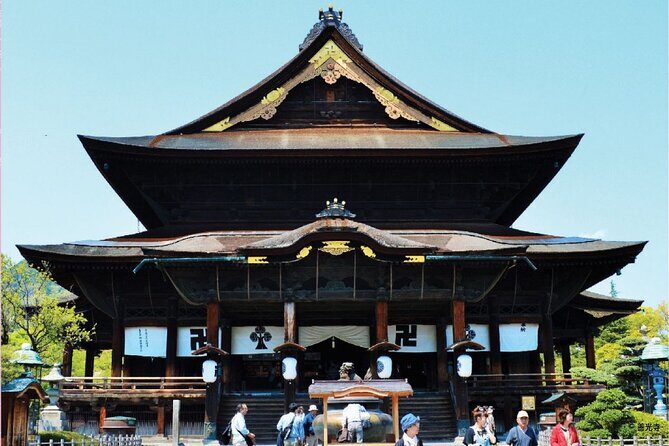
Day one begins with Saiko-ji Temple, a smaller stop on the way from Nagano Station toward Zenko-ji. It’s been around since the Kamakura period (1185–1333), but the stop is deliberately short—about 15 minutes—with admission listed as free.
This is a smart setup. It gives you a chance to get the temple mindset before you hit Zenko-ji, and it also breaks the day into chunks. If you’re the type who gets overwhelmed by huge temple crowds, you’ll probably appreciate this kind of “primer stop” before the main event.
The only drawback here is also the nature of a primer: don’t expect this to be the big emotional highlight. The real payoff is what comes next.
Yawataya Isogoro Honten: shichimi shopping outside the temple gate
One of the most memorable parts for food lovers is Yawataya Isogoro Honten. This shop dates back to the mid-18th century and the Edo period, when traders sold spices outside Zenko-ji’s gate area—where the business still stands today.
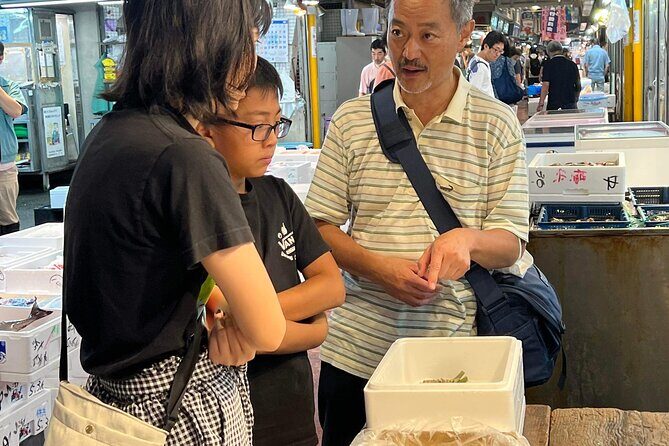
Here’s what you get besides just browsing: you’ll learn about nagano’s signature seven-spice blend, shichimi, made from ingredients like capsicum, sesame, hemp seed, shiso, Japanese pepper, mandarin peel, and ginger. Then you receive a shichimi can as a gift before you leave the store.
This stop works because it ties a flavor to a place. When you taste shichimi later at home, you’ll know it’s not a random seasoning—it’s tied to Zenko-ji and Nagano’s street-level food culture. The time here is about 30 minutes, free admission, which makes it easy even if you’re not a shopper.
If you’re hoping for a big tasting here, manage expectations. The confirmed tasting on this tour is the sake session at Yoshinoya later. This is mainly about understanding and bringing the spice home.
Zenko-ji’s Daikanjin goma fire ceremony: doing the ritual yourself
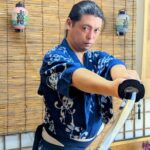
Now we get to the reason many people book this tour: the private goma prayer fire ceremony inside Zenko-ji’s Daikanjin temple complex. You don’t just watch. You perform the ritual yourself, guided by your English-speaking guide during the ceremony.
This is the most intense cultural moment on the whole itinerary. Fire rituals can sound dramatic on paper, but what you’ll likely feel in person is focus—clear instructions, respectful pacing, and the sense that you’re participating in something older than any tourist script.
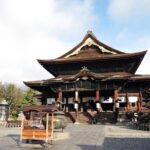
After the ceremony, you get a detailed guided tour of Zenko-ji, and you may have time to explore the temple grounds on your own afterward (time-permitting). That combination is important: you get interpretation first, then you can wander without being totally lost.
Because the ceremony is included as part of the guided time, it also tends to be more structured than an independent temple visit. If you want temple context without needing to research for hours beforehand, this is where the tour earns its keep.
Guided Zenko-ji walking plus free time to make it your own
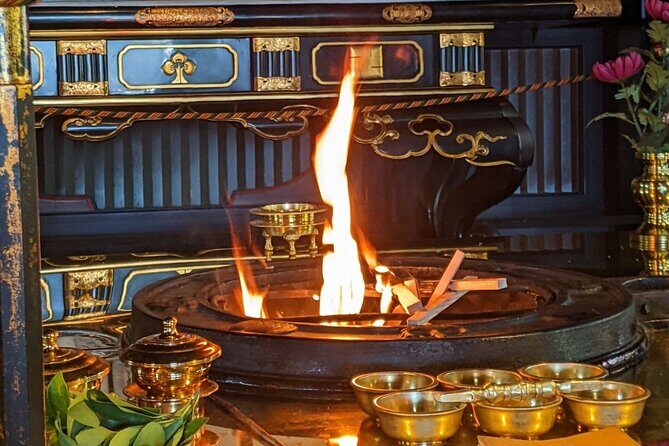
Following the goma ceremony, the tour moves into a guided Zenko-ji grounds walk. The time on this guided section is about 1.5 hours, and the temple admission for this stop is listed as free in the itinerary.
This is also where having an English-speaking guide matters most. Zenko-ji isn’t just photogenic; it’s layered with religious meaning. A good guide helps you notice what to look for and explains why certain spaces matter, so you’re not just collecting sights.
Then there’s a buffer: with time-permitting free time, you can explore at your own pace. I like this design because you can choose your vibe—quiet corners, main halls, or simply taking in the atmosphere without feeling like you must keep up with a strict schedule.
Just remember day two is non-guided, so taking in some extra details on day one can make your day-two experience feel smoother.



Nishimon Yoshinoya: sake tasting with miso, tsukemono, and real local flavor
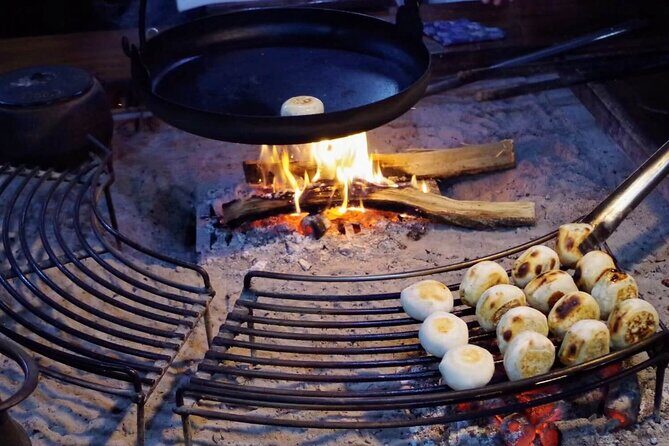
After Zenko-ji, you’ll head to Nishimon Yoshinoya for a guided sake tasting. This is nearby, and it’s scheduled for about 30 minutes with free admission listed for the stop.
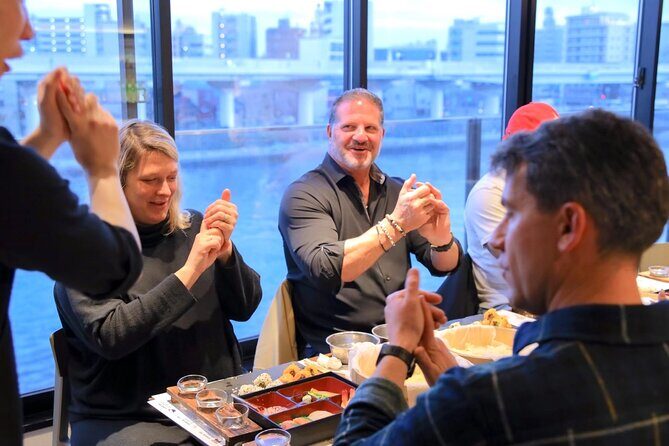
Yoshinoya is described as one of Nagano’s oldest and most renowned breweries, and the session includes more than just pours. You’ll also get samples of traditional foods like miso and tsukemono, plus other local items connected to the brewery experience.
This is one of the best “bridge” moments on the tour. Temple day can make everything feel solemn. Then sake and regional condiments bring the day back to everyday life—how people eat and drink around the same cultural region you’ve just been learning about.
If you’re a non-drinker, this might still be fun for the food side, but the tasting itself is part of the core experience. It’s worth checking your comfort level with alcohol before you commit.
Shukubo overnight lodging: futon-on-the-floor reality and meal timing
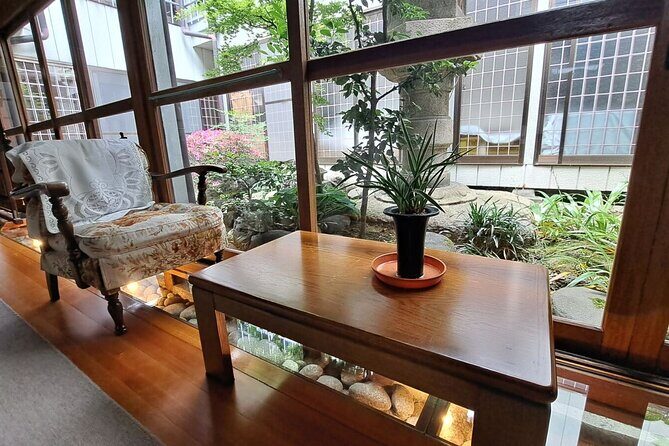
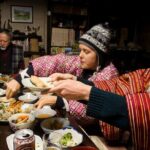
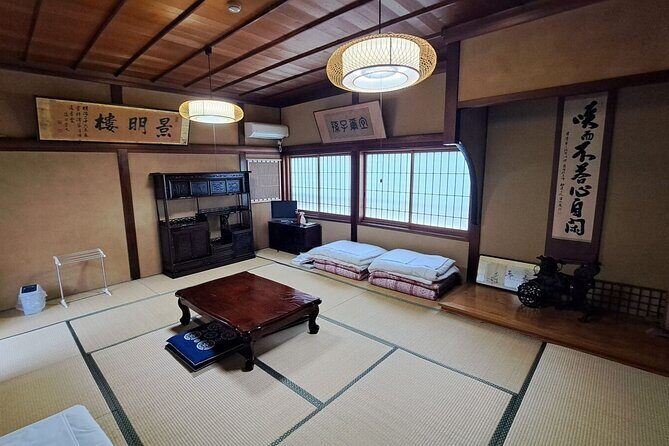
The shukubo part is the big romantic promise of this tour—and it’s real. Your accommodation is at a traditional shukubo temple lodging with a Japanese-style room and futon bedding laid on the floor.
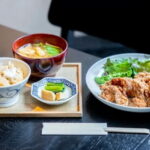
The tour includes dinner on day one between 18:00 and 20:00, and breakfast on day two between 07:30 and 09:00. When you check in, the guide says goodbye so you can enjoy the night yourself.
That setup can feel a little different than a hotel stay. You’re more inside the rhythm of the temple lodging than you are “visiting” it. If you’re okay with simple room layout and sleeping on futons, you’ll probably find this the most memorable part of the whole trip.
A practical way to think about it: shukubo lodging is partly about comfort, and partly about immersion. If you’re the kind of traveler who values the lived-in feel, you’ll be happy here. If you want lots of hotel amenities and nonstop staff support, you might find the quietness unusual.
Day two at Zenko-ji: o-asaji morning service is optional and not guided
Day two is non-guided. That means you’ll enjoy the day according to your preferences, and you’ll start with a warm welcome at Zenko-ji’s morning service called o-asaji.
The o-asaji happens every morning of the year. It’s led by the head of the Tendai and Jodo sects (the two Buddhist sects responsible for Zenko-ji), and it’s designed to welcome anyone to participate regardless of background or faith. The morning service runs about 6 hours, but importantly, it’s not included in the tour admission.
So you have two options: show up for o-asaji if it fits what you want, or stay with a lighter Zenko-ji plan on your own. Either way, because day two is free-form, you’ll control how long you spend and which parts you revisit.
This is where the earlier “watch-out” pays off again. The tour gives you strong structure on day one, then hands you the keys on day two. If you like to set your own pace, it’s great. If you prefer full guidance every step, you’ll need to compensate by reading up or going in with questions for staff on-site.
Price and value for $306.96: what’s included (and why it adds up)
At $306.96 per person, this tour isn’t cheap. The trick is to see what you’re getting that you would otherwise have to piece together: a guided Zenko-ji experience that includes the goma prayer fire ceremony (hands-on), a guided tour of the temple grounds, and a full shukubo overnight with three meals.
Add in the included food stops—yawataya spice education plus a shichimi gift, and a guided sake tasting at Yoshinoya with regional samples—and the cost starts to look more like a bundled cultural day plus lodging than a basic sightseeing tour.
Also consider group size. With a maximum of 10 people, you’re less likely to feel like you’re part of a huge crowd experience during the most meaningful parts.
What isn’t included matters too. Additional food, snacks, and drinks aren’t covered. Entry to other paid attractions at Zenko-ji isn’t included, and the o-asaji morning ceremony has admission not included.
One more real-world note: this tour is commonly booked about 62 days in advance on average. If you want a specific day or you’re traveling in a busy season, it’s wise to book early rather than wait.
Who this tour fits best (and who might want a different plan)
This tour is a strong match if you want more than a temple photo stop. You’ll like it if you care about:
- Hands-on ritual experience at Zenko-ji (goma)
- Shukubo lodging as a real cultural overnight, not just a bed
- Food culture tied to place, especially shichimi and Nagano-style staples
- A small group feel with an English-speaking guide during the guided parts
It may feel less ideal if you rely on a guide every hour. Day two is non-guided, and o-asaji has its own admission not included. If your dream is a fully guided, head-to-toe narrated experience on both days, you’ll need to be comfortable self-directing on day two.
Should you book this Zenko-ji shukubo experience?
If you’re visiting Nagano with two goals—experience Zenko-ji in a meaningful way and sleep inside a temple lodging—this is one of the most direct routes to both. The hands-on goma ceremony and the shukubo overnight are the core reasons to book, and the added spice and sake stops make the whole thing feel grounded in Nagano’s everyday culture, not just religious sites.
Book it if you’re flexible about day two and you’re comfortable exploring on your own after the guide’s goodbye. Skip or look for another option if you want all-day guidance on day two or you prefer hotel-style convenience over futon-on-floor simplicity.
FAQ
What does the tour include for meals and lodging?
Breakfast, lunch, and dinner are included. You also get accommodation at a shukubo temple lodging in a Japanese-style room with futon bedding on the floor.
Is the goma prayer fire ceremony guided, and do I participate?
Yes. You’ll take part in a private goma prayer fire ceremony and perform the ritual yourself, with an English-speaking guide during the ceremony.
What kind of room is the shukubo lodging?
It’s a Japanese-style room with futon bedding placed on the floor (on-floor futon).
What happens on day two?
Day two is non-guided. You can enjoy the day according to your preferences, with a warm welcome at Zenko-ji’s morning service called o-asaji.
Is the o-asaji morning service included?
No. The o-asaji morning ceremony has admission not included, even though it’s available as part of the day two plan.
Do I get a sake tasting, and is there food with it?
Yes. You get a guided sake tasting at Nishimon Yoshinoya, and you’ll also receive samples such as miso and tsukemono along with other traditional foods.
Do I get shichimi as a gift?
Yes. You’ll receive a 12–14g can of shichimi (7 spice) per guest.
Can I cancel for a full refund?
Yes. Free cancellation is available if you cancel up to 24 hours in advance of the experience’s start time, based on local time.