REVIEW · TOKYO
Japanese Food Cooking Class in Asakusa, Tokyo
Book on Viator →Operated by Sushi Making Tokyo Cooking Class in Japan · Bookable on Viator
Sushi starts with your hands. In Asakusa, just a few minutes from Sensoji Temple, you get a hands-on Tokyo class that pairs matcha whisking with sushi making. I like that it’s beginner-friendly with English guidance, so you know what to do even if you’ve never touched sushi rice before.
Two things I especially like: the class runs in a small group with step-by-step instruction, and you finish with food that you made yourself. One thing to consider: this is a 3-hour block, so if you’re on a ultra-tight schedule or hate being in a kitchen for that long, plan your day around it. Instructors like Jun and Kazu set a relaxed, patient tone, which really helps when you’re learning something new.
In This Review
- Key things to know in Asakusa
- Why Asakusa is a great place for sushi and matcha
- Matcha making in Tokyo: a calm first hour
- Sushi making in Asakusa: rolling maki and shaping nigiri
- What you’ll eat (and why it feels like real value)
- Price and time: is $85.87 per group worth it?
- Logistics near Sensoji: meeting point and practical planning
- Group size and instructor style: why it feels easy for beginners
- Who should book this sushi and matcha class
- Should you book this class in Asakusa?
- FAQ
- How long is the Japanese Food Cooking Class in Asakusa?
- Is the class in English?
- Do I need any previous cooking experience?
- What’s included in the price?
- Do I get hotel pickup or drop-off?
- Where do I meet for the class?
- Is there a limit on group size?
- Is the tour near public transportation?
- How do I receive my entry ticket?
Key things to know in Asakusa
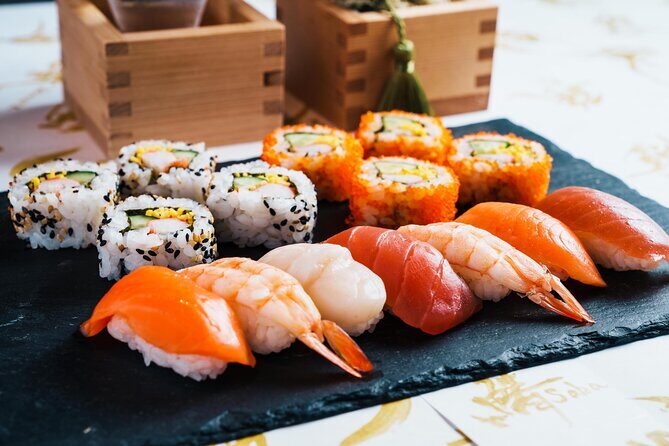
- Two skills, one class: matcha whisking first, then sushi rolls and nigiri
- Small-group feel: limited to a maximum of 15 people for more personal coaching
- Made-and-eaten meal: ingredients are included, and you’ll eat what you make
- English instruction: you follow along step by step without needing prior experience
- Right by Sensoji: convenient for pairing with a temple visit in the same area
- No hotel pickup: you’ll use public transportation to reach the meeting point
Why Asakusa is a great place for sushi and matcha
Asakusa is one of those Tokyo neighborhoods where food culture and daily life feel close to the street. You’re in Taito City, near the old-side sightseeing circuit, and that matters for this kind of class. When the lesson is rooted in real local rhythm, it feels less like a studio and more like you’re borrowing a bit of Japanese everyday know-how for an afternoon.
The location is also a big practical win. The meeting point is near the famous Sensoji area, so you can often combine this with your broader Asakusa plan. I like classes where the venue doesn’t force a whole second commute, especially in a city as spread out as Tokyo.
You can also read our reviews of more food & drink experiences in Tokyo

Matcha making in Tokyo: a calm first hour
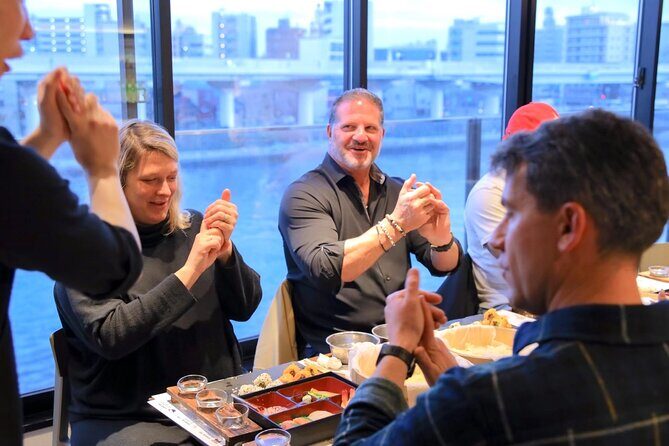
The class starts with matcha making, about one hour, and it sets the tone for the rest of your session. Even if you don’t consider yourself a tea person, the point here is learning the traditional way to whisk matcha, not just taking a sip. You get hands-on time, guided in English, so you’re doing the motion and learning what correct technique feels like.
This first stop also helps your brain shift gears. Sushi rolling can get fiddly fast. Matcha first is easier to pick up and gives you confidence before the hands-on work ramps up. When the instructor teaches at a pace that works for beginners, that confidence is everything.
A nice extra from the teaching style: the instructors keep things friendly and approachable. People mention a fun atmosphere, and that energy matters when you’re trying to get a smooth whisk rhythm or understand what the process is aiming for.
Sushi making in Asakusa: rolling maki and shaping nigiri
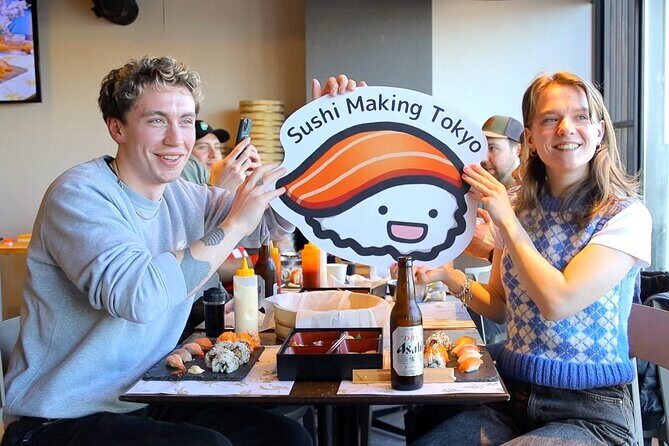
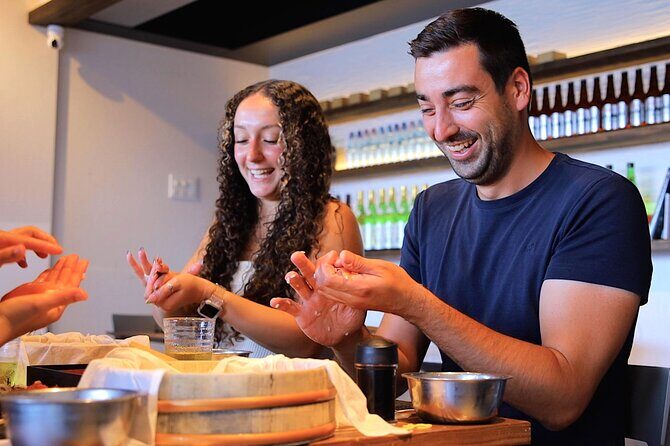
After matcha, you move into the sushi portion, about 1 hour 40 minutes. This is where the class earns its reputation as a hands-on cooking experience. You learn how to make sushi, including both sushi rolls and nigiri. The guidance is step by step, with instructors who stay patient when you’re learning something technical by feel.
One of the best signs of a good cooking class is whether you end up with food that looks and tastes like sushi, not like a science project. Feedback here consistently points to good results at the end, with instructors making sure you get to the finish line.
From a practical standpoint, there’s also the amount of work. You don’t just do one tiny bite-size roll. The format is designed so you make enough sushi to actually enjoy the meal at the end. People note that there’s plenty of sushi involved, which makes the class feel like more than a demo.
Also, you’re not only working with your hands. The teaching includes a bit of context, like the history of sushi, which helps the instructions make sense. When you understand why a technique exists, it’s easier to remember and repeat later.
What you’ll eat (and why it feels like real value)
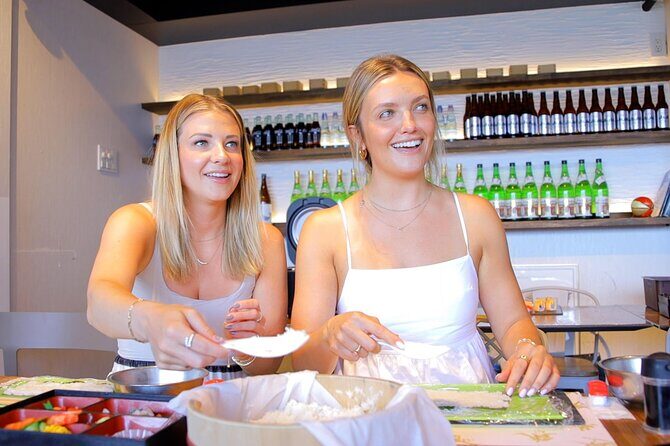
This class includes the ingredients of the cooking class and your meal. That’s a big deal for value because you’re not paying just for a seat in a kitchen. You’re paying for a full experience: learn the basics, produce the food, and then eat what you made.
In a city where dining can add up, I like experiences that trade your money for a meal plus instruction. You’re also getting variety in one sitting: matcha to start, then sushi rolls and nigiri.
And since the instructors guide you through each step, the meal part isn’t awkward. You don’t spend the whole time unsure whether you’re doing it right. The atmosphere is described as friendly, sometimes funny, and that keeps the work from feeling stressful.
Price and time: is $85.87 per group worth it?
The listed price is $85.87 per group (up to 1), and the total time is around 3 hours. On paper, that’s not the cheapest food activity in Tokyo. But the value math works out because you’re paying for two different lessons, with ingredients included and a meal included.
Here’s how I’d think about it:
- You’re getting hands-on instruction in English.
- You’re learning two iconic experiences: matcha and sushi.
- You’re producing actual food and eating it, not just watching.
If you already have a couple meals planned and you want one memorable cultural activity that turns into dinner, this can make sense. If you’re mostly trying to fill time on a strict budget, you might prefer a simpler tasting or a single workshop. But if sushi and matcha are on your Tokyo list, this hits two boxes in one session.
A few more Tokyo tours and experiences worth a look

Logistics near Sensoji: meeting point and practical planning
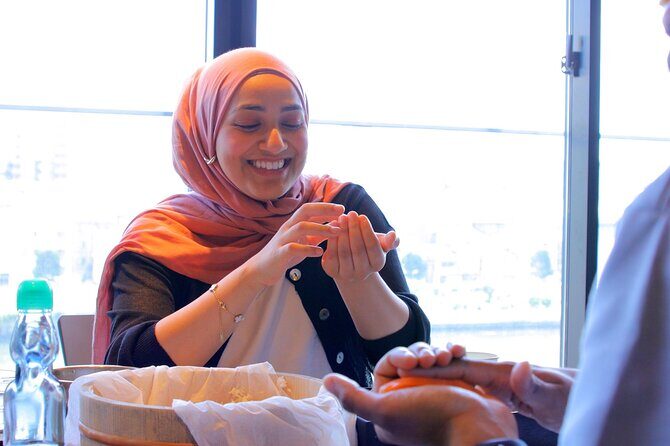
The meeting point is 2-chōme-17-9 Kaminarimon, Taito City, Tokyo 111-0034. The experience ends back at the same meeting point, which is convenient because you don’t have to re-route halfway across the neighborhood.
There’s no hotel pickup or drop-off, so plan to get there by public transportation. “Near public transportation” is helpful wording here: it means you’re not signing up for a long trek from the nearest station.
Timing tip: since the class is about 3 hours total, show up with a little buffer. Asakusa can be easy to navigate, but you’ll still want time to find the exact entrance and settle in before the matcha starts.
Also note the class uses a mobile ticket, which is handy. Just make sure you can access it easily on your phone before you arrive.
Group size and instructor style: why it feels easy for beginners
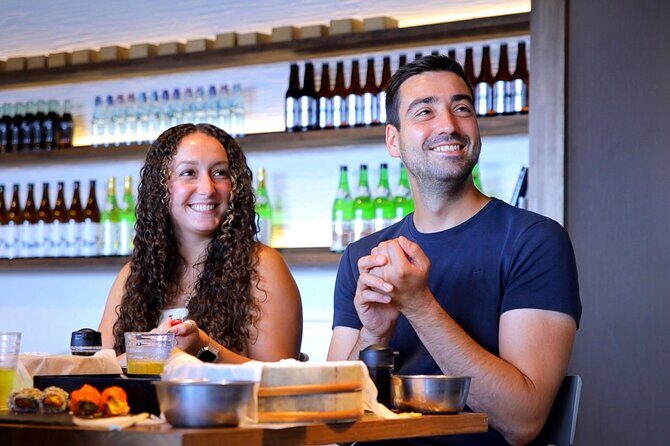
The maximum group size is 15 people, which is small enough for you to actually get help. When you’re learning sushi techniques by hand, you don’t want a classroom-style setup where questions get lost.
People highlight the instructors’ teaching style: patient, friendly, and sometimes humorous. Jun is mentioned as knowledgeable and patient, and Kazu is mentioned for step-by-step instruction that works well for families. That combination matters. You can be taught the steps, but if the instructor also keeps the tone relaxed, you’re more likely to ask questions when something feels off.
And since the experience notes that no experience is needed, you shouldn’t feel like you’re behind. The class is built for participation.
Who should book this sushi and matcha class
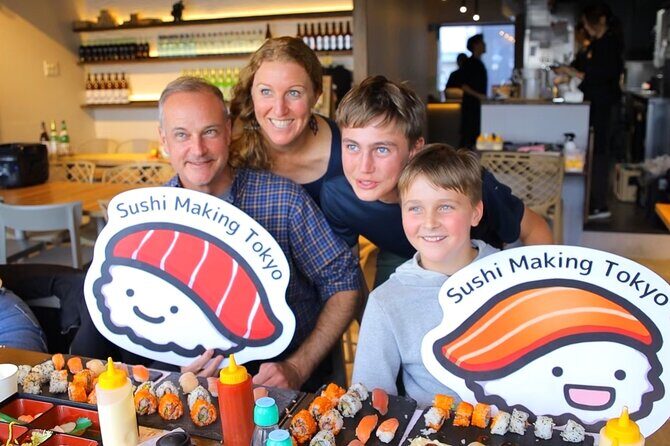
This class is a strong fit if you want an activity that’s:
- Practical and hands-on
- Close to major sightseeing in Asakusa (especially if you’re going to Sensoji)
- Friendly for beginners
- Good for families, including kids
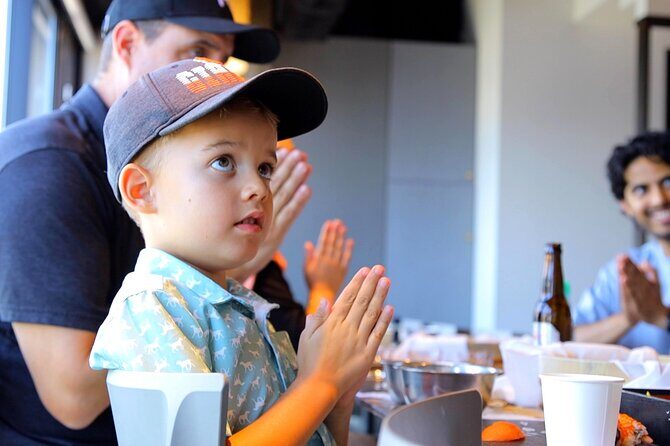
A family example comes up with kids around primary school age, and the key point is that the instructions are step by step and the kids get excited about eating what they make. That’s exactly what you want from a workshop: it ends with smiles, not disappointment.
It can also work well for solo visitors. The price is shown as per group up to 1, and solo travel is often where cooking classes shine, because you’re guaranteed active participation rather than just wandering.
If you’re the type who hates being around other people, keep in mind the group size is capped at 15. It’s still a shared class, just not a huge one.
Should you book this class in Asakusa?
I’d book it if your Tokyo plan includes either matcha or sushi (or both) and you want one activity that turns into dinner. The combo of matcha whisking plus sushi making gives you a full cultural skill set, not just a single tasting.
Book it with confidence if:
- You want English instruction
- You’re okay spending about 3 hours in a workshop
- You’d rather learn by doing than by watching
- You’re visiting Asakusa anyway and want something close to Sensoji
Skip it (or consider alternatives) if:
- You’re short on time and can’t spare the full session
- You don’t like cooking classes at all, even if you’re curious about Japanese food
FAQ
How long is the Japanese Food Cooking Class in Asakusa?
The class runs for about 3 hours total.
Is the class in English?
Yes. You get an English-speaking instructor.
Do I need any previous cooking experience?
No experience is needed. The instructors guide you step by step.
What’s included in the price?
Ingredients for the class and your meal are included.
Do I get hotel pickup or drop-off?
No hotel pickup and drop-off are included.
Where do I meet for the class?
The meeting point is 2-chōme-17-9 Kaminarimon, Taito City, Tokyo 111-0034, Japan.
Is there a limit on group size?
Yes. The maximum group size is 15 travelers.
Is the tour near public transportation?
Yes, it is near public transportation.
How do I receive my entry ticket?
You’ll receive a mobile ticket.
If you want, tell me your travel dates and whether you’re planning to visit Sensoji the same day. I can help you map a simple timeline so the class fits smoothly.