REVIEW · NARITA
9-Day Japan and South Korea Highlight Tour
Book on Viator →Operated by Pingan First Travel · Bookable on Viator
A fast route through two countries can still feel personal. This 9-day Japan and South Korea highlight tour pairs major sights with hands-on moments like a Mt Fuji day, a bike-and-eats Osaka route, and Seoul walking tours that include palaces and markets.
What I like most is that you’re not just collecting landmarks. You get guided context at Meiji Jingu, Gyeongbokgung, and Todai-ji, plus real eating time in Osaka and Seoul. The other standout is the way the itinerary uses transport smartly, including flights between Tokyo/Osaka and Osaka/Seoul and a round-trip shinkansen to Busan.
One drawback to flag up front: the schedule is tight, with lots of short stops and several transfers by plane. If you’re sensitive to walking, climbing stairs, or long days, plan to slow your pace on your own during free moments.
In This Review
- Quick hits before you go
- First Steps in Narita: Pickup, Check-In, and Time to Reset
- Mt Fuji Day: Chureito Pagoda, Kawaguchiko Views, and Saiko’s Old Village
- Tokyo in One Full Day: Meiji Jingu to Tsukiji to Asakusa
- The Tokyo-to-Osaka Switch: Flying Mid-Itinerary and Staying Organized
- Osaka by Bike and by Bites: Castle Park, Shitennoji, Shinsekai, and Knives
- Kyoto and Nara from Osaka: Golden Pavilion, Arashiyama, Deer, and the Big Buddha
- Seoul Arrival Day: A 5-Hour Food-and-Drinks Route Through Real Neighborhoods
- Full Seoul Highlights Day: Jogyesa, Guard Changing, and Two Royal Palaces
- Busan Day Trip: Coast at Haedong Yonggungsa, Taejongdae Views, and Gamcheon Villages
- Price, Meals, and Group Size: Is $4,900 Good Value Here?
- Who This Tour Suits Best (And Who Should Pass)
- Should You Book This Japan and South Korea Highlight Tour?
- FAQ
- What cities and regions does the tour cover?
- Does the tour include pickup from the airport?
- Which transportation is included between cities?
- Are hotel accommodations included?
- Are meals included?
- Is the group size limited?
- How much walking should I expect?
- Is the tour refundable if I cancel?
- When and where does the tour start?
Quick hits before you go
- Mt Fuji classics in one day: Mt. Arakura for Chureito Pagoda, plus Oishi Park and Kawaguchiko for Fuji reflections
- Tokyo with an expert local guide: shrine time (Meiji Jingu), fashion streets (Harajuku), and market culture (Tsukiji area)
- Osaka by bicycle + food crawl: Osaka Castle Park, Shitennoji, Shinsekai, and a guided run through multiple eateries
- Kyoto and Nara day trip: Kinkaku-ji plus Arashiyama, then Nara Park and Todai-ji Big Buddha Hall
- Seoul has two different styles of days: an eating-and-drinks neighborhood tour, then palaces and formal ceremonies
- Busan goes coastal: Haedong Yonggungsa and Taejongdae, then Gamcheon Culture Village and Huinnyeoul
First Steps in Narita: Pickup, Check-In, and Time to Reset
Day 1 is straightforward: if your arrival is at Narita, you’re picked up and driven to your hotel for check-in. It’s a low-stress start, and you can use the rest of the evening to reset after travel—grab convenience-store snacks, get cash sorted, and recharge for the packed days ahead.
The tour starts at 8:00 am and the meeting point is at Narita Airport (1-1 Furugome, Narita). That early start is normal for multi-day highlight tours, but it’s worth confirming your flight timing so you’re not racing the clock on day one.
You can also read our reviews of more tours and experiences in Narita.



Mt Fuji Day: Chureito Pagoda, Kawaguchiko Views, and Saiko’s Old Village
If you only want one day that feels like a postcard, this is the one. After pickup in central Tokyo, you’ll head toward Mt Fuji’s viewpoints and photograph-worthy stops across the Kawaguchiko area.
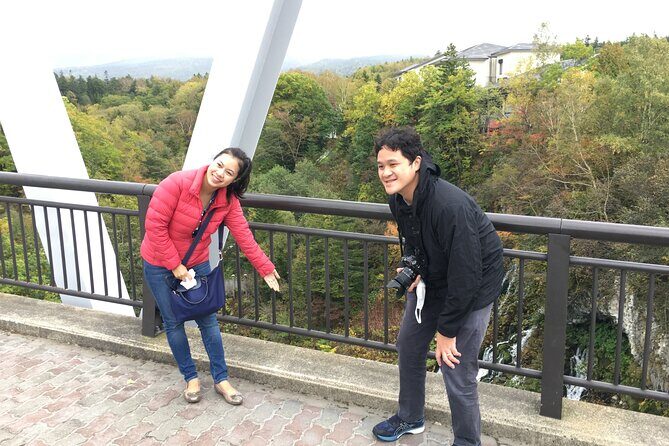
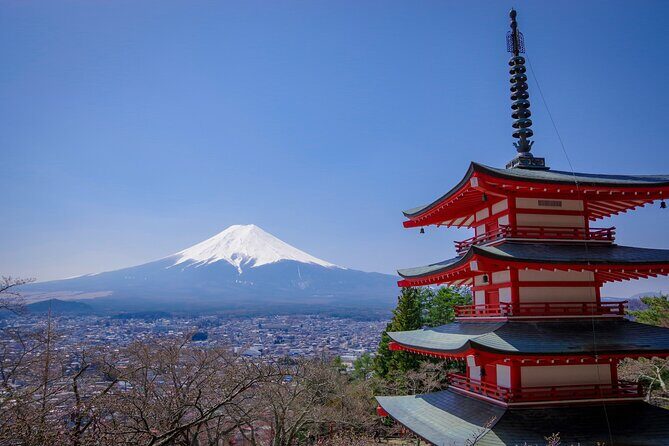
You start with Chureito Pagoda at Mt. Arakura: climb the stairs to get one of Japan’s most famous compositions—pagoda framed against Mt Fuji. Then it’s on to Lake Kawaguchiko, where lunch is set near the lake and you can walk off the meal with a gentle loop. Oishi Park is next, and it’s a great place for seasonal flower scenery with Fuji in the background.
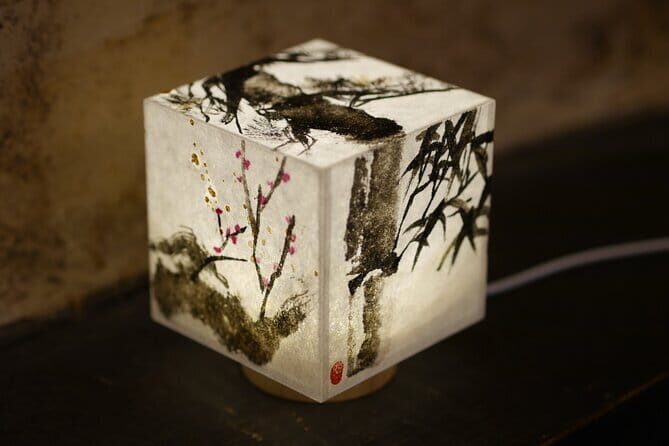
The last stop is Saiko Iyashi no Sato Nenba, a traditional thatched-roof village near Lake Saiko. This is the “Japan back-in-time” contrast to the modern camera-ready spots earlier in the day. You’ll stroll through the village and get a chance to enjoy included village time (and craft-making is mentioned as part of the day’s activities).
My practical advice: Fuji views depend on weather and haze. Bring layers anyway—this region can feel chilly even when Tokyo is comfortable.
Tokyo in One Full Day: Meiji Jingu to Tsukiji to Asakusa
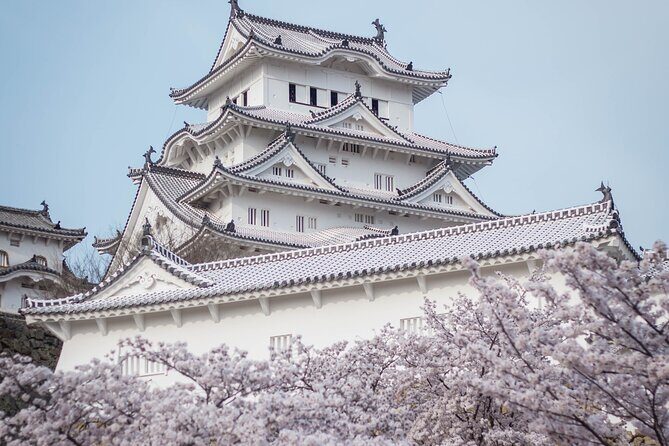
Day 3 is built for maximum Tokyo variety. You’ll travel on foot and by metro with an expert local guide, moving through a sequence of big-name places plus smaller stops that help you connect the dots.
Start at Meiji Jingu, set inside a forested shrine approach. It’s a calm opening that helps the rest of the day make sense. Then it’s onward to Harajuku, where you’ll see the area known for street fashion, and you’ll connect that energy to the nearby Shibuya area.
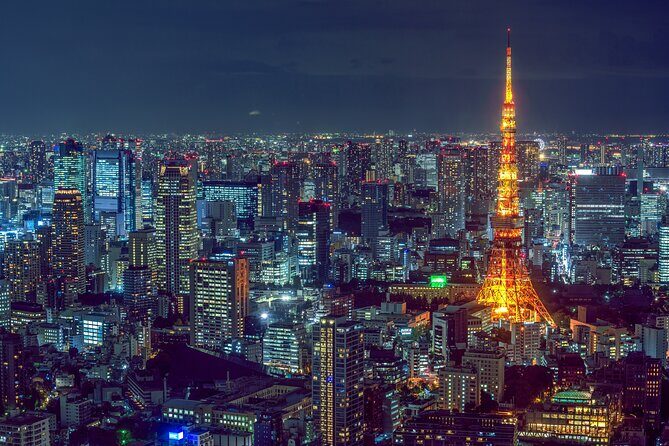
From there you’ll hit Shibuya Scramble Crossing and the Hachikō statue outside Shibuya Station—quick, iconic moments that still feel like Tokyo. Tsukiji brings another side of the city with Tsukiji Hongwanji Temple and the Tsukiji Fish Market area. Even if you don’t spend hours inside every venue, this stop gives you real texture: food culture, old Tokyo geography, and the sense that the city has a working soul.
Later you’ll move through the Imperial Palace area and the Marunouchi/Tokyo Station area, then shift again to Akihabara for electronics and anime culture. The day ends in classic old Tokyo territory: Sensō-ji in Asakusa and Asakusa Shrine nearby.
This is the kind of day that rewards comfortable shoes and a flexible mindset. Many stops are time-boxed (some are around 10–30 minutes), so it’s not a slow wander. Think of it as getting your bearings fast, then returning later on your own if a place really hooks you.
The Tokyo-to-Osaka Switch: Flying Mid-Itinerary and Staying Organized
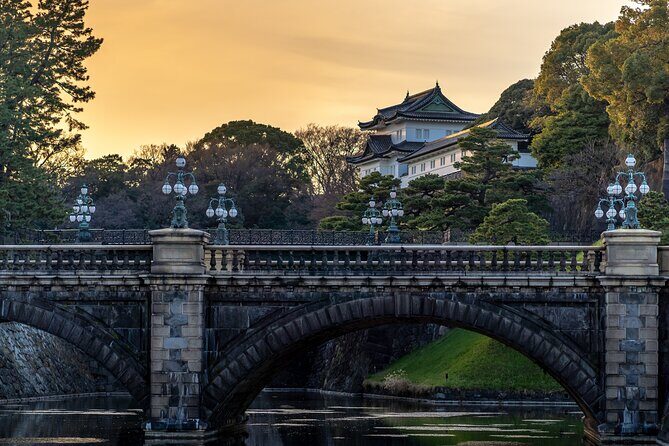
One tricky element of this tour is that Day 3 doesn’t end in Tokyo. After the Tokyo sightseeing segment, you head to the airport and fly to Osaka, then you’re driven to your Osaka hotel.
That means you should pack like a pro. Keep your essentials for the next day accessible—charging cable, sunglasses, a light layer, and any meds you rely on. Also, keep your schedule confirmation handy so you’re not trying to figure out meeting times while you’re tired.
The benefit is you don’t waste a full extra day on transit. You land in Osaka and keep momentum, which matters on an itinerary this packed.
Osaka by Bike and by Bites: Castle Park, Shitennoji, Shinsekai, and Knives
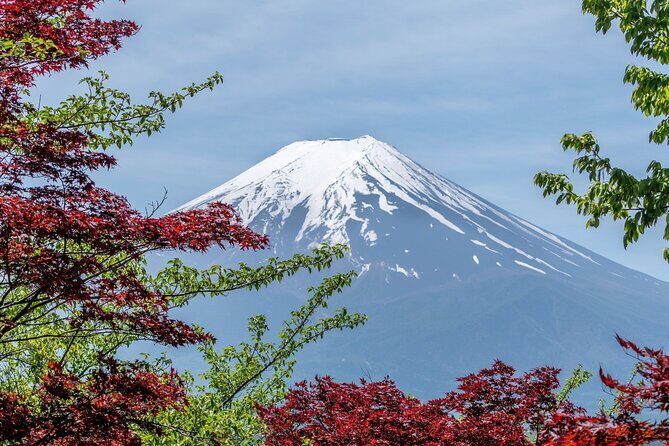
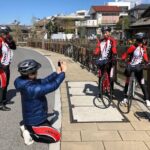
Osaka day (Day 4) has two big strengths: active sightseeing and food that actually sounds like Osaka. You’ll do it by bicycle with a guide, which makes the city feel smaller and more navigable than a typical bus tour.
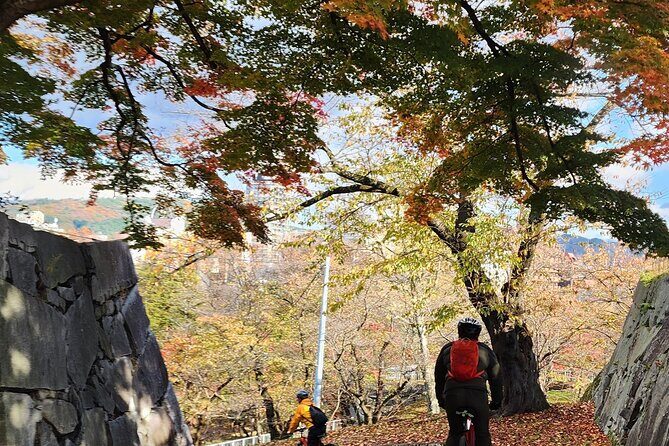
You start with Nakanoshima Park and continue with a river ride for breeze and city views. Then you roll through Mint Museum grounds (even if time for museum entry isn’t included, you still get the history of the area). Osaka Castle Park is a key photo stop, and it’s a good reset between temples and neighborhood food.
You’ll also stop at Shitennoji, described as Japan’s oldest Buddhist temple, which adds spiritual depth to the day. Then it’s time for Osaka’s “blue-collar energy” in Shinsekai, with a chance to photograph near the Tsutenkaku tower and see street life and small food options.
One memorable detail here is the stop at Tower Knives Osaka, where you learn about knife making locally and even get a chance to use tools yourself. It’s practical, hands-on culture—not just watching something happen.
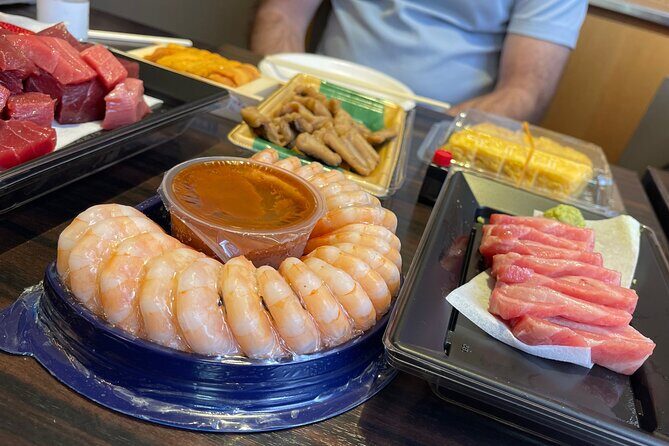
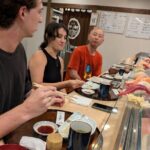
Then the day shifts fully into food mode. The tour includes a guided run through Shinsekai backstreets with 5 eateries and 10 dishes. That structure is great value because you’re getting variety without having to research what’s good on your own.
If you’re picky about meals or have dietary restrictions, you’ll want to communicate clearly in advance. The itinerary is built around tasting and portions, and the schedule is tight.

Kyoto and Nara from Osaka: Golden Pavilion, Arashiyama, Deer, and the Big Buddha
Day 5 is a classic Osaka-based day trip: Kyoto highlights in the morning and Nara sights in the afternoon.
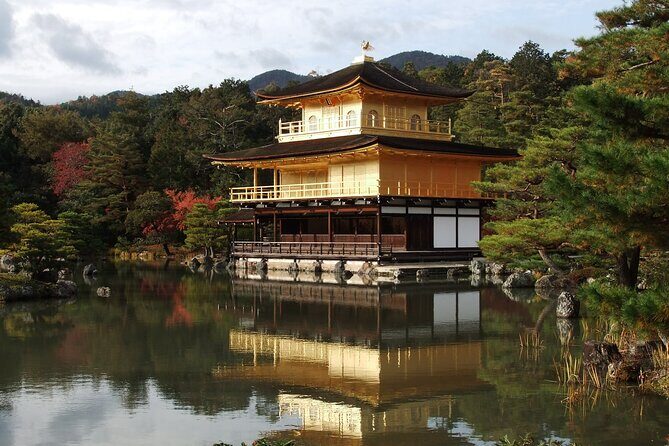
In Kyoto, you start with Kinkaku-ji (Golden Pavilion), touring the temple complex with time to take in the gardens and the Mirror Pond view. After that comes Arashiyama, with time in the district and mention of the Sagano Bamboo Forest as a highlight. The seasonality matters here—bloom times and fall colors can change how magical the area feels, but bamboo also works year-round.
Lunch is included with either a buffet described as 60 Kyoto dishes or a Beef Shabu Shabu option if that meal is selected. That choice is a small but meaningful flexibility in a long day.
Then you head to Nara. Nara Park is home to wild deer, and you’ll visit Todai-ji Temple, including time at the Daibutsuden (Big Buddha Hall). It’s a huge scale moment, and the historical context helps you understand why this temple has mattered for centuries.
Practical note: this day is long and includes walking around temple grounds. If you’re coming off the biking day, pace your steps. Taking breaks for photos is fine, but keep your energy for the main monuments.
Seoul Arrival Day: A 5-Hour Food-and-Drinks Route Through Real Neighborhoods
Day 6 includes another transfer by air: you fly from Osaka to Seoul, then meet your driver and head to the hotel. After check-in, the tour shifts to its Seoul signature: a 5-hour drinking-focused food tour.
This part of the itinerary is intentionally low-fuss and high-appetite. The route concentrates on neighborhoods with tiny alleys and places that people find by being local—or by going with someone who already knows where to eat.
Stops include Insadong, a street area known for souvenirs and tea shops, and then Kwangjang Market, where you’ll taste a variety of foods and drinks. After that, there’s Jongro Gallery for more hidden-gem style stops and additional tastings, plus time at Sewoon Arcade (Makercity Sewoon).
My advice: come ready to eat. Even if you pace the alcohol, you’ll still be trying many dishes. If you don’t drink, you can still enjoy the food portion, but do plan your own boundaries so you don’t feel stuck.
Full Seoul Highlights Day: Jogyesa, Guard Changing, and Two Royal Palaces
Day 7 is your formal Seoul day, with temple spirituality and palace ceremonies side by side. You’ll have hotel pickup and drop-off, and the structure includes entrance fees and lunch.
It starts at Jogyesa Temple, described as a center of Zen Buddhism in Korea. From there, you move to Gyeongbokgung Palace with the royal guard changing ceremony at Gwanghwamun Gate. There’s also a key planning detail: on Tuesdays, Gyeongbokgung and the National Folklore museum are closed, so the tour redirects you to Deoksugung Palace and the Presidential Blue House Museum instead.
Then you’ll return toward Insadong for traditional culture shopping and tea-house vibes. Next is Changdeokgung Palace, noted as one of the most well-preserved Joseon royal palaces, and you’ll see the rear garden area with a very old tree, a pond, and pavilions.
The day ends at Namdaemun Market / Namdaemun Gate area, including the gate’s national treasure status history and its rebuilding after a fire.
This day is ideal if you like your sightseeing structured. It’s also a good day to slow down your shopping, because the walking between sites can add up.
Busan Day Trip: Coast at Haedong Yonggungsa, Taejongdae Views, and Gamcheon Villages
Day 8 is all about Busan’s coastal character, with a mix of temples, cliff views, and colorful communities.
You begin at Haedong Yonggungsa Temple, a temple on the seashore. It’s not the typical mountainside temple stop, and that contrast is a big reason this tour feels like more than just copying Japan’s temple route.
Then you head to Taejongdae, a scenic Busan monument area famous for rock beaches, forests of pine trees, and a peak around 250 meters. You’ll have enough time (several hours) to actually slow down and take in the sea views rather than just rushing for a single photo.
After that comes Gamcheon Culture Village, nicknamed the Machu Picchu of Busan due to its staircase-like hillside houses. It’s famous for murals and art created by residents, and it’s an easy place to enjoy without a strict agenda.
Finally, you visit Huinnyeoul Culture Village on Yeongdo, where a coastal pathway makes the walk part of the experience. The tour notes that the area has been remade into an art and culture village feel, which helps it go beyond “just another photo spot.”
If you’re prone to motion sickness on windy coastal roads, take it slow. Otherwise, this day is one of the most relaxed-feeling parts of the itinerary because it isn’t only temples and markets—it’s sea air and viewpoints.
Price, Meals, and Group Size: Is $4,900 Good Value Here?
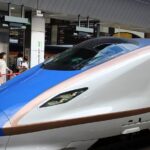
At $4,900 per person for about 9 days and 8 nights, the value comes from what’s included, not from what’s skipped. Your package covers hotel accommodation, professional guides, multiple air tickets (Tokyo–Osaka and Osaka–Seoul), bullet train round trip from Seoul to Busan, and a large chunk of meals: 8 breakfasts, 5 lunches, and 2 dinners.
That’s a lot of transport and planning handled for you. For many people, the biggest cost in a trip like this is the combo of flights plus rail plus guide services. Here, the structure reduces the brainwork, so you can spend your energy on enjoying stops rather than stitching together schedules.
The group size helps too. The max is 15 travelers, which usually means you’re not stuck in a giant mass. On tours like this, being in a smaller group can also make it easier to move through metro systems and meet tight time slots.
The tradeoff is physical load. The tour explicitly calls for strong physical fitness, and the itinerary packs in stair climbs, palace grounds, and day-long schedules. If that’s not your travel style, you might feel rushed.
Who This Tour Suits Best (And Who Should Pass)
This tour is best for you if you want to see Japan and South Korea in one go and you like guided structure. It’s also a strong match if you care about food experiences: Osaka’s 10 dishes across multiple eateries and Seoul’s food-and-drinks itinerary are the kind of planned meals that usually require research on your own.
You might want to pass or choose a slower alternative if you get exhausted by quick rotations between cities and multiple transfers by air. Also, if you prefer long unbroken time in fewer neighborhoods, this itinerary’s pace may feel like you’re always moving.
Should You Book This Japan and South Korea Highlight Tour?
Book it if you want a high-intensity itinerary with real guided context and built-in meals, and if you’re comfortable walking and climbing stairs. The Fuji day plus the Osaka food focus plus Seoul palaces plus Busan coastline is a strong mix for first-timers who don’t want to plan.
Hold off if you hate rushed days, rely on lots of downtime, or are sensitive to weather-dependent views like Mt Fuji. Also, because the package is non-refundable, only book once your travel dates are truly locked.
FAQ
What cities and regions does the tour cover?
The tour includes Narita (start in Japan), Tokyo and the Mt Fuji area, Osaka, Kyoto and Nara (as a day trip from Osaka), Seoul, and Busan.
Does the tour include pickup from the airport?
Yes. You can be picked up from Narita Airport based on your arrival flight, and there are also pickups in central Tokyo and in Seoul/after flights to reach your hotels.
Which transportation is included between cities?
Flights are included from Tokyo to Osaka and from Osaka to Seoul. Bullet train tickets are included for Seoul to Busan (round trip).
Are hotel accommodations included?
Yes. Hotel accommodation is included in the tour price.
Are meals included?
Yes. The tour includes 8 breakfasts, 5 lunches, and 2 dinners.
Is the group size limited?
Yes. The maximum group size is 15 travelers.
How much walking should I expect?
This tour is described as physically demanding, and it asks for strong physical fitness. Expect stairs, temple grounds, and long days with many short stops.
Is the tour refundable if I cancel?
No. This experience is non-refundable and cannot be changed for any reason.
When and where does the tour start?
It starts at Narita Airport at 8:00 am, with the meeting point listed at 1-1 Furugome, Narita 282-0004 Chiba Prefecture.