REVIEW · NARITA
3 Day Japan Highlights Tour: Tokyo, Mt.Fuji, Nara, Kyoto, Osaka
Book on Viator →Operated by Nihon Travel · Bookable on Viator
A fast moving Japan fix: temples, torii gates, and Fuji views in three days. What makes this tour work is the small-group pace and the comfort of being transported door-to-door while you hit major sights across Tokyo, Mt. Fuji, Nara, Kyoto, and Osaka. I especially like the mix of iconic must-sees and scenic stops like Hakone’s pirate-ship cruise and Kamakura’s coast-side temples. The main catch is that many key admissions and rides are not included, so you’ll want to budget a bit extra on the spot.
The itinerary is built around timing and practical routing: fewer wasted hours means you spend more time looking up at temples, down at street food counters, and out toward the slopes when the weather cooperates. I also like that it isn’t just sightseeing; you get cultural touches like a chance for a tea ceremony and a guided walk through places that make sense when someone explains them. One thing to keep in mind is that Mt. Fuji views are tied to clear skies, so expect some days to be weather-dependent.
Finally, I like the human touch in the way the tour is run. In the guide desk chair, Matt stood out for giving an easy, flexible itinerary that still keeps the day on track. If you prefer long, slow days with no movement, this may feel like a sprint. But if you want a smart highlights route with breathing room, it’s a strong fit.
In This Review
- Key things I’d plan for
- Why this Tokyo-to-Osaka highlights route works
- Getting started in Narita without the scramble
- Day 1: Kamakura’s Great Buddha, Enoshima, then Hakone crater-lake views
- Kotoku-in Great Buddha and Hasedera Temple
- Enoshima Island for sea air and caves
- Hakone ropeway and Owakudani Hell Valley
- Hakone pirate ship on Lake Ashi and Hakone Shrine
- Day 2: Fuji area stops that work even when clouds roll in
- Fuji tea plantation area and Oishi Park
- Oshino Hakkai and the crystal-pond vibe
- Shrine at the foot of Fuji and the “choose-your-style” village
- Wind Cave and Aokigahara Forest for a darker edge
- Shiraito Falls and the transition to Nagoya
- Day 3: Nara deer, Todaiji scale, Kyoto’s temple lanes, then Osaka night energy
- Nara Park and Todai-ji
- Kyoto’s Kiyomizu-dera and crowd-smart timing
- Arashiyama bamboo and Fushimi Inari’s torii tunnels
- Osaka: Dotonbori after dark
- What costs extra, and how to avoid budget surprises
- Comfort, timing, and the guide effect (Matt)
- Who this tour is best for
- Should you book it? My take
- FAQ
- Where does the tour start and end?
- What’s included in the price?
- Are entrance tickets included for the main attractions?
- Is pickup offered?
- How big is the group?
- What if Mt. Fuji is cloudy?
- What’s the cancellation window for a refund?
Key things I’d plan for
- Max 23 people means the group stays manageable and questions actually get answered.
- Mt. Fuji views on clear days plus multiple Fuji-area stops gives you more than one photo chance.
- Hakone ropeway + pirate ship is a scenic one-two that most independent travelers piece together with extra stress.
- Cultural moments like a possible tea ceremony and shrine-temple walks add meaning, not just photos.
- Meals aren’t included beyond breakfasts, so decide early how you’ll handle lunch and dinner budgeting.
Why this Tokyo-to-Osaka highlights route works
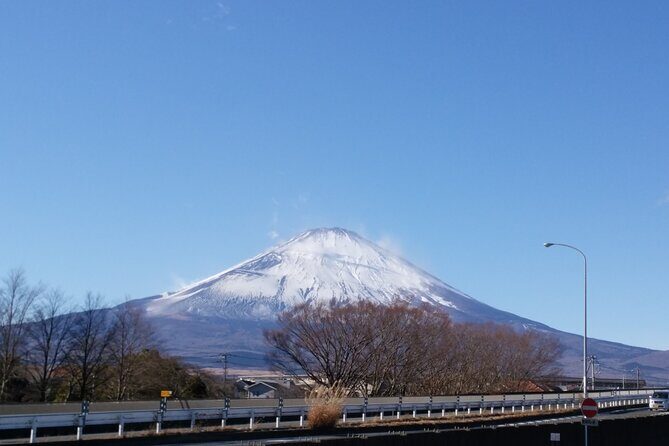
This is the kind of tour that makes sense if it’s your first trip to Japan or if you only have a short window. You don’t just bounce between cities; you move between historic regions with a guide who helps you read what you’re seeing.
With a max group size of 23 and an English-speaking guide, the day-to-day flow feels controlled without feeling like a rigid factory tour. You also get pickup offered (from hotels or your port of entry in Tokyo or Narita), plus WiFi on board, air-conditioned transport, and the annoying logistics taken off your plate.
The price tag—$1,310.55 per person—looks high until you break down what you’re buying. You’re paying for transportation, a guide, vehicle tolls/parking fees, 3-star accommodation, and two breakfasts. That’s the hard part of DIY: planning routes, timing, and daily logistics. What’s not bundled is lunches and dinners, plus several admissions.
You can also read our reviews of more tours and experiences in Narita.



Getting started in Narita without the scramble
The tour is centered around Narita, with the start point at Narita Airport Terminal 2/3 Station. If you’re landing and want the stress cut down fast, pickup offered can be a huge time-saver, especially if you’re juggling luggage and jet lag.
Once you’re on the vehicle, the comfort matters more than you might think. Long Japan rides can feel tough when you’re constantly coordinating trains or transfers, and this tour keeps you seated with AC and WiFi. It also helps that the tour includes road tolls and parking fees, which usually come with paperwork headaches if you go it alone.
One small practical note: the tour ends in a different location. You’ll want to keep your last-day plans flexible, since the exact finish spot is provided in the booking details.
Day 1: Kamakura’s Great Buddha, Enoshima, then Hakone crater-lake views
Day 1 is all about shifting scenery—from ocean towns to mountain steam vents to volcanic water. It’s a lot, but the order is smart because each stop builds on the last.
Kotoku-in Great Buddha and Hasedera Temple
You start with a quick hit at Kotoku-in, famous for the Great Buddha of Kamakura. The statue’s scale and age make it an easy first anchor for the trip, and the stop is short enough that you don’t feel trapped by lines or time pressure.
Next comes Hasedera Temple, known for a major wooden statue of the goddess of mercy and its large temple grounds. I like this stop because it gives you gardens and ocean views, so you’re not just indoors looking at objects.
A potential drawback: if you’re sensitive to walking, temple grounds can add up quickly. Comfortable shoes matter here.
Enoshima Island for sea air and caves
Then you swing to Enoshima Island, which mixes a shrine complex with sea caves and a public bath. It’s a scenic break, and it’s also a fun place to grab lunch on your own from seafood spots.
This stop works especially well if you like coastal vibes and want a calmer moment after the morning temples. Just remember you’re still on a tight schedule, so don’t plan on wandering until sunset.


Hakone ropeway and Owakudani Hell Valley
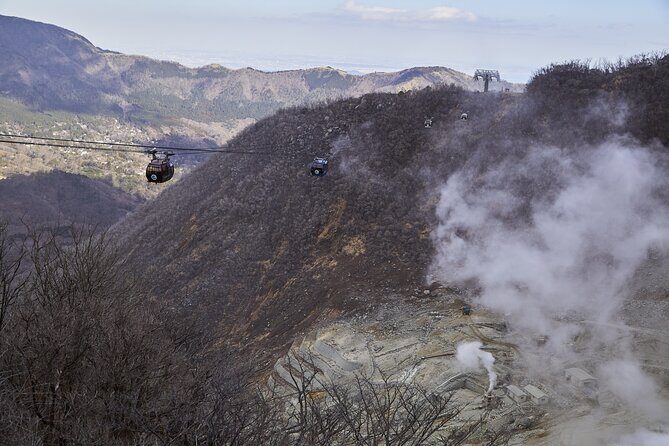
From the coast you head into Hakone’s steam-and-volcano world. The Hakone ropeway gives you mountain views and a calmer ride down, plus a foot-bath moment before boarding if that’s offered during your timing.
Then you reach Owakudani Hell Valley, where you see sulphur vents and can eat kuro-tamago, the black eggs boiled in the hot springs. It’s not just weird food for photos; it’s a very “Hakone” experience that ties geology to local tradition.
Hakone pirate ship on Lake Ashi and Hakone Shrine
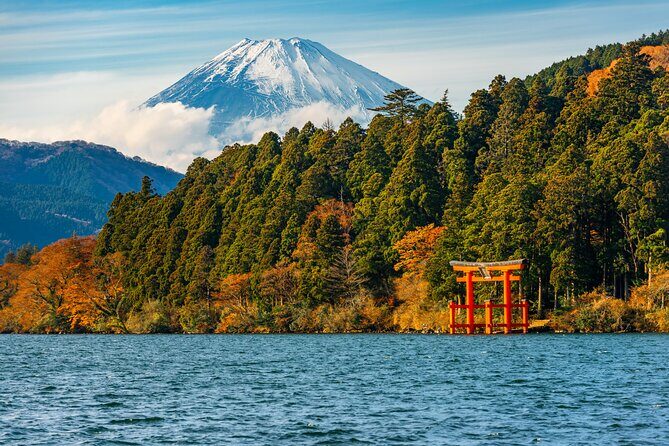
You finish Day 1 with Hakone Pirate Ship cruise at Tōgendai Port over the extinct volcano’s crater lake. When the sky is clear, Mt. Fuji can appear in the background, so this is one of those “watch the horizon” moments.
After that, you wrap with Hakone Jinja, set in cedars and near torii gates on Lake Ashi. The shrine is simple to enjoy because the setting does the heavy lifting.
Finally, you drive between Lake Ashinoko and the Mt. Fuji region, with Lake Ashinoko Sky Line included, designed for big views and wildlife sightings like deer and raccoon dogs. This is a good “reset your brain” part of the day: sit back, look far away, and take in Japan’s scale.
Day 2: Fuji area stops that work even when clouds roll in
Day 2 stays focused on Mt. Fuji surroundings, but the tour doesn’t bet everything on a single viewpoint. You hit several spots so you aren’t left with only one good or bad weather outcome.
Fuji tea plantation area and Oishi Park
You start with a quick stop to taste local specialties and enjoy views of tea plantations. It’s brief, but it sets the tone: this area isn’t only about the mountain; it’s about the daily life around it.
Next is Oishi Park, which is built around Mt. Fuji views from Lake Kawaguchi on clear mornings. This is the kind of stop where timing matters, so follow the guide’s rhythm and don’t drift too far away from the group.
Oshino Hakkai and the crystal-pond vibe
Oshino Hakkai is a folk village with eight crystal-clear ponds, shops, and local specialties. I like it because it’s visually distinct from temples and shrines; you get water, reflections, and a slower-feeling stroll.
It also gives you a break from ticketed attractions since the stop is listed as free. Budget-wise, that’s a win on a day where some other rides and admissions cost extra.
Shrine at the foot of Fuji and the “choose-your-style” village
You also visit Kitaguchi Hongu Fuji Sengen Jinja, said to date back to 100 A.D., and located in a cedar forest at the base. It’s a meaningful stop if you like how Shinto places connect to mountain worship.
Then you get Saiko Iyashi no Sato Nemba, where you can dress in kimono or samurai armor to explore thatched-roof houses. This part has an admission fee, so it’s optional in the sense that you can decide how much time and spending you want to put into it.
Wind Cave and Aokigahara Forest for a darker edge
Two stops add variety: Fugaku Wind Cave and Aokigahara Forest. The wind cave is a lava tube, and it’s known as a natural refrigerator with ice most of the year. Aokigahara Forest is a short walk through one of the more infamous forests at the foot of Fuji.
These can be emotionally heavy areas for some people, even if you keep it brief and guided. If you’d rather stay upbeat all day, you can treat these as quick “check the place off” moments and focus on the rest of the scenery.
Shiraito Falls and the transition to Nagoya
You end the Fuji day with Shiraito Falls, plus local snacks and a short walk. It’s a classic waterfall stop that gives you something active without requiring long hiking.
Then you move to Nagoya for evening time in Sakae, with colorful shops and restaurants. This is practical because after three days of structured sightseeing, you still get a chance to eat and explore in the way you like.
Day 3: Nara deer, Todaiji scale, Kyoto’s temple lanes, then Osaka night energy
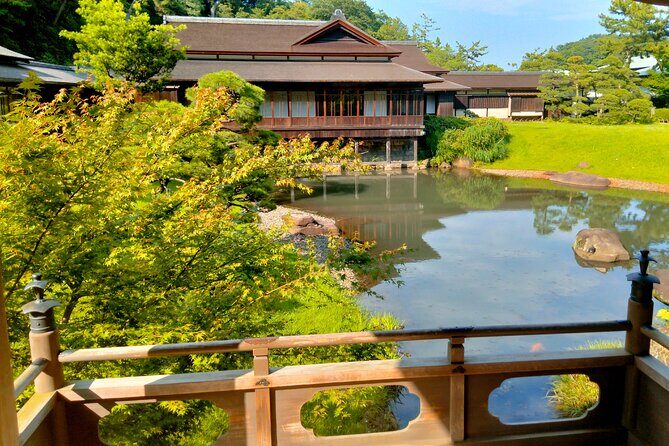
Day 3 strings together three big names: Nara, Kyoto, and Osaka. The flow works because the vibe shifts in a way that keeps you from feeling bored.
Nara Park and Todai-ji
You begin with Nara Park for a guided walk through the deer area. It’s short enough to keep it fun, and the guide helps you move around so you don’t get stuck in the wrong spots.
Next is Todai-ji Temple, founded in 738 and home to the world’s largest bronze statue of the Buddha inside a huge wooden temple. The scale is what hits hardest here, and it makes the earlier stops feel connected rather than random.
This stop has an admission fee listed, so budget accordingly.
Kyoto’s Kiyomizu-dera and crowd-smart timing
After Nara, you head to Kyoto and Kiyomizu-dera, a World Heritage site with traditional shops nearby. The tour specifically notes routes to avoid most crowds, and that matters because Kyoto can turn into a bottleneck when timing is off.
You’ll also get Entoku-in, the family home and garden of Toyotomi Hideyoshi’s wife Nene, with the chance for a short tea ceremony for an extra fee. This is a nice cultural counterweight to the more photo-heavy stops.
Arashiyama bamboo and Fushimi Inari’s torii tunnels
Then comes Arashiyama Bamboo Forest, where you take a stroll. If you’re short on time, the tour offers a less crowded bamboo option at Kotoku-in temple, which is smart thinking.
You wrap with Fushimi Inari-taisha, famous for over 10,000 orange torii gates forming a tunnel up the mountain. The longer you look, the more the place becomes a rhythm: steps, gates, and shrine markers that feel like you’re walking through layers of tradition.
Osaka: Dotonbori after dark
Finally, you reach Dotonbori for evening exploring of Osaka’s entertainment district, with focus on back street alleys. This is the part I’d use for your own tastes: grab a snack you’re curious about, watch the lights, and let the night energy balance the temple days.
Dotonbori is also a good place to do quick souvenir browsing because you’re already in the center of everything.
What costs extra, and how to avoid budget surprises
Some admissions are listed as free, but several major rides and entrances have fees. The big ones called out include:
- Hakone Ropeway (2,000 yen)
- Hakone Pirate Ship cruise (1,700 yen)
- Todai-ji Temple (800 yen)
- Kiyomizu-dera Temple (500 yen)
- Saiko Iyashi no Sato Nemba (500 yen)
- Fugaku Wind Cave (300 yen)
- Tea ceremony at Entoku-in (1,300 yen, extra)
The tour does include WiFi, an air-conditioned vehicle, parking fees, and road tolls, which is real money you’d otherwise spend time and effort tracking. What’s not included is lunch and dinner, so you’ll need a plan for daily meals.
My advice: pick a daily lunch budget range and stick to it, then treat dinner as your “reward meal” once you’ve reached the city. That prevents the tour from turning into a constant series of price checks.
Comfort, timing, and the guide effect (Matt)
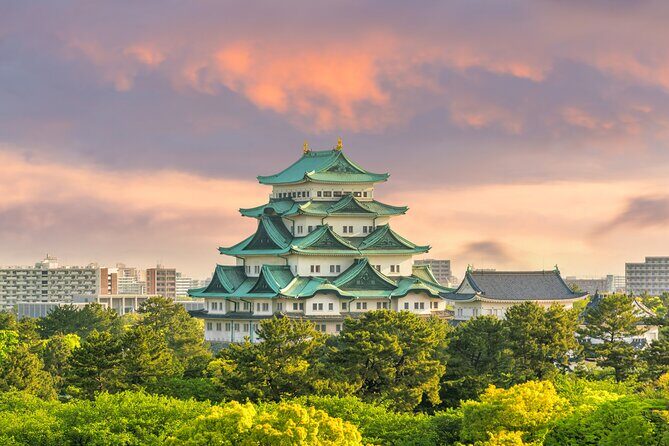
This is a small group tour with pickup offered, a maximum of 23 travelers, and an English-speaking guide. That combination is what makes the days feel smooth rather than chaotic.
One of the strongest signals from guide experiences is Matt’s style: a full itinerary with flexibility to follow interests, without losing the thread. That matters because Japan tours often have two modes—either super rigid or totally freeform. This one aims for the middle: you’re guided, but you’re not trapped.
Timing is also built into the stop choices. For example, Kiyomizu-dera includes routes to avoid most crowds, and Arashiyama has a Plan B if time is short. These are the kinds of decisions you’ll feel during the day, even if you don’t notice them at every stop.
Who this tour is best for
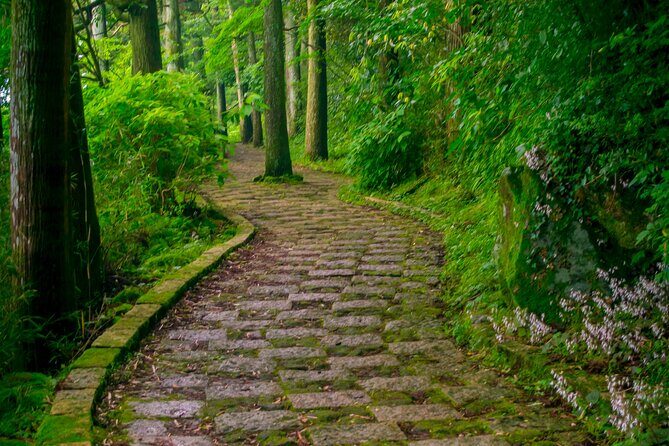
This tour fits best if you want a well-paced hits-between-cities route without DIY stress. It’s also described as suitable for all ages and levels of fitness, which suggests the walking is manageable if you move steadily and wear good shoes.
You’ll probably enjoy it most if you:
- Want Mt. Fuji area experiences across multiple stops, not just one quick photo moment
- Like temples and shrines but also want scenic transport moments like ropeways and a crater-lake cruise
- Prefer an English-speaking guide to explain what you’re seeing as you go
If you’re the type who wants to slow down for deep neighborhood exploring every day, you might find the pace brisk. The payoff is that you see a lot in only three days.
Should you book it? My take
If you’re trying to compress Tokyo-to-Osaka highlights into a short trip, this tour is a strong option. The value is in the transport and guidance: you get comfort, logistics coverage (tolls/parking), and a route that strings together the big names plus some scenic detours.
The main reason to pause is the add-on costs. You’ll still pay for several entrances and rides, and lunch and dinner aren’t included. If your travel style is strict-budget and you hate spending at the counter, it may feel annoying.
But if you want an efficient, memorable sampler of Japan—Kamakura and Hakone views, Fuji-area stops, Nara deer, Kyoto temples, and Osaka at night—this tour does the job well.
FAQ
Where does the tour start and end?
The tour starts at Narita Airport Terminal 2/3 Station, Japan. It ends in a different location, with the exact details provided during booking.
What’s included in the price?
The tour includes WiFi on board, an air-conditioned vehicle, parking fees, road tolls, 3-star accommodation, and breakfast for 2 days. Lunch and dinner are not included.
Are entrance tickets included for the main attractions?
Some admissions are free and some are not. Several stops list specific fees, such as the Hakone Ropeway (2,000 yen) and Hakone Pirate Ship (1,700 yen), plus Todai-ji (800 yen) and Kiyomizu-dera (500 yen).
Is pickup offered?
Yes, pickup is offered. The tour can start from your hotel or port of entry in Tokyo or Narita.
How big is the group?
The tour has a maximum of 23 travelers, which keeps it small-group sized.
What if Mt. Fuji is cloudy?
Mt. Fuji views are described as possible on clear days at multiple points, like the Hakone cruise and various Fuji-area viewpoints. If it’s not clear, you’ll still have the cultural and scenery stops, but the mountain views may be limited.
What’s the cancellation window for a refund?
You can cancel up to 6 days in advance for a full refund, with a 50% refund option for cancellations made 2–6 days before the experience start time, and no refund within 2 days.